

Words by Ari Garduno
There’s one question I ask every HR director or company owner who sits down with me to plan an incentive trip, and the answer usually tells me whether the trip will work: “In five years, what will your people remember: the hotel, or what they did?”
Most hesitate. That hesitation is exactly the problem this guide is here to solve.
Incentive travel moves billions of dollars a year because it works, when it’s designed well. When it isn’t, it’s an expensive internal-marketing exercise that nobody remembers six months later. The difference between the two is almost never the budget. It’s the design.
Why Incentive Travel Still Beats the Alternatives (and the Numbers Back It Up)
Before the “how,” it’s worth a minute on the “why,” because plenty of companies still file the incentive trip under discretionary spending instead of strategy. Industry research says otherwise.
According to Incentive Research Foundation (IRF) findings as reported by industry sources, well-designed incentive travel programs can lift sales productivity by up to 18% and deliver an ROI of 112%, which is more than doubling the money you put in. In studies from SITE (Society for Incentive Travel Excellence) with Maritz, incentive travel remains the most effective non-cash motivator across every generation in the workforce.
Executive perception tells the same story. 94% of top-performing companies say their incentive travel programs are effective or very effective at hitting business goals, and 88% of executives now call incentive travel a “need to have,” not a “nice to have.”
There’s a colder financial argument too. Replacing an employee costs, on average, 50% to 200% of their annual salary, depending on seniority and role. A well-designed incentive program often costs less than the turnover it prevents.
Translated: the incentive trip isn’t the reward. It’s the best-returning line item in your recognition budget. But only if it’s designed to be.
The Question Everyone Asks First (and Gets Slightly Wrong): Do We Need a Luxury Hotel?
This is almost always the first thing I’m asked. My honest answer: it’s the wrong question.
A five-star hotel gets you comfort, good service, and photos for the internal newsletter. That’s not nothing, especially when you’re rewarding people who worked hard all year. But the hotel category is not what your team will remember. They’ll remember what happened inside those days: the moment the whole group saw something none of them had seen before, the story that gets retold at the office for months, the feeling of “I could never have put this together myself.”
The better question isn’t “luxury or not?” It’s: “Does this trip give my team something they can’t get anywhere else?”
That doesn’t mean compromising on quality. A high-end safari lodge, a boutique hotel in Kyoto, or a private villa on the Riviera Maya are still the right logistical base for a demanding corporate group. It means the hotel is the platform, not the product. The product is the experience lived from it.
Why Experiences Define a Group Trip's Success
This is the point I most want you to take from this guide, because it’s where most corporate travel vendors fall short.
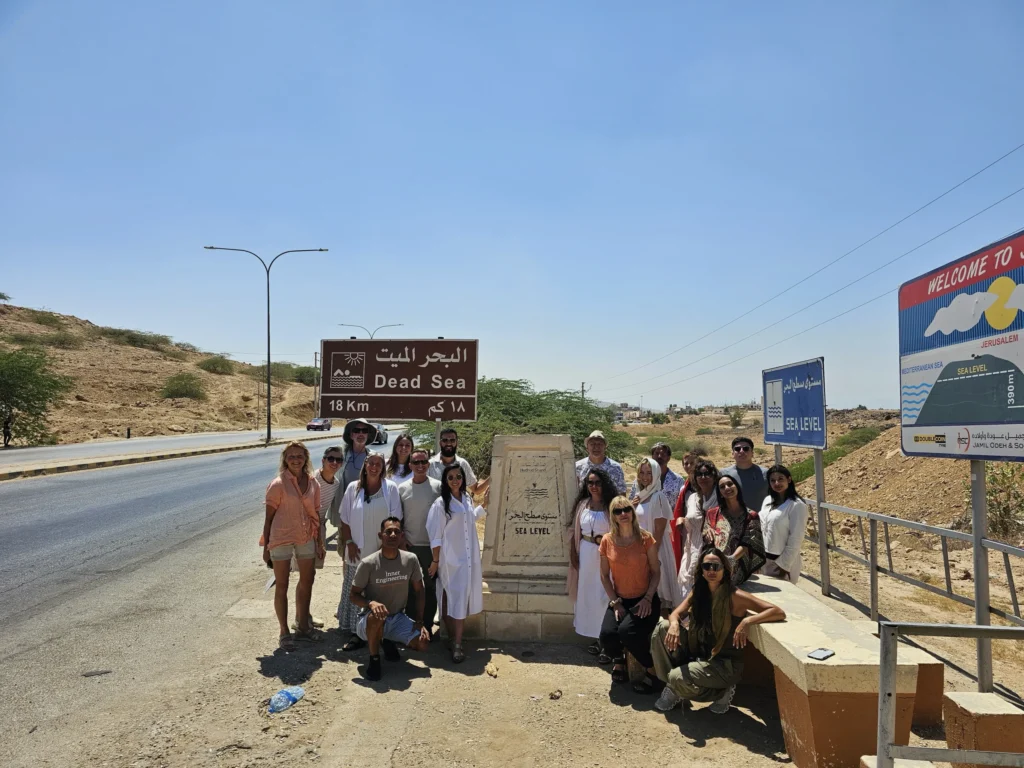
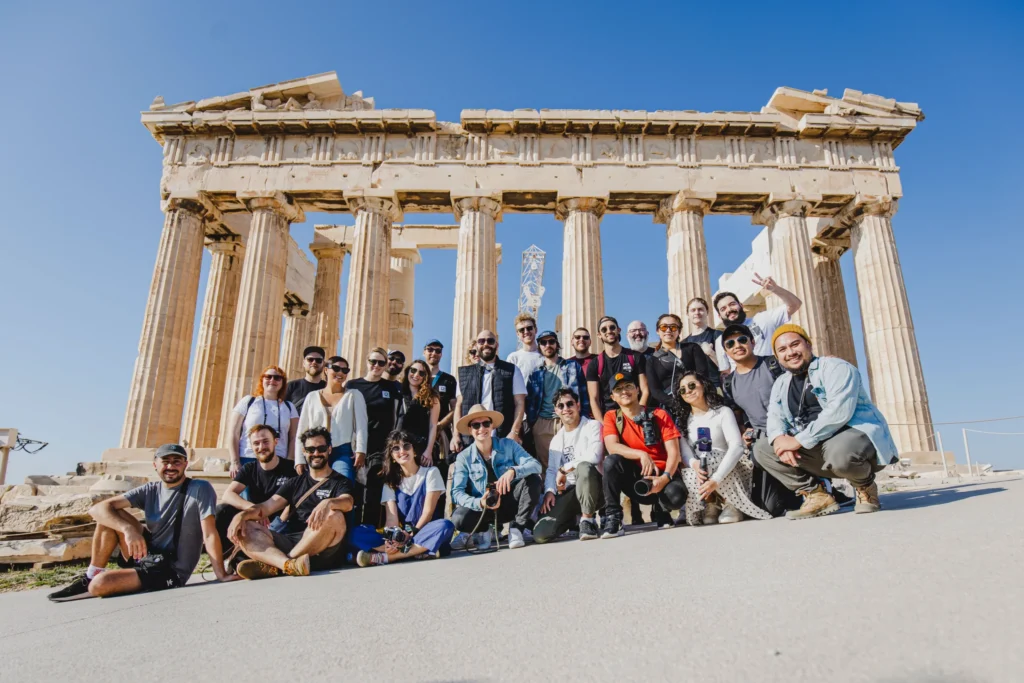
A generic “golf, spa, and gala dinner” itinerary can be bought in any destination on earth. It doesn’t set your company apart from every other one that did the same thing last year. What does, and what generates the kind of conversation people are still having months later, is experiences the group couldn’t have designed on its own: a safari where the entire team sees their first elephant together, a private dinner at a historic site that doesn’t normally host groups, a meeting with local conservationists that gives the trip a purpose beyond rest.
Industry research backs the instinct. The strongest trend of recent years is toward personalization and curated experience over the generic “everyone does the same thing” program. Companies are increasingly measuring ROE, return on engagement, alongside financial ROI: how memorable, shareable, and meaningful the trip was for each participant.
That’s what I design for every group. Not a catalog itinerary, but an experience built around what that specific company wants to achieve: recognition, team cohesion, motivation for the next sales cycle, or all three at once.
What Most People Miss: Moving a Big Group Is a Logistics Problem, Not an Inspiration Problem
I’m going to be direct here, because this is where a memorable trip and an operational nightmare part ways.
Designing a beautiful itinerary is the easy part. Moving 25, 50, or 150 people with coordinated connecting flights, synchronized ground transport, room assignments without friction, dietary restrictions sorted, a contingency plan when someone’s flight is delayed, and a single point of contact who fixes things in real time is a serious logistics problem. Most people organizing incentive trips inside a company have never had to solve it alone.
It’s also where most corporate trips that go badly actually break. Not because of the destination. Because of the logistics.
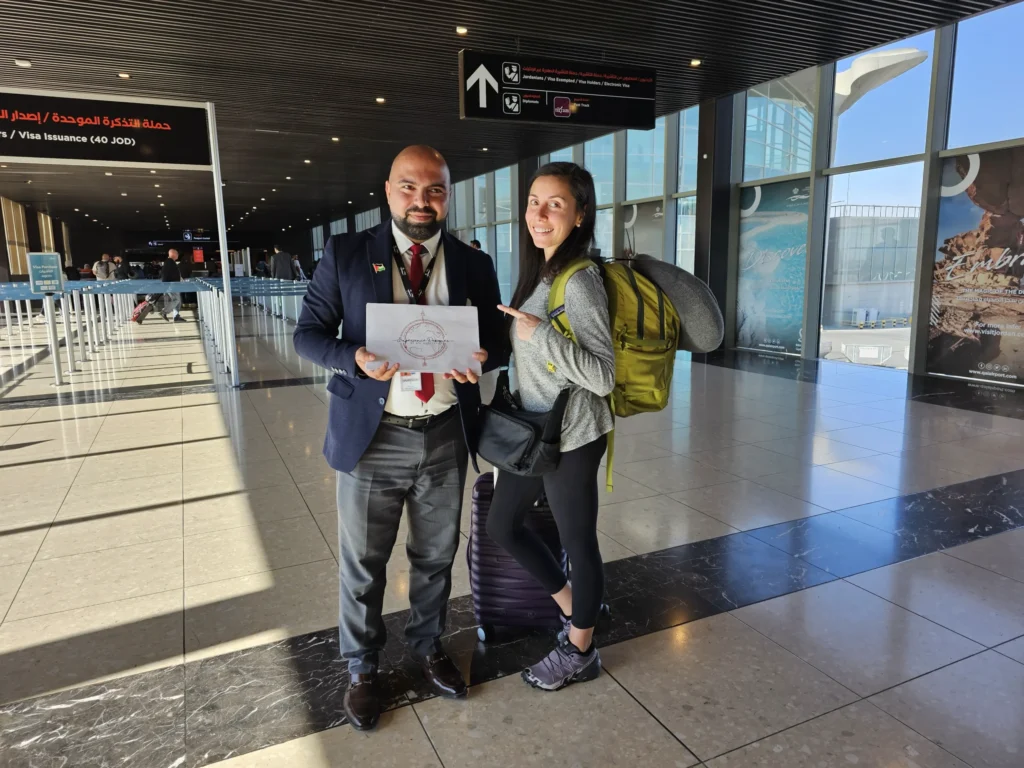
Here’s what you’re really buying when you hire someone with real experience moving groups:
- Local relationships already built. When a lodge, hotel, or supplier knows you work with me, the priority and flexibility your group receives is different from a first-time booking.
- Real-time problem solving. A cancelled flight, a weather change, a participant with a medical need: handled without your internal team getting pulled in while they’re supposed to be enjoying the trip they earned.
- Design that scales without losing personality. An itinerary built for 8 people and one built for 80 are different animals: timing, space, meal logistics, everything changes. Designing for large groups without it feeling like a tour package is a specific skill, not an automatic extension of knowing how to plan a small trip.
- One point of contact, start to finish. Your HR or sales team shouldn’t be coordinating six separate vendors (hotel, transport, activities, restaurants, travel insurance, permits). They should have one person who answers for all of it.
This is really why a company hires an experience designer instead of doing it in-house. It isn’t that HR can’t pick a good hotel. It’s that moving a large group, in a destination they don’t know, with zero margin for error in front of their own leadership, takes experience built trip by trip. You can’t improvise it the first time it matters.
What to Evaluate Before You Choose Who to Work With
If you’re deciding how to build your company’s incentive trip, here are the questions I’d ask yourself, and any vendor you’re considering:
1. Does the design start from your business goals, or from a catalog?
A good incentive program starts by asking what you want to achieve (retention, motivation for next quarter, recognition for a specific team) and designs backward from there. If a vendor shows you a catalog of packages before asking that, treat it as a warning sign.
2. Who is your point of contact during the trip itself?
Not just during the sale. During the trip. If the answer is “a call center” or “whoever’s available that day,” think about what happens when something goes wrong at 11 p.m. in another country.
3. Is the itinerary designed for your group, or is it a replicated product?
Ask directly how many groups have done this exact itinerary this year. If the answer is “many,” it isn’t a differentiated experience. It’s a group tour with your logo on it.
4. Do they have real experience moving the group size you need?
There’s an enormous gap between designing couples’ trips and coordinating logistics for 60 people in an international destination. Ask for concrete examples of groups similar in size to yours.
5. How do they handle the unexpected?
Every vendor looks great when everything goes to plan. Ask specifically what happened the last time something didn’t, and how they resolved it. The answer tells you more than any sales deck.
6. Is the pricing transparent?
A clear fee-for-service model, where you know exactly what you’re paying for and why, aligns incentives between you and whoever designs your trip. Hidden supplier commissions can tilt recommendations toward what’s best for the agency rather than for your group.
How I Work on Corporate Incentive Trips
With over 15 years designing bespoke travel experiences for Latin American and U.S. clients across five continents, here’s what a corporate client gets when working with me:
- A real discovery conversation, not a generic questionnaire, to understand the business goals behind the trip before proposing a single destination.
- 100% bespoke design around your group’s profile, size, and purpose, not a package recycled from a volume agency.
- One point of contact, me, from the first conversation to the last day of the trip.
- Access to destinations few Spanish-and-English-speaking operators handle with ease: safaris in 15 African countries, plus Asia, the Middle East, Nordic Europe, and South America, with group logistics already worked out in each.
- A transparent fee structure, with no hidden commissions skewing the recommendation.
- IATA accreditation, which backs the professional operation behind every itinerary.
I don’t sell packages. I design the reason your team will still be talking about this trip long after it ends.
Let's Design Your Trip Together
If you’re weighing options for your company’s next recognition cycle, whether for your sales team, your leadership, or your key clients, let’s talk before you build the itinerary with someone who has never moved a group your size.
Tell me your company’s goals, your group size, and the dates you have in mind. We’ll design from there.
Your Questions, Answered
Do we need a luxury hotel for a successful incentive trip?
Not necessarily. Hotel category matters as a base of comfort and service, but what makes an incentive trip memorable is the curated experiences the group lives during the trip, not just where they sleep. Good design prioritizes differentiated experiences over star rating.
What is the real ROI of an incentive trip?
According to IRF research as reported by industry sources, well-designed programs can increase sales productivity by up to 18% and deliver a 112% ROI. And 94% of top-performing companies consider their incentive programs effective or very effective.
Why hire an experience designer instead of organizing it internally?
Because moving a large group involves complex logistics (flights, ground transport, contingencies, a single point of contact) that take experience built trip by trip. Poor logistics can ruin even the most spectacular destination, while good logistics frees your HR team from coordinating multiple vendors.
What group size can be handled for an incentive trip?
It depends on the provider’s specific experience with group logistics. Designing for 8 people and for 80 requires different skills, so ask directly about prior experience with groups of a size similar to yours before you hire.
What should I ask before choosing an agency for my incentive trip?
Ask whether the design starts from your business goals or from a catalog, who your point of contact is during the trip itself, whether the itinerary is exclusive to your group, what experience they have with your group size, how they handle the unexpected, and whether their fee structure is transparent.
Is incentive travel still relevant in 2026?
Yes. 88% of executives consider it a “need to have,” not a “nice to have,” and 55% of buyers expected to spend more on incentive travel in 2026 than in 2025, according to the Incentive Travel Index from SITE and IRF.

Ari Garduno
Passionate traveler of the authentic, the unexpected and what leaves a mark.





Deja un comentario