



Indonesia is an archipelago of more than seventeen thousand islands, and each one feels like another country: rice terraces and temples among the clouds in Bali, Komodo dragons on golden-hilled islands, volcanoes smoking at dawn in Java and colorful reefs in Raja Ampat.
A custom trip to Indonesia is designed with care. Distances are huge, domestic flights are part of the trip and each island has its own season. Those who plan it well combine culture, nature and beach at a good pace. Those who don’t spend more time in airports than on islands.
This guide goes beyond the postcard. Besides the islands, the hotels and the activities, I tell you what almost nobody explains: what it really costs, what paperwork you need as a U.S. traveler, what is rude, what is illegal and what you can bring.


Indonesia is an archipelago of more than seventeen thousand islands, and each one feels like another country: rice terraces and temples among the clouds in Bali, Komodo dragons on golden-hilled islands, volcanoes smoking at dawn in Java and colorful reefs in Raja Ampat.
A custom trip to Indonesia is designed with care. Distances are huge, domestic flights are part of the trip and each island has its own season. Those who plan it well combine culture, nature and beach at a good pace. Those who don’t spend more time in airports than on islands.

This guide goes beyond the postcard. Besides the islands, the hotels and the activities, I tell you what almost nobody explains: what it really costs, what paperwork you need as a U.S. traveler, what is rude, what is illegal and what you can bring.
Why Indonesia Is Unlike Any Other Destination
Indonesia is one of the few places in the world where you can:
- Watch the sunrise among the temples and rice terraces of Bali, with flower offerings on every corner.
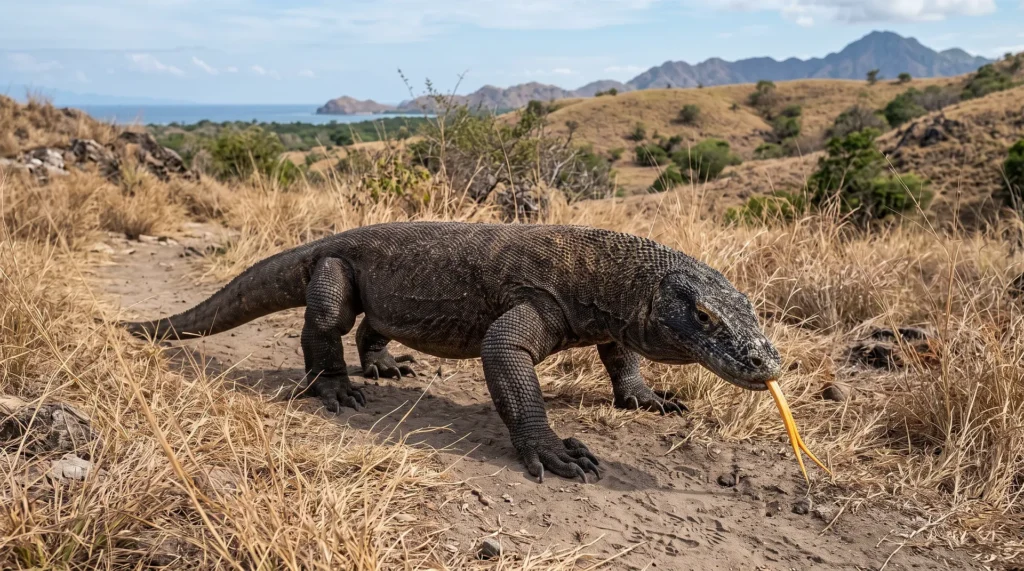
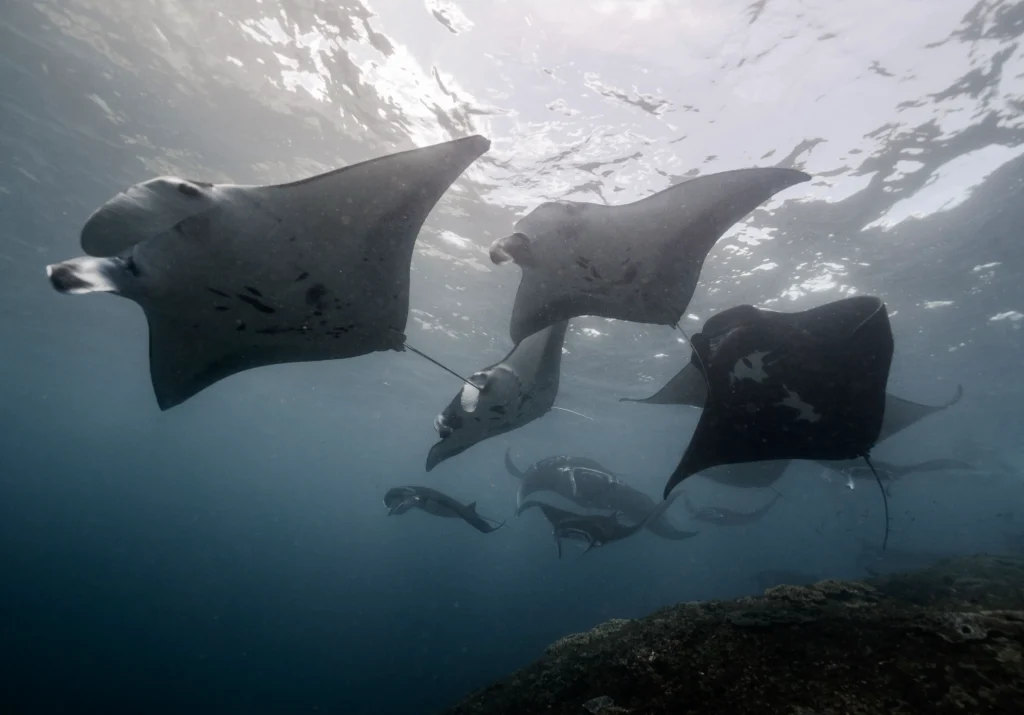
- Meet the Komodo dragons in their habitat and dive among manta rays in Komodo National Park.
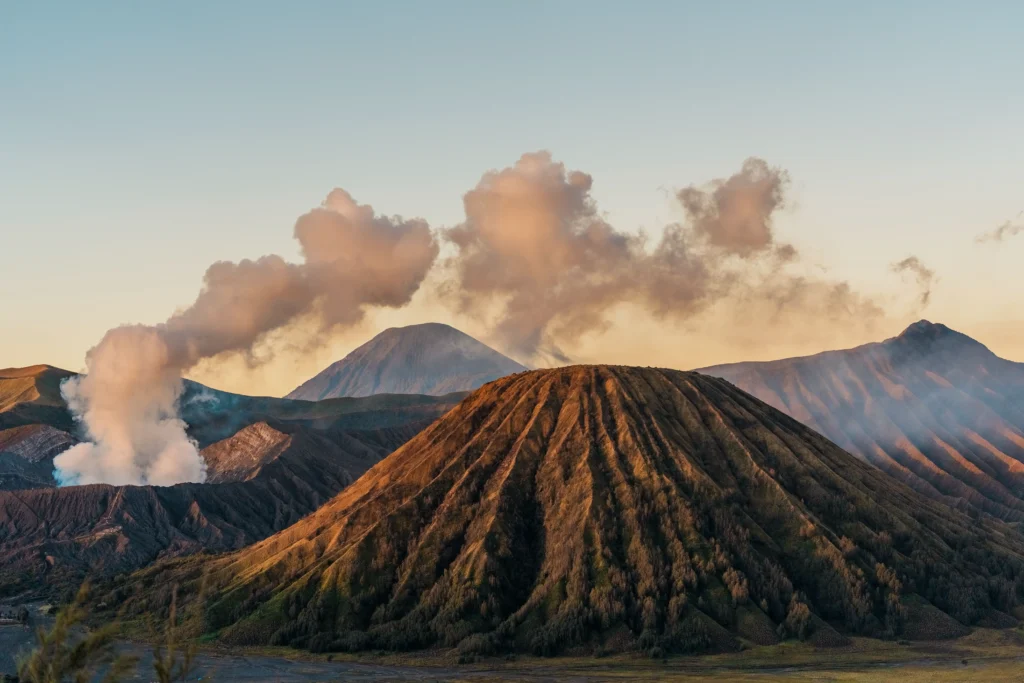
- Climb to the crater of Bromo or Ijen volcano, in Java, before sunrise.
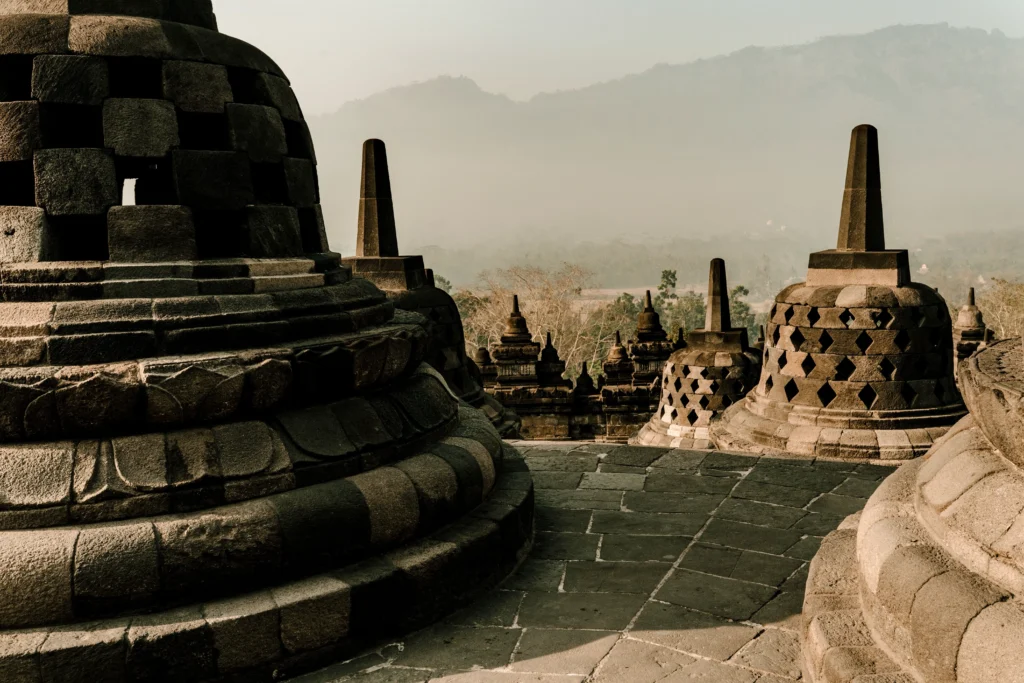
- Visit the temples of Borobudur and Prambanan, two of the most impressive in Asia.
What makes it unique is the diversity. There are hundreds of ethnic groups, languages, dances and cuisines. Bali is Hindu, while the rest of the country is mostly Muslim, and that blend is felt in every region. It is also a destination with very warm hospitality and an enormous craft tradition.
It is a destination you enjoy far more with good logistics. There are domestic flights, boat transfers and rules worth knowing. That is why below you will find sections on budget, etiquette, laws, customs and entry requirements.

Be a traveler. Not a Tourist.
Ready to design your next adventure?
Best Time to Visit Indonesia

Indonesia sits on the equator, so the weather is warm all year, with a dry season and a rainy one. The best time depends on which islands you want to visit, and my advice is to choose by region.
| Season | Months | The best | Keep in mind |
|---|---|---|---|
| Dry season | April to October | Bali, Komodo, Java and Lombok at their best: clear skies, calm sea and good diving. June to September is the ideal time. | July and August are high season, with more visitors and higher prices. |
| Transition | April to May | Pleasant weather, fewer visitors and good prices. | Possible brief showers. |
| Rainy season | November to March | Green landscapes, fewer crowds and a good time for Raja Ampat (October to April). | Rain and humidity in Bali and Java. Some excursions are canceled because of the sea. |
| Raja Ampat and Papua | October to April | Calm seas and the best visibility for diving. | It is a remote destination, with long flights. |
If it is your first time, May to September is my recommendation, combining Bali with Komodo and Java. If you travel in November or March, it is worth focusing on Raja Ampat or on Bali with good travel insurance.


Real Budget: How Much Does a Trip to Indonesia Cost?
I’ll be straight with you: Indonesia offers a lot of value, with luxury villas at reasonable prices, although domestic flights and remote destinations add up. These figures are market estimates from November 2026, per person and in U.S. dollars.
Flights from the U.S.
There are no nonstop flights from the U.S. to Indonesia. The usual route is a connection in Asia or the Middle East, such as Tokyo, Seoul, Taipei, Singapore or Doha, to Denpasar (Bali). The ticket typically costs about $950 to $2,100 per person in economy, depending on your departure city and the season. On top of that come domestic flights to Komodo, Java or Raja Ampat.
Lodging per Night
| Level | Per person per night | What to expect |
|---|---|---|
| Essential | $80 to $180 | Small hotels, simple villas and bungalows, often with breakfast included. |
| Intermediate | $180 to $450 | Boutique hotels and resorts, with a spa, pools and good restaurants. |
| Premium | $450 to $1,100 | Villas with a private pool, luxury resorts and diving cruises. |
| Ultra-luxury | $1,100 to $3,500 or more | The most exclusive properties, with private service and a butler. |
Nightly rates usually include lodging and breakfast. Meals, excursions and transfers are usually added on top. In July, August and at Christmas, prices rise considerably.
Bali Tourist Levy and Domestic Flights
Bali charges foreign tourists a levy of 150,000 rupiah per person, paid online before arriving. Domestic flights to Komodo (Labuan Bajo), Java or Raja Ampat are a significant item, and it is best to include them from the start.
Estimated Total Budget (per person, 10 to 12 days, with Bali and another island)
| Level | Estimated total, with flights from the U.S. | What the trip looks like |
|---|---|---|
| Essential | $4,300 to $6,900 | Simple hotels and villas in Bali and a second island, with guided excursions. |
| Intermediate | $6,400 to $10,700 | Design villas and resorts, a short Komodo cruise and beach rest days. |
| Premium | From $11,700, and over $23,000 at the very top | Villas with a private pool, a luxury cruise, private transfers and custom experiences. |
These ranges include flights, lodging, transfers, guides and the main activities. They include the design and full management of the trip: bookings, transfers, guides and support. They do not include all meals, tips, personal shopping or travel insurance. The nightly rates are market reference rates. The investment is protected by designing the trip well: I help you decide where it is worth spending and where not.
Where to Stay in Indonesia
In Indonesia, lodging is part of the experience. The usual approach is to combine different areas of Bali with another island.
Ubud: Culture and Rice Paddies
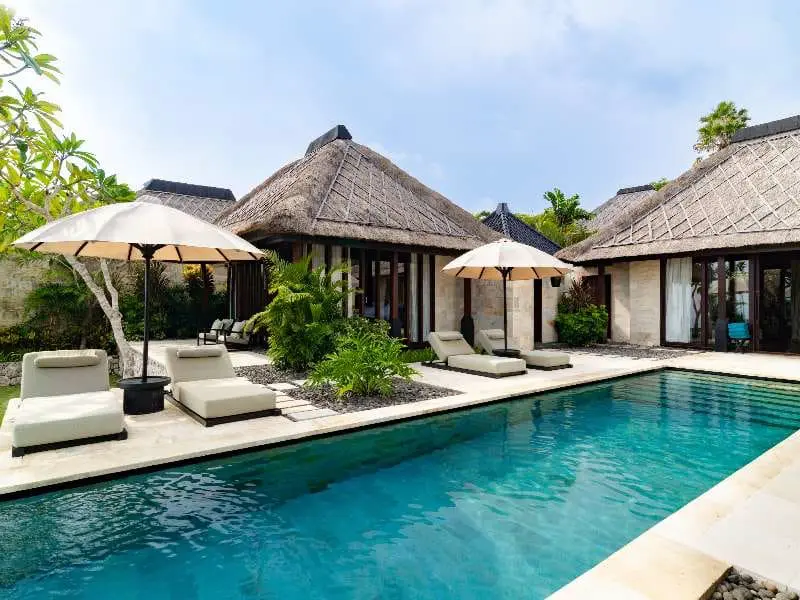
Villas and hotels among rice paddies and jungle, with temples, art workshops and yoga. It is the cultural heart of Bali.
Uluwatu and Nusa Dua
Cliffs with ocean views, temples at sunset and luxury resorts. It is a calm, elegant area.
Seminyak and Canggu
Design hotels, restaurants and nightlife. They are lively areas, with heavy traffic.
Komodo and Labuan Bajo
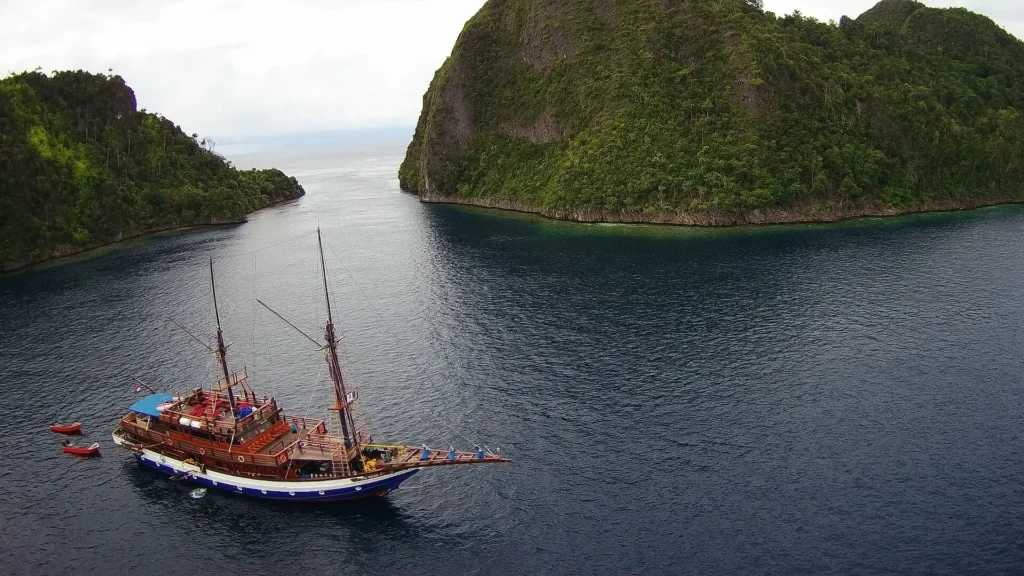
Hotels facing the harbor and private boats. A 2 to 4 day cruise is the best way to get to know the islands.
Java, Lombok and Raja Ampat
Java offers temples and volcanoes, Lombok and the Gilis offer quiet beaches and Raja Ampat is a paradise for divers.
What to Expect on Your Trip Through Indonesia
Language. Indonesian is spoken. English is understood in tourism. A few words open smiles: terima kasih (thank you) and selamat pagi (good morning).
Currency and cash. The currency is the Indonesian rupiah (IDR). Visa and Mastercard are accepted at hotels and restaurants, and ATMs are plentiful in Bali. Carry cash in rupiah for markets, temples and tips.
Getting there. There are no nonstop flights from the U.S. Total travel time usually exceeds 24 hours, with connections. Bali is 12 to 13 hours ahead of the U.S. East Coast, depending on the season.
Transportation. Between islands you fly or sail. In Bali the most comfortable choice is a private driver, because traffic is heavy. Taxis and ride-hailing apps are a good complementary option.
Connectivity and adapters. Outlets are type C and F, at 230 V. Bring a universal adapter. An eSIM works well on the main islands.
Weather and clothing. It is warm all year. Bring light clothing, a swimsuit, a hat, mineral sunscreen and walking shoes. For temples, bring clothing that covers shoulders and knees.
Health. There is a risk of dengue, and of malaria on some eastern islands. Talk to your doctor or a travel clinic about vaccines and prophylaxis. Drink bottled water, and avoid ice at street stalls. Get travel insurance with medical and evacuation coverage.
Safety. Indonesia is a calm destination for tourism, although Bali has traffic and petty theft. Avoid homemade arak, because it can be adulterated with methanol. Respect the flags and currents on beaches.
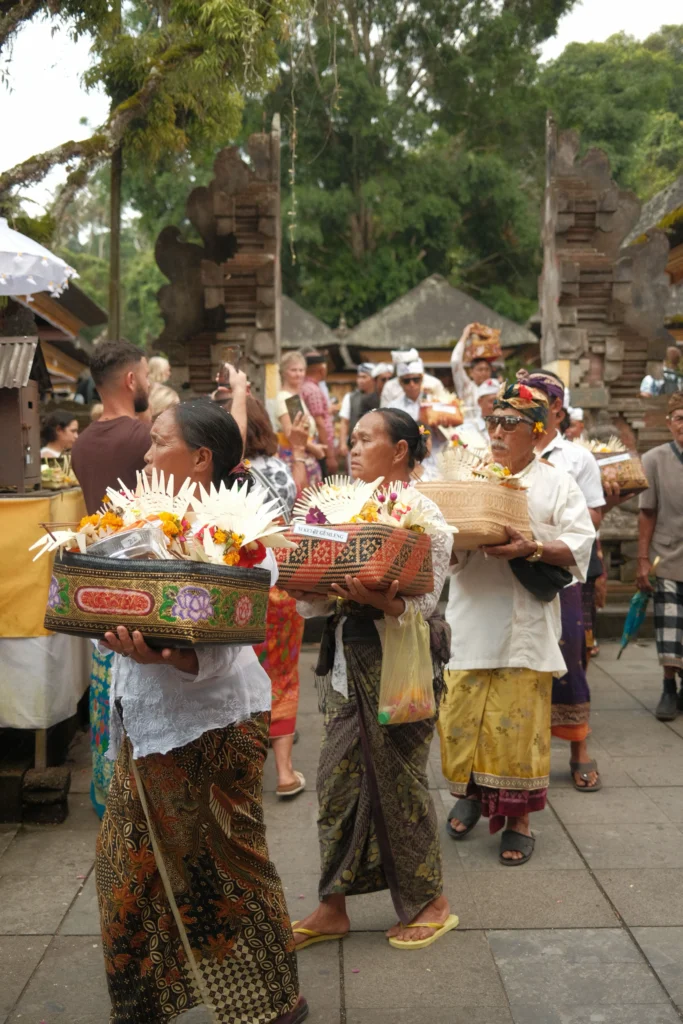
Culture. Bali is Hindu and is lived among offerings, processions and dances. The rest of Indonesia is mostly Muslim, with an enormous diversity of traditions. Nyepi, Bali’s Day of Silence, shuts down the island for 24 hours, including the airport.
Food. Try nasi goreng, nasi campur, satay, gado-gado, bebek betutu, babi guling (Balinese roast pork) and rendang. Bali coffee and tropical fruits are excellent. Avoid kopi luwak, because it involves animal cruelty.
My basic guide for any trip
Bali and Beyond: The Reality Behind the Magic
Bali is not the quiet island you may imagine.
Areas such as Canggu and Seminyak have traffic, construction and lots of people. Short trips can take an hour, and the famous temples fill up at dawn. In return, there are quiet corners in the north, the east and the interior, with a living culture.
That is why I design the trip with rhythm: hotels in quiet areas, schedules that avoid crowds, a trusted private driver and a second island for variety. I also choose the season according to the weather of each region.
The key is realistic expectations, a good location and a trusted guide.
Etiquette: Dos and Don'ts in Indonesia
Indonesians are kind, discreet and very attentive to respect. These customs help you travel respectfully and avoid misunderstandings.
| Topic | Avoid | Instead |
|---|---|---|
| Temples | Entering without a sarong and sash, or stepping on offerings on the ground. | Wear a sarong and sash, walk around the offerings and ask before photographing. |
| Head and feet | Touching a person's head, or pointing with your feet. | Avoid contact with the head and sit with your feet to one side. |
| Left hand | Giving, receiving or eating with the left hand. | Use the right hand, or both hands, to hand over objects and money. |
| Tipping | Tipping everyone as in other countries. | Tip guides, drivers and hotel staff, in rupiah or dollars. Ask your operator for a reference. |
| Greetings | Shaking hands firmly. | Greet with a small bow and a smile. |
| Bargaining | Losing your temper or arguing with a vendor. | Negotiate with a smile. If it doesn't convince you, say thanks and keep walking. |
| Dress | Very short clothing or a swimsuit away from the beach. | Cover shoulders and knees in villages and temples. |
| Ramadan | Eating or drinking in public outside Bali during the day. | Be discreet. Some businesses open fewer hours. |
At small hotels, the staff become familiar. Greeting someone by name and a sincere “terima kasih” are remembered more than any grand gesture.
Laws to Know Before Traveling to Indonesia
Not knowing the law is no defense in any country. These are the rules that surprise travelers most in Indonesia.
| Topic | What the rule says | Consequence |
|---|---|---|
| Drugs | Possession, use and trafficking, including cannabis, are serious crimes, and in some cases are punished with the death penalty. | Detention and very severe prison sentences. Don't bring or take any. |
| Penal Code | The new Penal Code, in force since 2026, penalizes sex outside marriage only if reported by a spouse, parents or children. | In practice it is rarely applied to tourists, but it is worth knowing. |
| Working on a tourist visa | Working, even remotely for local clients, on a tourist visa is a violation. | Deportation and fines. |
| Drones | Drones require a permit and can be confiscated. | Fines and confiscation. Don't bring them unless you have authorization. |
| Sacred places | Climbing sacred structures, entering temples while menstruating or in inappropriate clothing, or driving irresponsibly in Bali. | Fines, deportation and trouble with the community. |
| Photography | Photographing military installations, airports and government buildings is prohibited. | Detention and confiscation of equipment. Ask first. |
| Wildlife | Touching, feeding or buying protected animals, and approaching Komodo dragons without a guide, is prohibited. | Fines and a real risk to your safety. |
Customs: What You Can and Can't Bring Into Indonesia
Indonesia is strict about drugs, weapons and certain products, so it helps to have these rules clear before packing.
| Item | Rule | Notes |
|---|---|---|
| Cash | Large amounts of cash are declared when entering or leaving. | Check the current limit with your operator before traveling. |
| Medications | Allowed in original packaging with a doctor's letter. | Keep your prescriptions. Some common medications are controlled. |
| Drugs and narcotics | Banned. | They can carry the death penalty. |
| Digital declaration | A customs declaration is filled in online before arriving. | Do it before boarding. |
| Wildlife products | Ivory, shells and products from protected animals are banned. | It also applies to souvenirs made from those materials. |
| Weapons and ammunition | Banned without special authorization. | If you buy knives as souvenirs, they travel in checked luggage. |
| Drones | They require a permit. | They can be confiscated at customs. |
Activities That Define the Indonesian Experience (and Where to Eat Nearby)
In Indonesia, the table and the landscape go together: every island has its own flavors. That is why each activity comes with what is worth eating nearby.
Ubud and the Tegalalang Rice Terraces
A walk among rice terraces, temples and craft markets. Silver, wood and batik workshops are a great way to meet the artisans.
Where to eat nearby: a lunch of nasi campur or bebek betutu at a restaurant among the rice paddies.
Temples of Bali
Uluwatu, Tanah Lot and Besakih are the most famous. Go early or at sunset, with a sarong and sash.
Where to eat nearby: a grilled seafood dinner by the sea, in Jimbaran.
Komodo by Boat
A two to four day cruise takes you to the islands of Komodo and Rinca, with dragons, manta rays, pink sand beaches and sunsets with bats.
Where to eat nearby: a fresh fish dinner on board the boat.
Borobudur and the Volcanoes of Java
Borobudur and Prambanan are extraordinary temples. Bromo and Ijen offer sunrises over craters. They are visited from Yogyakarta.
Where to eat nearby: a lunch of gudeg, a sweet jackfruit stew, in Yogyakarta.

Nusa Penida and the Gilis
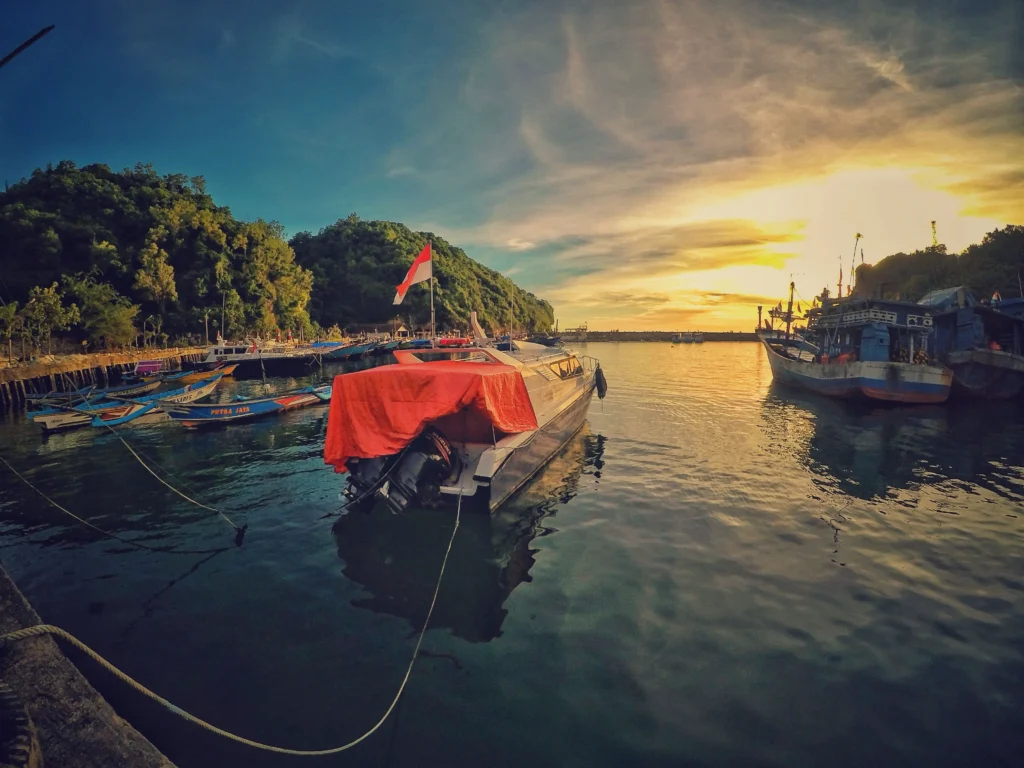
For resting, Nusa Penida has spectacular cliffs and the Gilis have quiet beaches without cars. You arrive by speedboat.
Where to eat nearby: grilled fish and a cold beer on the beach.
Raja Ampat
For divers, it is one of the places with the most marine biodiversity on the planet. You arrive on long flights from Bali or Jakarta.
Visa and Paperwork Before Your Trip to Indonesia
U.S. citizens can get a visa on arrival or an e-visa for tourism in Indonesia. In addition, you must fill in a digital declaration before traveling.
| Procedure | What to know | When |
|---|---|---|
| Tourist visa | It is obtained on arrival or online, at evisa.imigrasi.go.id. It allows a stay of 30 days and can be extended once, up to 60 days in total. It costs about 500,000 rupiah, around $30, an approximate amount. The e-visa is requested at least 48 hours before the flight. | At least 2 weeks before the trip |
| Digital arrival declaration | It is mandatory and filled in online before arriving. Airlines may deny boarding if you don't have it. | Up to 3 days before the trip |
| Bali tourist levy | It is 150,000 rupiah per person and paid online before arriving in Bali. | Before arriving in Bali |
| Passport | It should be valid for at least 6 months from your arrival and have blank pages. | Before buying the ticket |
| Onward ticket | Airlines and immigration may ask for a return or onward ticket. | At boarding and on arrival |
| Health | There is a risk of dengue, and of malaria on some eastern islands. Ask your doctor. | 4 to 6 weeks ahead |
| Minors | Each child needs their own passport and, if traveling with only one parent or with third parties, a notarized consent letter. | Before traveling |
| Travel insurance | Get one with international medical and evacuation coverage. | Before traveling |
How to Get Your Entry Step by Step
- Go to the official portal, evisa.imigrasi.go.id, and beware of intermediaries that overcharge.
- Upload the photo of your passport data page.
- Fill in your personal and trip details.
- Pay the fee by card.
- Fill in the digital arrival declaration before boarding.
- Pay the Bali tourist levy if you are going to that island.
Immigration rules can change at short notice. That is why I prepare each procedure with my clients and review the conditions close to the travel date.
Beyond the Postcard: Reads That Reveal the Soul of Indonesia
Before your feet touch its soil, let your mind travel. Here are my literary recommendations so you can soak up the essence of Indonesia and experience every corner from another perspective.


Frequently asked questions about traveling to Indonesia
Do I need a visa to travel to Indonesia from the U.S.?
Yes. U.S. citizens can get the visa on arrival or the e-visa at evisa.imigrasi.go.id, with a 30-day stay, extendable to 60. It costs about 500,000 rupiah, around $30, an approximate amount. You must also fill in a digital declaration before traveling. Your passport should be valid for at least 6 months.
What is the best time to travel to Bali?
From April to October, the dry season. June to September is the best time, although July and August are busier. From November to March there is more rain and fewer visitors.
How many days do I need for a trip to Indonesia?
Between 10 and 12 days lets you combine Bali with Komodo or with Java. With less time, the trip comes down to Bali and a second nearby island.
What is the Bali tourist levy?
It is a fee of 150,000 rupiah per person that foreign tourists pay online before arriving in Bali. It helps protect the island’s culture and environment.
Is it safe to travel to Indonesia?
Yes, with precautions. There is traffic, petty theft and currents on some beaches. Avoid homemade arak and drink bottled water. Check the current U.S. State Department advisory close to your dates.
Do you tip in Indonesia?
Yes. You tip guides, drivers and hotel staff, in rupiah or dollars. At many hotels service is already included. Your operator will give you a reference.
What should I wear to the temples in Bali?
Clothing that covers shoulders and knees, plus a sarong and a sash. Many temples lend them, but it is wise to bring your own. Don’t step on offerings and avoid visiting temples if you are on your period.
Can I combine Indonesia with other destinations?
Yes. Indonesia combines very well with Singapore, Malaysia, Thailand, Vietnam or Cambodia, and with the Maldives or Sri Lanka. Check the requirements of each destination.
How much does a trip to Indonesia cost?
It depends on the level and the islands. As a reference, a 10 to 12 day trip with flights from the U.S. costs $4,300 to $6,900 per person at an essential level, $6,400 to $10,700 at an intermediate one and from $11,700 at a premium one, with trip design and management included. These are estimates from November 2026.
Let's Design Your Trip to Indonesia Together
Indonesia is enjoyed far more when the islands, the flights, the hotels and the transfers are planned as a single trip. Tell me what you are looking for, whether culture, adventure or beach, and we will design it around you.
Combine Indonesia With Other Destinations
If you are traveling as a couple, discover my honeymoon trips. If you prefer to share the experience, explore the group trips.

Ari Garduno
Passionate traveler of the authentic, the unexpected and what leaves a mark.



Leave a comment