



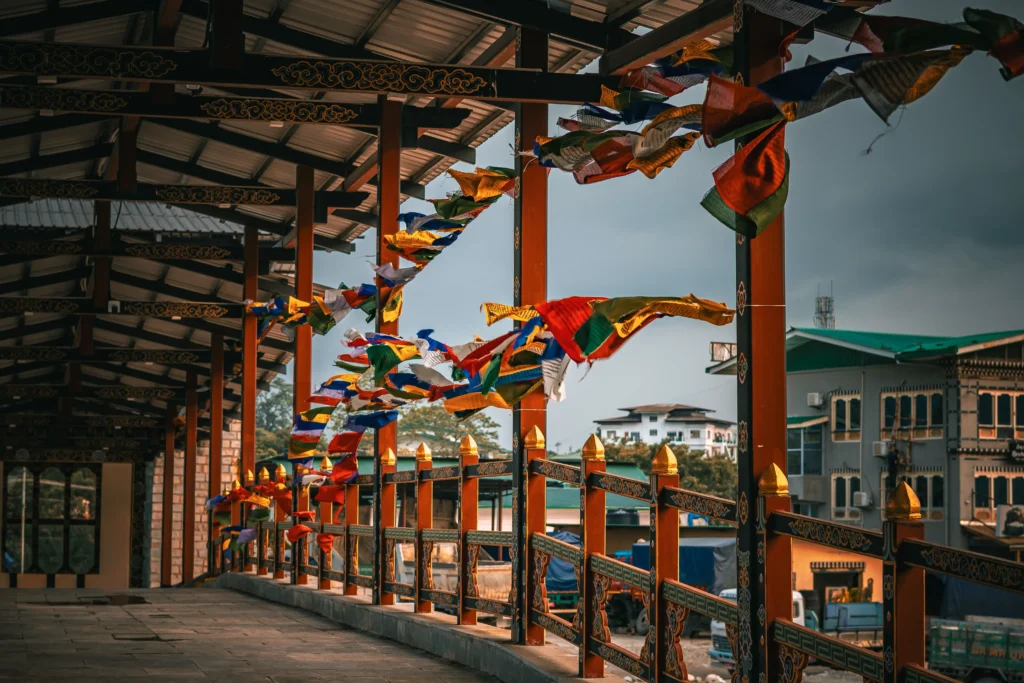
Bhutan is a kingdom that decided to measure its success in happiness. White dzongs hanging from the hillsides, monasteries where time seems to stand still, prayer flags that move with the Himalayan wind and a country that remains carbon negative. It is one of the most exclusive and carefully protected destinations in the world.
A custom trip to Bhutan is designed with care. The country regulates tourism with a daily fee, flights are scarce, the altitude asks for a prudent pace and festivals move the dates. Those who plan it well live a unique experience. Those who don’t overpay or miss the best.
This guide goes beyond the postcard. Besides the regions, the hotels and the activities, I tell you what almost nobody explains: what it really costs, what paperwork you need as a U.S. traveler, what is rude, what is illegal and why the Sustainable Development Fee changes everything.


Bhutan is a kingdom that decided to measure its success in happiness. White dzongs hanging from the hillsides, monasteries where time seems to stand still, prayer flags that move with the Himalayan wind and a country that remains carbon negative. It is one of the most exclusive and carefully protected destinations in the world.
A custom trip to Bhutan is designed with care. The country regulates tourism with a daily fee, flights are scarce, the altitude asks for a prudent pace and festivals move the dates. Those who plan it well live a unique experience. Those who don’t overpay or miss the best.

This guide goes beyond the postcard. Besides the regions, the hotels and the activities, I tell you what almost nobody explains: what it really costs, what paperwork you need as a U.S. traveler, what is rude, what is illegal and why the Sustainable Development Fee changes everything.
Why Bhutan Is Unlike Any Other Destination
Bhutan is one of the few places in the world where you can:
- Hike to the Tiger’s Nest Monastery, clinging 900 meters above the Paro valley.
- Attend a tsechu, a festival of masks and sacred dances, among monks and families in their finest clothes.
- Sleep in luxury lodges with views of the Himalayas and hot-stone spas.
- Visit a country with forests covering more than 70% of its territory and a philosophy of Gross National Happiness.
What makes it unique is the intention. Tourism is high-value and low-volume, with trained guides and a country that takes care of what it has. Buddhist spirituality is in daily life, in the clothing, in the architecture and at the table.
It is also a destination with its own rules. There is a daily fee, guides are required and flights are limited. That is why below you will find sections on budget, etiquette, laws, customs and visa.

Be a traveler. Not a Tourist.
Ready to design your next adventure?
Best Time to Visit Bhutan

Bhutan has four distinct seasons. The best time depends on what you want to see, and on the festivals.
| Season | Months | The best | Keep in mind |
|---|---|---|---|
| Spring | March to May | Rhododendrons in bloom, clear skies and the famous Paro tsechu, usually in March or April. | It is high season. Flights and hotels are booked months ahead. |
| Summer | June to August | Very green landscapes, fewer visitors and high-altitude flowers. | Monsoon, with heavy rain, leeches and clouds that hide the mountains. |
| Fall | September to November | Clear skies, extraordinary Himalayan views and festivals such as the Thimphu tsechu. It is the best time for trekking. | It is high season. Hotels and flights sell out. |
| Winter | December to February | Clear skies, fewer visitors and good rates. A very good time for the lower valleys and for seeing black-necked cranes in Phobjikha. | It is very cold at altitude and there is snow on the passes. |
If you want Himalayan views and festivals, travel in March and April or from October to November. If you prefer to avoid crowds and focus on culture, winter offers a quieter version.


Real Budget: How Much Does a Trip to Bhutan Cost?
I’ll be straight with you: Bhutan is a high-value destination by design. The country charges a Sustainable Development Fee per person per night, and that fee changes the whole calculation. These figures are market estimates from November 2026, per person and in U.S. dollars.
Flights from the U.S.
There are no nonstop flights from the U.S. to Bhutan. The usual route is a connection in Asia or the Middle East, with a stop in Bangkok, Delhi, Kathmandu or Singapore and then a flight to Paro on Drukair or Bhutan Airlines. The ticket typically costs about $1,500 to $2,800 per person in economy, depending on your departure city and the season. Flights are few and are booked months ahead.
Lodging per Night
| Level | Per person per night | What to expect |
|---|---|---|
| Essential | $80 to $160 | Hotels and guesthouses with good service, often with breakfast included. |
| Intermediate | $160 to $400 | Boutique hotels and lodges with views and good cuisine. |
| Premium | $400 to $1,000 | Design lodges with spa, guides and personalized service. |
| Ultra-luxury | $1,000 to $2,500 or more | The most exclusive properties, with private service and custom experiences. |
Nightly rates do not include the Sustainable Development Fee, which is added on top. Meals, excursions and transfers are usually added depending on the package. In high season, prices rise considerably.
The Sustainable Development Fee (SDF)
Bhutan charges a Sustainable Development Fee of $100 per adult per night, in effect at its reduced rate until August 31, 2027. After that it is expected to return to $200. Children aged 6 to 12 pay half and children under 6 do not pay. This fee is included in the figures below for trips within that date, and it funds education, health and conservation.
Estimated Total Budget (per person, 9 to 10 days, with Paro, Thimphu, Punakha and Phobjikha)
| Level | Estimated total, with flights from the U.S. | What the trip looks like |
|---|---|---|
| Essential | $5,500 to $8,400 | Quality hotels, a private guide, a driver and all the main dzongs. |
| Intermediate | $7,200 to $11,600 | Boutique lodges, hikes, a festival or a cultural experience and a private guide. |
| Premium | From $12,200, and over $22,000 at the very top | Luxury lodges, spas, a helicopter when it makes sense and custom experiences. |
These ranges include flights, lodging, the Sustainable Development Fee, transfers, a guide and the main activities. They include the design and full management of the trip: bookings, transfers, guides and support. They do not include all meals, tips, personal shopping or travel insurance. The nightly rates are market reference rates. The investment is protected by designing the trip well: I help you decide where it is worth spending and where not.
Where to Stay in Bhutan
In Bhutan, lodging is part of the experience. The usual approach is to combine lodges and hotels in different valleys, each with its own style.
Paro
Hotels and lodges with views of the valley and the Tiger’s Nest. It is the gateway to the country, and an ideal place to rest after the flight.

Thimphu
The capital, with no traffic lights, has boutique hotels, craft markets and good food. One night lets you get to know its monasteries.
Punakha
Riverside lodges near the most beautiful dzong in the country. It is a warm, fertile valley, ideal for a quiet experience.
Phobjikha
Mountain lodges in a glacial valley where black-necked cranes spend the winter, with short hikes and cold nights.
Bumthang
Quiet hotels in the spiritual heart of the country, with monasteries and festivals. You arrive by road or on a domestic flight.
What to Expect on Your Trip Through Bhutan
Language. Dzongkha is spoken, and English is taught in schools, so it is understood very well. A few words open smiles: kuzuzangpo la (hello) and kadrinche (thank you).
Currency and cash. The currency is the ngultrum (BTN), pegged to the Indian rupee. Cards are accepted at large hotels. Carry cash in dollars to exchange, and ngultrums for markets, tips and excursions.
Getting there. There are no nonstop flights from the U.S. Total travel time usually exceeds 24 hours, with connections. Bhutan is 10 to 11 hours ahead of the U.S. East Coast, depending on the season.
Transportation. Between valleys you travel with a private driver on mountain roads, slow and winding. Paro airport is one of the most difficult in the world, and flights depend on the weather.
Connectivity and adapters. Outlets are types D, F and G, at 230 V. Bring a universal adapter. Coverage is good in cities and limited in the mountains.

Weather and clothing. Travel in layers. It is cool at altitude and cold at night. Bring comfortable clothing, a down jacket, hiking boots, a rain jacket, a hat and sunscreen. For dzongs and monasteries, clothing that covers shoulders and knees.
Health. Altitude can cause altitude sickness above 8,200 feet (2,500 meters). Paro is at about 7,200 feet (2,200 meters) and the passes exceed 9,800 feet (3,000 meters). Ascend slowly, drink water and talk to your doctor. Drink bottled water and be careful with what you eat. Get travel insurance with medical and evacuation coverage.
Safety. Bhutan is one of the safest countries in the world for tourism. Mountain roads are the main risk, which is why you travel with an experienced driver.
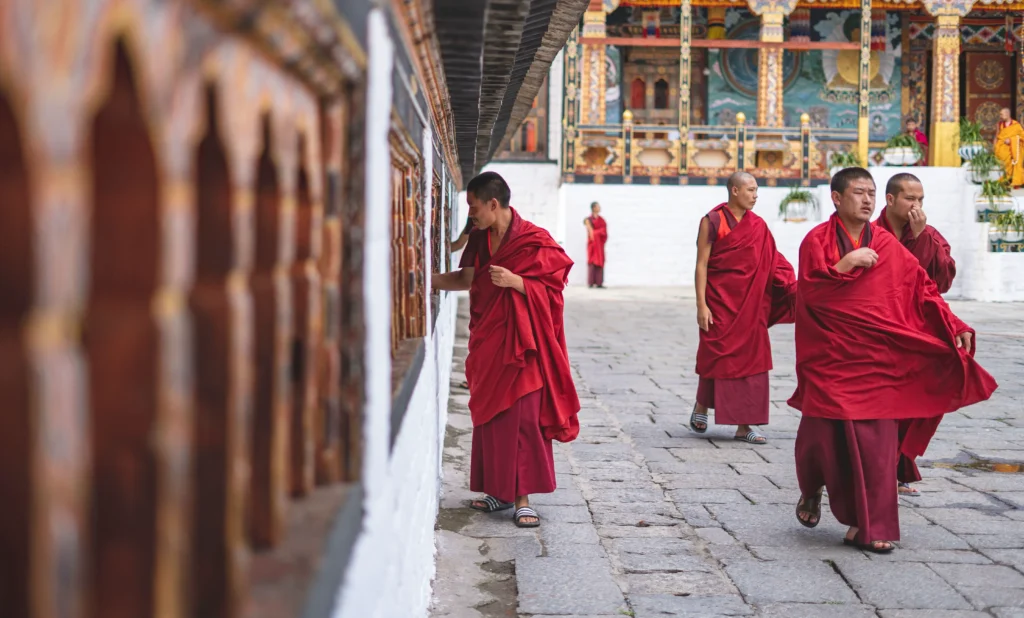
Culture. Bhutan is a Vajrayana Buddhist kingdom, with a respected monarchy and a strong identity. Men wear the gho and women the kira every day. Festivals called tsechu, with mask dances, are the heart of religious life.
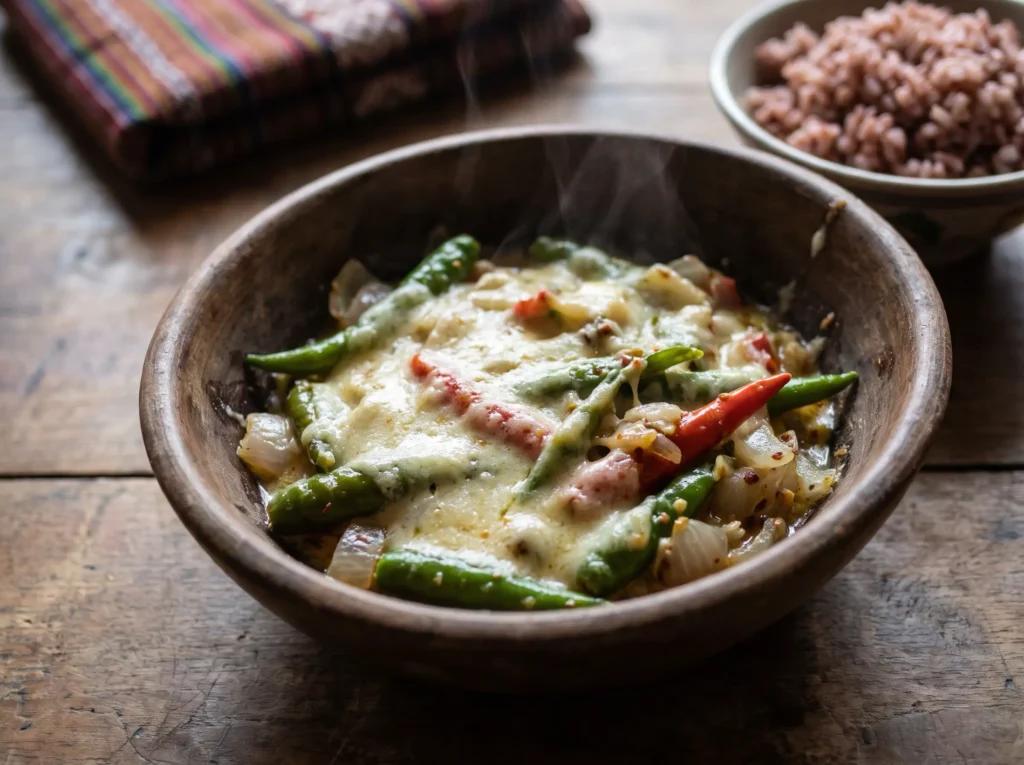
Food. Try ema datshi (chilies with cheese, the national dish), red rice, momos, phaksha paa (pork with chilies) and suja, butter tea. The food is spicy, and your guide can ask for it mild.
My basic guide for any trip
Bhutan: The Reality Behind the Magic
An exclusive country is explored at its own pace.
Flights to Paro are few and depend on the weather. Roads are slow and winding. At altitude there can be altitude sickness. Many hotels are simple, even the good ones, and the food is spicy. And tourism is regulated: you cannot improvise.
That is why I design the trip with buffer days, private guides, well-located hotels and a prudent acclimatization. I also recommend traveling in the best seasons for the views, and booking flights months ahead.
The key is realistic expectations, patience and a good guide.
Etiquette: Dos and Don'ts in Bhutan
Bhutanese are kind, calm and very attentive to respect. These customs help you travel respectfully and avoid misunderstandings.
| Topic | Avoid | Instead |
|---|---|---|
| Greetings | Shaking hands firmly or hugging strangers. | Greet with a slight bow and a "kuzuzangpo la". |
| Dzongs and temples | Entering with shoes on, a hat or short clothing. | Take off your shoes and hat, cover shoulders and knees and walk clockwise. |
| Photography | Photographing the interior of temples and dzongs, or people without permission. | Ask first. Inside temples it is not allowed. |
| Head and feet | Touching a person's head, or pointing with your feet. | Avoid contact with the head and sit with your feet to one side. |
| Pointing | Pointing with your index finger at people or sacred images. | Point with an open hand. |
| Sacred objects | Touching or stepping on mani walls, stupas or prayer flags. | Always walk around them on the left, clockwise. |
| Tipping | Tipping everyone as in other countries. | Tip the guide, the driver and the hotel staff separately, in ngultrums or dollars. Ask your operator for a reference. |
| Dress | Short, tight or sleeveless clothing at dzongs and temples. | Cover shoulders and knees. Wear neutral tones. |
At small hotels, the staff become familiar. Greeting someone by name and a sincere “kadrinche” are remembered more than any grand gesture.
Laws to Know Before Traveling to Bhutan
Not knowing the law is no defense in any country. These are the rules that surprise travelers most in Bhutan.
| Topic | What the rule says | Consequence |
|---|---|---|
| Drugs | Possession, use and trafficking are serious crimes. | Detention and prison sentences. Don't bring or take any. |
| Tobacco | Use in public places is prohibited, and imports have limits and duties. | Fines and confiscation. Check the current rules before traveling. |
| Drones | They require a permit and are banned at dzongs and sensitive areas. | Fines and confiscation. Don't bring them without a permit. |
| Photography | Photographing the interior of temples and dzongs, and government buildings, is prohibited. | Fines and confiscation of equipment. Ask first. |
| Antiquities | Taking out antique or religious objects requires a certificate. | Criminal charges. Buy only pieces with a receipt. |
| Wildlife | Hunting, fishing without a license or harming wildlife is prohibited. | Fines and criminal charges. |
| Plastic bags | Single-use plastic bags are restricted. | Fines. Bring a reusable bag. |
Customs: What You Can and Can't Bring Into Bhutan
Bhutan is relatively straightforward at customs, but it helps to have these rules clear before packing.
| Item | Rule | Notes |
|---|---|---|
| Cash | Large amounts of cash are declared when entering or leaving. | Check the current limit with your operator before traveling. |
| Medications | Allowed in original packaging with a doctor's letter. | Keep your prescriptions. |
| Drugs and narcotics | Banned. | They can lead to detention. |
| Tobacco | There are limits and duties on imports. | Check the current rules before traveling. |
| Antiquities and religious art | Taking objects out requires a certificate. | Buy only pieces with a receipt. |
| Professional equipment | Professional-use and film cameras may require a permit. | If you work with them, tell me beforehand. |
| Drones | They require a permit. | They can be confiscated at customs. |
Activities That Define the Bhutanese Experience (and Where to Eat Nearby)
In Bhutan, the table and spirituality go together: every region has its own flavors. That is why each activity comes with what is worth eating nearby.
Tiger's Nest Monastery
A hike of about five hours round trip, among pines and prayer flags, to a monastery clinging to a cliff. It is done with a guide and at a steady pace.
Where to eat nearby: lunch at the cafeteria halfway up, with butter tea.

Thimphu
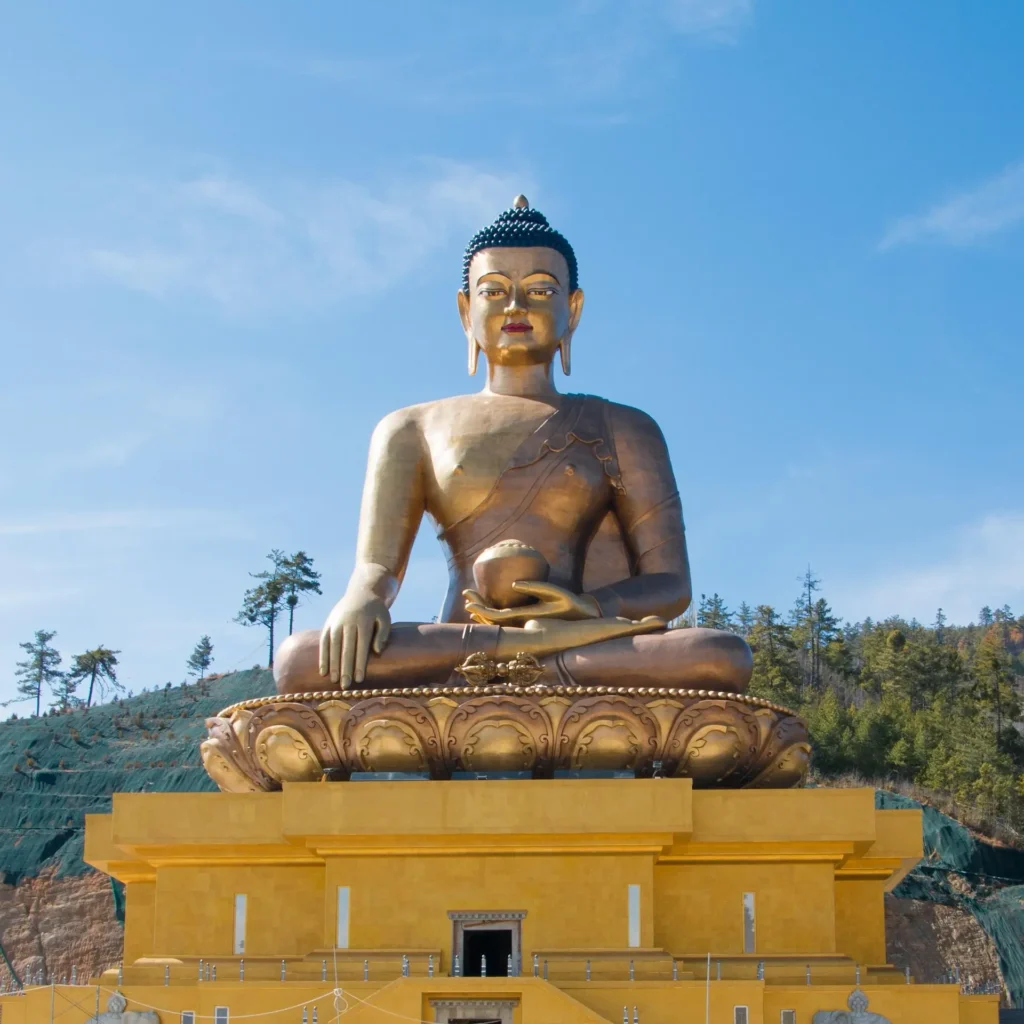
The capital, with the great Buddha Dordenma, the weekend market, the textile library and the school of traditional arts.
Where to eat nearby: ema datshi and red rice at a local restaurant.

Punakha Dzong
A white fortress at the confluence of two rivers, considered the most beautiful in the country. You cross a long suspension bridge to reach it.
Where to eat nearby: lunch by the river, with momos and vegetables.
Phobjikha Valley
A glacial valley where black-necked cranes spend the winter. It is explored on short hikes, with open views and a monastery.
Where to eat nearby: hot soup and buckwheat bread at a local farm.
Festival (tsechu)
Mask dances, colorful costumes and blessings. Dates change every year and it is best to book far in advance.
Where to eat nearby: shared food with local families at the festival.
Archery and Hot-Stone Spa
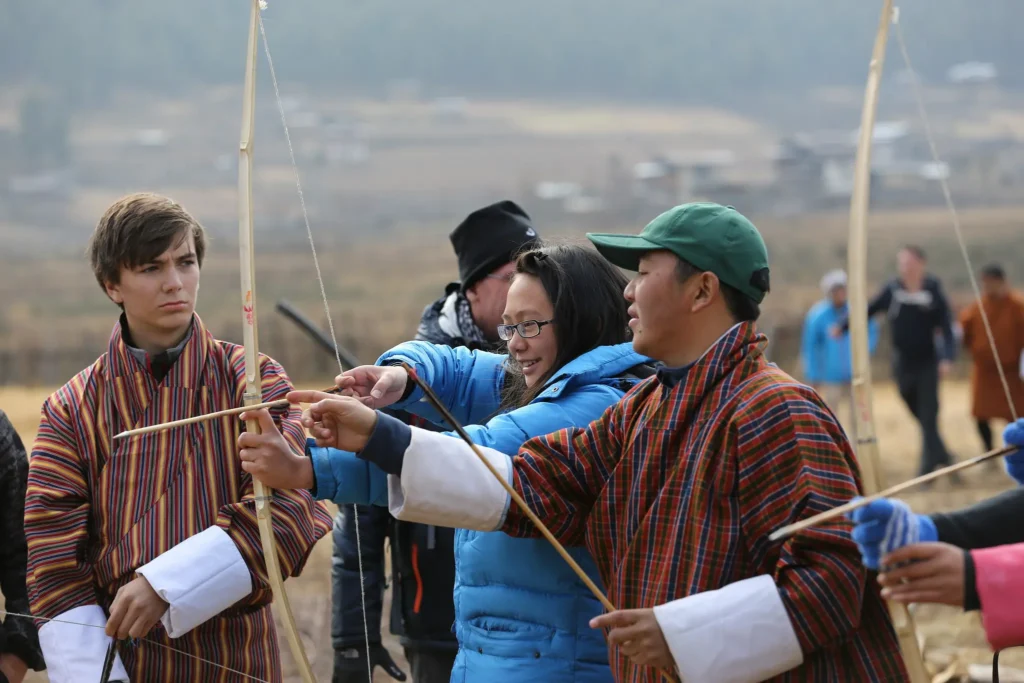
Archery is the national sport, and a hot-stone bath is the best finish after a hike.
Visa and Paperwork Before Your Trip to Bhutan
U.S. citizens need a visa for Bhutan, and it is processed through an authorized operator.
| Procedure | What to know | When |
|---|---|---|
| Tourist visa | It is processed online before traveling, through an authorized operator. It costs about $40, an approximate amount that can change, and takes about 5 business days. You will receive an electronic approval to present on arrival in Paro. | 6 to 8 weeks ahead |
| Sustainable Development Fee (SDF) | It is $100 per adult per night until August 31, 2027. Children aged 6 to 12 pay half. It is paid when processing the visa. | When booking |
| Passport | It should be valid for at least 6 months from your arrival and have blank pages. | Before buying the ticket |
| Flights | Only Drukair and Bhutan Airlines fly to Paro. Flights are booked months ahead. | 4 to 6 months ahead |
| Altitude | Above 8,200 feet (2,500 meters) there is a risk of altitude sickness. Ask your doctor and plan acclimatization. | 4 to 6 weeks ahead |
| Guide | An authorized guide is recommended throughout the trip, and is included in the itinerary. | Included |
| Minors | Each child needs their own passport and, if traveling with only one parent or with third parties, a notarized consent letter. | Before traveling |
| Travel insurance | Get one with international medical and evacuation coverage. | Before traveling |
How to Get Your Entry Step by Step
- Confirm the dates and the itinerary with your advisor.
- Book the flights to Paro, which are few, as far in advance as possible.
- Provide your passport, a recent photo and your dates to process the visa.
- Pay the Sustainable Development Fee and the visa.
- Receive the electronic approval and carry a printed copy.
- Talk to your doctor about altitude and vaccines.
Immigration rules can change at short notice. That is why I prepare each procedure with my clients and review the conditions close to the travel date.
Beyond the Postcard: Reads That Reveal the Soul of Bhutan
Before your feet touch its soil, let your mind travel. Here are my literary recommendations so you can soak up the essence of Bhutan and experience every corner from another perspective.

Frequently asked questions about traveling to Bhutan
Do I need a visa to travel to Bhutan from the U.S.?
Yes. U.S. citizens need a visa, which costs about $40 and is processed online through an authorized operator. It takes about 5 business days. Your passport should be valid for at least 6 months.
What is Bhutan's Sustainable Development Fee?
It is a per-person, per-night fee that funds education, health and conservation. It is $100 per adult until August 31, 2027, half for children aged 6 to 12, and free for children under 6.
What is the best time to travel to Bhutan?
From March to May and from October to November. These are the seasons with the best views and festivals. Winter is quiet, and the monsoon, from June to September, brings rain.
How many days do I need for a trip to Bhutan?
Between 8 and 10 days lets you see Paro, Thimphu, Punakha and Phobjikha. To add Bumthang and long hikes, you need 12 to 14 days.
Can you travel to Bhutan on your own?
Tourism is regulated, and it is arranged through an authorized operator. With a good operator, the trip is custom: you choose the pace, the hotels and the experiences.
Is it safe to travel to Bhutan?
Yes. It is one of the safest countries in the world for tourism. The main risks are the mountain roads and the altitude, which are managed with an experienced driver and prudent acclimatization.
Do you tip in Bhutan?
Yes. You tip the guide, the driver and the hotel staff separately, in ngultrums or dollars. Amounts vary by service, and your operator will give you a reference.
Can I combine Bhutan with other destinations?
Yes. Bhutan combines very well with Nepal, India, Thailand or the Maldives. Check the requirements of each destination.
How much does a trip to Bhutan cost?
It depends on the level and the activities. As a reference, a 9 to 10 day trip with flights from the U.S. costs $5,500 to $8,400 per person at an essential level, $7,200 to $11,600 at an intermediate one and from $12,200 at a premium one, with the Sustainable Development Fee and trip management included. These are estimates from November 2026.
Let's Design Your Trip to Bhutan Together
Bhutan is enjoyed far more when the valleys, the flights, the hotels and the guides are planned as a single trip. Tell me what you are looking for, whether culture, hiking or a festival, and we will design it around you.
Combine Bhutan With Other Destinations
If you are traveling as a couple, discover my honeymoon trips. If you prefer to share the experience, explore the group trips.

Ari Garduno
Passionate traveler of the authentic, the unexpected and what leaves a mark.


Leave a comment