



Some countries are traveled with your eyes turned upward. In Namibia, the tallest dunes in the world glow red at sunrise, the Milky Way sinks to the horizon and, suddenly, a desert elephant crosses a dry riverbed as if the landscape belonged to it.
That is why a custom trip to Namibia is designed with calm. Distances are enormous, roads are gravel and each region has its own season. Those who arrive prepared combine desert, coast and wildlife without spending their days behind the wheel. Those who don’t end up with an impossible schedule.
This guide goes beyond the postcard. Besides the regions, the lodging and the activities, I tell you what almost nobody explains: what it really costs, what paperwork you need as a U.S. traveler, what is rude, what is illegal and what you can and can’t bring.


Some countries are traveled with your eyes turned upward. In Namibia, the tallest dunes in the world glow red at sunrise, the Milky Way sinks to the horizon and, suddenly, a desert elephant crosses a dry riverbed as if the landscape belonged to it.
That is why a custom trip to Namibia is designed with calm. Distances are enormous, roads are gravel and each region has its own season. Those who arrive prepared combine desert, coast and wildlife without spending their days behind the wheel. Those who don’t end up with an impossible schedule.

This guide goes beyond the postcard. Besides the regions, the lodging and the activities, I tell you what almost nobody explains: what it really costs, what paperwork you need as a U.S. traveler, what is rude, what is illegal and what you can and can’t bring.
Why Namibia Is Unlike Any Other Destination
Namibia is one of the few places in the world where you can:
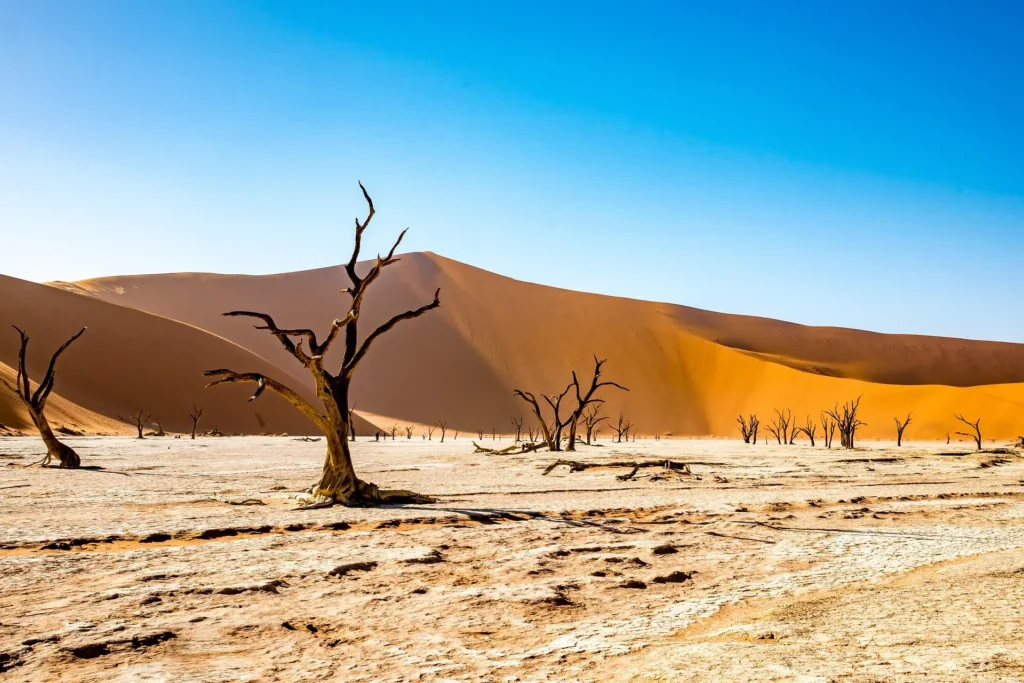
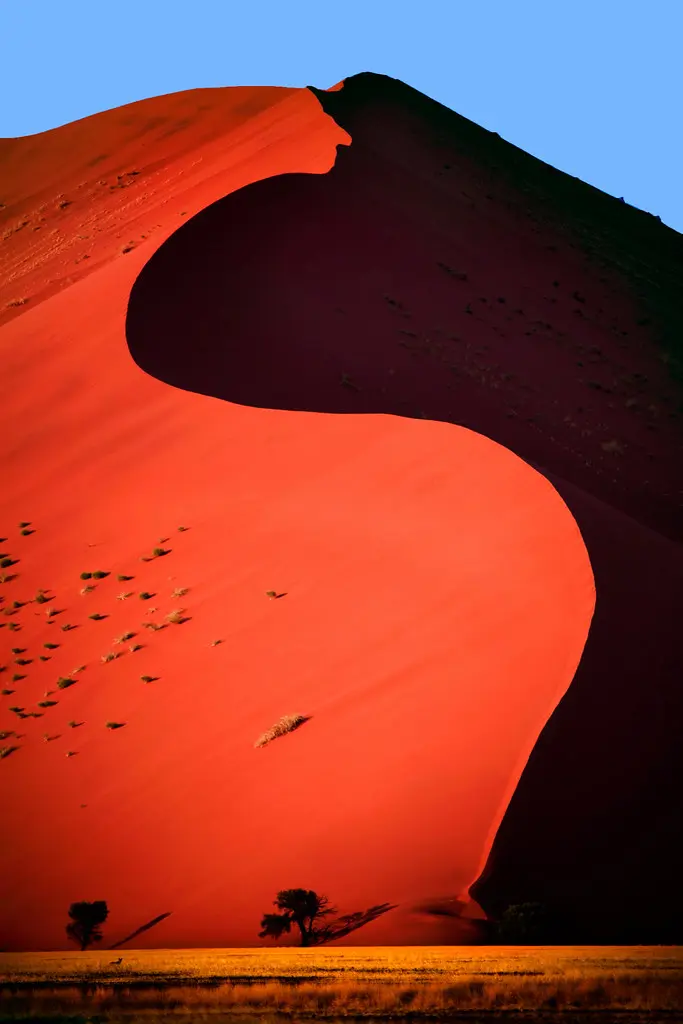
- Climb a dune of over 980 feet (300 m) in Sossusvlei at sunrise, with the oldest desert on the planet at your feet.
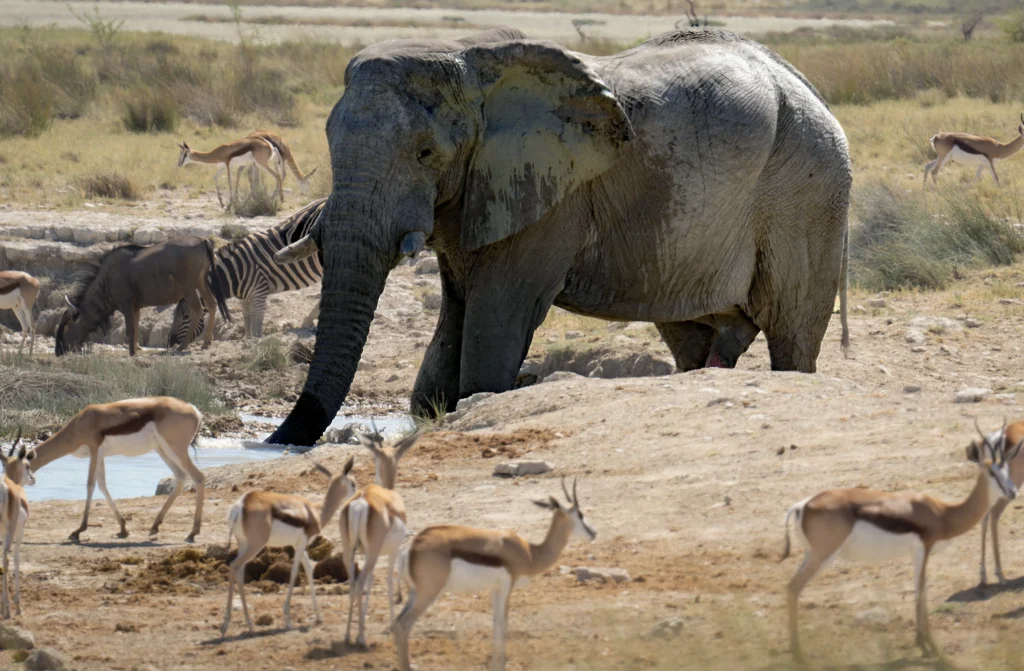
- See rhinos, lions and elephants beside a floodlit waterhole at night in Etosha.
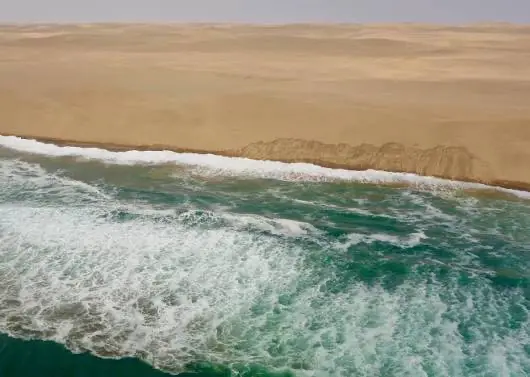
- Travel the Skeleton Coast, where the desert meets the Atlantic.
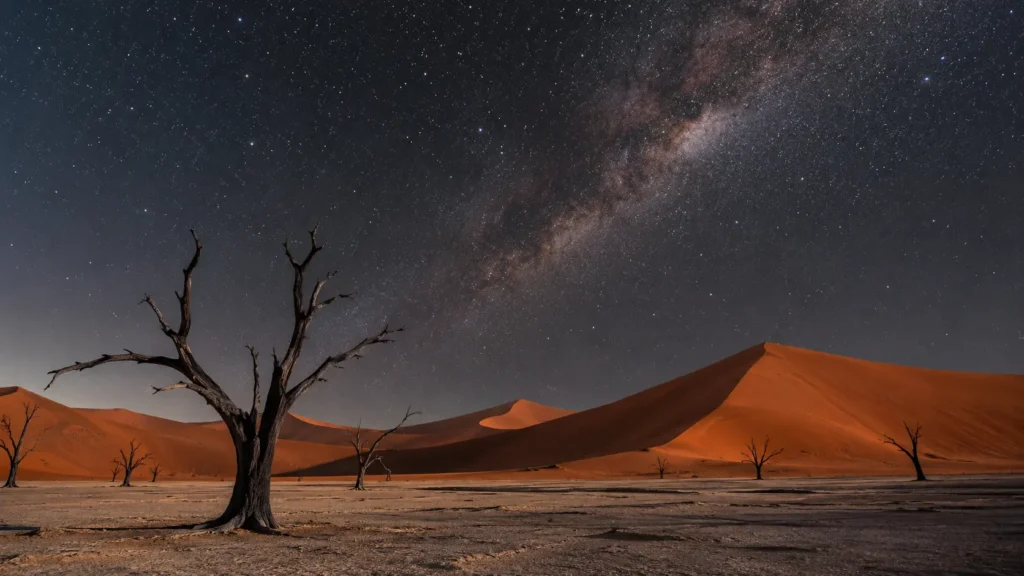
- Sleep in a camp with no artificial light and see the most starry sky of your life.
What makes it unique is the emptiness. It is one of the least populated countries in the world and the landscapes look like another planet. It also has a complex history, with German heritage in cities like Swakopmund and with peoples like the Himba and the Herero who keep their traditions.
It is a destination you enjoy far more with good logistics. There are long distances and rules worth knowing. That is why below you will find sections on budget, etiquette, laws, customs and visa.
Be a traveler. Not a Tourist.
Ready to design your next adventure?
Best Time to Visit Namibia

Namibia’s seasons are those of the Southern Hemisphere, the opposite of the U.S. The best time depends on what you want to experience, and my recommendation is not to pick the date before defining your priorities.
| Season | Months | The best | Keep in mind |
|---|---|---|---|
| Dry winter | May to September | The best safari season in Etosha: animals gather at the waterholes. Sunny days and cold nights, ideal for the desert. | Nights and early mornings are very cold. It is high season and it pays to book ahead. |
| End of the dry season | October and November | Lots of wildlife at the waterholes and fewer visitors. Rates start to drop. | Intense heat in the desert and in Etosha. |
| Rainy summer | December to March | Green landscapes, migratory birds and young animals in Etosha. Lower rates. | Strong heat, rain and more difficulty spotting animals among the vegetation. There is malaria risk in the north. |
| Fall | April and May | Mild days, landscapes still green and few travelers. | The rains end and some waterholes are still full, which scatters the animals. |
If safari is the priority, May to October is the best window. If you are after dunes and photography, April to October works very well. When I combine Namibia with other destinations, I design the order according to the weather in each region.


Real Budget: How Much Does a Trip to Namibia Cost?
I’ll be straight with you: Namibia is more accessible than Botswana or Tanzania, but the distances add up. Internal flights or a private driver weigh on the budget. These figures are market estimates from November 2026, per person and in U.S. dollars.
Flights from the U.S.
There are no nonstop flights from the U.S. to Namibia. The usual route is a connection in Europe or Johannesburg to Windhoek. The ticket typically costs about $1,800 to $2,800 per person in economy, depending on your departure city and the season. If you combine with internal flights, it is best to include them from the start.
Lodging per Night
| Level | Per person per night | What to expect |
|---|---|---|
| Essential | $120 to $250 | Comfortable lodges and camps, with breakfast and dinner. |
| Intermediate | $250 to $500 | Carefully designed lodges, views of the dunes or a waterhole and activities included. |
| Premium | $500 to $1,000 | Signature cuisine, villas and very strong guides. |
| Ultra-luxury | $1,000 to $2,500 or more | Exclusive camps in the desert and on the Skeleton Coast, with flights included. |
Rates normally include lodging and meals. Activities, flights over the desert and transfers are added on top. From May to October prices go up, and on the Skeleton Coast and in Kaokoland access is costly because it requires a bush plane or a special vehicle.
Estimated Total Budget (per person, 10 to 12 days)
| Level | Estimated total, with flights from the U.S. | What the trip looks like |
|---|---|---|
| Essential | $5,300 to $7,900 | Windhoek, Sossusvlei, Swakopmund and Etosha in comfortable lodges, with a driver or a car. |
| Intermediate | $8,300 to $12,100 | Design lodges, Damaraland, guided activities and a flight over the desert. |
| Premium | From $13,700, and over $24,000 at the very top | Exclusive camps, a private bush plane and the Skeleton Coast. |
These ranges include flights, lodging, meals, transfers and the main activities. They include the design and full management of the trip: bookings, transfers, guides and support. They do not include tips, personal shopping or travel insurance. The nightly rates are market reference rates. The investment is protected by designing the trip well: I help you decide where it is worth spending and where not.
Where to Stay in Namibia
In Namibia, lodging is part of the landscape. The usual approach is to combine desert lodges, a coastal city and a lodge by a waterhole.
Sossusvlei and the Namib Desert
There are lodges and camps inside private reserves, with views of the dunes and skies with no artificial light. Sleeping near the park entrance lets you reach the dunes before the sun comes up.
Etosha
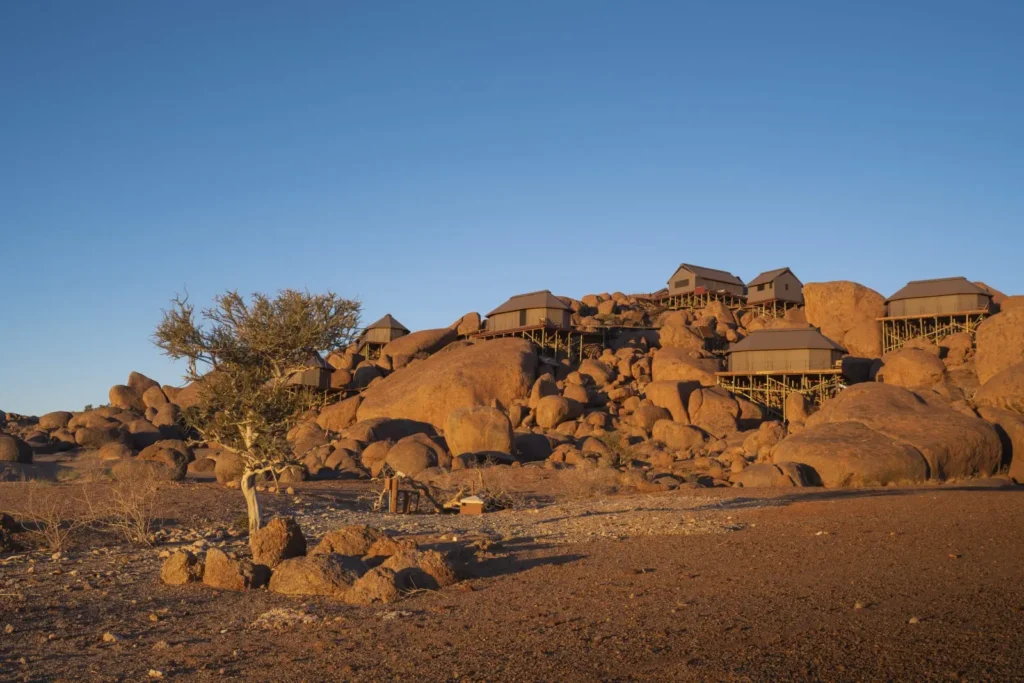
Lodges with their own waterhole let you see animals without leaving camp. Those inside the park offer closeness, and those outside, more privacy and better cooking.
Swakopmund and the Coast
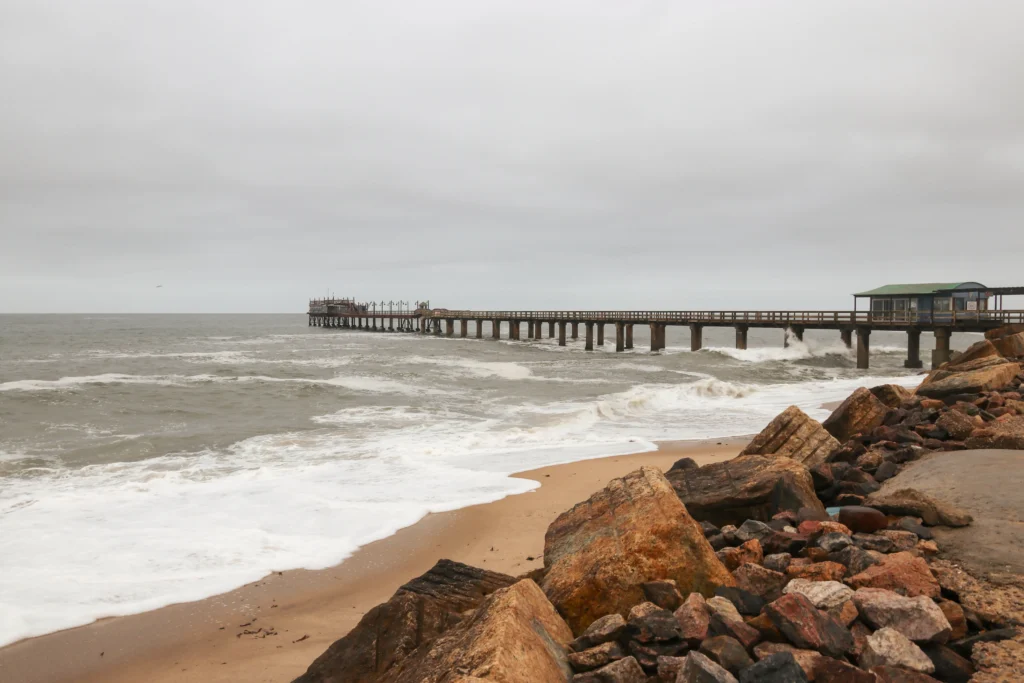
A city of German heritage, with architecture, bakeries and adventure activities. It is the base for the seals at Cape Cross and walks on the dunes.
Damaraland and Skeleton Coast
These are remote areas, with small camps and desert elephants and rhinos. It is the most special part and also the most costly.
What to Expect on Your Trip Through Namibia
Language. English is the official language and is widely understood in tourism. Afrikaans, German and languages such as Oshiwambo and Herero are also spoken.
Currency and cash. The currency is the Namibian dollar (NAD), which is worth the same as the South African rand, and the rand is also accepted. Visa and Mastercard cards are accepted at hotels and lodges, and ATMs only work well in cities. Bring cash for tips and for gas stations in remote areas.
Getting there. There are no nonstop flights from the U.S. Total travel time usually exceeds 24 hours. Namibia is 7 to 10 hours ahead of the U.S., depending on the coast and the season.
Transportation. You drive on the left. Gravel roads are long and demanding, and in the desert there are almost no gas stations. If you don’t have experience, I recommend a private driver or internal bush-plane flights.
Connectivity and adapters. Outlets are type D, M and N, at 230 V and 50 Hz. Bring a universal adapter. Signal is scarce outside the cities.
Weather and clothing. Travel in layers. Nights and early mornings in the desert are very cold, even in summer. Bring comfortable clothing, a hat, sunscreen, sunglasses and closed shoes for the dunes.
Health. Malaria risk is limited to the north (eastern Etosha, Kavango and Caprivi), especially from November to June. The desert and the coast have no malaria. Talk to your doctor or a travel clinic. Get insurance with medical and evacuation coverage.
Safety. Namibia is a safe and calm destination. In Windhoek and Swakopmund it is wise to keep your valuables secure, not walk at night in unfamiliar areas and not leave anything visible in the car.
Culture. Namibia became independent in 1990 and is a nation of contrasts. The Himba, semi-nomadic herders of the north, the Herero, with their Victorian-style dresses, and the San keep their own traditions. There is also German heritage, visible in the architecture and the food. The colonial history, including the genocide of 1904 to 1908, is a sensitive subject.
Food. Try biltong and game meat (oryx, kudu), kapana (grilled meat at markets), German bread and cakes, Walvis Bay oysters and Windhoek beer.
My basic guide for any trip
Namibia: The Reality Behind the Magic
Namibia is not traveled in a hurry. It is paced.
A map deceives. Between Sossusvlei, Swakopmund and Etosha there are five-, six- or seven-hour days on gravel roads. If the itinerary is too short, the trip becomes a road race, and the desert, which is enjoyed still, falls into the background. That is why I design routes with few stops and good logistics, and I combine driver and bush plane when it makes sense.
The wildlife is wild, too. In Etosha, in the dry season, the waterholes put on a very reliable show. In Damaraland and the Skeleton Coast, desert elephants and rhinos are found with trackers and patience. Sunrise on the dunes depends on the weather, and coastal fog can cover an entire day.
The key is realistic expectations, preparation, patience and a good guide.
Etiquette: Dos and Don'ts in Namibia
Namibians are kind, reserved and direct. These customs help you travel respectfully and avoid misunderstandings.
| Topic | Avoid | Instead |
|---|---|---|
| Greetings | Jumping into a conversation without greeting. | Always greet with a handshake and a simple question. It is part of courtesy. |
| Tipping | Leaving without a tip or giving everyone the same amount. | At restaurants, 10% is common. At lodges, tip the guide separately and leave a common box for the staff. |
| Photography | Photographing people, especially the Himba, without permission. | Ask first. They often ask for a small payment. |
| Communities | Rushed visits or visits without a guide. | Visit communities with a local guide and respect their rules. |
| Desert | Leaving the roads or going beyond the tracks. | Stay on marked routes. The desert takes decades to recover. |
| Safari | Speaking loudly, standing up in the vehicle or approaching an animal. | Follow the instructions and keep quiet. |
| Dress | Very flashy clothing on safari. | Wear neutral tones. |
| Pace | Expecting the strict punctuality of other countries. | Arrive on time, with patience. |
At the lodges, the staff are like a small family. Greeting someone by name and a sincere “thank you” are remembered more than any grand gesture.
Laws to Know Before Traveling to Namibia
Not knowing the law is no defense in any country. These are the rules that surprise travelers most in Namibia.
| Topic | What the rule says | Consequence |
|---|---|---|
| Drugs | Possession, use and trafficking, including cannabis, are crimes for visitors. | Detention and prison sentences. Don't bring or take any. |
| Drinking and driving | You drive on the left and the alcohol limit is low. | Fines and detention. If you drink, don't drive. |
| Off-road driving | Leaving the routes in the desert and in parks is prohibited. | Fines and serious environmental damage. |
| Wildlife | It is prohibited to get out of the vehicle in Etosha outside authorized areas, feed animals or approach them. | Fines, expulsion from the park and a real risk. |
| Park gates | Etosha's gates close at sunset and the hours change by season. | Fines if you arrive late to your camp inside the park. |
| Drones | They are banned in parks and usually require a permit. | Fines and confiscation. Ask first. |
| Wildlife products | Ivory, rhino horn and products from wild animals are protected. | Criminal charges. |
Customs: What You Can and Can't Bring Into Namibia
Namibia is straightforward at customs, but it helps to have these rules clear before packing.
| Item | Rule | Notes |
|---|---|---|
| Alcohol and tobacco | Allowances apply for people over 18, similar to those of South Africa. | Confirm quantities before buying at duty free. |
| Cash | Large amounts must be declared. | Confirm the threshold with your operator if you carry a significant sum. |
| Medications | Allowed for personal use, in original packaging and with a prescription or a doctor's letter. | Keep your prescriptions. |
| Drugs and narcotics | Banned. | They can lead to detention. |
| Meat, dairy and plants | The entry of animal and plant products is controlled. | If in doubt, declare them. |
| Weapons and ammunition | Banned without a special permit. | If you buy knives, they travel in checked luggage. |
| Wildlife products | Banned. | Includes souvenirs made from those materials. |
Activities That Define the Namibian Experience (and Where to Eat Nearby)
In Namibia, the table and the landscape go together: every region has its own flavors. That is why each activity comes with what is worth eating nearby.
Sossusvlei and Deadvlei
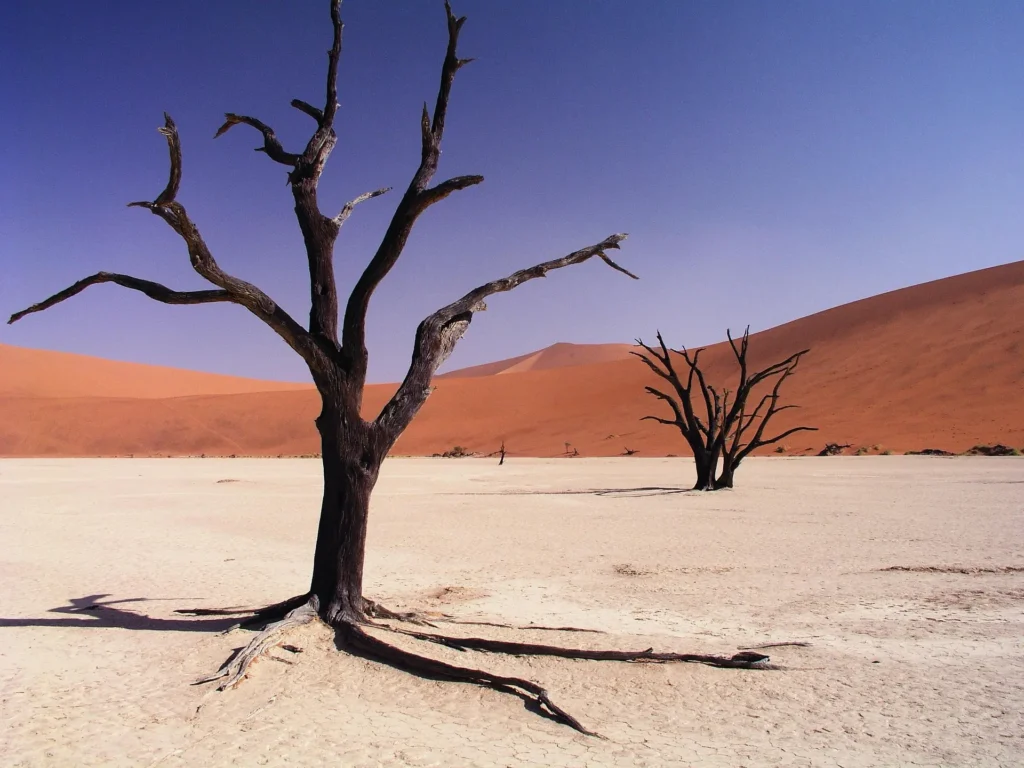
Climb Big Daddy dune or Dune 45 at sunrise, and walk among the dead trees of Deadvlei. Leave early: the heat rises fast and the gates open before the sun.
Where to eat nearby: a bush breakfast among the dunes and dinner at the lodge, with grilled game meats.
Etosha: Waterholes and Safari
Etosha is one of the most exciting parks in Africa for safari by self-drive or guided vehicle. In the dry season, the waterholes concentrate elephants, lions, giraffes and, with luck, rhinos. The floodlit waterholes at night are special.
Where to eat nearby: dinner at the park camp or at a nearby lodge, overlooking the waterhole.
Swakopmund and Walvis Bay
Adventure and the table mix here: sandboarding, quad rides, a cruise to see dolphins and seals, and fresh oysters. It is a stop with a different rhythm.
Where to eat nearby: Walvis Bay oysters, German-style breweries and bakeries with strudel.
Damaraland and Twyfelfontein
With World Heritage rock engravings, basalt formations and desert elephants, Damaraland is among the most photogenic areas of the country.
Skeleton Coast and Kaokoland
Coasts with shipwrecks, dunes and fog, and a respectful encounter with the Himba. You get there by bush plane or special vehicle, and it is the most remote part of the country.
Fish River Canyon and Lüderitz
The second largest canyon in the world and a coastal town of German heritage, with the ghost town of Kolmanskop. It is a long route, ideal for those who already know the north.
Caprivi and Okavango
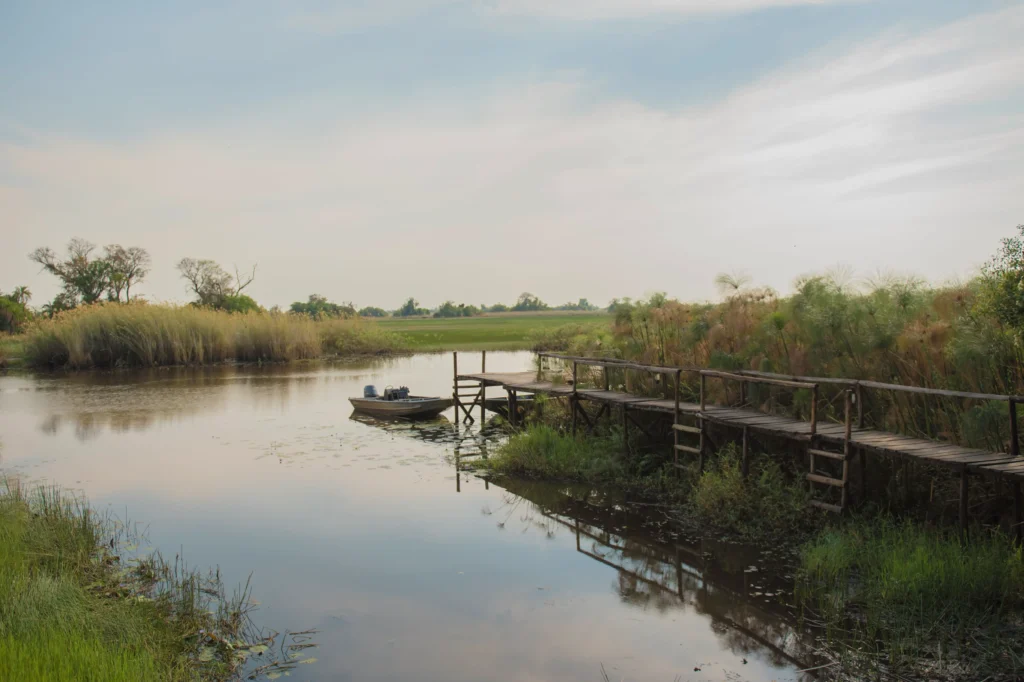
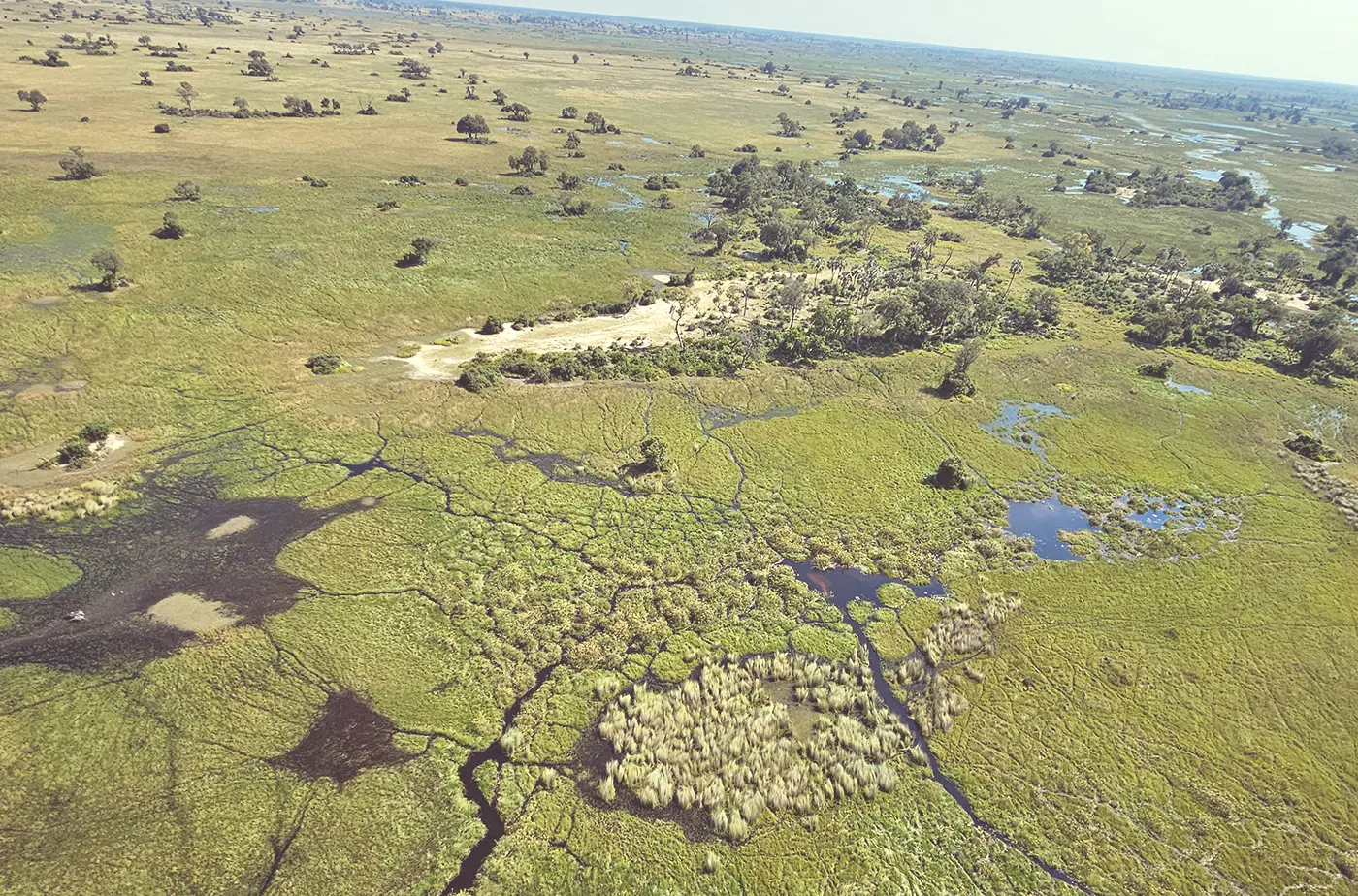
The green strip of the northeast has rivers, birds and elephants, and combines well with Victoria Falls and with Botswana.
Visa and Paperwork Before Your Trip to Namibia
U.S. citizens have needed a visa to enter Namibia since April 2025. It can be obtained on arrival or applied for online before traveling.
| Procedure | What to know | When |
|---|---|---|
| Tourist visa | It is obtained on arrival at the entry points or with an electronic visa applied for online. The fee is around N$1,600 per person, about $90, and is approximate; visa on arrival can add a service fee. Sources differ on the length of stay allowed (30 or 90 days), so confirm it with Namibian immigration before you travel. | Before the trip or on arrival |
| Passport | It should be valid for at least 6 months and have blank pages. | Before buying the ticket |
| Onward ticket | Airlines and immigration may ask for a return or onward ticket. | At boarding and on arrival |
| Yellow fever | The international certificate is required if you arrive from a risk country, or after a long transit in one. | Get vaccinated at least 10 days ahead |
| Malaria | There is a risk in the north, from November to June. Talk to your doctor. | 4 to 6 weeks ahead |
| Minors | Each child needs their own passport and, if traveling with only one parent or with third parties, a notarized consent letter. | Before traveling |
| Travel insurance | Get one with international medical and evacuation coverage. | Before traveling |
Namibia’s immigration rules changed in 2025 and may change again. That is why I prepare each procedure with my clients and review the visa status close to the travel date.
Beyond the Postcard: Reads That Reveal the Soul of Namibia
Before your feet touch its soil, let your mind travel. Here are my literary recommendations so you can soak up the essence of Namibia and experience every corner from another perspective.


Frequently asked questions about traveling to Namibia
Do I need a visa to travel to Namibia from the U.S.?
Yes. Since April 2025, U.S. citizens need a visa to enter Namibia, which is obtained on arrival or with an electronic visa applied for online, with an approximate fee of N$1,600 (about $90). Confirm the length of stay with Namibian immigration. Your passport should be valid for at least 6 months.
What is the best time to travel to Namibia?
From May to October, which is the dry season. Animals concentrate at the waterholes in Etosha and the days are sunny. Nights in the desert are very cold.
How many days do I need for a trip to Namibia?
Between 10 and 12 days lets you combine Sossusvlei, Swakopmund, Damaraland and Etosha with reasonable travel days. With less time, the trip becomes a road race.
Is it safe to travel to Namibia?
Yes. Namibia is a calm and safe destination. In Windhoek and Swakopmund it is wise to keep valuables secure, not walk at night and not leave anything visible in the car.
Can I drive on my own in Namibia?
Yes, but it is demanding. You drive on the left, gravel roads are long and there are few gas stations in the desert. If you don’t have experience, I recommend a private driver or internal flights.
Is there malaria in Namibia?
Only in the north, including eastern Etosha, Kavango and Caprivi, especially from November to June. The desert and the coast have no malaria. Talk to your doctor about prophylaxis.
What can't I bring to Namibia?
You can’t bring drugs, weapons or wildlife products. Medications must be in their original packaging, with a prescription, and animal and plant products are controlled.
Can I combine Namibia with other destinations in Africa?
Yes. Namibia combines very well with Botswana, with Victoria Falls in Zimbabwe or Zambia and with South Africa. If you pass through a yellow-fever-risk country, bring your certificate.
How much does a trip to Namibia cost?
As a reference, a 10 to 12 day trip with flights from the U.S. costs $5,300 to $7,900 per person at an essential level, $8,300 to $12,100 at an intermediate one and from $13,700 at a premium one, with trip design and management included. These are estimates from November 2026.
Let's Design Your Trip to Namibia Together
Namibia is enjoyed far more when the dunes, Etosha, the coast and the transfers are planned as a single trip. Tell me what you are looking for, whether the desert, the wildlife, the photography or the adventure, and we will design it around you.
Combine Namibia With Other Destinations in Africa
- Botswana: the Okavango Delta and exclusive safaris.
- Zimbabwe: Victoria Falls and Hwange.
- Zambia: walking safaris and Victoria Falls.
- Mozambique: beaches and islands in the Indian Ocean.
- Tanzania: the Serengeti and Ngorongoro Crater.
- Madagascar: lemurs and unique landscapes.
If you are traveling as a couple, discover my honeymoon trips. If you prefer to share the experience, explore the group trips.

Ari Garduno
Passionate traveler of the authentic, the unexpected and what leaves a mark.


Deja un comentario