



Some islands are visited for their beaches and others are remembered for their people. Mauritius does both: turquoise lagoons, green mountains, waterfalls, seven-colored earth and a blend of Indian, African, Chinese and European cultures you can taste in every dish.
A custom luxury trip to Mauritius is designed with care. The island is small, but each coast has its own weather, wind and character. Those who plan it well combine rest, adventure and culture. Those who don’t end up at a hotel on the wrong side of the island for their dates.
This guide goes beyond the postcard. Besides the coasts, the hotels and the activities, I tell you what almost nobody explains: what it really costs, what paperwork you need as a U.S. traveler, what is rude, what is illegal and what you can bring.


Some islands are visited for their beaches and others are remembered for their people. Mauritius does both: turquoise lagoons, green mountains, waterfalls, seven-colored earth and a blend of Indian, African, Chinese and European cultures you can taste in every dish.
A custom luxury trip to Mauritius is designed with care. The island is small, but each coast has its own weather, wind and character. Those who plan it well combine rest, adventure and culture. Those who don’t end up at a hotel on the wrong side of the island for their dates.

This guide goes beyond the postcard. Besides the coasts, the hotels and the activities, I tell you what almost nobody explains: what it really costs, what paperwork you need as a U.S. traveler, what is rude, what is illegal and what you can bring.
Why Mauritius Is Unlike Any Other Destination
Mauritius is one of the few places in the world where you can:
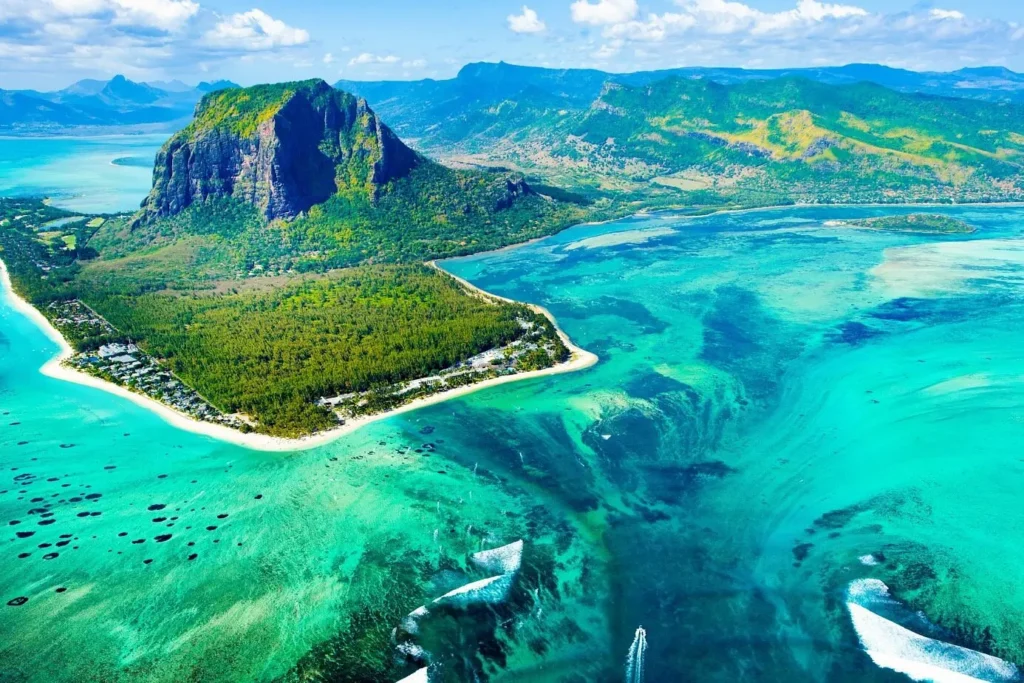
- See the illusion of an underwater waterfall from the air, off the Le Morne peninsula.
- Walk the dunes of the Seven Colored Earths in Chamarel.
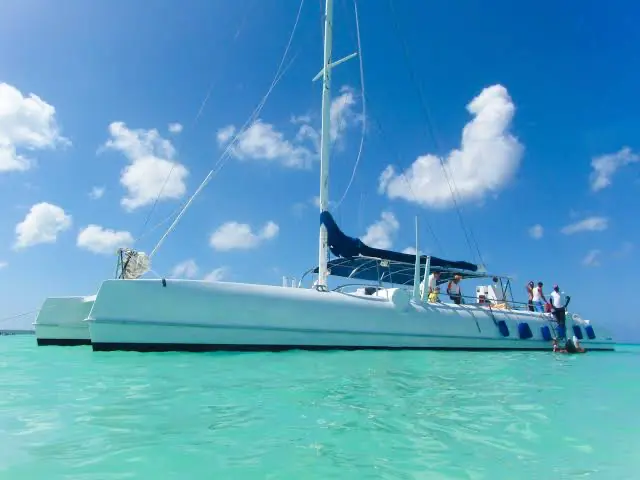
- Sail by catamaran to white-sand islets such as Île aux Cerfs.
- Taste a Creole curry, an Indian dholl puri and grilled fish by the sea, all on the same day.
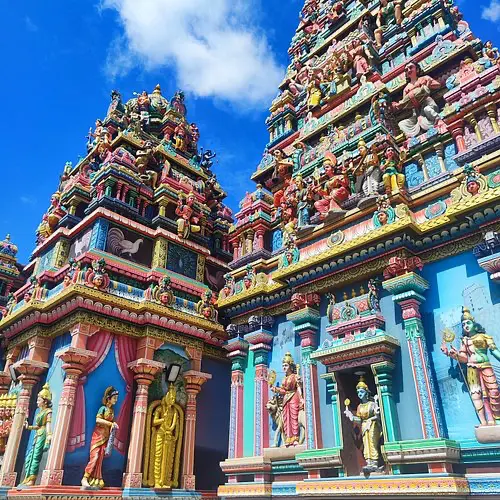
What makes it unique is the blend. Mauritius is a multicultural country where Hindu temples, churches, mosques and pagodas sit side by side, and where people speak Creole, French and English. It is also a very safe island, with first-class hotels and warm service.
It is a destination you enjoy far more with good logistics. Each coast has its season, and the hotels, transfers and rules are worth choosing with care. That is why below you will find sections on budget, etiquette, laws, customs and entry requirements.
Be a traveler. Not a Tourist.
Ready to design your next adventure?
Best Time to Visit Mauritius

Mauritius has a tropical climate all year, with a cool, dry season and a warm, rainy one. The best time depends on what you are looking for, and my advice is to choose it according to the wind, the sea and the activities you want.
| Season | Months | The best | Keep in mind |
|---|---|---|---|
| Cool and dry | May to October | Pleasant temperatures, little rain and lots of sun. It is the best time for outdoor activities and walking. | Nights are cool. Winds can make the sea rougher in the south and east. |
| Kitesurfing | July to September | Strong winds, ideal for kitesurfing and windsurfing at Le Morne. | Rougher sea and cooler water. |
| Warm and humid | November to April | Warm water, calm sea and very good diving and snorkeling. It is high season at Christmas and New Year. | More humidity and rain. From January to March there is a risk of tropical cyclones. |
| Calmer sea | October to November | Little rain, calm sea and good prices before high season. A great time for couples. | Prices rise toward December. |
If you want activity and good weather, travel between May and October. If you prefer warm water and diving, November is an excellent bet, and if you travel in January or February, good travel insurance is wise.


Real Budget: How Much Does a Trip to Mauritius Cost?
I’ll be straight with you: in Mauritius, the hotel is the biggest line item. The island has everything from simple guesthouses to luxury resorts with butler service. These figures are market estimates from November 2026, per person and in U.S. dollars.
Flights from the U.S.
There are no nonstop flights from the U.S. to Mauritius. The usual route is a connection in Europe or the Middle East, such as Paris, London, Dubai or Doha. The ticket typically costs about $1,200 to $2,400 per person in economy, depending on your departure city and the season.
Lodging per Night
| Level | Per person per night | What to expect |
|---|---|---|
| Essential | $130 to $250 | Small hotels and guesthouses, often with breakfast included. |
| Intermediate | $250 to $550 | Beachfront hotels with spa, pools and several restaurants. |
| Premium | $550 to $1,200 | Luxury resorts and villas with private pool, signature cuisine and a butler. |
| Ultra-luxury | $1,200 to $3,000 or more | The most exclusive properties, with private service and pool villas. |
Nightly rates usually include lodging and, depending on the hotel, breakfast or half board. Meals outside the hotel, excursions and transfers are usually added on top. From December to January and around Easter, prices rise considerably.
Excursions and Transfers
Transfers by car with a driver are simple and booked by the day. A catamaran trip to Île aux Cerfs, a day in the Seven Colored Earths and a Creole dinner are small items compared with the hotel, and they add a lot to the experience.
Estimated Total Budget (per person, 8 to 10 days, with hotels on two coasts)
| Level | Estimated total, with flights from the U.S. | What the trip looks like |
|---|---|---|
| Essential | $5,000 to $7,400 | Small or mid-range hotels on two coasts, with guided excursions. |
| Intermediate | $7,600 to $12,200 | Design resorts on the lagoon, a full day of excursions and special dinners. |
| Premium | From $13,600, and over $28,000 at the very top | Luxury resorts and pool villas, private transfers and exclusive experiences. |
These ranges include flights, lodging, transfers and the main activities. They include the design and full management of the trip: bookings, transfers, guides and support. They do not include all meals, tips, personal shopping or travel insurance. The nightly rates are market reference rates. The investment is protected by designing the trip well: I help you decide where it is worth spending and where not.
Where to Stay in Mauritius
In Mauritius, lodging defines the experience. The usual approach is to combine two coasts, one for resting and another for exploring.
North: Grand Baie and Pereybère
The liveliest area, with restaurants, shops and nightlife. It is ideal for those who want services within walking distance and excursions to the northern islands.

East: Belle Mare and Trou d'Eau Douce
The coast of the calmest lagoons and the white-sand beaches. Many luxury resorts are here, along with access to Île aux Cerfs.
South: Le Morne and Bel Ombre
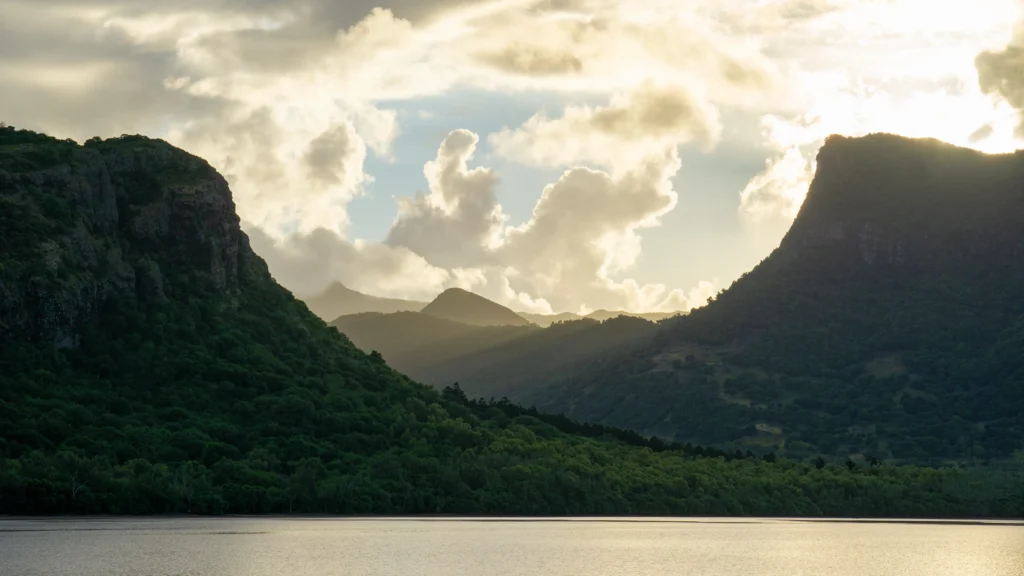
An area of mountains, golf and large resorts. Le Morne, a World Heritage Site, offers kitesurfing and the famous view of the underwater waterfall.
West: Flic en Flac, Tamarin and Black River
The coast of sunsets, dolphins and hikes. It is drier and sunnier.
Where to Sleep According to Your Dates
From May to October, the west and the north are more sheltered from the wind. From November to April, every coast works well. I recommend the hotel according to your dates.
What to Expect on Your Trip Through Mauritius
Language. Mauritian Creole, French and English are spoken. English is well understood in tourism. A few words open smiles: mersi (thank you) and bonzour (good morning).
Currency and cash. The currency is the Mauritian rupee (MUR). Visa and Mastercard are widely accepted at hotels and restaurants, and ATMs are plentiful. Carry some cash in rupees for markets and taxis.
Getting there. There are no nonstop flights from the U.S. Total travel time usually exceeds 24 hours, with connections. Mauritius is 8 to 9 hours ahead of the U.S. East Coast, depending on the season.
Transportation. The most comfortable choice is a private driver or a rental car. Traffic drives on the left. Taxis are expensive, and the price is agreed before getting in.
Connectivity and adapters. Outlets are type C and G, at 230 V. Bring a universal adapter. An eSIM works well across the island.
Weather and clothing. It is warm almost all year. Bring light clothing, a swimsuit, a hat, mineral sunscreen, walking shoes and a light jacket for the cool winter nights.
Health. There is no malaria in Mauritius. Get travel insurance with medical and evacuation coverage. Mosquito repellent is recommended.
Safety. Mauritius is a very calm destination. There is petty theft, so keep your valuables in the hotel safe and do not leave them on the beach. Respect the flags at sea.
Culture. Mauritius is a multicultural country. Communities of Indian, African, Chinese and European origin live together, and it is common to see Hindu temples, churches and mosques on the same street. Festivals, such as the Maha Shivaratri pilgrimage to Grand Bassin, are a showcase of that richness.
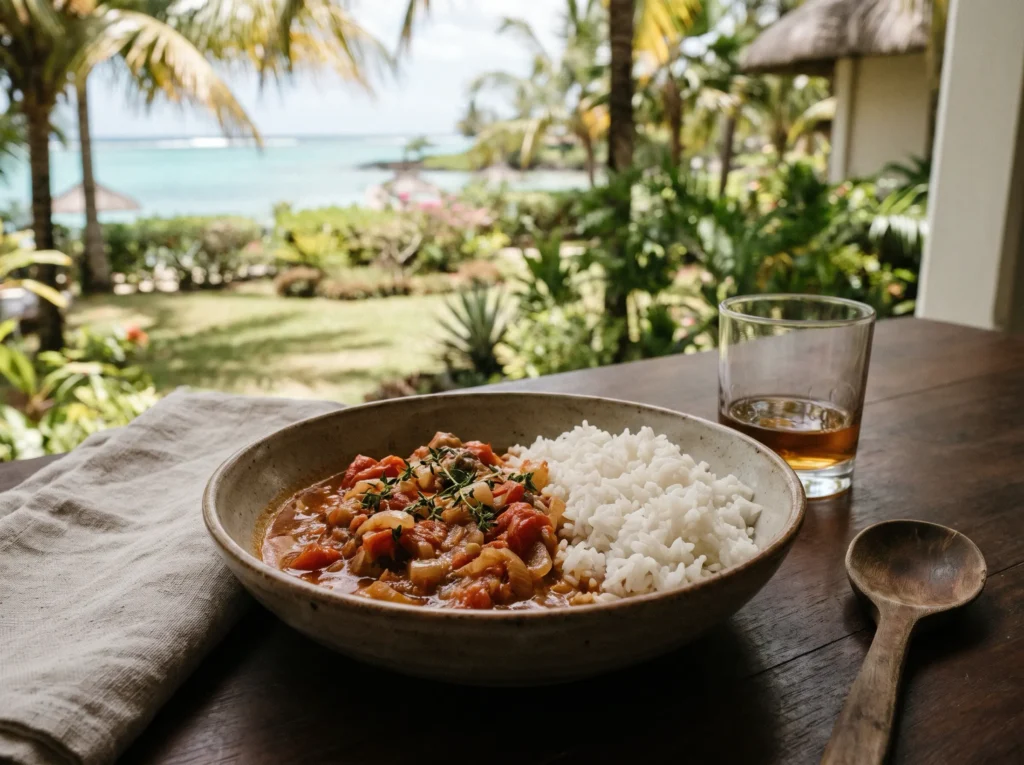
Food. Try dholl puri (a lentil-filled flatbread), gâteaux piments, briani, Creole rougaille, fish vindaye and alouda, a sweet milk drink. The local rum is excellent, and a visit to the Bois Chéri tea plantation in the south is an easy and pleasant stop.
My basic guide for any trip
The Perfect Island: The Reality Behind the Magic
Mauritius is beautiful, but it is not a single beach.
Each coast has its own character. In the east, the lagoons are shallow and calm, but winter winds can leave seaweed. In the south, the swell is bigger and swimming is not always possible. Many resorts are large and enclosed, and it is easy to spend the whole stay without getting to know the country.
That is why I design the trip combining one coast for resting with another for exploring. I choose the hotel according to the wind on your dates, and I plan a full day for the Seven Colored Earths, the Port Louis market and a Creole dinner. That way you return with beach and culture.
The key is choosing the coast, the date and the pace well.
Etiquette: Dos and Don'ts in Mauritius
Mauritians are kind, calm and very diverse. These customs help you travel respectfully and avoid misunderstandings.
| Topic | Avoid | Instead |
|---|---|---|
| Greetings | Jumping into a conversation without greeting. | Always greet with a smile and a "bonzour". |
| Tipping | Tipping everyone as in other countries. | Tips are welcome but not obligatory. At many hotels, service is already included. Ask your operator for a reference. |
| Temples | Entering with shoes on or with uncovered shoulders or knees, or photographing without permission. | Remove your shoes, cover shoulders and knees and ask before photographing. |
| Beaches | Sunbathing topless on public beaches. | Wear a full swimsuit on public beaches. At private resorts, ask first. |
| Food | Refusing food with the left hand or throwing it away. | Eat with the right hand. Order only what you will finish. |
| Festivals | Interrupting processions or ceremonies with your camera. | Observe respectfully, from a distance, and ask before taking part. |
| Pace | Expecting the strict punctuality of other countries. | Arrive on time, with patience. The pace is relaxed. |
At hotels, the staff become familiar. Greeting someone by name and a sincere “mersi” are remembered more than any grand gesture.
Laws to Know Before Traveling to Mauritius
Not knowing the law is no defense in any country. These are the rules that surprise travelers most in Mauritius.
| Topic | What the rule says | Consequence |
|---|---|---|
| Drugs | Possession, use and trafficking, including synthetic cannabis, are serious crimes. | Detention and prison sentences. Don't bring or take any. |
| Nudity | Nudism and topless sunbathing are not allowed on public beaches. | Fines and trouble with the police. Choose a full swimsuit. |
| Coral and shells | Collecting coral and shells, and stepping on reefs, is prohibited. | Fines and confiscation. Leave the beach as you found it. |
| Drones | Drones require a permit and can be confiscated. | Fines and confiscation. Don't bring them without authorization. |
| Photography | Photographing military installations, airports and government buildings is prohibited. | Detention and confiscation of equipment. Ask first. |
| Tobacco | Smoking is banned in enclosed public places and on some beaches. | Fines. Ask before lighting a cigarette. |
| Length of stay | Tourists may stay up to 180 days a year. Overstaying carries a fine. | Fines and trouble re-entering. |
Customs: What You Can and Can't Bring Into Mauritius
Mauritius is relatively strict about fresh products and drugs, so it helps to have these rules clear before packing.
| Item | Rule | Notes |
|---|---|---|
| Cash | Large amounts of cash are declared when entering or leaving. | Check the current limit with your operator before traveling. |
| Medications | Allowed in original packaging with a doctor's letter. | Keep your prescriptions. |
| Drugs and narcotics | Banned. | They can lead to detention. |
| Fresh products | Fruit, vegetables, meat and plants are restricted. | Declare any food you bring. |
| Coral and wildlife | Taking out coral, shells or products from protected animals is prohibited. | It also applies to souvenirs made from those materials. |
| Weapons and ammunition | Banned without special authorization. | If you buy knives as souvenirs, they travel in checked luggage. |
| Drones | They require a permit. | They can be confiscated at customs. |
Activities That Define the Mauritian Experience (and Where to Eat Nearby)
In Mauritius, the table and the landscape go together: every region has its own flavors. That is why each activity comes with what is worth eating nearby.
Le Morne and the Underwater Waterfall
Le Morne Brabant is an imposing mountain and World Heritage Site, with a history tied to the freedom of those who escaped slavery. From a helicopter you can see the famous underwater sand “illusion.”
Where to eat nearby: a Creole lunch at a lagoon-front restaurant, with fish and rice.
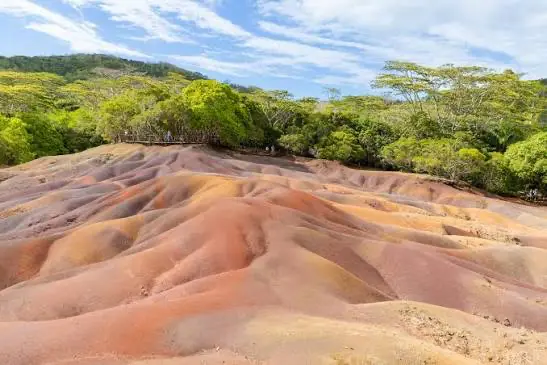
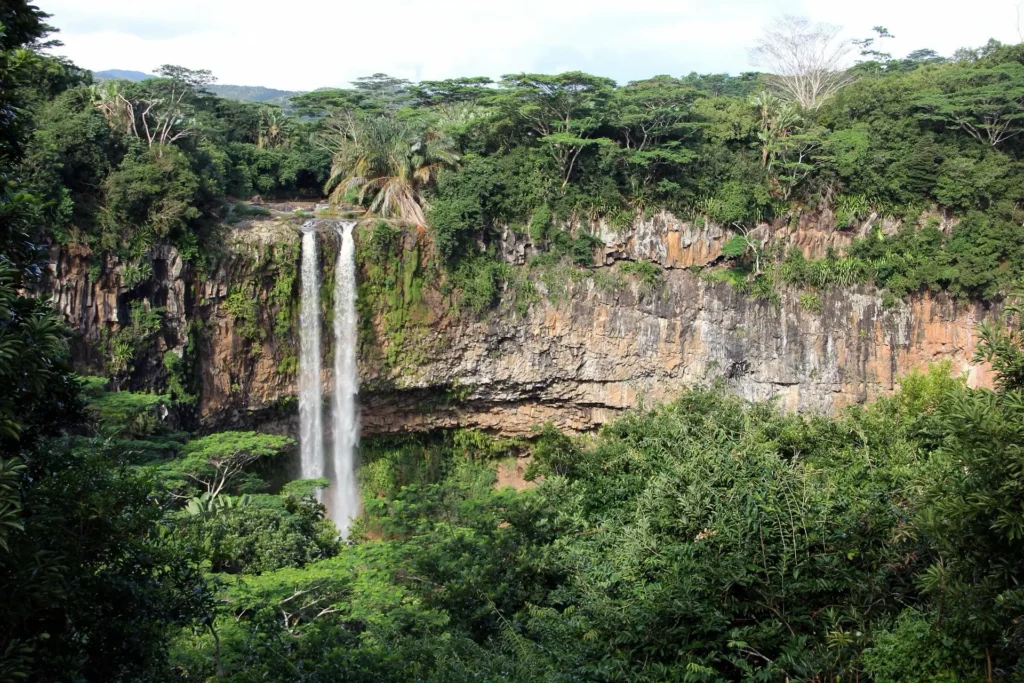
Seven Colored Earths and Chamarel
Dunes of seven shades and a waterfall of nearly a hundred meters in the middle of the jungle. It is a short, very photogenic excursion.
Where to eat nearby: lunch at a Chamarel restaurant, with local rum and chicken curry.
Île aux Cerfs and the East Coast
A catamaran takes you to a white-sand islet with shallow water. It is ideal for snorkeling and a beach lunch.
Where to eat nearby: a fresh fish barbecue on board.
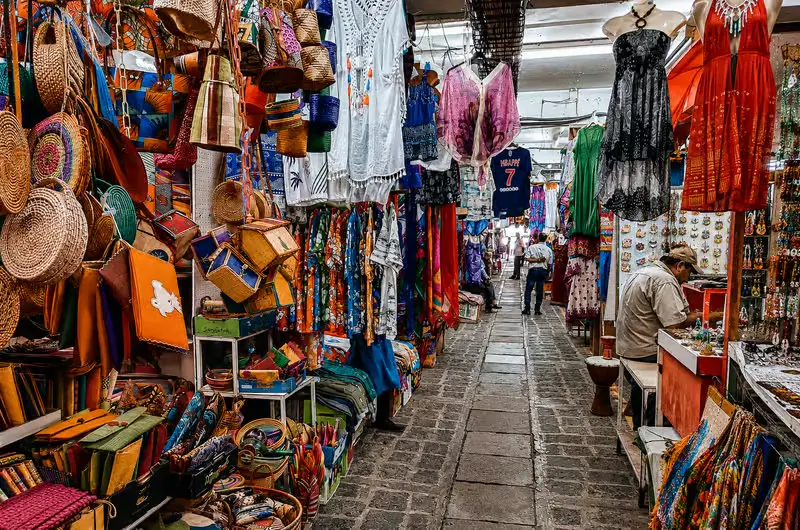
Port Louis and Aapravasi Ghat
The capital combines the central market, Chinatown and the site where indentured workers from India arrived, today a World Heritage Site.
Where to eat nearby: dholl puri and gâteaux piments at the market stalls.
Black River Gorges and Hiking
A national park with forests, waterfalls and endemic birds, ideal for half-day hikes.
Where to eat nearby: a picnic at a viewpoint.
Dolphins and Water Sports
In Tamarin you can swim with wild dolphins, with respectful operators who do not chase them. Diving and kitesurfing round out the experience.
Entry Requirements and Paperwork Before Your Trip to Mauritius
U.S. citizens do not need a visa to enter Mauritius as tourists, for stays of up to 90 days. You may need to complete a digital form before traveling, so confirm the current requirements.
| Procedure | What to know | When |
|---|---|---|
| Travel form | Complete the digital entry form for Mauritius (Mauritius All-in-One Travel Form) before boarding, if it is currently required. Confirm this with your advisor, because it has changed in the past. | About a week before the trip |
| Length of stay | U.S. tourists can stay up to 90 days. Check the current limit at the official source. | When planning the trip |
| Passport | Sources differ: some require at least one blank page and validity beyond your stay, others require 6 months. The safe choice is 6 months of validity and blank pages. | Before buying the ticket |
| Onward ticket | Airlines and immigration may ask for a return or onward ticket, and a hotel booking. | At boarding and on arrival |
| Yellow fever | The certificate is requested if you arrive from a risk country. From the U.S. it is not usually required. | If you combine with mainland Africa |
| Minors | Each child needs their own passport and, if traveling with only one parent or with third parties, a notarized consent letter. | Before traveling |
| Travel insurance | Get one with international medical and evacuation coverage. | Before traveling |
How to Get Your Entry Step by Step
- Check the Mauritius government’s official site for the current entry form and beware of intermediaries that overcharge.
- Fill in your personal and trip details.
- Upload your hotel bookings and your onward ticket.
- Receive the confirmation, save it on your phone and carry a printed copy.
- Check the yellow fever rule if you combine countries.
Immigration rules can change at short notice. That is why I prepare each procedure with my clients and review the conditions close to the travel date.
Frequently asked questions about traveling to Mauritius
Do I need a visa to travel to Mauritius from the U.S.?
No. U.S. citizens can enter Mauritius as tourists without a visa for up to 90 days. Confirm whether the digital entry form is currently required, and carry an onward ticket and your hotel booking.
What is the best time to travel to Mauritius?
From May to October, the cool and dry season. November to April is warmer and more humid, with water ideal for diving, but from January to March there is a risk of cyclones.
How many days do I need for a trip to Mauritius?
Between 7 and 10 days lets you combine two coasts, with excursions to the south and the eastern islands. With less time, the trip comes down to a single hotel.
What is the best coast of Mauritius to stay on?
It depends on your dates. The east has the calmest lagoons, the south offers mountains and dramatic landscapes, the north is lively and the west is sunnier and drier. Many travelers combine two.
Is it safe to travel to Mauritius?
Yes. It is one of the calmest destinations in the Indian Ocean. Keep your valuables in the hotel safe and do not leave them on the beach. Respect the flags at sea.
Do you tip in Mauritius?
It is welcome but not obligatory. At many hotels service is already included. If you were happy with a guide or the staff, a small tip in cash is appreciated.
Is there malaria in Mauritius?
No. Mauritius has no malaria. Still, it is a good idea to use mosquito repellent and carry travel insurance with medical and evacuation coverage.
Can I combine Mauritius with other destinations?
Yes. Mauritius combines very well with a safari in South Africa, Kenya or Tanzania, with Seychelles or Madagascar and with the Maldives. If you pass through a yellow fever risk country, carry your certificate.
How much does a trip to Mauritius cost?
It depends on the level and the coasts. As a reference, an 8 to 10 day trip with flights from the U.S. costs $5,000 to $7,400 per person at an essential level, $7,600 to $12,200 at an intermediate one and from $13,600 at a premium one, with trip design and management included. These are estimates from November 2026.
Let's Design Your Trip to Mauritius Together
Mauritius is enjoyed far more when the coasts, the hotels and the transfers are planned as a single trip. Tell me what you are looking for, whether rest, adventure or culture, and we will design it around you.
Combine Mauritius With Other Destinations
- Seychelles: granite islands and postcard beaches.
- Madagascar: lemurs and unique landscapes.
- South Africa: Cape Town and Kruger National Park.
- Kenya: the Masai Mara and the great migration.
- Maldives: overwater villas and reefs.
If you are traveling as a couple, discover my honeymoon trips. If you prefer to share the experience, explore the group trips.

Ari Garduno
Passionate traveler of the authentic, the unexpected and what leaves a mark.


Deja un comentario