



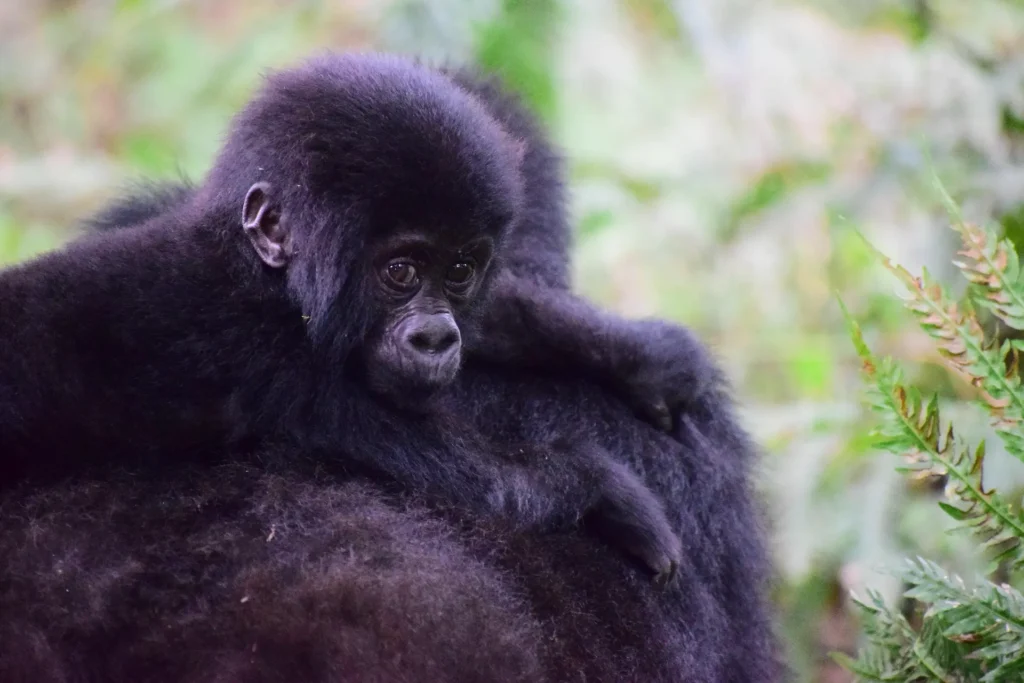
Some encounters change the way you look at the world. Looking into the eyes of a mountain gorilla, sixteen feet away, in a mist-covered forest is one of them. Uganda makes it possible and adds chimpanzees, tree-climbing lions, roaring waterfalls and a hospitality that stays with you.
A custom safari in Uganda is designed with great attention: gorilla permits sell out, the parks are far from each other and the roads take time. Those who plan it well live a week of unforgettable contrasts. Those who leave it to chance spend hours on a highway.
This guide goes beyond the postcard. Besides the parks, the lodges and the activities, I tell you what almost nobody explains: what it really costs, what paperwork you need as a U.S. traveler, what is rude, what is illegal, what you can bring and what to expect from the walk to the gorillas.


Some encounters change the way you look at the world. Looking into the eyes of a mountain gorilla, sixteen feet away, in a mist-covered forest is one of them. Uganda makes it possible and adds chimpanzees, tree-climbing lions, roaring waterfalls and a hospitality that stays with you.
A custom safari in Uganda is designed with great attention: gorilla permits sell out, the parks are far from each other and the roads take time. Those who plan it well live a week of unforgettable contrasts. Those who leave it to chance spend hours on a highway.

This guide goes beyond the postcard. Besides the parks, the lodges and the activities, I tell you what almost nobody explains: what it really costs, what paperwork you need as a U.S. traveler, what is rude, what is illegal, what you can bring and what to expect from the walk to the gorillas.
Why Uganda Is Unlike Any Other Destination
Uganda is one of the few places in the world where you can:
- Hike through the Bwindi Impenetrable Forest to a family of mountain gorillas and spend an hour with them.
- Follow the chimpanzees in Kibale Forest, among laughter, screams and leaps through the canopy.
- See lions resting in the branches of fig trees in the Ishasha sector of Queen Elizabeth Park.
- Cruise to the base of Murchison Falls, where the Nile squeezes into a gorge just seven meters wide.
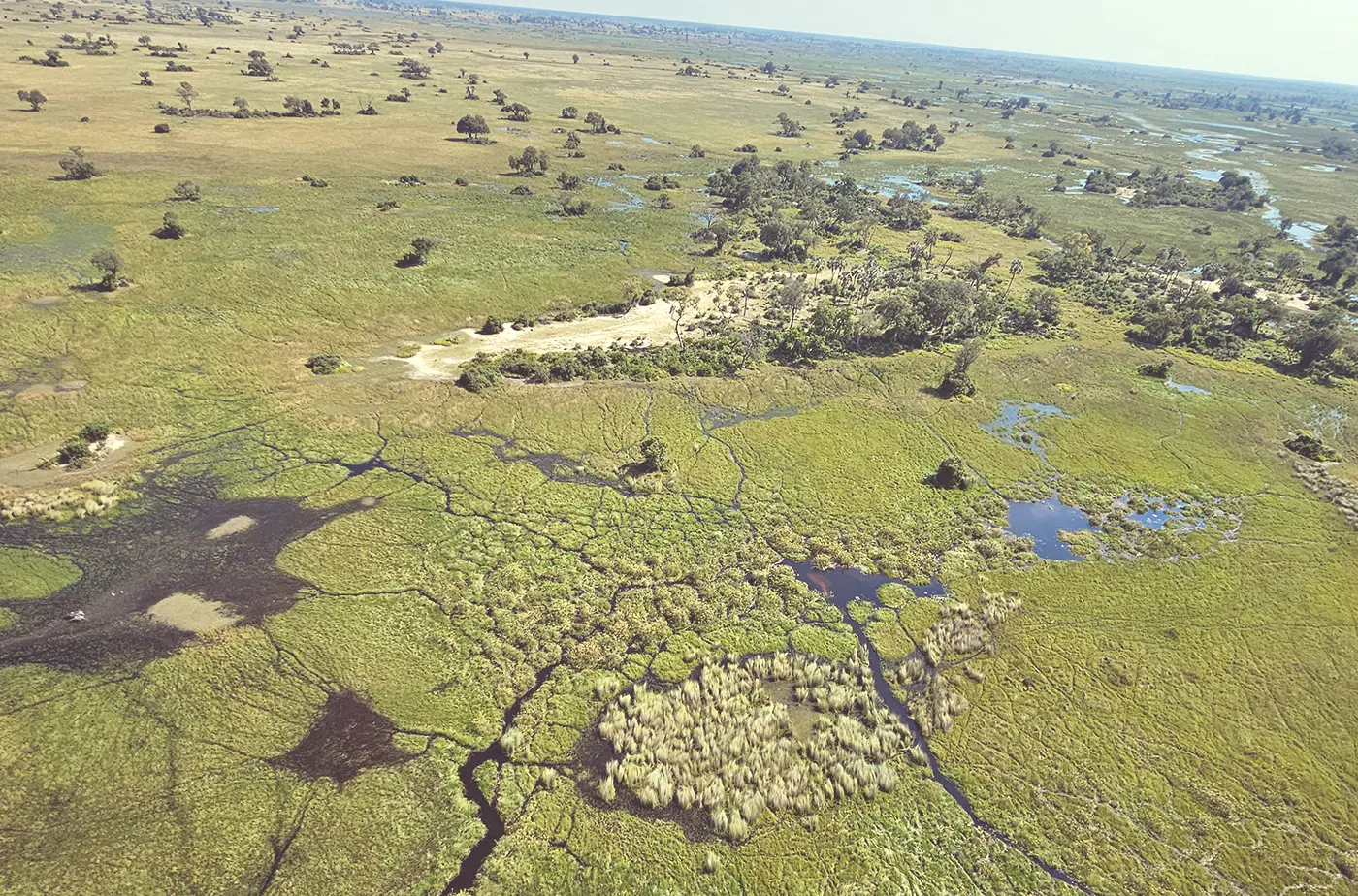
What makes it unique is the variety in a small country. In a few days you go from savanna to mountain forest, from crater lakes to the glaciers of the Rwenzori Mountains. It is also a warm culture, with music, coffee and very homey cooking.
It is a destination you enjoy far more with good logistics. There are long road distances, limited permits and rules worth knowing. That is why below you will find sections on budget, etiquette, laws, customs and visa.
Be a traveler. Not a Tourist.
Ready to design your next adventure?
Best Time to Visit Uganda

Uganda sits on the equator, so it doesn’t have summer and winter but dry and rainy seasons. The best time depends on what you want to do, and my recommendation is to decide it together with the date of your gorilla permit.
| Season | Months | The best | Keep in mind |
|---|---|---|---|
| Long dry season | June to August | Drier trails for the gorillas, clear skies and good visibility in the savanna parks. | It is the season with the most visitors. Permits and lodges are booked many months ahead. |
| Long rains | September to November | Very green landscapes and fewer travelers. The gorilla permit drops in price in November. | Frequent rain and muddy trails. Hikes are more demanding. |
| Short dry season | December to February | Very good weather for gorillas, chimpanzees and savanna safaris. It is my favorite time to travel. | Christmas and New Year are very popular and expensive dates. |
| Long rains | March to May | Calmer rates, very green forest and few vehicles. The gorilla permit drops in price in April and May. | Heavy rain. Some roads and camps are difficult, and some lodges close. |
If you come for the gorillas, look for the dry months: the hike is more manageable. If you prefer a calmer trip and a lower permit cost, April, May and November are an excellent bet, with good boots and a good guide.


Real Budget: How Much Does a Safari in Uganda Cost?
I’ll be straight with you: in Uganda the gorilla permit is one of the biggest items in the budget, and transfers between parks add up. These figures are market estimates from November 2026, per person and in U.S. dollars.
Flights from the U.S.
There are no nonstop flights from the U.S. to Uganda. The usual route is a connection in Europe or the Middle East to Entebbe. The ticket typically costs about $1,500 to $2,600 per person in economy, depending on your departure city and the season. On top of that come the internal bush-plane flights to Bwindi, which save a whole day on the road.
Safari: Lodging per Night
| Level | Per person per night | What to expect |
|---|---|---|
| Essential | $200 to $400 | Comfortable lodges and tents with bathroom, meals included and good locations. |
| Intermediate | $400 to $800 | Carefully designed lodges, forest or savanna views and very strong guides. |
| Premium | $800 to $1,500 | Small-format lodges, signature cuisine and very personalized attention. |
| Ultra-luxury | $1,500 to $2,500 or more | The most exclusive properties, with few rooms and private service. |
Nightly rates usually include lodging, meals and, depending on the lodge, some activities and basic drinks. Gorilla and chimpanzee permits, park fees and internal flights are added separately. From June to August and at Christmas, prices rise considerably.
Gorilla and Chimpanzee Permits
The gorilla permit for a foreign traveler costs $800 in high season and $600 in April, May and November. It is booked through an authorized operator and, since March 2026, paid in full at booking. The chimpanzee permit in Kibale costs considerably less. Permits are limited, so I recommend securing them as soon as you have dates.
Estimated Total Budget (per person, 10 to 12 days, with gorilla and chimpanzee permits)
| Level | Estimated total, with flights from the U.S. | What the trip looks like |
|---|---|---|
| Essential | $6,300 to $8,700 | Comfortable lodges, Bwindi with a gorilla permit, Kibale or Queen Elizabeth and road transfers. |
| Intermediate | $9,100 to $13,100 | Design lodges, internal flights to Bwindi, Murchison or Queen Elizabeth and very strong guides. |
| Premium | From $14,900, and over $26,000 at the very top | Exclusive lodges, private flights, longer stays with the gorillas and very personalized attention. |
These ranges include flights, lodging, meals, permits, park fees, transfers and the main activities. They include the design and full management of the trip: bookings, transfers, guides and support. They do not include tips, personal shopping or travel insurance. The nightly rates are market reference rates. The investment is protected by designing the trip well: I help you decide where it is worth spending and where not.
Where to Stay in Uganda
In Uganda, lodging is part of the experience. The usual approach is to combine lodges in different areas, each one near an activity.
Lodges in Bwindi Forest
These are wood-and-stone houses on hillsides, with terraces facing the forest and a fireplace on cold nights. Choosing a lodge near the starting point of your hike saves hours of driving in the morning.
Queen Elizabeth and Ishasha
In the Ishasha sector, some tented camps are just yards from the fig trees where the lions rest. The Kazinga Channel, with hippos and elephants, is explored by boat.
Kibale and the Crater Lakes
There are lodges overlooking crater lakes and forest, ideal for a quiet stop between the chimpanzee trek and the rest of the trip.
Murchison Falls
Lodges on the banks of the Nile offer safaris in the morning and boat rides to the falls in the afternoon.
Entebbe and Kampala
A night in Entebbe, near the airport and Lake Victoria, helps you rest after the long flight and start the trip calmly.
What to Expect on Your Trip Through Uganda
Language. English and Swahili are spoken, along with Luganda and other local languages. English is widely understood in tourism. A few words open smiles: webale (thank you) and oli otya (how are you?).
Currency and cash. The currency is the Ugandan shilling (UGX). In tourism, U.S. dollars are accepted, as long as the bills are recent and in good condition. Visa and Mastercard cards are accepted at lodges and large hotels, and ATMs only work well in cities. Bring cash in dollars for tips and small purchases.
Getting there. There are no nonstop flights from the U.S. Total travel time usually exceeds 24 hours, with connections. Uganda is 7 to 11 hours ahead of the U.S., depending on the coast and the season.
Transportation. Road transfers are long and include dirt stretches, which is why bush planes between parks are worth it. You always travel with a driver-guide. Bush planes have a baggage limit of about 33 pounds (15 kg) in a soft bag.
Connectivity and adapters. Outlets are type G, at 240 V. Bring a universal adapter. An eSIM helps in cities, but coverage in the parks is limited.
Weather and clothing. Travel in layers. Bwindi Forest is cool and damp, and the savanna is hot. Bring broken-in hiking boots, long pants, gardening gloves to hold onto vegetation, a waterproof jacket and repellent.
Health. There is malaria risk throughout the country. Talk to your doctor or a travel clinic well in advance about prophylaxis. Uganda stopped requiring the yellow fever vaccination certificate as an entry requirement in October 2026, but the vaccine is still recommended: ask your doctor. Get travel insurance with medical and evacuation coverage.
Safety. Uganda is a warm destination for tourism. In Kampala and Entebbe, I recommend private transfers, not walking at night and keeping valuables out of sight. In the parks, following your guide’s instructions is what matters most.
Culture. Uganda has more than 40 ethnic groups and languages. The traditional kingdoms, such as Buganda, are still present in everyday life. Music, dance and hospitality are part of the identity. The greeting, taken with time and without hurry, is part of courtesy.
Food. Try matoke (cooked plantain), peanut sauce, luwombo (a stew cooked in banana leaves) and the famous “rolex”, a chapati rolled with egg and vegetables. Nile perch and Ugandan coffee are excellent. For drinking, choose bottled water.
My basic guide for any trip
The Gorillas: The Reality Behind the Magic
The gorilla encounter isn’t bought: it is walked.
The gorillas are used to people, but they live free and they move. The hike can last from half an hour to six hours, over steep slopes, mud and dense vegetation. Many travelers describe it as demanding, and also as one of the best experiences of their lives.
That is why I design the trip with plenty of time: I choose the Bwindi sector according to your fitness, I recommend a local porter (it supports the community and helps a lot) and I leave a buffer day in case the weather changes. The hour with the gorillas is an hour of silence, a few yards away, without touching them.
The key is good footwear, realistic expectations, patience and a good guide.
Etiquette: Dos and Don'ts in Uganda
Ugandans are warm, courteous and very attentive to the greeting. These customs help you travel respectfully and avoid misunderstandings.
| Topic | Avoid | Instead |
|---|---|---|
| Greetings | Jumping into a conversation without greeting or asking for something right away. | Always greet and ask how the person is. It is part of courtesy. |
| Tipping | Leaving without a tip or giving everyone the same amount. | Tip the guide, the porter and the lodge staff separately, in cash dollars. Ask your operator for a reference. |
| Photography | Photographing people without permission, or photographing military or government facilities. | Ask first. Many people accept gladly, and some ask for a small tip. |
| Gorillas | Getting closer than 23 feet (7 m), touching them, eating in front of them or going with a cold or cough. | Follow the guide, speak softly and keep your distance. If you feel sick, say so: it protects the gorillas. |
| Dress | Very short or tight clothing in villages. Camouflage clothing. | Cover shoulders and knees in communities. Wear neutral colors that are not camouflage. |
| Left hand | Giving, receiving or eating with the left hand. | Use the right hand, or both hands, to hand over objects and money. |
| Pace | Expecting the strict punctuality of other countries. | Arrive on time, with patience. Time is lived calmly. |
At the lodges, the staff become a small family. Greeting someone by name and a sincere “webale” are remembered more than any grand gesture.
Laws to Know Before Traveling to Uganda
Not knowing the law is no defense in any country. These are the rules that surprise travelers most in Uganda.
| Topic | What the rule says | Consequence |
|---|---|---|
| Same-sex relationships | The 2023 law penalizes them with very severe penalties. | It is one of the destinations with the harshest law in the world on this subject. Talk to me before booking if this affects you. |
| Drugs | Possession, use and trafficking, including cannabis, are serious crimes. | Detention and prison sentences. Don't bring or take any. |
| Camouflage clothing | Civilians cannot wear military-style or camouflage clothing. | Confiscation and trouble with the police. Choose plain neutral tones. |
| Plastic bags | Single-use plastic bags have been banned since 2007. | Fines and confiscation. Bring cloth bags and don't pack with loose plastic bags. |
| Photography | Photographing government buildings, military installations, airports and the police is prohibited. | Detention and confiscation of equipment. Ask first. |
| Drones | Drones require a permit and can be confiscated. | Fines and confiscation. Don't bring them unless you have authorization. |
| Wildlife | It is prohibited to feed animals, get out of the vehicle outside authorized areas or buy wild animal products. | Fines, expulsion from the park and criminal charges. |
Customs: What You Can and Can't Bring Into Uganda
Uganda is relatively straightforward at customs, but it helps to have these rules clear before packing.
| Item | Rule | Notes |
|---|---|---|
| Cash | Large amounts of cash are declared when entering or leaving. | Check the current limit with your operator before traveling. |
| Medications | Allowed in original packaging with a doctor's letter. | Keep your prescriptions. |
| Drugs and narcotics | Banned. | They can lead to detention. |
| Weapons and ammunition | Banned without special authorization. | If you buy knives or machetes as souvenirs, they travel in checked luggage. |
| Wildlife products | Ivory, rhino horn, skins and other wild animal products are banned. | Also applies to souvenirs made from those materials. |
| Professional equipment | Professional-use and film cameras may require a permit. | If you work with them, tell me beforehand. |
| Plastic bags | Single-use bags are banned. | See the laws section. |
Activities That Define the Ugandan Experience (and Where to Eat Nearby)
In Uganda, the table and the landscape go together: every region has its own flavors. That is why each activity comes with what is worth eating nearby.
Mountain Gorillas in Bwindi
It is the moment that defines the trip. You walk through the forest with guides and trackers to a family and spend an hour a few yards away. Permits are limited, so it is best to secure them early.
Where to eat nearby: breakfast with local coffee at the lodge before leaving and a packed bush lunch with fruit for the hike.
Chimpanzees in Kibale
It is the forest with the most primates in the country. Chimpanzee tracking lasts between two and four hours, and can add colobus monkeys and other species.
Where to eat nearby: a home-cooked dinner at a lodge on a crater lake, with fish and vegetables from the market.

Queen Elizabeth: Lions and the Kazinga Channel
Vehicle safaris across the savanna and a boat ride on the channel, with hippos, buffalo and birds. In Ishasha, look for the tree-climbing lions.
Where to eat nearby: lunch on a terrace over the channel, with grilled tilapia and fried plantain.
Murchison Falls
The Nile runs through a gorge barely seven meters wide and drops with impressive force. The afternoon boat ride brings you close to hippos, crocodiles and elephants drinking on the bank.
Where to eat nearby: dinner by the river, with grilled meats and local vegetables.

Lake Bunyonyi
A calm lake surrounded by terraced hills, perfect for resting after the gorilla hike. You get around by canoe.
Where to eat nearby: lunch on an island in the lake, with fish and regional stews.
Rwenzori and Kidepo
For adventurous travelers, the Rwenzori Mountains offer high-altitude hikes. Kidepo, in the north, is a remote, quiet park with open savanna landscapes.
Visa and Paperwork Before Your Trip to Uganda
U.S. citizens need a visa to enter Uganda. The good news is that it is applied for online, before traveling.

| Procedure | What to know | When |
|---|---|---|
| Tourist visa | Apply on the official portal, visas.immigration.go.ug. It costs around $50, is single-entry and allows up to 3 months. It requires a copy of your passport, a recent photo and your itinerary. The answer takes several business days. | At least 3 weeks before the trip |
| Passport | It must be valid for at least 6 months after your arrival and have blank pages. If you hold another nationality, check its requirements, because they vary. | Before buying the ticket |
| Onward ticket | Airlines and immigration may ask for a return or onward ticket. | At boarding and on arrival |
| Yellow fever | Since October 2026 the certificate is no longer an entry requirement for Uganda, but the vaccine is still recommended. Confirm before traveling. | Get vaccinated at least 10 days ahead |
| Malaria | There is a risk throughout the country. Talk to your doctor about prophylaxis. | 4 to 6 weeks ahead |
| Minors | Each child needs their own passport and, if traveling with only one parent or with third parties, a notarized consent letter. For the gorillas, the minimum age is 15. | Before traveling |
| Travel insurance | Get one with international medical and evacuation coverage. | Before traveling |
How to Get Your Entry Step by Step
- Go to the official portal, visas.immigration.go.ug, and beware of intermediaries who charge extra.
- Upload a photo of your passport’s data page and a recent photo.
- Fill in your personal and trip details.
- Pay the fee by card.
- Receive the approval, save it on your phone and carry a printed copy.
- Bring your yellow fever certificate.
Immigration rules can change at short notice. That is why I prepare each procedure with my clients and review the conditions close to the travel date.

Beyond the Postcard: Reads That Reveal the Soul of Uganda
Before your feet touch its soil, let your mind travel. Here are my literary recommendations so you can soak up the essence of Uganda and experience every corner from another perspective.


Travel insurance is a smart and vital investment
Frequently asked questions about traveling to Uganda
Do I need a visa to travel to Uganda from the U.S.?
Yes. U.S. citizens need a visa, which is applied for online at visas.immigration.go.ug. It costs around $50, is single-entry and allows up to 3 months. Your passport must be valid for at least 6 months.
How much does the gorilla permit in Uganda cost?
It costs $800 in high season and $600 in April, May and November for foreign travelers. It is booked through an authorized operator and, since March 2026, paid in full at booking.
What is the best time to see gorillas in Uganda?
From June to August and from December to February, which are the dry seasons. The trails are less muddy. April, May and November also work and have lower-cost permits.
How many days do I need for a safari in Uganda?
Between 8 and 12 days lets you combine gorillas, chimpanzees and a savanna park. With less time, the trip is reduced to the gorillas and one park, with internal flights.
Is it safe to travel to Uganda?
Yes, with precautions. In Kampala and Entebbe it is best to use private transfers, not walk at night and keep valuables secure. In the parks, the main thing is to follow your guide’s instructions. Avoid unstable border areas.
Do you tip in Uganda?
Yes. You tip the guide, the porter and the lodge staff separately, in cash dollars. Amounts vary by lodge and group size, and your operator will give you a reference.
How hard is the hike to see the gorillas?
It can last between half an hour and six hours, over steep slopes and mud. Moderate fitness and hiking boots are needed. Local porters help with your pack and your footing.
Can I combine Uganda with other destinations in Africa?
Yes. Uganda combines very well with Rwanda for more gorillas, with Kenya or Tanzania for the classic safari and with Victoria Falls. Ask your doctor about the yellow fever vaccine, which is still recommended.
How much does a safari in Uganda cost?
It depends on the level and the permits. As a reference, a 10 to 12 day trip with flights from the U.S. costs $6,300 to $8,700 per person at an essential level, $9,100 to $13,100 at an intermediate one and from $14,900 at a premium one, with trip design and management included. These are estimates from November 2026.
Let's Design Your Trip to Uganda Together
Uganda is enjoyed far more when the permits, the lodges, the flights and the transfers are planned as a single trip. Tell me what you are looking for, whether the gorillas, the chimpanzees, the savanna or the culture, and we will design it around you.
Combine Uganda With Other Destinations
If you are traveling as a couple, discover my honeymoon trips. If you prefer to share the experience, explore the group trips.

Ari Garduno
Passionate traveler of the authentic, the unexpected and what leaves a mark.



Deja un comentario