



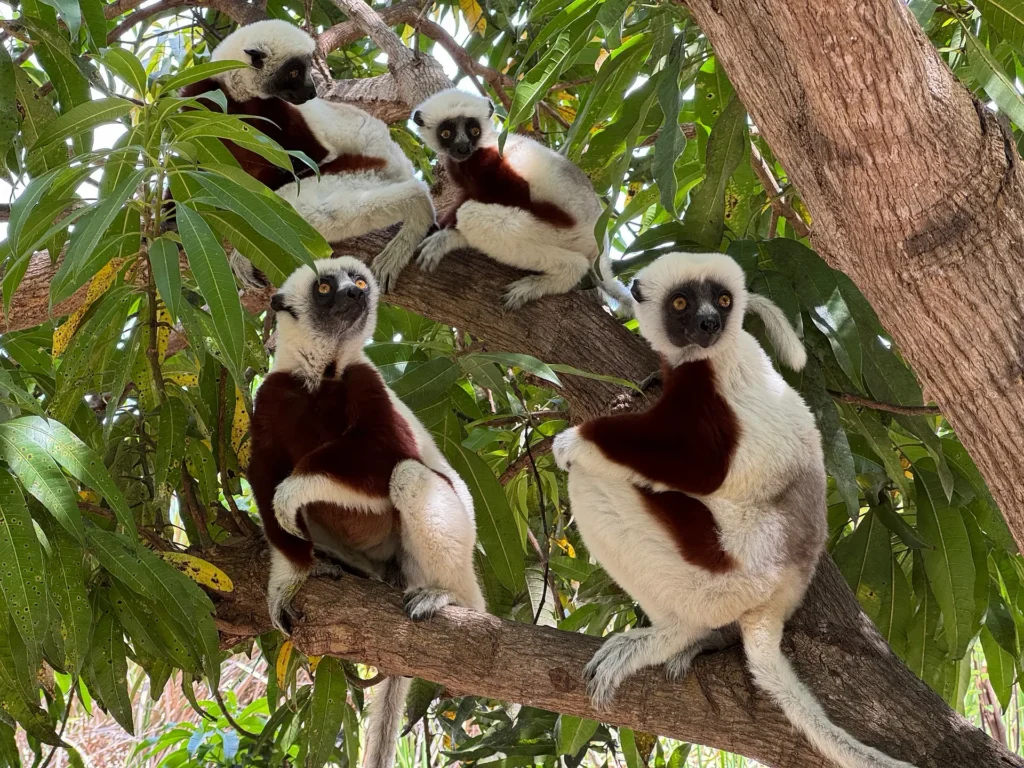
Madagascar is another planet. Here live lemurs that leap from branch to branch, baobabs that watch the sunset like motionless giants, forests of razor-sharp stone and turquoise reefs. More than 90% of its wildlife exists nowhere else in the world.
A custom trip to Madagascar is designed with great care. Distances are long, roads are slow, internal flights rule and the seasons define what you will see. Those who plan it well live one of the most singular nature experiences on the planet. Those who don’t spend hours on a dirt road.
This guide goes beyond the postcard. Besides the regions, the lodges and the activities, I tell you what almost nobody explains: what it really costs, what paperwork you need as a U.S. traveler, what is rude, what is illegal and what to expect from a country that is traveled slowly.


Madagascar is another planet. Here live lemurs that leap from branch to branch, baobabs that watch the sunset like motionless giants, forests of razor-sharp stone and turquoise reefs. More than 90% of its wildlife exists nowhere else in the world.
A custom trip to Madagascar is designed with great care. Distances are long, roads are slow, internal flights rule and the seasons define what you will see. Those who plan it well live one of the most singular nature experiences on the planet. Those who don’t spend hours on a dirt road.

This guide goes beyond the postcard. Besides the regions, the lodges and the activities, I tell you what almost nobody explains: what it really costs, what paperwork you need as a U.S. traveler, what is rude, what is illegal and what to expect from a country that is traveled slowly.
Why Madagascar Is Unlike Any Other Destination
Madagascar is one of the few places in the world where you can:
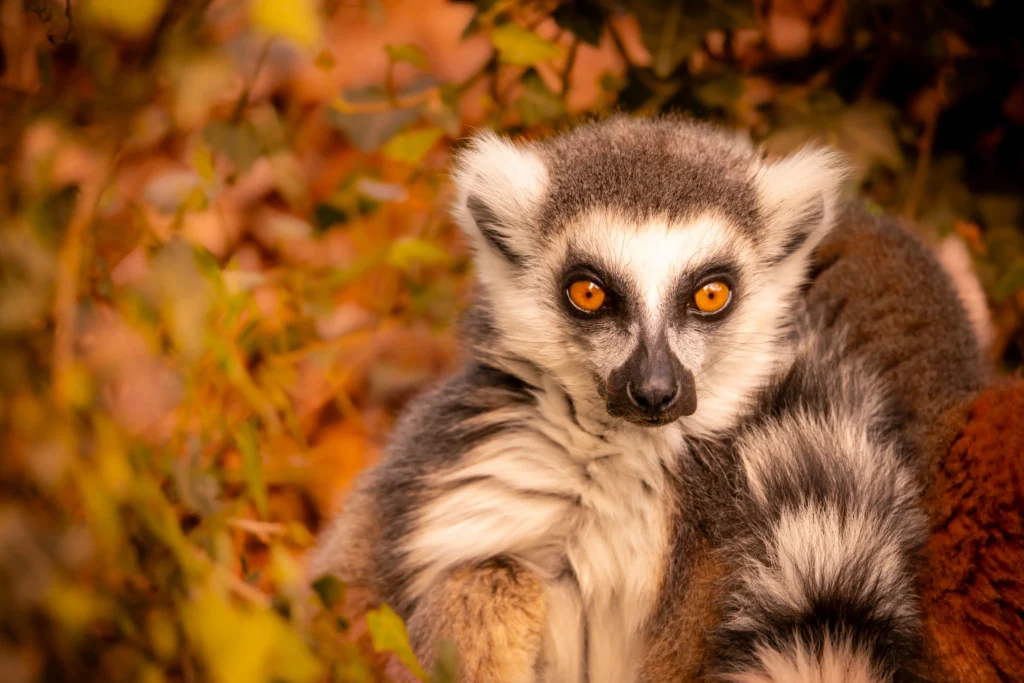
- See lemurs in the wild: the indri that sings in the forest, the sifaka that dances sideways and the tiny mouse lemur.
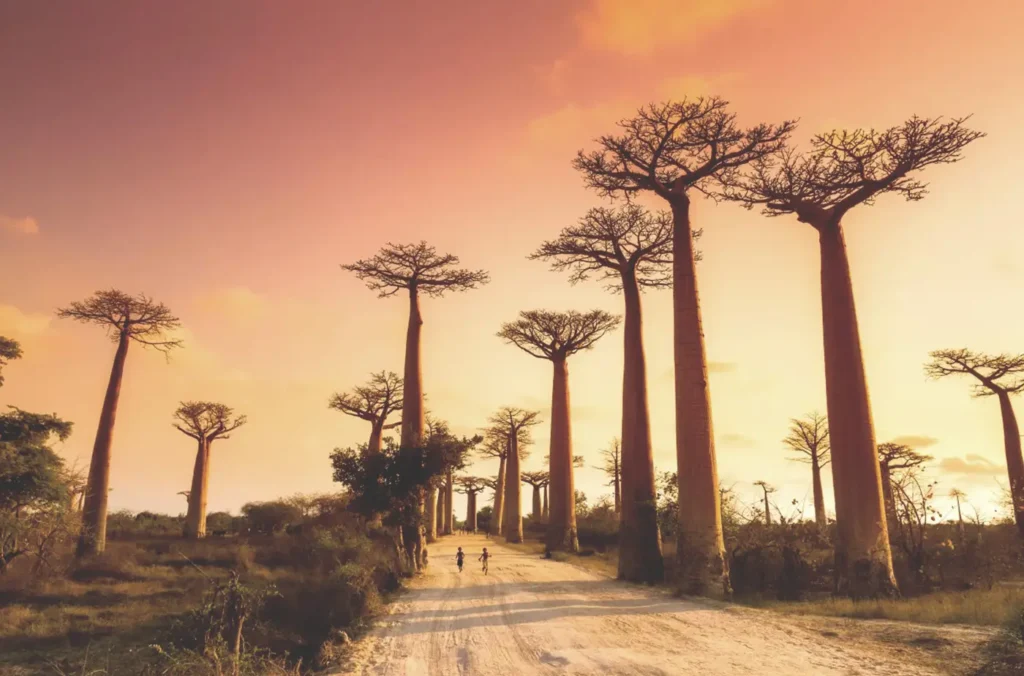
- Travel the Avenue of the Baobabs at sunset, one of the most memorable images in Africa.
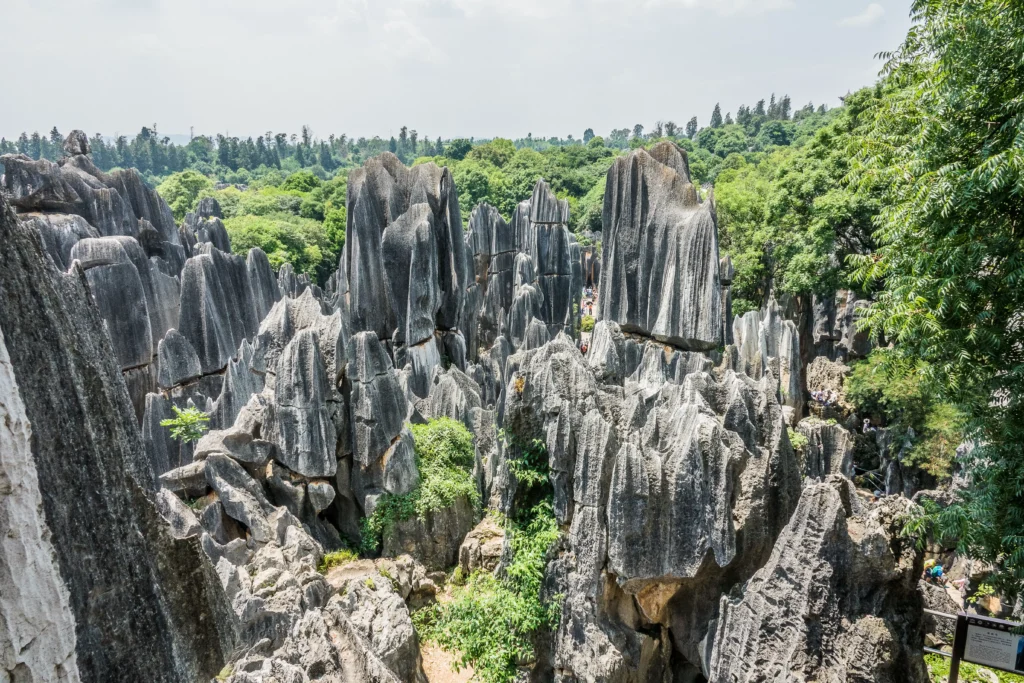
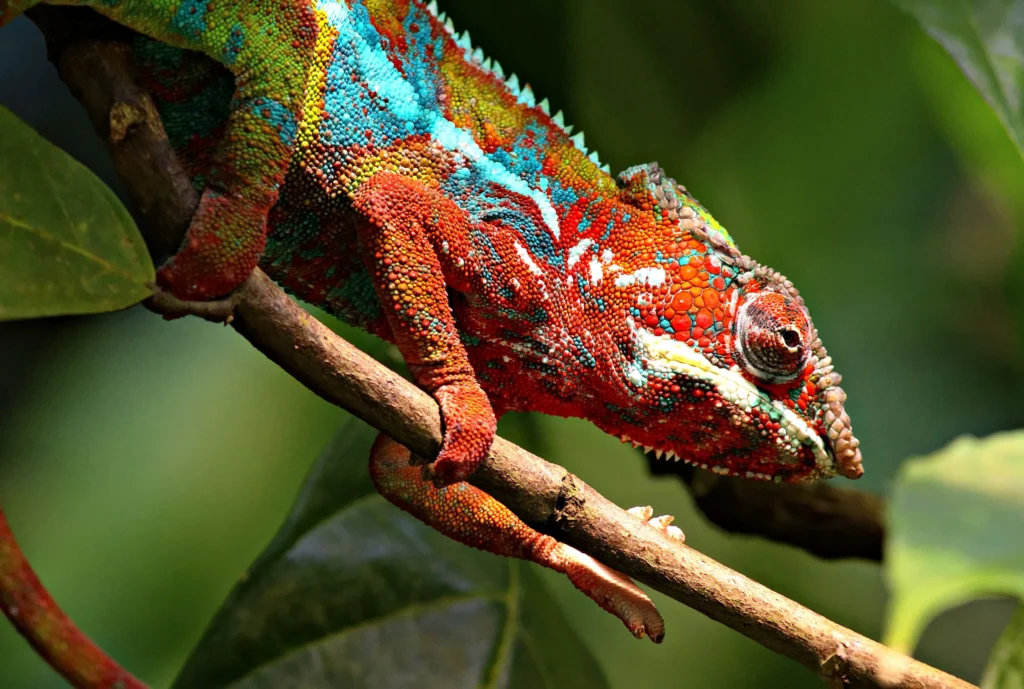
- Walk among the Bemaraha tsingy, a World Heritage forest of stone needles.
- Combine rainforest, sandstone desert and white-sand beaches on the same trip.
What makes it unique is the feeling of isolation. It split from Africa millions of years ago, and its evolution took another path. It is a destination of nature, strange landscapes and warm people, the Malagasy, with a culture of their own.
It is also a demanding destination. It asks for time, flexibility and a good local operator. That is why below you will find sections on budget, etiquette, laws, customs and visa.
Be a traveler. Not a Tourist.
Ready to design your next adventure?
Best Time to Visit Madagascar

Madagascar has a dry season and a wet one, with cyclones on the east coast. The best time depends on what you want to see.
| Season | Months | The best | Keep in mind |
|---|---|---|---|
| Dry season | May to October | Clear skies, dry trails, the best time for lemurs, baobabs and tsingy. Between July and September, humpback whales at Sainte-Marie. | It is high season. Lodges and internal flights are booked months ahead. |
| Spring | September to November | Baby lemurs, active chameleons and pleasant temperatures. A good time for almost everything. | The first rains begin toward November in some areas. |
| Wet season | December to March | Very green landscapes, frogs and chameleons in full activity, and good rates. | Heavy rain, impassable roads and cyclone risk on the east coast. |
| Transition | April | The landscapes are still green and the rains ease. | Some roads are still in poor condition. |
If you want to see everything with logistical safety, travel from May to October. To see baby lemurs and green landscapes with fewer people, September and October are a sweet spot.


Real Budget: How Much Does a Trip to Madagascar Cost?
I’ll be straight with you: Madagascar seems easy to budget, but it isn’t. Internal flights, private transfers and quality lodges add up. These figures are market estimates from November 2026, per person and in U.S. dollars.
Flights from the U.S.
There are no nonstop flights from the U.S. to Madagascar. The usual route is a connection in Europe, Addis Ababa, Nairobi or Johannesburg to Antananarivo. The ticket typically costs about $1,800 to $3,000 per person in economy, depending on your departure city and the season. On top of that come the internal flights between regions.
Lodging per Night
| Level | Per person per night | What to expect |
|---|---|---|
| Essential | $70 to $150 | Small hotels and simple bungalows, often with breakfast included. |
| Intermediate | $150 to $350 | Jungle lodges and boutique hotels with good cuisine and guides. |
| Premium | $350 to $800 | Design lodges by the sea or the jungle, with personalized service. |
| Ultra-luxury | $800 to $2,000 or more | The most exclusive properties in Nosy Be and on the coast, with private service. |
Nightly rates usually include lodging and breakfast. Meals, excursions and transfers are usually added on top. In high season, prices go up considerably.
Internal Flights and Private Transfers
In Madagascar, distances deceive: a 190-mile (300 km) trip can take a whole day. Internal flights save days and help you see more, but they are a significant item. Private transfers with a driver and guide also add up.
Estimated Total Budget (per person, 10 to 12 days, with rainforest, baobabs and beach)
| Level | Estimated total, with flights from the U.S. | What the trip looks like |
|---|---|---|
| Essential | $6,100 to $9,400 | Small hotels, local guides, Andasibe, Morondava and a simple beach stay. |
| Intermediate | $8,200 to $12,800 | Quality lodges, internal flights, tsingy or Isalo, private guides and beach. |
| Premium | From $12,800, and over $23,000 at the very top | Design lodges, private flights when it makes sense, private guides and a luxury island. |
These ranges include flights, lodging, transfers, guides and the main activities. They include the design and full management of the trip: bookings, transfers, guides and support. They do not include all meals, tips, personal shopping or travel insurance. The nightly rates are market reference rates. The investment is protected by designing the trip well: I help you decide where it is worth spending and where not.
Where to Stay in Madagascar
In Madagascar, lodging is part of the experience. The usual approach is to combine lodges in different regions, each with its own style.
Andasibe and Mantadia
Lodges in the humid rainforest, with night walks to see chameleons, frogs and mouse lemurs, and early mornings to hear the indri.

Morondava and the Baobabs
Simple hotels and beachfront bungalows, near the Avenue of the Baobabs. Ideal for the sunset.
Bemaraha Tsingy
Camps and luxury lodges at the edge of the park, with views of the stone forest and suspension bridges.
Isalo and the South
Stone lodges with views of the sandstone canyons, with natural pools and trails at sunset.
Nosy Be and the Islands
Resorts and villas by the sea, with snorkeling, turtles and sunsets. It is the ideal finish after the jungle.
What to Expect on Your Trip Through Madagascar
Language. Malagasy and French are spoken. English is understood in tourism, but not always outside it. A few words open smiles: salama (hello) and misaotra (thank you).
Currency and cash. The currency is the ariary (MGA). Cards are accepted at large hotels, but ATMs are scarce outside the cities. Bring cash in euros or dollars to exchange, and ariary for markets, tips and excursions.
Getting there. There are no nonstop flights from the U.S. Total travel time usually exceeds 24 hours. Madagascar is 7 to 11 hours ahead of the U.S., depending on the coast and the season.
Transportation. Roads are slow and often in poor condition. Internal flights with Air Madagascar save days, but they are frequently delayed or canceled. Private transfers with a driver and guide are the best option.
Connectivity and adapters. Outlets are type C and E, at 220 V. Bring a universal adapter. Data coverage is good in cities and limited in the interior.
Weather and clothing. Travel in layers. It is hot on the coast and cold at night on the high plateau. Bring light clothing in neutral colors, a jacket, hiking boots, a rain jacket, a hat and repellent.
Health. There is malaria risk in much of the country. Talk to your doctor about prophylaxis. Drink bottled water and be careful with what you eat. In rural areas there are seasonal cases of plague between August and April, with low risk for those who travel with an operator. Get travel insurance with medical and evacuation coverage.
Safety. It is a calm destination for tourism, but there is petty theft in the cities. I recommend not walking at night, using private transport and keeping valuables out of sight.
Culture. The Malagasy combine African and Asian roots, and their language is of Austronesian origin. There are local taboos called fady, which vary by region and by village, and your guide will explain them. Respect for the ancestors is central.
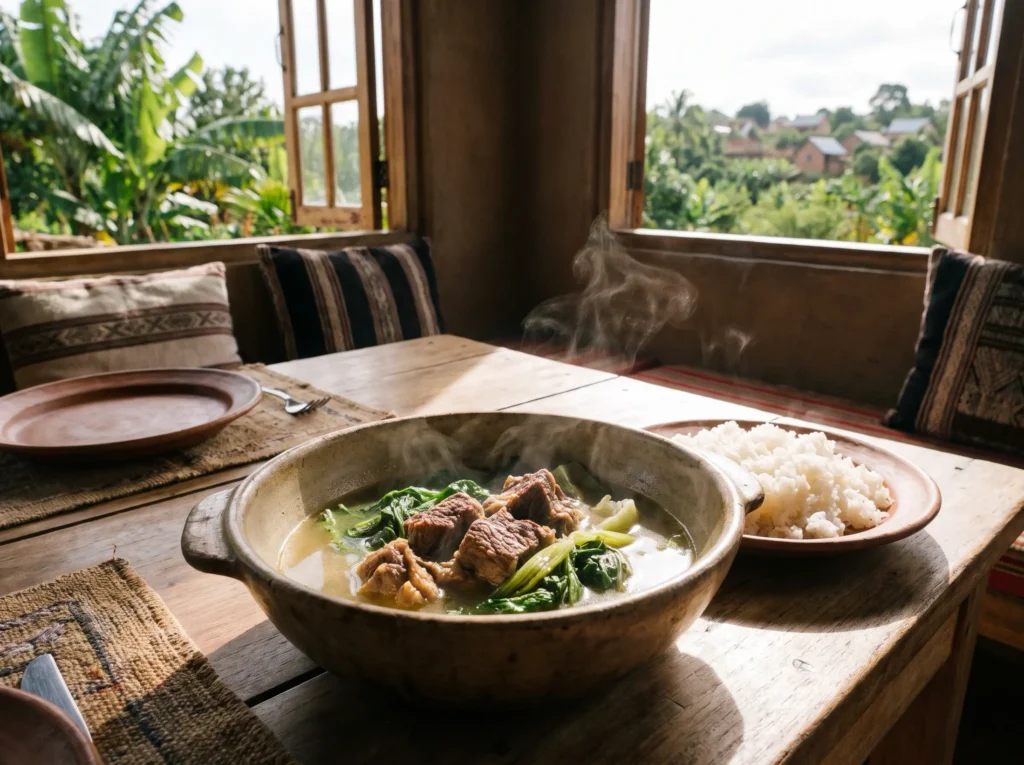
Food. Try romazava (meat stew with greens), ravitoto (cassava leaves with pork), grilled zebu, fresh fish with coconut and rice, which is eaten at every meal. Madagascar’s vanilla and chocolate are among the best in the world.
My basic guide for any trip
Madagascar: The Reality Behind the Magic
Here the road is part of the trip, too.
Journeys are long and the roads are bad. Internal flights are delayed or change schedule. In the jungle, the lemurs sometimes hide and rain affects the walks. Infrastructure is simple even at luxury lodges. There is visible poverty, and it is important to travel with respect.
That is why I design the trip with buffer days, internal flights when it makes sense, well-located lodges and trusted local guides. I also recommend traveling in the dry season and getting insurance with evacuation.
The key is realistic expectations, patience and a good local operator.
Etiquette: Dos and Don'ts in Madagascar
The Malagasy are kind, calm and very attentive to respect. These customs help you travel respectfully and avoid misunderstandings.
| Topic | Avoid | Instead |
|---|---|---|
| Greetings | Jumping into a conversation without greeting. | Always greet with a "salama" and a smile before asking for something. |
| Fady (taboos) | Ignoring a local taboo, such as pointing at a tomb or bringing certain foods to a place. | Ask your guide. Fady change from one village to another. |
| Tombs and famadihana | Photographing tombs or ceremonies without permission. | Ask permission and, if you are invited, follow your guide's instructions. |
| Pointing | Pointing with the index finger. | Point with an open hand or with the thumb. |
| Photography | Photographing people, children or markets without permission. | Ask first and respect a refusal. |
| Tipping | Tipping everyone as in other countries. | Tip the guide, the driver and the lodge staff separately, in ariary or euros. Ask your operator for a reference. |
| Gifts to children | Giving candy or money to children on the street. | Support local projects through your operator. |
| Dress | Very short clothing in villages and places of worship. | Cover shoulders and knees in rural communities. |
At small lodges, the staff become familiar. Greeting someone by name and a sincere “misaotra” are remembered more than any grand gesture.
Laws to Know Before Traveling to Madagascar
Not knowing the law is no defense in any country. These are the rules that surprise travelers most in Madagascar.
| Topic | What the rule says | Consequence |
|---|---|---|
| Drugs | Possession, use and trafficking are serious crimes. | Detention and prison sentences. Don't bring or take any. |
| Wildlife | It is prohibited to capture, buy or take out lemurs, chameleons, tortoises and other animals. | Fines and criminal charges. Wildlife trade is a serious crime. |
| Precious woods | The export of rosewood and ebony is prohibited. | Confiscation and criminal charges. Avoid souvenirs made from those materials. |
| Drones | They require authorization and are restricted in parks and sensitive areas. | Fines and confiscation. Don't bring them without a permit. |
| Photography | Photographing military installations, airports and government buildings is prohibited. | Detention and confiscation of equipment. Ask first. |
| National parks | You must enter with an authorized local guide and pay the entrance fee. | Fines and expulsion from the park. |
| Stones and fossils | Taking out precious stones, fossils or minerals requires authorization. | Confiscation and fines. Buy only with a receipt and certificate. |
Customs: What You Can and Can't Bring Into Madagascar
Madagascar is relatively straightforward at customs, but it helps to have these rules clear before packing.
| Item | Rule | Notes |
|---|---|---|
| Cash | Large amounts of cash are declared when entering or leaving. | Check the current limit with your operator before traveling. |
| Medications | Allowed in original packaging with a doctor's letter. | Keep your prescriptions. |
| Drugs and narcotics | Banned. | They can lead to detention. |
| Wildlife and plants | Taking out animals, plants or derived products requires permits that are almost never granted. | Don't buy souvenirs made from shells, conch or corals. |
| Stones and minerals | Their export requires a permit. | Buy only with a receipt. |
| Professional equipment | Professional-use and film cameras may require a permit. | If you work with them, tell me beforehand. |
| Drones | They require a permit. | They can be confiscated at customs. |
Activities That Define the Malagasy Experience (and Where to Eat Nearby)
In Madagascar, the table and the landscape go together: every region has its own flavors. That is why each activity comes with what is worth eating nearby.
Lemurs in Andasibe and Mantadia
An early morning in the forest to hear the song of the indri, the largest lemur, and to see sifakas and mouse lemurs on night walks.
Where to eat nearby: breakfast at the lodge, with local coffee and freshly baked bread.

Avenue of the Baobabs
A dirt road lined with baobabs more than 800 years old. Arrive an hour before sunset to watch the light change.
Where to eat nearby: a fresh fish dinner in Morondava.
Bemaraha Tsingy
A forest of stone needles explored with harnesses, suspension bridges and ladders. It is an adventure, and one of the most impressive images in the country.
Where to eat nearby: a country lunch with zebu and rice at the edge of the park.

Isalo and the South
Sandstone canyons, natural pools and ring-tailed lemurs. Trails at sunset give extraordinary light.
Where to eat nearby: dinner at a stone lodge, with romazava and Malagasy wine.
Nosy Be and the Islands
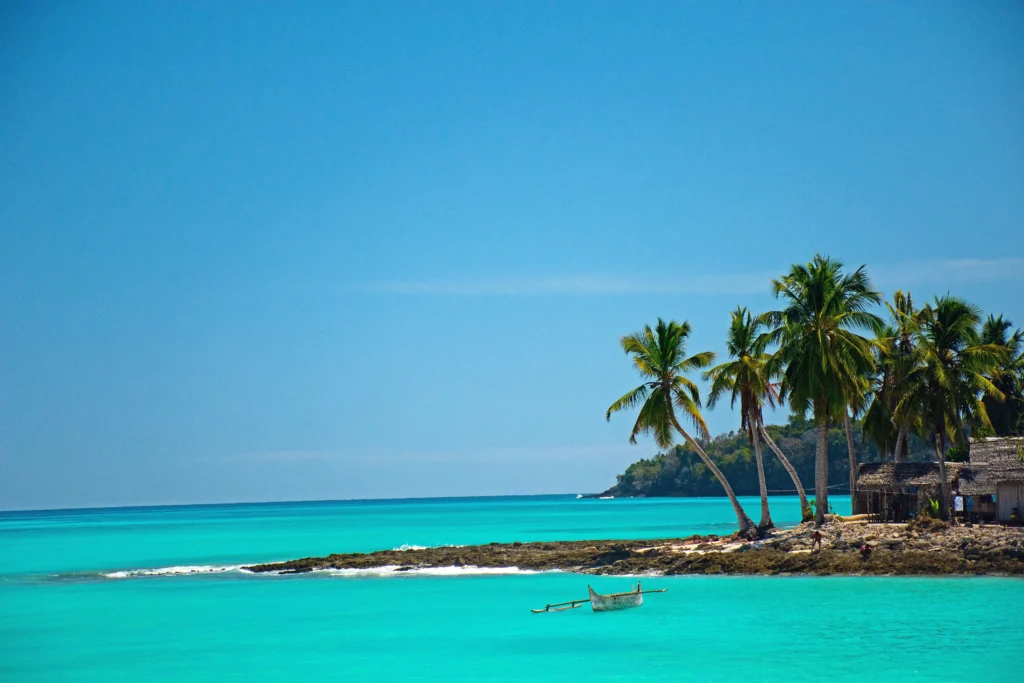
Snorkeling with turtles, sailing trips and white-sand beaches. Between July and September, humpback whales arrive at Sainte-Marie.
Where to eat nearby: fresh seafood with vanilla and coconut by the sea.
Antananarivo and the Highlands
The capital and its hills, with markets, palaces and terraced rice paddies. A good cultural finish to the trip.
Visa and Paperwork Before Your Trip to Madagascar
U.S. citizens need a visa for Madagascar. It can be obtained online before traveling or on arrival at the airport. Fees rose in February 2026 and sources differ on the amounts, so confirm on the official e-visa portal.
| Procedure | What to know | When |
|---|---|---|
| Tourist visa | It is applied for online before traveling or on arrival in Antananarivo. For 30 days it costs about €35 (around $40), with 15-day, 60-day and 90-day options at different prices; the 15-day fee rose to about €30 in February 2026. Visa on arrival is paid in cash. Fees are approximate and sources differ, so confirm on the official e-visa portal (evisamada-mg.com). | Before traveling |
| Passport | It should be valid for at least 6 months from your arrival and have blank pages. If you hold another nationality, check its requirements, because they vary. | Before buying the ticket |
| Onward ticket | A return or onward ticket is requested. | At boarding and on arrival |
| Hotel reservation | It is a good idea to carry the booking for your first night and your itinerary. | On arrival |
| Funds | It is a good idea to show sufficient funds for your stay. | On arrival |
| Malaria | There is a risk in much of the country. Talk to your doctor about prophylaxis. | 4 to 6 weeks ahead |
| Minors | Each child needs their own passport and, if traveling with only one parent or with third parties, a notarized consent letter. | Before traveling |
| Travel insurance | Get one with international medical and evacuation coverage. | Before traveling |
How to Get Your Entry Step by Step
- Confirm with your advisor the type of visa and the days of stay.
- Apply for the visa online on the official portal of the Government of Madagascar, or bring it on arrival with cash.
- Check that your passport has 6 months of validity and blank pages.
- Save the confirmation on your phone and carry a printed copy.
- Bring your onward ticket and the booking for your first night.
- Talk to your doctor about malaria prophylaxis.
Immigration rules can change at short notice. That is why I prepare each procedure with my clients and review the conditions close to the travel date.
Beyond the Postcard: Reads That Reveal the Soul of Madagascar
Before your feet touch its soil, let your mind travel. Here are my literary recommendations so you can soak up the essence of Madagascar and experience every corner from another perspective.


Frequently asked questions about traveling to Madagascar
Do I need a visa to travel to Madagascar from the U.S.?
Yes. U.S. citizens can apply for the visa online before traveling or on arrival in Antananarivo. For 30 days it costs about €35 (around $40); fees rose in 2026 and sources differ, so confirm on the official e-visa portal. Your passport should be valid for at least 6 months.
What is the best time to travel to Madagascar?
From May to October, in the dry season. It is the best time to see lemurs, baobabs and tsingy. From July to September humpback whales are seen at Sainte-Marie.
How many days do I need for a trip to Madagascar?
Between 10 and 14 days lets you combine rainforest, baobabs and beach. With less time it is best to choose one or two regions, because distances are long.
Which animals can you see in Madagascar?
Lemurs, such as the indri, the sifaka and the ring-tailed lemur, plus chameleons, geckos and hundreds of species of birds and frogs. More than 90% of the wildlife is endemic.
Is it safe to travel to Madagascar?
Yes, with precautions. It is a calm destination for tourism, but there is petty theft in the cities. It is best to use private transport, not walk at night and get insurance with evacuation coverage.
Do you tip in Madagascar?
Yes. You tip the guide, the driver and the lodge staff separately, in ariary or euros. Amounts vary by service, and your operator will give you a reference.
Is there malaria risk in Madagascar?
Yes, in much of the country. Talk to your doctor 4 to 6 weeks ahead about prophylaxis, and use repellent and long sleeves at dusk.
Can I combine Madagascar with other destinations?
Yes. Madagascar combines very well with Mauritius, Seychelles, Mozambique or South Africa. Check the requirements of each destination.
How much does a trip to Madagascar cost?
It depends on the level and the activities. As a reference, a 10 to 12 day trip with flights from the U.S. costs $6,100 to $9,400 per person at an essential level, $8,200 to $12,800 at an intermediate one and from $12,800 at a premium one, with trip design and management included. These are estimates from November 2026.
Let's Design Your Trip to Madagascar Together
Madagascar is enjoyed far more when the regions, the internal flights, the lodges and the transfers are planned as a single trip. Tell me what you are looking for, whether jungle, baobabs or beach, and we will design it around you.
Combine Madagascar With Other Destinations
- Mauritius: beaches and lagoons an hour’s flight away.
- Seychelles: granite islands and white sand.
- Mozambique: Indian Ocean islands and reefs.
- South Africa: safari in Kruger and the Garden Route.
- Kenya: the savanna and the Great Migration.
If you are traveling as a couple, discover my honeymoon trips. If you prefer to share the experience, explore the group trips.

Ari Garduno
Passionate traveler of the authentic, the unexpected and what leaves a mark.


Deja un comentario