



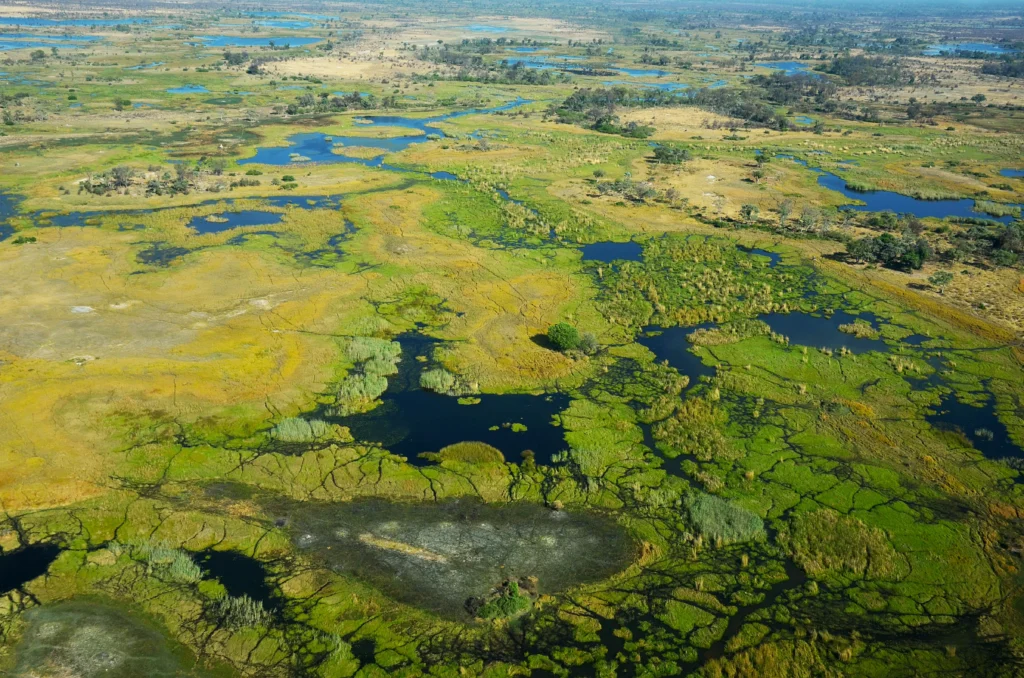
There are places where nature is not visited: it is heard. In the Okavango Delta, the water arrives from Angola when the rain has stopped, and in the dry heart of winter thousands of animals gather on islands that seem to float. A mokoro, the traditional dugout canoe, glides among water lilies without a sound.
That is why a custom safari in Botswana is designed with precision. It is a country of low-impact, high-value tourism: few camps, huge private concessions and an exclusivity you pay for. Those who arrive prepared live one of the best safaris in Africa. Those who don’t find out too late that the date and the area change everything.
This guide goes beyond the postcard. Besides the regions, the camps and the activities, I tell you what almost nobody explains: what it really costs, what paperwork you need as a U.S. traveler, what is rude, what is illegal, and what you can and can’t bring.


There are places where nature is not visited: it is heard. In the Okavango Delta, the water arrives from Angola when the rain has stopped, and in the dry heart of winter thousands of animals gather on islands that seem to float. A mokoro, the traditional dugout canoe, glides among water lilies without a sound.
That is why a custom safari in Botswana is designed with precision. It is a country of low-impact, high-value tourism: few camps, huge private concessions and an exclusivity you pay for. Those who arrive prepared live one of the best safaris in Africa. Those who don’t find out too late that the date and the area change everything.

This guide goes beyond the postcard. Besides the regions, the camps and the activities, I tell you what almost nobody explains: what it really costs, what paperwork you need as a U.S. traveler, what is rude, what is illegal, and what you can and can’t bring.
Why Botswana Is Unlike Any Other Destination
Botswana is one of the few places in the world where you can:
- Paddle a delta that floods in the middle of the dry season.
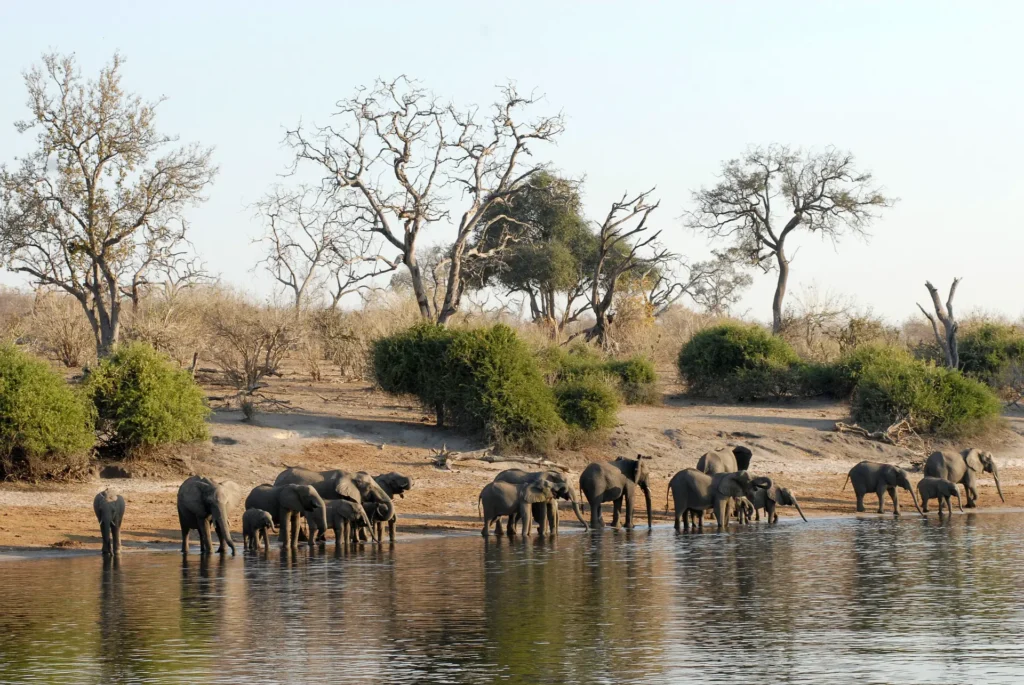
- See herds of elephants on the Chobe River, home to the largest elephant population in Africa.
- Walk with guides on Okavango islands, with no other vehicles in sight.
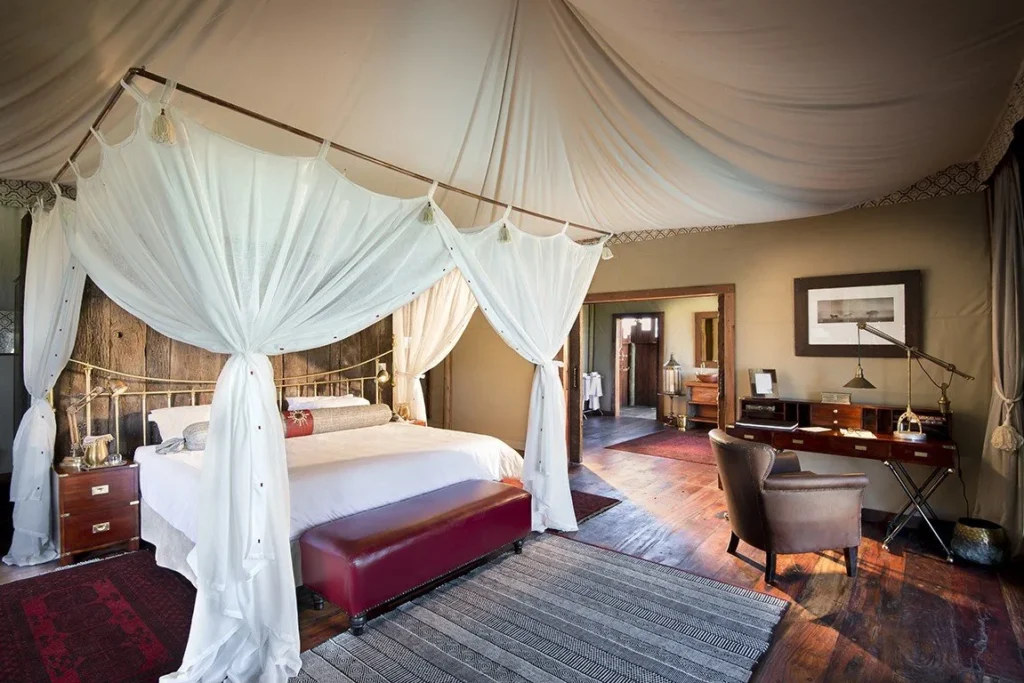
- Sleep in a camp of just a few tents inside a private concession of hundreds of thousands of acres.
What makes it unique is carefully protected exclusivity. Permits limit the number of beds, so there are no crowds. It is a stable, safe country with a clear conservation philosophy.
It is a destination you enjoy far more with good logistics. Almost everything moves by small bush planes, rates are high and dates sell out a year ahead. That is why below you will find sections on budget, etiquette, laws, customs and paperwork.
Be a traveler. Not a Tourist.
Ready to design your next adventure?
Best Time to Visit Botswana

Botswana’s seasons are those of the Southern Hemisphere, the opposite of the U.S. The best time depends on what you want to experience, and my recommendation is not to pick the date before defining your priorities.
| Season | Months | The best | Keep in mind |
|---|---|---|---|
| Dry winter | June to August | The delta receives the flood and animals concentrate near the water. Excellent for big cats, wild dogs and canoe safaris. | Mornings and nights are very cold. It is high season and rates go up. |
| End of the dry season | September and October | The best time to see elephants on the Chobe River and animals at the waterholes. Days are warm and clear. | Intense heat, dust and peak occupancy. |
| Rainy summer | November to March | Green landscapes, migratory birds, young animals and the zebras of Makgadikgadi. Lower rates. | Heat, afternoon rain, difficult roads and some malaria risk. |
| Fall | April and May | Mild days, green countryside and few visitors. The water level starts to rise. | The delta is not yet full. Choose your camp carefully. |
If the classic safari is your priority, June to October is the best window. If you prefer young animals, birds and lower rates, the green season has its own magic. When I combine Botswana with other destinations, I design the order of the trip according to the weather in each region.


Real Budget: How Much Does a Safari in Botswana Cost?
I’ll be straight with you: Botswana is one of the most expensive safaris in Africa. The reason is the low-impact model: few visitors, private concessions and bush-plane flights. These figures are market estimates from November 2026, per person and in U.S. dollars.
Flights from the U.S.
There are no nonstop flights from the U.S. to Botswana. The usual route is a connection to Johannesburg and from there to Maun or Kasane. The ticket typically costs about $1,700 to $2,800 per person in economy, depending on your departure city and the season. On top of that come the bush planes between camps, which are best included from the start.
Safari: Lodging per Night
| Level | Per person per night | What to expect |
|---|---|---|
| Essential | $400 to $700 | Comfortable camps or lodges in Chobe and Maun, with meals and activities. |
| Intermediate | $700 to $1,200 | Camps in private Okavango concessions, with canoe and walking activities. |
| Premium | $1,200 to $2,200 | Camps of a few tents, signature cuisine and very strong guides. |
| Ultra-luxury | $2,200 to $4,500 or more | The most exclusive brands, with private villas and flights included. |
These rates usually include lodging, all meals, activities twice a day, basic drinks and transfers to the camp. Flights between camps, premium wines and tips are paid separately, although some camps include the bush planes. From June to October and at Christmas, prices go up.
Estimated Total Budget (per person, 8 to 10 days, with 6 safari nights)
| Level | Estimated total, with flights from the U.S. | What the trip looks like |
|---|---|---|
| Essential | $9,600 to $12,800 | Chobe and a camp in Maun or the Okavango, with bush-plane flights. |
| Intermediate | $13,800 to $19,400 | Two or three Okavango concessions, Chobe and private bush planes. |
| Premium | From $21,000, and over $36,000 at the very top | Ultra-luxury camps, private flights and exclusive activities. |
These ranges include flights, lodging, meals, activities, transfers and the bush planes. They include the design and full management of the trip: bookings, transfers, guides and support. They do not include tips, personal shopping or travel insurance. The nightly rates are market reference rates. The investment is protected by designing the trip well: I help you decide where it is worth spending and where not.
Where to Stay in Botswana
In Botswana, the lodging defines the experience. Almost all are camps of a few tents, inside private concessions.
Okavango Delta
There are camps on islands surrounded by water and others on dry land. The first offer canoes and walks, and the second, more vehicles and big cats. The water level changes what you can do at each one.
Chobe River and Linyanti
Lodges facing the Chobe River offer boat rides to see elephants. In Linyanti and Savuti, more remote, there are wild dogs and lions. They are my recommendation for those who already know other safaris.
Moremi and Khwai
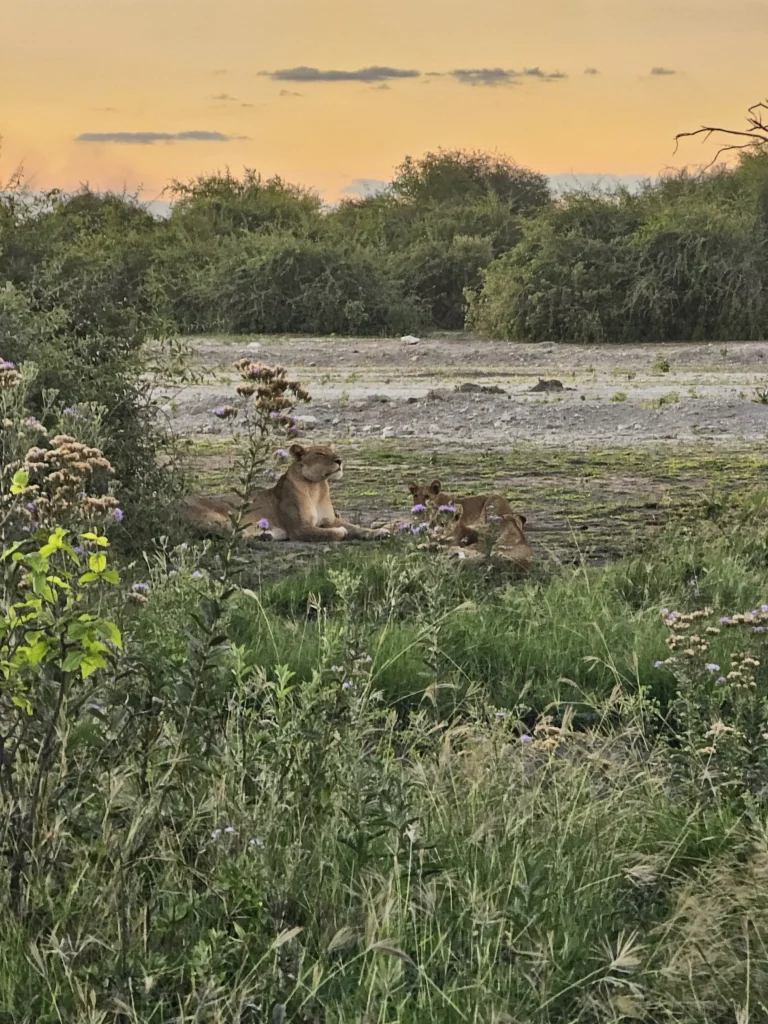
Between Moremi and Khwai, the delta blends with savanna and forest. It offers some of the best big-cat sightings in the country.
Kalahari and the Makgadikgadi Salt Pans
In the Central Kalahari and Makgadikgadi, the landscape is a white desert. You can enjoy meerkats, walks with the San and starry nights. From December to March the zebras arrive.
What to Expect on Your Trip Through Botswana
Language. English and Setswana are official, and English is widely understood in tourism. A few words open smiles: dumela (hello) and ke a leboga (thank you).
Currency and cash. The currency is the pula (BWP). In tourism, U.S. dollars are used, and Visa and Mastercard cards are accepted at lodges and hotels. Bring some cash for tips.
Getting there. There are no nonstop flights from the U.S. Total travel time usually exceeds 24 hours. Botswana is 6 to 10 hours ahead of the U.S., depending on the coast and the season.
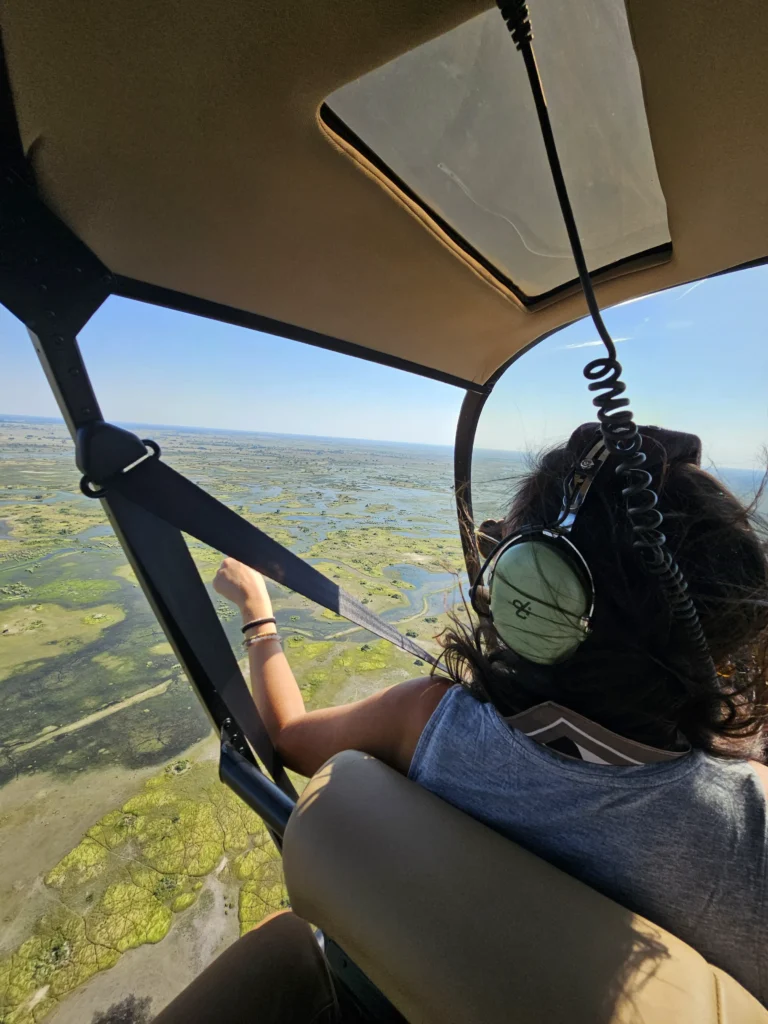
Transportation. Almost everything is done on small bush planes, with a baggage limit of about 44 pounds (20 kg) in a soft bag. In Botswana you drive on the left. I don’t recommend self-driving in the parks.
Connectivity and adapters. Outlets are type D, G and M, at 230 V and 50 Hz. Bring a universal adapter. Connectivity at the camps is limited and is part of the charm.
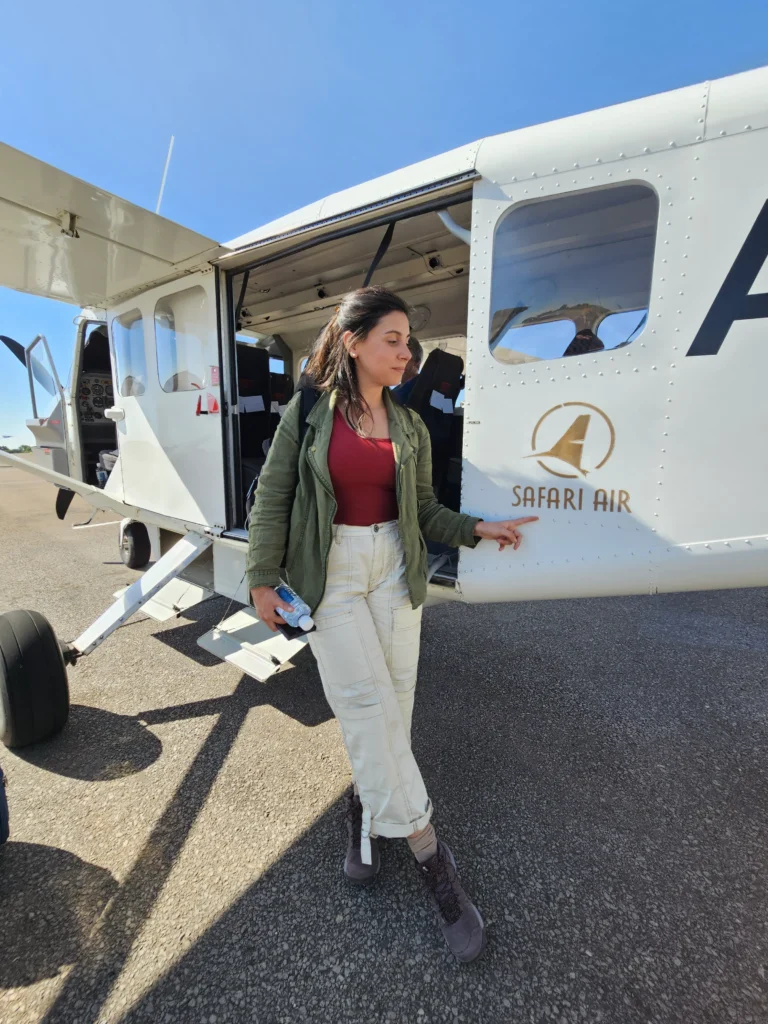
Weather and clothing. Travel in layers. In winter, mornings in an open vehicle are very cold. Bring neutral colors, a hat, sunscreen and comfortable shoes.
Health. In the north, including the Okavango and Chobe, there is a malaria risk, especially from November to May. Talk to your doctor or a travel clinic well in advance about prophylaxis. Get travel insurance with medical and evacuation coverage, which is especially important in Botswana because of the remoteness.
Safety. Botswana is one of the most stable and safest countries in Africa. Even so, in cities like Maun and Kasane it is wise to keep your valuables secure. In the bush, the most important thing is to follow your guide’s instructions.
Culture. Botswana has been a stable democracy since its independence in 1966. The Tswana people value peace and consensus, and the kgotla, the traditional assembly, remains important. The San, one of the oldest peoples on the continent, live in the Kalahari.
Food. Try seswaa (shredded beef), bogobe (sorghum or maize porridge), leafy-green stews and biltong. At the camps, the cooking is usually international and very carefully done, with freshly baked bread and dinners by the fire.
My basic guide for any trip
The Okavango Delta: The Reality Behind the Magic
The delta can’t be controlled. It is interpreted.
The water level changes every year. A camp famous for its canoes may not have them if the flood arrived late, and a dry-land camp may end up surrounded by water. The flood comes from Angola months late, so the peak doesn’t match the local rain. That is why I check the water conditions before choosing a camp, and not just its name.
Animals move too. Big cats, wild dogs and elephants change areas with the season. What does raise your odds is staying at least three nights in each area, mixing water and dry land, and trusting guides who know their concession inch by inch.
The key is realistic expectations, preparation, patience and a good guide.
Etiquette: Dos and Don'ts in Botswana
The Tswana are calm, courteous and reserved. These customs help you travel respectfully and avoid misunderstandings.
| Topic | Avoid | Instead |
|---|---|---|
| Greetings | Jumping into a conversation without greeting. | Always greet with "dumela" and a handshake. It is customary to hold your forearm with the other hand. |
| Tipping | Leaving without a tip or giving everyone the same amount. | Tip the guide and the staff separately. Many camps have a common tip box. Your operator will give you a reference. |
| Photography | Photographing people without permission, especially San communities. | Ask first. Some communities ask for a small payment. |
| Safari | Speaking loudly, standing up in the vehicle or approaching an animal. | Follow the guide's instructions and keep quiet when asked. |
| Dress | Flashy clothing on safari. | Wear neutral tones and dress modestly in villages. |
| Elders | Addressing an older person too casually or interrupting them. | Treat them with respect and let them speak first. |
| Pace | Expecting the strict punctuality of other countries. | Arrive on time, with patience. |
| Environment | Leaving trash or going off the tracks. | Carry your waste with you and respect the trails. |
At the camps, the staff are like a small family. Greeting someone by name and a sincere “ke a leboga” are remembered more than any grand gesture.
Laws to Know Before Traveling to Botswana
Not knowing the law is no defense in any country. These are the rules that surprise travelers most in Botswana.
| Topic | What the rule says | Consequence |
|---|---|---|
| Drugs | Possession and trafficking of drugs are crimes. Don't bring cannabis, even though there have been recent reforms in the region. | Detention and prison sentences. |
| Drinking and driving | The driving limit is low and checks are frequent. In Botswana you drive on the left. | Fines and detention. If you drink, don't drive. |
| Wildlife | It is prohibited to get out of the vehicle outside authorized areas, feed animals or approach them. | Fines, expulsion and a real risk to your safety. |
| Photography | Military installations, airports and government buildings must not be photographed. | Detention and confiscation of equipment. |
| Drones | Drones require a permit and are usually banned in parks and concessions. | Fines and confiscation. Ask first. |
| Wildlife products | Ivory, rhino horn and products from wild animals are protected. | Criminal charges. Don't buy them or try to take them out of the country. |
| Animal disease control | There are veterinary fences, and at checkpoints shoes are disinfected and luggage is inspected. | Confiscation of meat and dairy. Always cooperate. |
Customs: What You Can and Can't Bring Into Botswana
Botswana closely monitors animal health, so customs is strict about certain foods. It helps to have these rules clear before packing.
| Item | Rule | Notes |
|---|---|---|
| Meat, dairy and animal products | Entry is restricted or banned because of foot-and-mouth disease control. | Don't bring cured meats, cheeses or meat. |
| Fruit, plants and seeds | Require authorization. | If in doubt, declare them. |
| Medications | Allowed for personal use, in original packaging and with a prescription or a doctor's letter. | Keep your prescriptions. |
| Drugs and narcotics | Banned. | They can lead to detention. |
| Weapons and ammunition | Banned without a special permit. | If you buy knives, they travel in checked luggage. |
| Wildlife products | Banned. | Includes souvenirs made from those materials. |
| Cash | Large amounts must be declared. | Confirm the threshold with your operator if you carry a significant sum. |
| Bags and luggage on bush planes | Bush planes limit luggage to about 44 pounds (20 kg) in a soft bag. | Hard-shell suitcases are avoided. |
Activities That Define the Botswana Experience (and Where to Eat Nearby)
In Botswana, the table and the landscape go together: every camp has its own kitchen. That is why each activity comes with what is worth eating nearby.
Okavango Delta: Mokoro and Safari
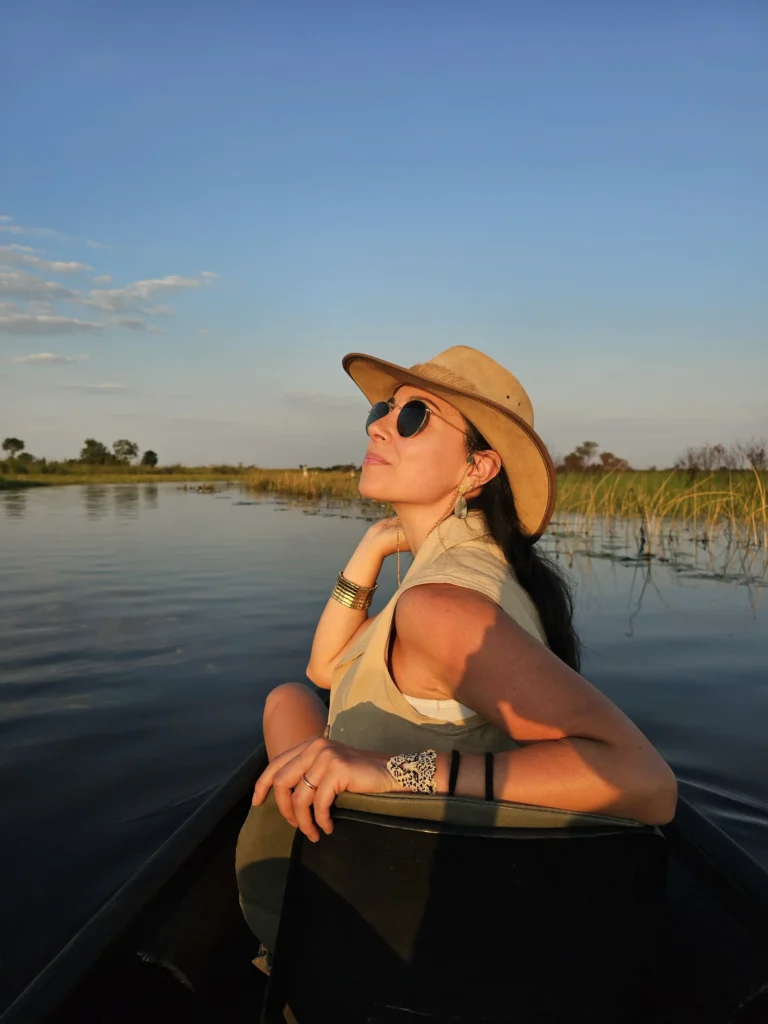
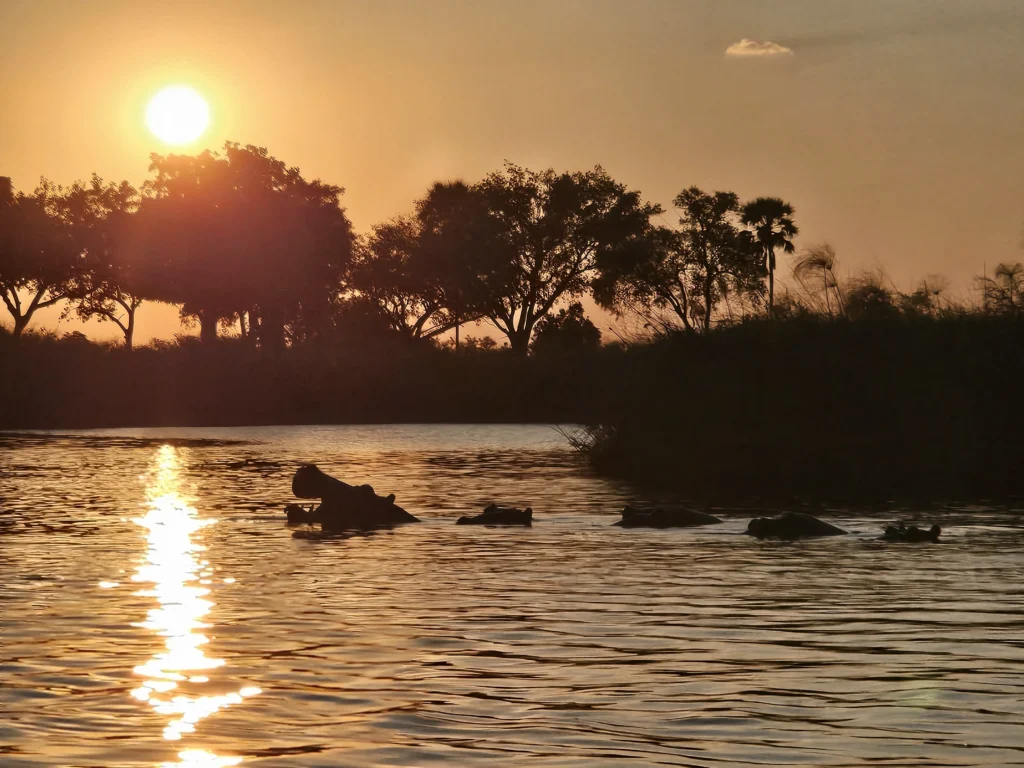
Travel the delta by mokoro, the traditional canoe propelled with a pole, and walk the islands with a guide. With luck you will see hippos, elephants and hundreds of birds. Combine water and dry land to see more.
Where to eat nearby: a bush breakfast on an island and dinner in the boma, an open-air enclosure with a fire, with grilled meats.
Chobe River: Elephants and Boat Safari
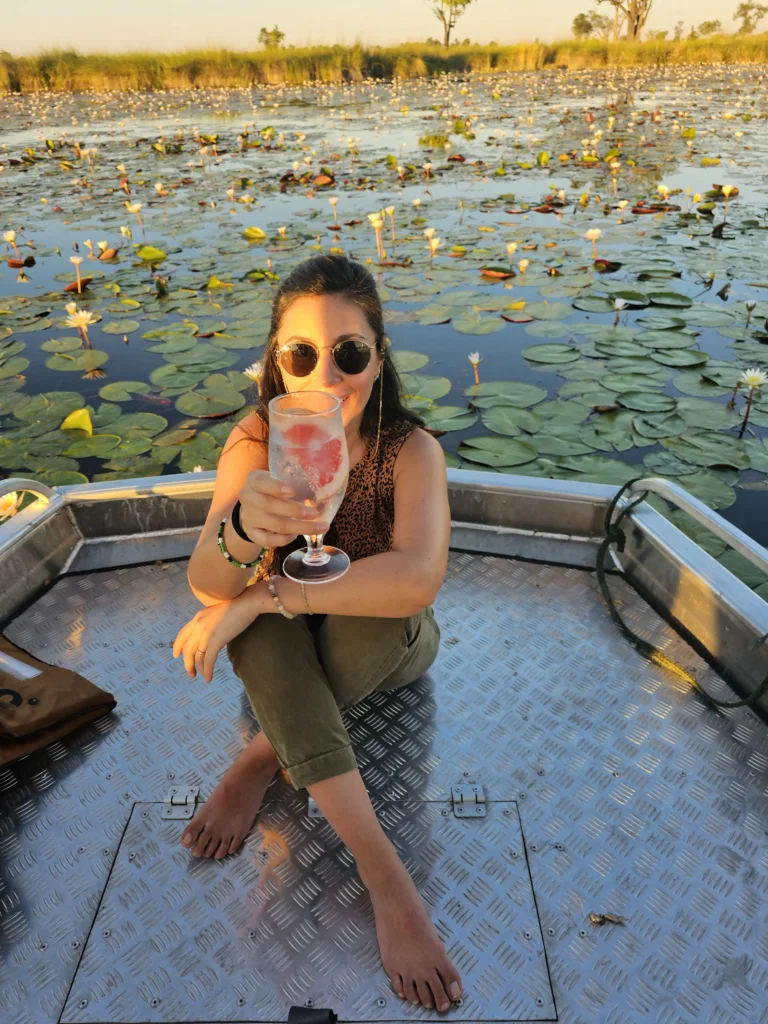
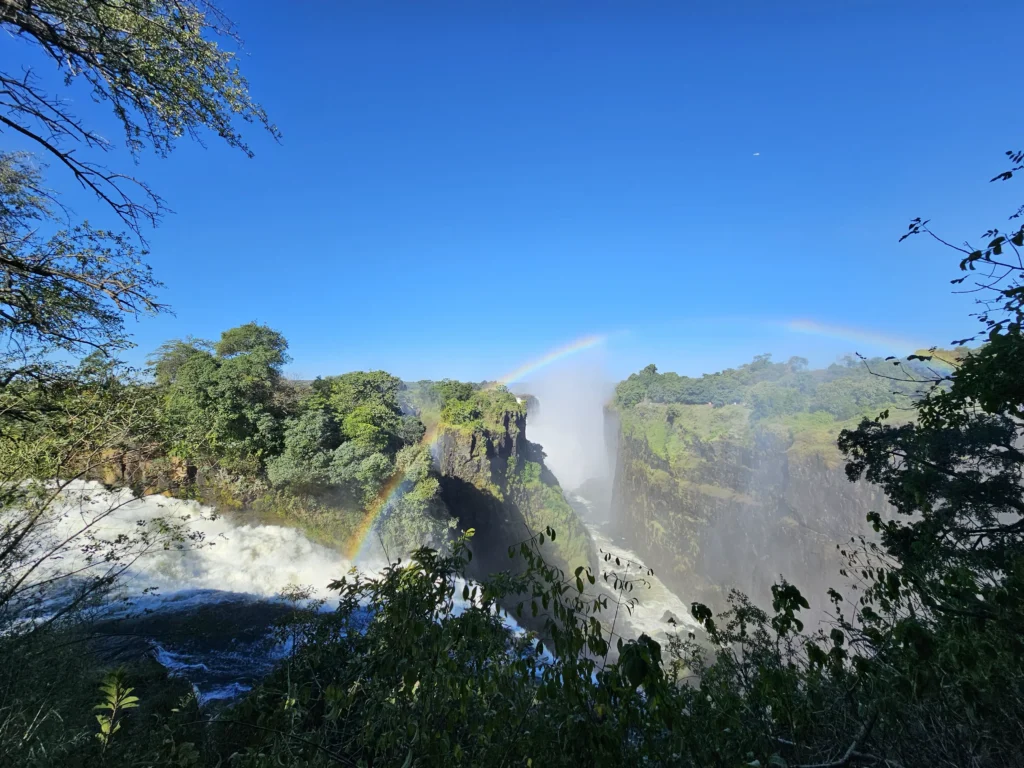
Chobe National Park has enormous herds of elephants. Cruising the river at sunset is one of the most photogenic moments of the trip. From Kasane you can easily reach Victoria Falls.
Where to eat nearby: dinner on a lodge terrace overlooking the river, and international cooking in Kasane.
Moremi and Khwai: Big Cats
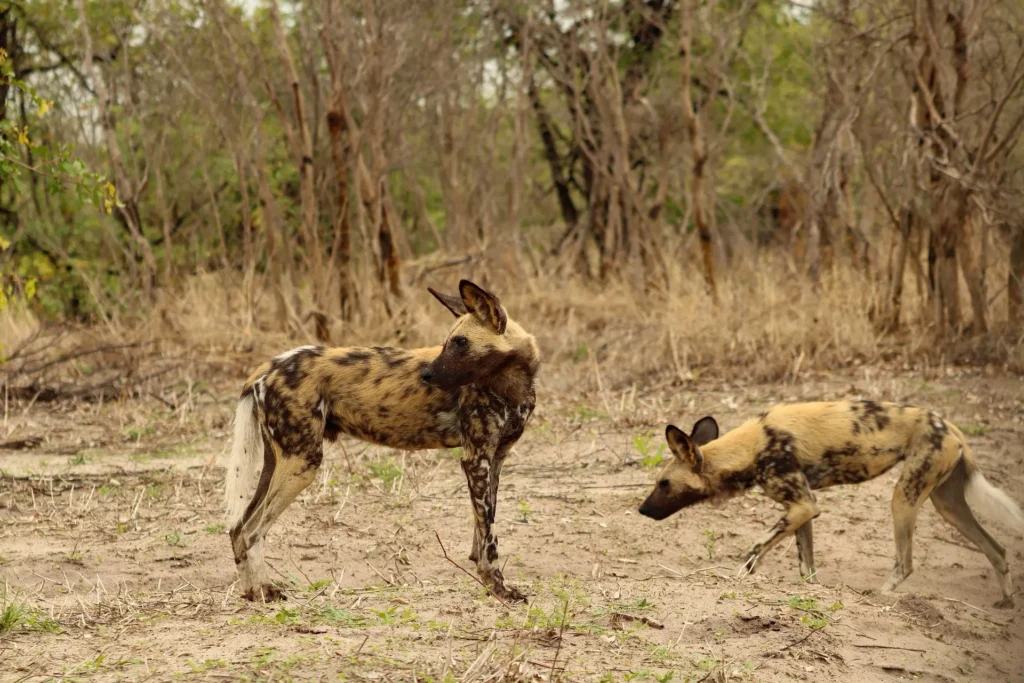
The concessions around Moremi allow you to go off-road and do night drives. It is one of the best places to follow lions, leopards and wild dogs.
Savuti and Linyanti
These are remote areas, with large prides of lions, hyenas and elephants. Ideal for those returning to Botswana who want a rawer safari.
Makgadikgadi Salt Pans
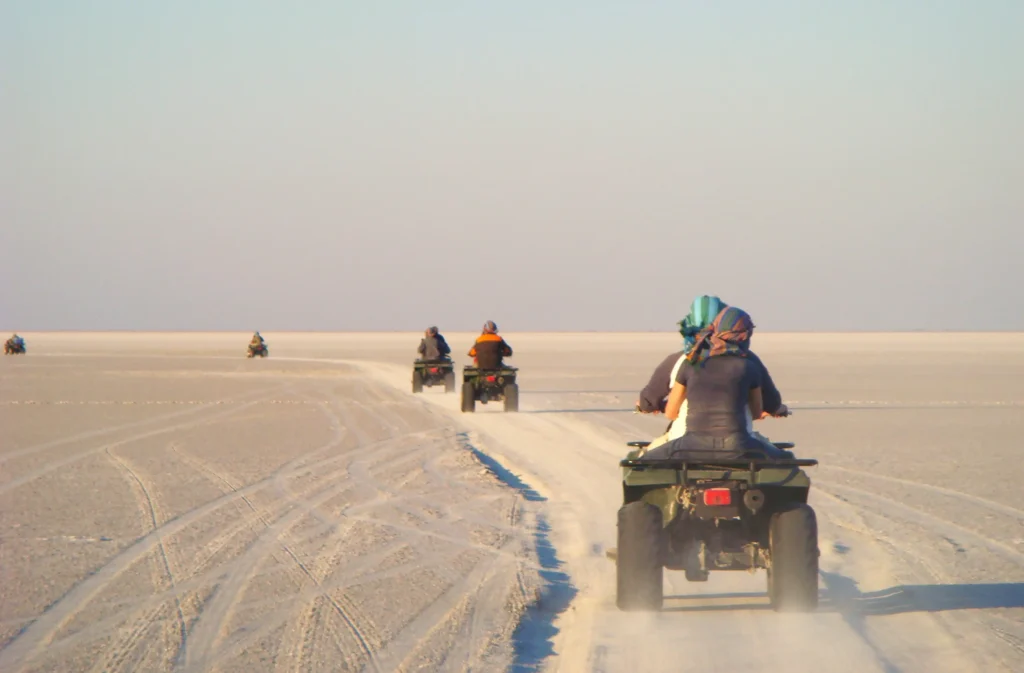
One of the largest salt flats in the world. You explore it by quad bike or on foot with the San, and sleep under a sky with no light pollution. From December to March the migratory zebras arrive.
Where to eat nearby: dinner by the fire on the salt, with wine and a sky full of stars.
Central Kalahari and Tsodilo
Meerkats, the desert and the rock paintings of the Tsodilo Hills, a World Heritage Site, offer a lesser-known side of the country. They require more days and good logistics.
Victoria Falls From Kasane
Visa and Paperwork Before Your Trip to Botswana
Good news: U.S. citizens do not need a visa to enter Botswana as tourists. Even so, there are requirements worth having clear before you buy the ticket.
| Procedure | What to know | When |
|---|---|---|
| Visa | Not required for tourism for U.S. citizens. The permitted stay is up to 90 days. | Not applicable |
| Passport | It should be valid for at least 6 months and have at least 3 blank pages (the U.S. State Department lists 3 for Botswana). If you hold another nationality, check its requirements, because they vary. | Before buying the ticket |
| Onward ticket | Airlines and immigration may ask for a return or onward ticket. | At boarding and on arrival |
| Yellow fever | The international certificate is required if you arrive from a risk country, or after a long transit in one. If you combine with Kenya, Tanzania, Uganda or Zambia, bring it. | Get vaccinated at least 10 days ahead |
| Malaria | There is a risk in the north, especially from November to May. Talk to your doctor. | 4 to 6 weeks ahead |
| Minors | Each child needs their own passport and, if traveling with only one parent or with third parties, a notarized consent letter. | Before traveling |
| Travel insurance | Get one with international medical and evacuation coverage. | Before traveling |
If you cross into Zambia or Zimbabwe, each country has its own visa rule. That is why I review each requirement with my clients close to the travel date.
Beyond the Postcard: Reads That Reveal the Soul of Botswana
Before your feet touch its soil, let your mind travel. Here are my literary recommendations so you can soak up the essence of Botswana and experience every corner from another perspective.


Frequently asked questions about traveling to Botswana
Do I need a visa to travel to Botswana from the U.S.?
No. U.S. citizens can enter Botswana as tourists without a visa for up to 90 days. Your passport should be valid for at least 6 months and have at least 3 blank pages, and you may be asked for an onward ticket.
What is the best time for a safari in Botswana?
From June to October, which is the dry season. The delta receives the flood and animals concentrate near the water. September and October are ideal for the Chobe elephants, although it is very hot.
How many days do I need for a safari in Botswana?
Between 7 and 10 days lets you combine the Okavango Delta and Chobe, with at least three nights in each area. With less time, the trip is reduced to a single region.
Is it safe to travel to Botswana?
Yes. Botswana is one of the most stable and safest countries in Africa. In cities like Maun and Kasane it is wise to keep valuables secure, and at the camps the most important thing is to follow your guide’s instructions.
Do you tip in Botswana?
Yes. You tip the guide and the camp staff separately, and the staff usually has a common tip box. Amounts vary by camp, and your operator will give you a reference.
Is there malaria on safaris in Botswana?
In the north of the country, including the Okavango and Chobe, there is a malaria risk, especially from November to May. Talk to your doctor or a travel clinic about prophylaxis and use repellent.
What can't I bring to Botswana?
You can’t bring drugs, weapons or wildlife products. The entry of meat, dairy and animal products is restricted, and fruit and plants require authorization. Medications must be in their original packaging, with a prescription.
Can I combine Botswana with other destinations in Africa?
Yes. Botswana combines very well with Victoria Falls in Zambia or Zimbabwe, with Namibia and with South Africa. If you pass through a yellow-fever-risk country, bring your vaccination certificate.
How much does a safari in Botswana cost?
It is one of the most expensive safaris in Africa. As a reference, an 8 to 10 day trip with flights from the U.S. costs $9,600 to $12,800 per person at an essential level, $13,800 to $19,400 at an intermediate one and from $21,000 at a premium one, with trip design and management included. These are estimates from November 2026.
Let's Design Your Trip to Botswana Together
Botswana is enjoyed far more when the water, the camps, the bush planes and the transfers are planned as a single trip. Tell me what you are looking for, whether the delta, the elephants, the big cats or the desert, and we will design it around you.
Combine Botswana With Other Destinations in Africa
If you are traveling as a couple, discover my honeymoon trips. If you prefer to share the experience, explore the group trips.

Ari Garduno
Passionate traveler of the authentic, the unexpected and what leaves a mark.


Deja un comentario