

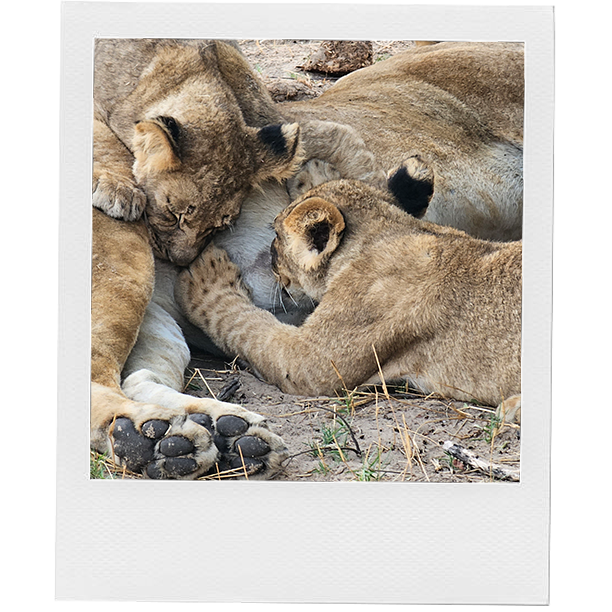
There are places where nature shows up on a scale you didn’t expect. In Zimbabwe, the smoke of Victoria Falls can be seen from miles away, the elephant herds of Hwange are counted in the hundreds and the trails of Mana Pools let you walk among wild animals without a single fence.
A custom safari in Zimbabwe is designed with attention. The parks differ from one another, the infrastructure is simpler than in other countries of southern Africa and each region has its best month. Those who plan it well find an authentic destination, with few visitors and excellent guides.
This guide goes beyond the postcard. Besides the parks, the camps and the activities, I tell you what almost nobody explains: what it really costs, what paperwork you need as a U.S. traveler, what is rude, what is illegal and what you can bring.
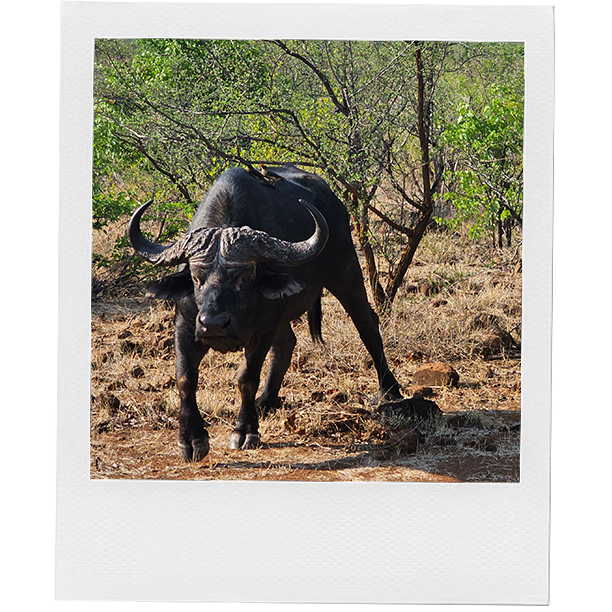
There are places where nature shows up on a scale you didn’t expect. In Zimbabwe, the smoke of Victoria Falls can be seen from miles away, the elephant herds of Hwange are counted in the hundreds and the trails of Mana Pools let you walk among wild animals without a single fence.
A custom safari in Zimbabwe is designed with attention. The parks differ from one another, the infrastructure is simpler than in other countries of southern Africa and each region has its best month. Those who plan it well find an authentic destination, with few visitors and excellent guides.
This guide goes beyond the postcard. Besides the parks, the camps and the activities, I tell you what almost nobody explains: what it really costs, what paperwork you need as a U.S. traveler, what is rude, what is illegal and what you can bring.
Why Zimbabwe Is Unlike Any Other Destination
Zimbabwe is one of the few places in the world where you can:
- See Victoria Falls from the Zimbabwean side, with the best frontal view of the drop.
- Watch hundreds of elephants at the waterholes of Hwange National Park.
- Walk among elephants, lions and wild dogs in Mana Pools, a World Heritage Site.
- Track rhinos on foot in the granite hills of Matobo.
What makes it unique is the character. Zimbabwe has some of the best-trained guides in Africa, parks with few visitors and a proud culture, with stone ruins eight centuries old. It is also a country with infrastructure challenges that show in the services, though not in the warmth of its people.
It is a destination you enjoy far more with good logistics. There are long distances, camps that close with the rains and rules worth knowing. That is why below you will find sections on budget, etiquette, laws, customs and visa.
Be a traveler. Not a Tourist.
Ready to design your next adventure?
Best Time to Visit Zimbabwe
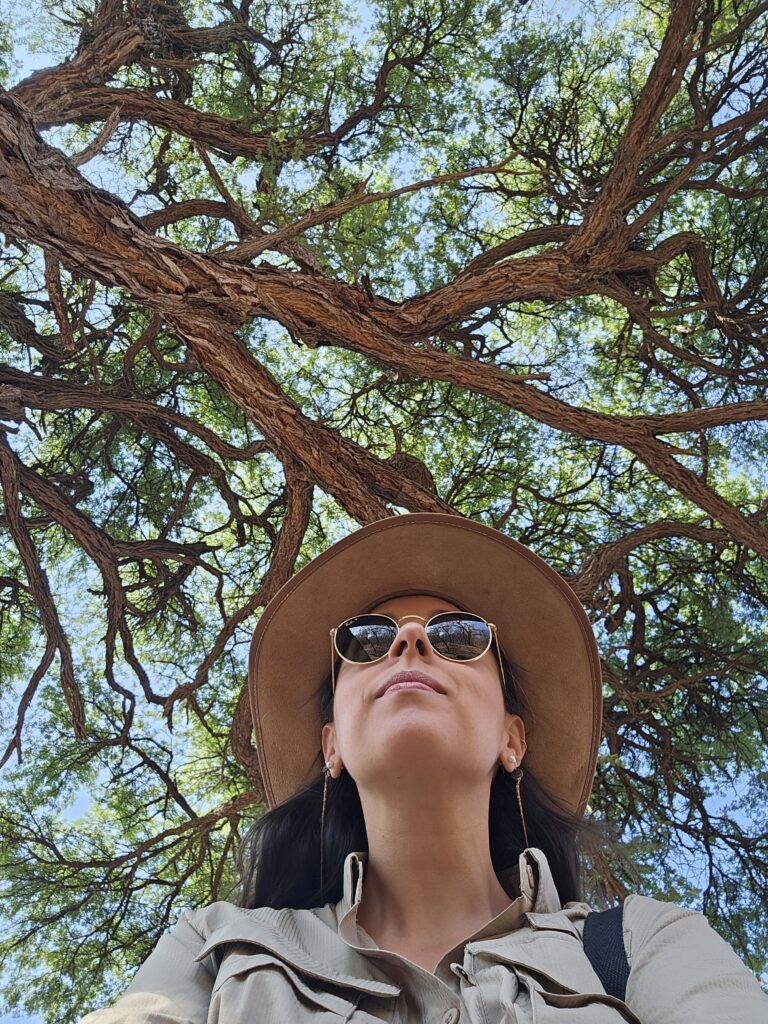
Zimbabwe has a dry season, from May to October, and a rainy one, from November to April. The best time depends on what you want to see, and my recommendation is to decide it based on whether the heart of the trip is the parks or the falls.
| Season | Months | The best | Keep in mind |
|---|---|---|---|
| Dry and cool | May to August | Perfect weather for walking and for seeing wildlife. The falls are still very full in May. Mana Pools opens and the roads are in good shape. | Mornings are cold on safari. It is a very popular season. |
| Dry and hot | September to October | The best time to see elephants and predators in Hwange and Mana Pools, because animals concentrate at the waterholes. | Strong heat. The falls have little flow. |
| Rains | November to March | Green landscapes, migratory birds, young animals and fewer visitors. | Many camps close and roads become difficult. Mana Pools closes. |
| Falls at their peak | February to May | The greatest flow of Victoria Falls, with an imposing view from the Zimbabwean side. | The mist can hide part of the view. Bring a rain jacket. |
If you dream of a concentrated-wildlife safari, travel between August and October. If the falls are the heart of the trip, my recommendation is to travel between February and May, with a good rain jacket.


Real Budget: How Much Does a Safari in Zimbabwe Cost?
I’ll be straight with you: Zimbabwe tends to be more accessible than other safari destinations in southern Africa, although flights and remote camps add up. These figures are market estimates from November 2026, per person and in U.S. dollars.
Flights from the U.S.
There are no nonstop flights from the U.S. to Zimbabwe. The usual route is a connection in Europe, the Middle East or Johannesburg to Victoria Falls. The ticket typically costs about $1,600 to $2,600 per person in economy, depending on your departure city and the season. On top of that come the internal bush-plane flights to the parks, which are best included from the start.
Safari: Lodging per Night
| Level | Per person per night | What to expect |
|---|---|---|
| Essential | $220 to $400 | Comfortable lodges and camps with all meals and activities. |
| Intermediate | $400 to $750 | Carefully designed camps, a good guide and better location. |
| Premium | $750 to $1,400 | Few tents, signature cuisine and very personalized attention. |
| Ultra-luxury | $1,400 to $2,500 or more | The most exclusive properties, with private service and flights included. |
Nightly rates usually include lodging, meals, safaris and basic drinks, although each camp explains it differently. Park fees and internal flights may be added on top. From July to October and at Christmas, prices rise considerably.
Victoria Falls
Victoria Falls is a small town, with hotels ranging from mid-range to luxury lodges overlooking the Zambezi. It is the flexible part of the budget, and my recommendation is to leave it for the first or the last two or three days of the trip.
Estimated Total Budget (per person, 9 to 11 days, with safari in 2 parks and the falls)
| Level | Estimated total, with flights from the U.S. | What the trip looks like |
|---|---|---|
| Essential | $5,200 to $7,800 | Comfortable lodges in Hwange or Mana Pools and a few days at the falls. |
| Intermediate | $7,800 to $11,800 | Design camps, internal flights, good guides and a lodge at the falls. |
| Premium | From $13,000, and over $22,000 at the very top | Exclusive camps, walking safaris with private guides and luxury lodges on the Zambezi. |
These ranges include flights, lodging, meals, park fees, transfers and the main activities. They include the design and full management of the trip: bookings, transfers, guides and support. They do not include tips, personal shopping or travel insurance. The nightly rates are market reference rates. The investment is protected by designing the trip well: I help you decide where it is worth spending and where not.
Where to Stay in Zimbabwe
In Zimbabwe, lodging is part of the safari. The usual approach is to combine camps in different parks with a lodge at the falls.
Lodges in Hwange
Hwange is the largest park in the country. Lodges sit near waterholes, some with ground-level viewing platforms to see elephants up close.
Mana Pools
It is a remote, wild park on the banks of the Zambezi, with camps of a few tents. You can walk without a vehicle, always with a guide. It closes in the rainy season.
Victoria Falls
There are lodges on the river, historic hotels with a view of the mist and modern options in town. The location determines how much you walk.
Matobo and Bulawayo
The Matobo Hills, with granite rocks and ancient paintings, have quiet lodges. Bulawayo is a good cultural base.
Lake Kariba
There are houseboats and lakeside lodges for those who want to rest with sunsets over the water.
What to Expect on Your Trip Through Zimbabwe
Language. English is the official language and is widely understood. Shona and Ndebele are also spoken. One word opens smiles: ndatenda (thank you, in Shona).
Currency and cash. The U.S. dollar is widely used in tourism, along with the local currency, the ZiG. Bring recent bills in good condition and in small denominations. Cards are accepted at lodges and large hotels, and ATMs are unreliable. Bring enough cash for tips and purchases.
Getting there. There are no nonstop flights from the U.S. Total travel time usually exceeds 24 hours, with connections. Zimbabwe is 6 to 10 hours ahead of the U.S., depending on the coast and the season.
Transportation. Between parks you fly on small bush planes, with a baggage limit of about 33 pounds (15 kg) in a soft bag. Ground transfers are long and include dirt stretches. On safari you always travel with a guide.
Connectivity and adapters. Outlets are type D and G, at 230 V. Bring a universal adapter. An eSIM helps in cities, but coverage in the parks is limited.
Weather and clothing. Travel in layers. Safari mornings are cold and midday is hot. Bring neutral colors, a hat, sunscreen, comfortable shoes and a rain jacket for the falls.
Health. There is malaria risk in the Zambezi Valley and in the lowlands. Talk to your doctor or a travel clinic well in advance about prophylaxis, and use repellent. Get travel insurance with medical and evacuation coverage.
Safety. Zimbabwe is a calm destination for tourism. In the cities I recommend private transfers, not walking at night and keeping valuables out of sight. In the parks, following your guide’s instructions is what matters most.
Culture. Zimbabwe combines the Shona heritage, which built Great Zimbabwe eight centuries ago, with the Ndebele and the colonial influence. Music, with instruments such as the mbira, and stone sculpture are part of the identity. People are polite and like to chat.
Food. Try sadza (firm cornmeal) with relish, grilled meats, kapenta, boerewors (sausage) and, if you dare, mopane worms. Local wines and beer go well with a dinner by the fire.
My basic guide for any trip
Hwange and Mana Pools: The Reality Behind the Magic
Zimbabwe is wild, not polished.
Roads are dirt, connection is limited and services may fail now and then. In return, there are parks with few vehicles, extraordinary guides and the real possibility of walking among animals in Mana Pools. The experience is best lived with a flexible attitude.
That is why I design the trip with proven camps, buffer time for transfers and internal flights where it makes sense. If there is a setback, how to solve it is already planned.
The key is realistic expectations, patience and a good guide.
Etiquette: Dos and Don'ts in Zimbabwe
Zimbabweans are polite, hospitable and very attentive to the greeting. These customs help you travel respectfully and avoid misunderstandings.
| Topic | Avoid | Instead |
|---|---|---|
| Greetings | Jumping into a conversation without greeting or asking for something right away. | Always greet and ask how the person is. It is part of courtesy. |
| Tipping | Leaving without a tip or giving everyone the same amount. | Tip the guide and camp staff separately, in cash dollars. Ask your operator for a reference. |
| Photography | Photographing people without permission, or photographing government buildings, airports or military installations. | Ask first. Many people accept gladly. |
| Politics | Criticizing the president or the government in public. | Avoid political topics with strangers. It is better to listen. |
| Dress | Short or tight clothing in villages. Camouflage clothing. | Cover shoulders and knees in communities. Wear neutral tones that are not camouflage. |
| Left hand | Giving, receiving or eating with the left hand. | Use the right hand, or both hands, to hand over objects and money. |
| Walking safari | Speaking loudly or separating from the group. | Follow the guide's instructions and walk in silence. |
At the camps, the staff are like a small family. Greeting someone by name and a sincere “ndatenda” are remembered more than any grand gesture.
Laws to Know Before Traveling to Zimbabwe
Not knowing the law is no defense in any country. These are the rules that surprise travelers most in Zimbabwe.
| Topic | What the rule says | Consequence |
|---|---|---|
| Same-sex relationships | They are criminalized by law. | I recommend discretion in public and no displays of affection. Talk to me if you travel as a couple. |
| Drugs | Possession, use and trafficking, including cannabis, are serious crimes. | Detention and prison sentences. Don't bring or take any. |
| Camouflage clothing | Civilians cannot wear military-style or camouflage clothing. | Confiscation and trouble with the police. Choose plain neutral tones. |
| Photography | Photographing government buildings, military installations, airports and the police is prohibited. | Detention and confiscation of equipment. Ask first. |
| Drones | Drones require a permit and can be confiscated. | Fines and confiscation. Don't bring them unless you have authorization. |
| Insulting the president | Insulting or belittling the president can be a crime. | Avoid political comments in public. |
| Wildlife | It is prohibited to feed animals, get out of the vehicle outside authorized areas or buy wild animal products. | Fines, expulsion from the park and criminal charges. |
Customs: What You Can and Can't Bring Into Zimbabwe
Zimbabwe is relatively straightforward at customs, but it helps to have these rules clear before packing.
| Item | Rule | Notes |
|---|---|---|
| Cash | Large amounts of cash are declared when entering or leaving. | Check the current limit with your operator before traveling. |
| Medications | Allowed in original packaging with a doctor's letter. | Keep your prescriptions. |
| Drugs and narcotics | Banned. | They can lead to detention. |
| Weapons and ammunition | Banned without special authorization. | If you buy knives or sculptures with sharp elements, they travel in checked luggage. |
| Wildlife products | Ivory, rhino horn and exotic skins are banned. | Also applies to souvenirs made from those materials. |
| Professional equipment | Professional-use and film cameras may require a permit. | If you work with them, tell me beforehand. |
| Drones | They require a permit. | They can be confiscated at customs. |
Activities That Define the Zimbabwean Experience (and Where to Eat Nearby)
In Zimbabwe, the table and the landscape go together: every region has its own flavors. That is why each activity comes with what is worth eating nearby.
Victoria Falls
Walk the trails on the Zimbabwean side, with frontal views of the 354-foot (108 m) drop. A helicopter flight or a suspension bridge completes the view. Adventure activities, such as rafting or the bridge jump, are optional.
Where to eat nearby: lunch on a terrace overlooking the Zambezi, with grilled meats and local vegetables.
Hwange: Elephants at the Waterholes
Open-vehicle safaris at dawn and dusk, with viewing platforms beside the waterholes. It is one of the best places in Africa to see elephants in large numbers.
Where to eat nearby: dinner by the fire at camp, with grilled meat.
Mana Pools on Foot
Walking among elephants, buffalo and lions, with an armed guide, is an experience reserved for very few places in the world. You can also canoe on the Zambezi.
Where to eat nearby: a bush brunch under a tree, with eggs, fruit and coffee.
Matobo and Rhinos
The granite hills of Matobo, a World Heritage Site, hold rock paintings and the tomb of Cecil Rhodes. White and black rhinos are tracked on foot, with guides.
Where to eat nearby: lunch at a viewpoint over the rocks.
Great Zimbabwe
The stone ruins of Great Zimbabwe, from between the 11th and 15th centuries, gave the country its name. They are the most important archaeological site in southern Africa.
Where to eat nearby: a local-food lunch in a home in the region.
Lake Kariba
A stay on a houseboat, with sport fishing and sunsets over the water, is the calmest way to close the trip.
Visa and Paperwork Before Your Trip to Zimbabwe
U.S. citizens need a visa to enter Zimbabwe, but it is a simple procedure: it is paid in cash on arrival, at the airport or the border, or can be applied for online beforehand.
| Procedure | What to know | When |
|---|---|---|
| Tourist visa | It is obtained on arrival: you hand over your passport at the immigration counter, pay in cash and they stamp it. It costs around $30 for a single entry and usually allows up to 30 days. If you prefer to arrive with everything ready, there is also the e-visa at evisa.gov.zw. The KAZA Univisa (around $50) covers Zimbabwe and Zambia for 30 days. | At least 2 weeks before the trip |
| Crossing into Zambia | If you cross into Zambia for Victoria Falls, you may also need the Zambia visa, which is obtained on arrival. I plan the crossing with you so you don't lose time at the border. Bring small U.S. dollar bills for both visas, or consider the KAZA Univisa. | When planning the route |
| Passport | It must be valid for at least 6 months after your departure and have blank pages. If you hold another nationality, check its requirements, because they vary. | Before buying the ticket |
| Onward ticket | Airlines and immigration may ask for a return or onward ticket. | At boarding and on arrival |
| Yellow fever | The certificate is required if you arrive from a risk country. From the U.S. it is not usually mandatory, but if you combine with Tanzania, Uganda or Kenya, bring it. | Get vaccinated at least 10 days ahead |
| Malaria | There is a risk in the lowlands and in the Zambezi Valley. Talk to your doctor about prophylaxis. | 4 to 6 weeks ahead |
| Minors | Each child needs their own passport and, if traveling with only one parent or with third parties, a notarized consent letter. | Before traveling |
| Travel insurance | Get one with international medical and evacuation coverage. | Before traveling |
How to Get Your Entry Step by Step
- Go to the official portal, evisa.gov.zw, and beware of intermediaries who charge extra.
- Upload a photo of your passport’s data page.
- Fill in your personal and trip details.
- Option A: hand over your passport at immigration on arrival and pay in cash.
- Option B: request the e-visa at evisa.gov.zw and pay by card.
- With the e-visa, save the approval on your phone and carry a printed copy.
- Bring small U.S. dollar bills in good condition.
- Check the yellow fever rule if you combine countries.
Immigration rules can change at short notice. That is why I prepare each procedure with my clients and review the conditions close to the travel date.
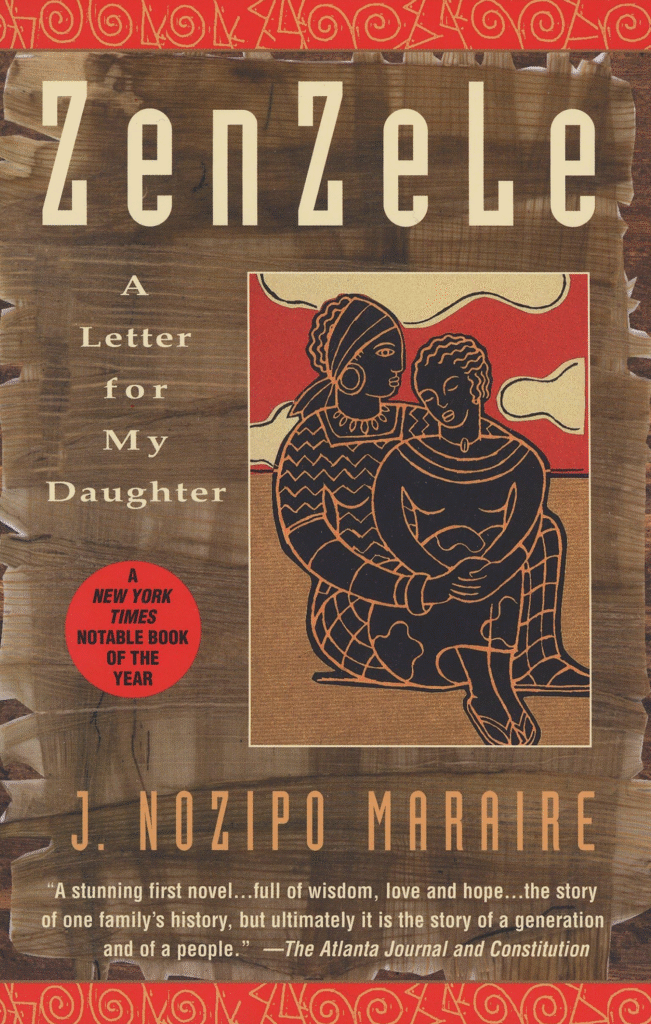
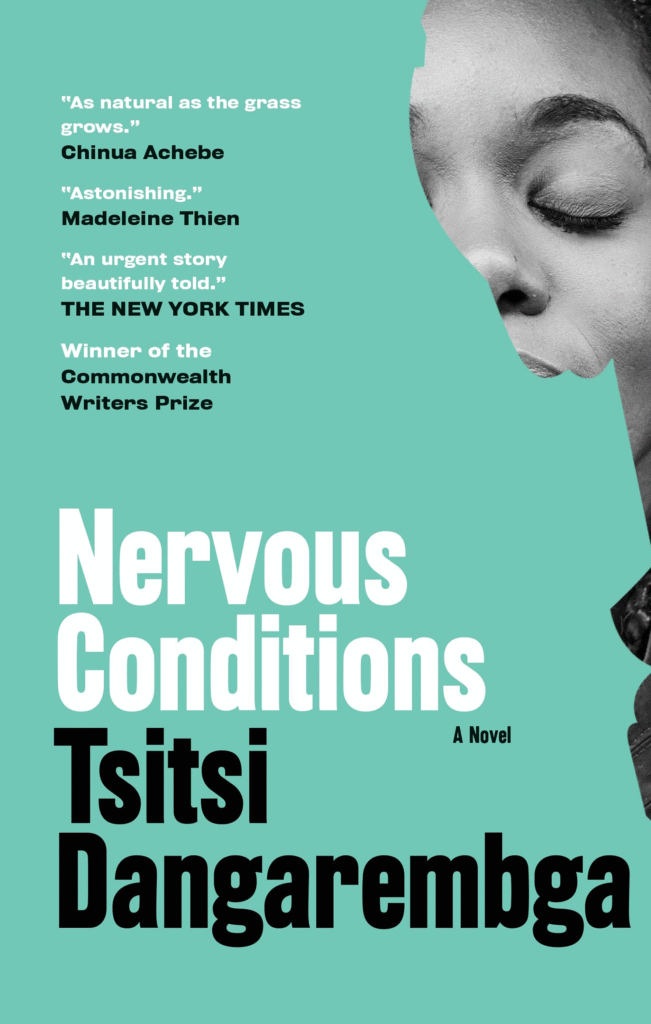
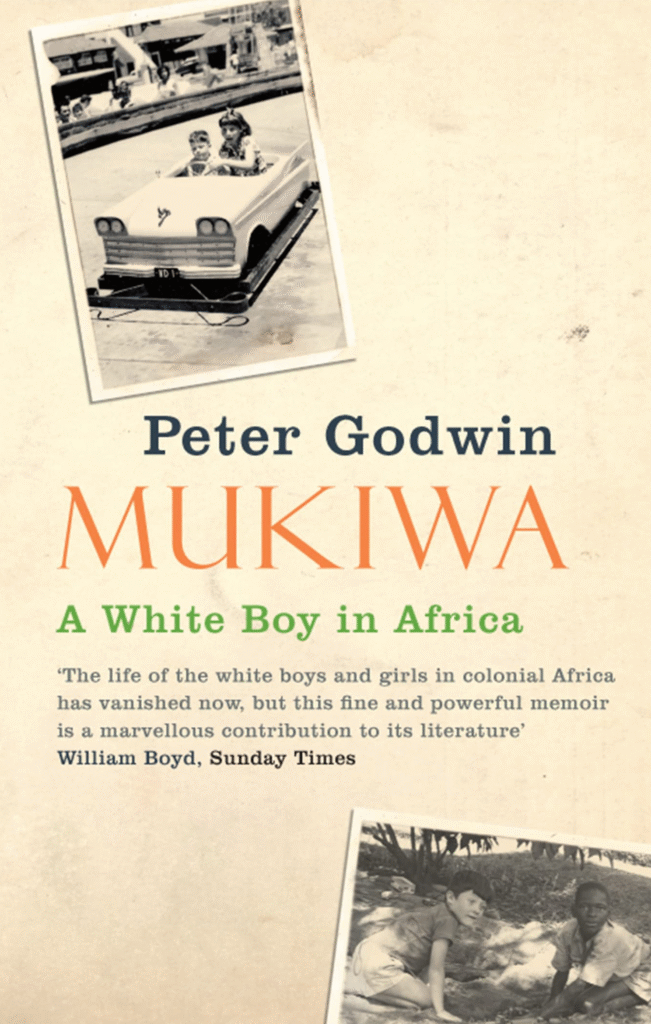
Beyond the Postcard: Reads That Reveal the Soul of Zimbabwe
Before your feet touch its soil, let your mind travel. Here are my literary recommendations so you can soak up the essence of Zimbabwe and experience every corner from another perspective.
Frequently asked questions about traveling to Zimbabwe
Do I need a visa to travel to Zimbabwe from the U.S.?
Yes. U.S. citizens need a visa, which is obtained on arrival by paying in cash, around $30 for a single entry, or applied for beforehand at evisa.gov.zw. Your passport must be valid for at least 6 months.
What is the best time for a safari in Zimbabwe?
From May to October, which is the dry season. Animals concentrate at the waterholes, especially from August to October. For the falls with the most flow, travel from February to May.
How many days do I need for a safari in Zimbabwe?
Between 7 and 10 days lets you combine Victoria Falls with Hwange or Mana Pools. With less time, the trip is reduced to a single area.
Is it better to see Victoria Falls from Zimbabwe or from Zambia?
It depends on the season. The Zimbabwean side offers the best frontal view, especially with high flow. The Zambian side allows the Devil’s Pool from September to December. Many travelers visit both.
Is it safe to travel to Zimbabwe?
Yes, with precautions. In the cities it is best to use private transfers, not walk at night and keep valuables secure. In the parks, the main care is following your guide’s instructions.
Do you tip in Zimbabwe?
Yes. You tip the guide and the camp staff separately, in cash dollars. Amounts vary by camp and group size, and your operator will give you a reference.
Can you pay with dollars in Zimbabwe?
Yes. The U.S. dollar is widely used in tourism. Bring recent bills in small denominations, because change is hard to come by. ATMs are unreliable.
Can I combine Zimbabwe with other destinations in Africa?
Yes. Zimbabwe combines very well with Zambia and Botswana for the falls and Chobe, with South Africa for the Kruger safari and with Namibia. If you pass through a yellow-fever-risk country, bring your certificate.
How much does a safari in Zimbabwe cost?
It depends on the level and the parks. As a reference, a 9 to 11 day trip with flights from the U.S. costs $5,200 to $7,800 per person at an essential level, $7,800 to $11,800 at an intermediate one and from $13,000 at a premium one, with trip design and management included. These are estimates from November 2026.
Let's Design Your Trip to Zimbabwe Together
Zimbabwe is enjoyed far more when the camps, the flights and the transfers are planned as a single trip. Tell me what you are looking for, whether the elephants of Hwange, the walking safari in Mana Pools or the falls, and we will design it around you.
Combine Zimbabwe With Other Destinations
- Zambia: walking safaris and the other side of the falls.
- Botswana: Chobe and the Okavango Delta.
- South Africa: Cape Town and Kruger Park.
- Namibia: dunes, desert and Etosha.
- Mozambique: beaches and islands in the Indian Ocean.
If you are traveling as a couple, discover my honeymoon trips. If you prefer to share the experience, explore the group trips.

Ari Garduno
Passionate traveler of the authentic, the unexpected and what leaves a mark.
Deja un comentario