



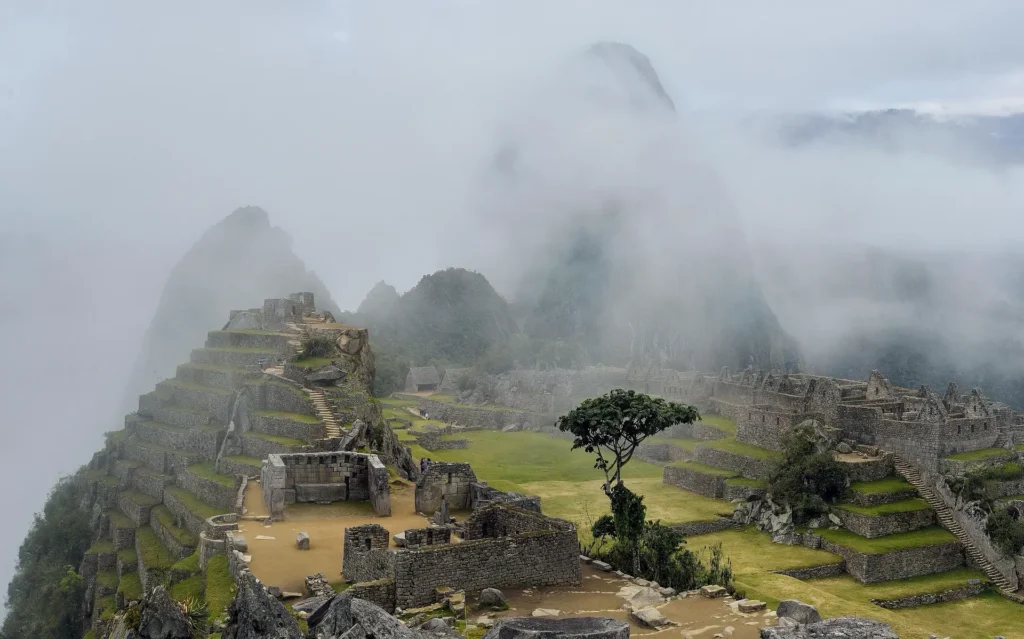
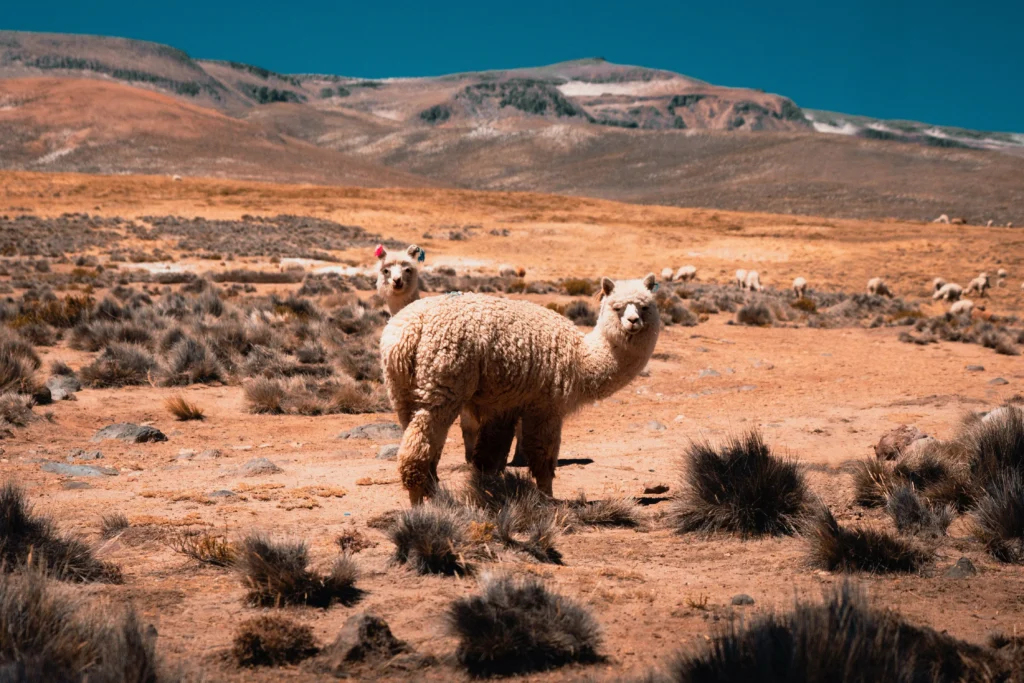
There are places that take your breath away, and not only because of the altitude. In Peru, the mist lifts over the stone terraces of Machu Picchu, a llama crosses an Andean trail and, in Lima, a plate of ceviche reminds you why this cuisine is one of the best in the world.
That is why a custom trip to Peru is designed with care. Altitude, permits and trains set the pace of the trip, and the order of the stops changes how you feel. Those who arrive prepared live the Andes with energy. Those who don’t spend the first day with a headache in Cusco.
This guide goes beyond the postcard. Besides the regions, the lodging and the activities, I tell you what almost nobody explains: what it really costs, what paperwork you need as a U.S. traveler, how to handle the altitude, what is rude and what you can and can’t bring.


There are places that take your breath away, and not only because of the altitude. In Peru, the mist lifts over the stone terraces of Machu Picchu, a llama crosses an Andean trail and, in Lima, a plate of ceviche reminds you why this cuisine is one of the best in the world.
That is why a custom trip to Peru is designed with care. Altitude, permits and trains set the pace of the trip, and the order of the stops changes how you feel. Those who arrive prepared live the Andes with energy. Those who don’t spend the first day with a headache in Cusco.

This guide goes beyond the postcard. Besides the regions, the lodging and the activities, I tell you what almost nobody explains: what it really costs, what paperwork you need as a U.S. traveler, how to handle the altitude, what is rude and what you can and can’t bring.
Why Peru Is Unlike Any Other Destination
Peru is one of the few places in the world where you can:
- Walk through a 15th-century Inca citadel surrounded by cloud-covered mountains.
- Dine at one of the best-rated restaurants in the world and, the next day, eat at a local market.
- Sail on Lake Titicaca, the highest navigable lake on the planet.
- Go from the Andes to the Amazon jungle on a short flight.
What makes it unique is the blend. Quechua peoples keep living traditions, colonial heritage shows in every plaza and the cuisine brings together Andean, Japanese, Chinese and Italian influences. And because many hotels and guides work in English, the trip feels easy from the first day.
It is a destination you enjoy far more with good logistics. There are limited permits, trains on schedules and altitude rules worth knowing. That is why below you will find sections on budget, etiquette, laws, customs and paperwork.
Be a traveler. Not a Tourist.
Ready to design your next adventure?
Best Time to Visit Peru

Peru has three regions with different climates: the coast, the Andes and the jungle. For Machu Picchu and the Andes, the best time depends on the rains, and my recommendation is not to pick the date before defining your priorities.
| Season | Months | The best | Keep in mind |
|---|---|---|---|
| Dry season | May to September | The best time for Machu Picchu, the Inca Trail and trekking: clear skies and sunny days. | It is high season and permits sell out months ahead. Andean nights are very cold. |
| Transition | April and October | Smaller crowds, landscapes still green and good weather. | Some rain may fall. |
| Rainy season | November to March | Green landscapes, fewer visitors and lower rates. Lima has its summer, with beach and sun. | Heavy rain in the Andes. The Inca Trail closes in February and some roads have landslides. |
If you want Machu Picchu under clear skies, May to September is the best window. If you prefer to avoid crowds and don’t mind rain, the green season has its own magic. When I combine regions, I design the order according to weather and altitude.


Real Budget: How Much Does a Trip to Peru Cost?
I’ll be straight with you: Peru has one of the best ratios of experience to cost in South America, and flights from the U.S. are among the most accessible of this group of destinations. What weighs most in the budget is the hotel, the train to Machu Picchu and the permits. These figures are market estimates from November 2026, per person and in U.S. dollars.
Flights from the U.S.
From the U.S. there are nonstop flights to Lima from several cities, and one connection from others. The ticket typically costs about $500 to $1,200 per person in economy, depending on your departure city and the season. Internal flights between Lima, Cusco and other cities are best included from the start.
Lodging per Night (per room)
| Level | Per room per night | What to expect |
|---|---|---|
| Essential | $80 to $180 | Simple boutique hotels and colonial mansions, with breakfast. |
| Intermediate | $180 to $400 | Design hotels in Cusco and the Sacred Valley, with oxygen available and good restaurants. |
| Premium | $400 to $900 | Luxury haciendas and lodges in the Sacred Valley, with spa and private experiences. |
| Ultra-luxury | $900 to $2,500 or more | The most exclusive properties, next to Machu Picchu and in the Sacred Valley, with private service. |
Rates usually include breakfast. The train to Machu Picchu, the entrance, the guide and the excursions are added on top. Luxury trains, such as the panoramic services, are an experience of their own. From May to September, prices go up.
Estimated Total Budget (per person, 9 to 10 days)
| Level | Estimated total, with flights from the U.S. | What the trip looks like |
|---|---|---|
| Essential | $2,800 to $4,500 | Lima, Cusco, the Sacred Valley and Machu Picchu, with boutique hotels and guides. |
| Intermediate | $4,800 to $7,700 | Design hotels, panoramic train and an extra experience, such as Lake Titicaca. |
| Premium | From $9,600, and over $17,000 at the very top | Luxury lodges and haciendas, a private Inca Trail or helicopter, and exclusive experiences. |
These ranges include flights, lodging, transfers, train, entrance fees and the main activities. They include the design and full management of the trip: bookings, transfers, guides and support. They do not include tips, personal shopping or travel insurance. The nightly rates are market reference rates. The investment is protected by designing the trip well: I help you decide where it is worth spending and where not.
Where to Stay in Peru
In Peru, lodging helps with acclimatization. The usual approach is to combine a hotel in Lima, one in the Sacred Valley and another in Cusco.
Lima: Miraflores and Barranco
Boutique and luxury hotels facing the Pacific, near the best restaurants. They are walkable, safe neighborhoods.
Sacred Valley
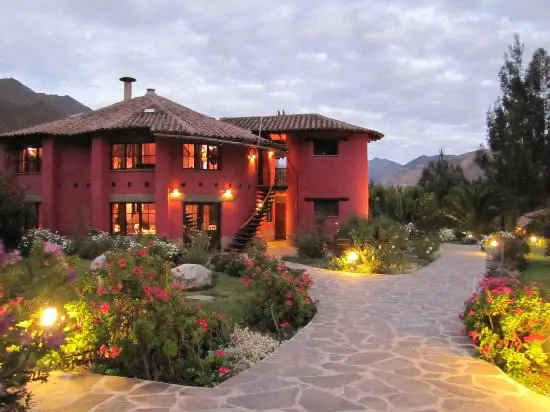
It sits at about 9,200 feet (2,800 m), lower than Cusco, so I recommend sleeping here first to acclimatize. There are haciendas, luxury lodges and houses with mountain views.
Cusco
Colonial mansions turned into boutique hotels, at about 11,200 feet (3,400 m). Almost all offer coca tea and oxygen.
Machu Picchu Pueblo
The town at the foot of the citadel has hotels of every level. Sleeping there lets you enter early, before the trains arrive.
Jungle, Lake Titicaca and Arequipa
Lodges in the Amazon, hotels by Lake Titicaca and mansions in Arequipa, with views of volcanoes. They are extensions that change the character of the trip.
What to Expect on Your Trip Through Peru
Language. Spanish is the main language, and Quechua and Aymara are also spoken. In hotels and at tourist sites you will find a lot of English, but a few words of Spanish go a long way. Some local words open smiles: chévere (cool), causa (a classic dish) and pata (friend).
Currency and cash. The currency is the Peruvian sol (PEN). Visa and Mastercard cards are accepted at hotels and restaurants, and ATMs are plentiful in cities. Bring cash in soles for markets, tips and transportation, and withdraw at bank ATMs.
Getting there. There are nonstop flights from several U.S. cities to Lima, and the trip takes between 5 and 11 hours depending on where you start. Lima is on the same time as U.S. Eastern Standard Time, and 2 to 3 hours ahead of the West Coast.
Transportation. To get to Cusco you fly from Lima. The Sacred Valley is reached by road, and Machu Picchu by train from Ollantaytambo or Cusco. In Lima, use apps or trusted taxis.
Connectivity and adapters. Outlets are type A, B and C, at 220 V and 60 Hz. Bring a universal adapter, since your U.S. 120 V devices may need a transformer unless they are dual-voltage. An eSIM helps from the moment you land.
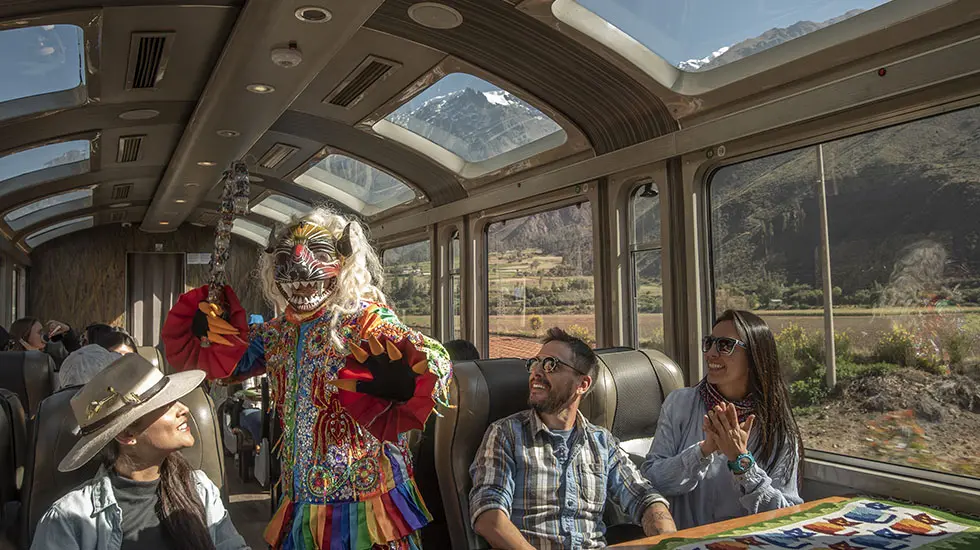
Weather and clothing. Travel in layers. Lima is mild and humid, the Andes are cool by day and cold at night, and the jungle is warm and humid. Bring a coat, a hat, high-SPF sunscreen and comfortable shoes.
Health. Altitude is the main thing: Cusco is at 11,200 feet (3,400 m). Rest the first day, drink water, avoid alcohol and ask your doctor about altitude medications. For the jungle, ask about malaria and yellow fever. Get travel insurance with medical and evacuation coverage.
Safety. Peru is a fascinating destination and, with precautions, safe. In Lima and Cusco it is wise to use trusted taxis, not show valuables and watch your luggage at stations and markets. Strikes and blockades can affect trains and roads, so I leave margin in the itineraries.
Culture. Peru brings together the Inca legacy, colonial heritage and enormous Amazonian diversity. Quechua communities keep their language, textiles and rituals of respect for Pachamama, Mother Earth. Hospitality and pride in the cuisine are part of the identity.
Food. Try ceviche, lomo saltado, ají de gallina, causa, anticuchos and desserts with lúcuma. Nikkei (Peruvian-Japanese) and chifa (Peruvian-Chinese) cuisines are unique. To drink, pisco sour, chicha morada and coca tea.
My basic guide for any trip
Machu Picchu and Altitude: The Reality Behind the Magic
Machu Picchu is not improvised. It is planned.
Tickets come with schedules, circuits and daily quotas, and sell out months ahead in the dry season. Clouds can cover the citadel during the morning, rain appears suddenly and strikes can affect the train. At 11,200 feet (3,400 m), the body sets the pace too: the first day in Cusco can be exhausting if it isn’t planned.
That is why I design trips starting in the Sacred Valley, at a lower altitude, and leave buffer days. I book tickets and trains when you set dates, choose the time slot with the best light and leave a plan for the afternoon if the sky doesn’t help. When the trip is well thought out, altitude becomes part of the adventure.
The key is realistic expectations, preparation, patience and a good guide.
Etiquette: Dos and Don'ts in Peru
Peruvians are warm, proud of their culture and very talkative. These customs help you travel respectfully and avoid misunderstandings.
| Topic | Avoid | Instead |
|---|---|---|
| Greetings | Jumping into a conversation without greeting. | Greet with a handshake, or with a kiss on the cheek among friends. |
| Tipping | Leaving without a tip. | At restaurants, 10% if the bill doesn't include service. Tip the guide, the driver and the hotel staff. |
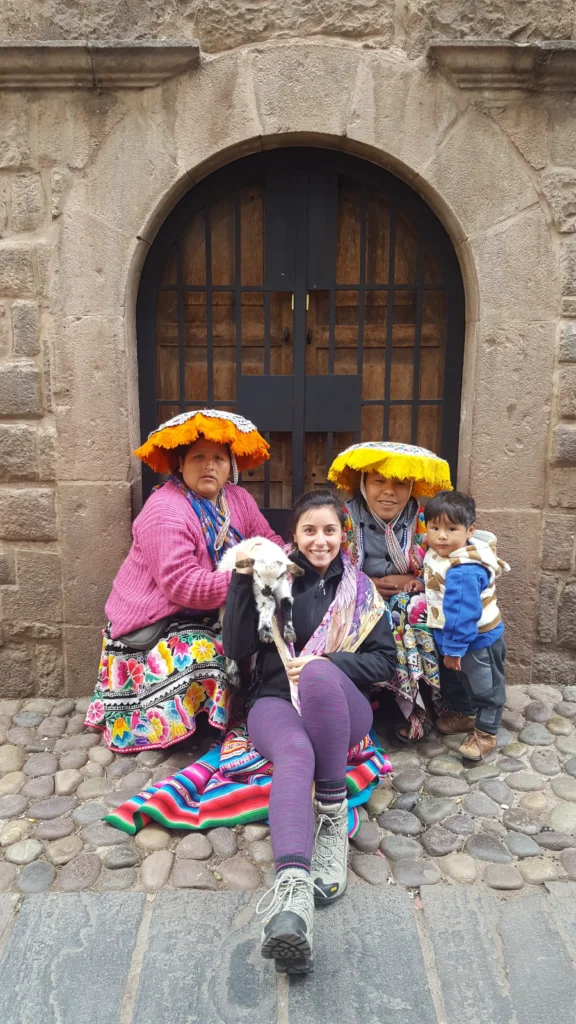
| Photography | Photographing Andean people, especially in traditional dress, without permission. | Ask first. Many ask for a small tip. |
| Archaeological sites | Touching the stones, sitting on the walls or leaving the paths. | Follow the guide's instructions and walk only on marked paths. |
| Coca leaf | Refusing coca tea with disdain. | Accept it gladly. It is part of Andean life and helps with altitude. |
| Bargaining | Bargaining in fixed-price shops. | Bargain kindly at craft markets. |
| Punctuality | Expecting strict punctuality at social gatherings. | Arrive on time for tours and trains, and with patience for the rest. |
| Churches | Entering in short clothing or wearing a hat. | Dress respectfully and keep quiet. |
At the hotels, the staff are like a small family. Greeting someone by name and a sincere “thank you” are remembered more than any grand gesture.
Laws to Know Before Traveling to Peru
Not knowing the law is no defense in any country. These are the rules that surprise travelers most in Peru.
| Topic | What the rule says | Consequence |
|---|---|---|
| Coca leaf | Coca tea is legal. Derivatives such as cocaine are illegal. | Detention and prison sentences. Don't take coca leaves abroad, including back to the U.S. |
| Drugs | Possession and trafficking are serious crimes. | Long prison sentences. |
| Antiquities | Taking archaeological pieces and pre-Columbian objects out of the country is prohibited. | Criminal charges and confiscation. |
| Machu Picchu | Backpacks larger than 40 × 35 × 20 cm, hard-tipped or metal walking sticks and drones are not allowed. To enter you need your ticket with a time slot and a valid ID. | You are denied entry. |
| Drones | They require a permit and are banned at archaeological sites. | Fines and confiscation. |
| Wildlife | Trading wildlife products and touching animals is prohibited. | Fines and criminal charges. |
| Drinking and driving | The alcohol limit for driving is low. | Fines and detention. |
| Photography | Military installations must not be photographed. | Detention and confiscation of equipment. |
Customs: What You Can and Can't Bring Into Peru
Peru has clear customs rules. It helps to keep them in mind before packing.
| Item | Rule | Notes |
|---|---|---|
| Cash | Large amounts must be declared. | Confirm the threshold with your operator. |
| Alcohol and tobacco | Limited quantities are allowed for adults. | Confirm before buying at duty free. |
| Medications | Allowed for personal use, in original packaging and with a prescription or a doctor's letter. | Keep your prescriptions. |
| Drugs and narcotics | Banned. | They can lead to detention. |
| Fruit, seeds and animal products | Their entry is controlled for health reasons. | If in doubt, declare them. |
| Antiquities and archaeological pieces | Their export is prohibited. | Buy only replicas with a receipt. |
| Wildlife products | Banned. | Includes souvenirs made from those materials. |
| Professional equipment | Professional-use cameras and drones may require a permit. | If you work with them, tell me beforehand. |
Activities That Define the Peruvian Experience (and Where to Eat Nearby)
In Peru, the table and the landscape go together: every region has its own flavors. That is why each activity comes with what is worth eating nearby.
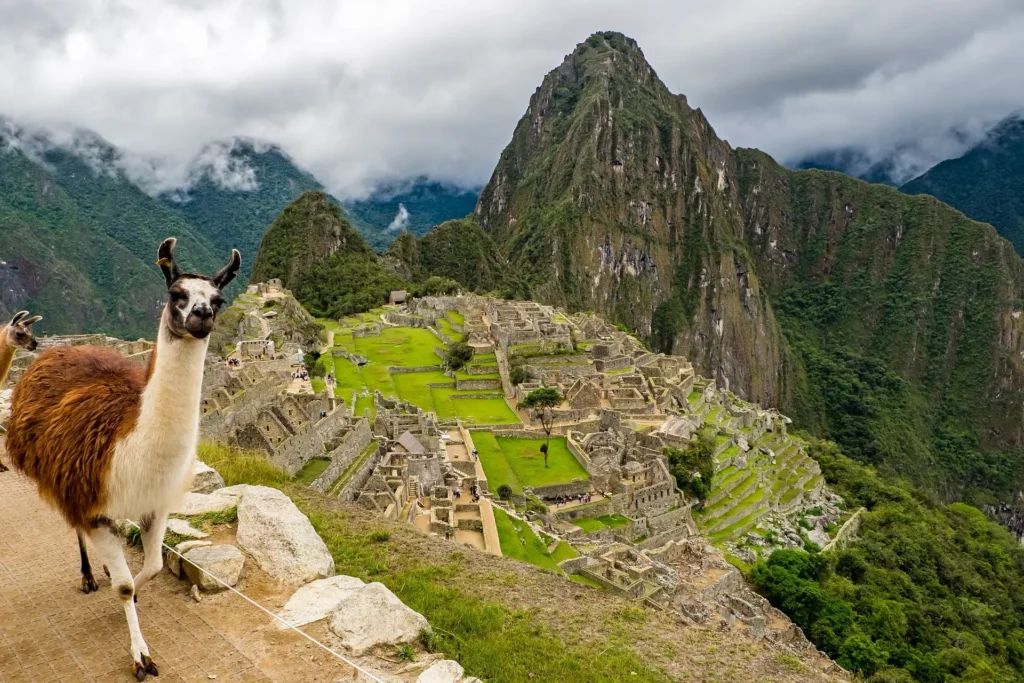
Machu Picchu
The most famous Inca citadel in the world. Tickets are by circuit and time slot, with a limited daily quota, and are bought through the official site. Enter early or at midday, depending on the light, and tour with an authorized guide.
Where to eat nearby: lunch in Machu Picchu Pueblo, with trout and quinoa, and dinner at the lodge.
The Inca Trail and Alternate Routes
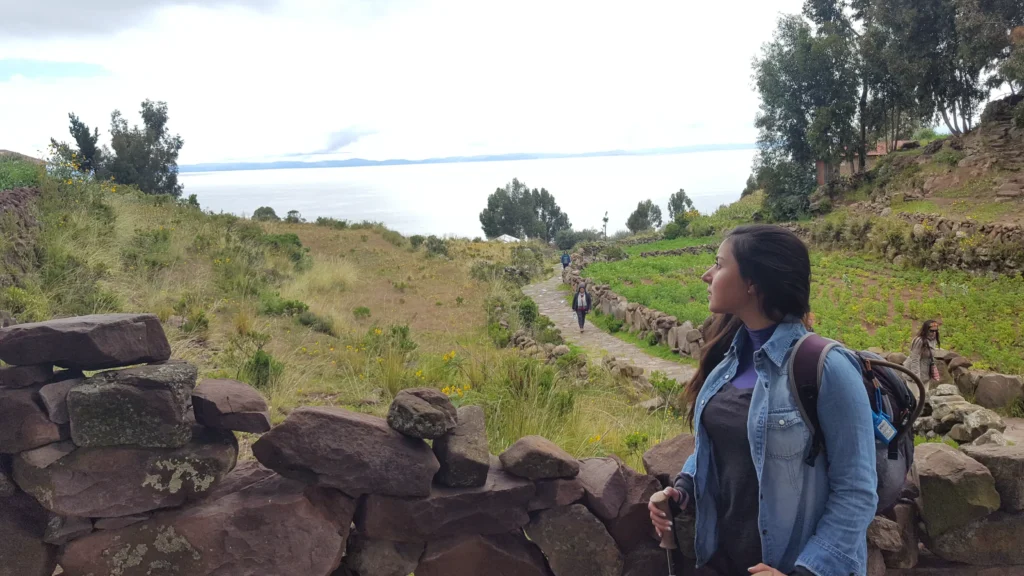
The classic Inca Trail is four days on foot with a limited permit, which sells out months ahead. Alternate routes, such as Salkantay or Lares, offer different scenery with fewer people. The Inca Trail permit does not include the Machu Picchu entrance, which is bought separately.
Where to eat nearby: trail meals prepared by the cooking crew that accompanies you.
Sacred Valley: Moray, Maras and Ollantaytambo
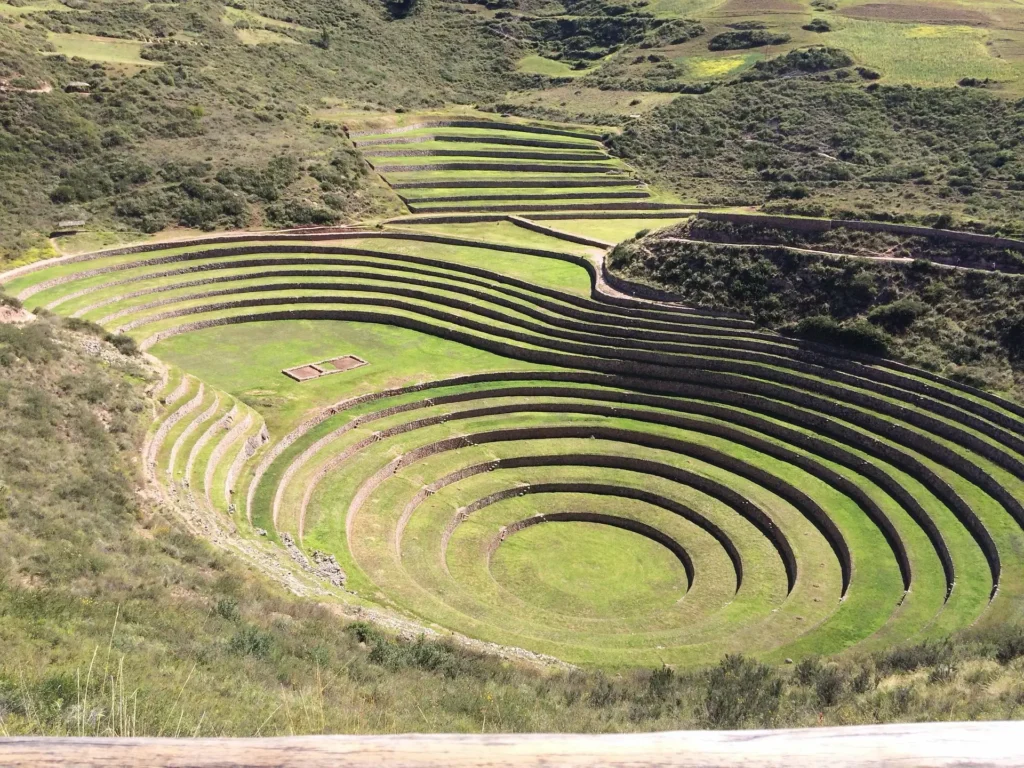
Circular farming terraces at Moray, salt pans at Maras and the fortress of Ollantaytambo make a full day. It is the best place to acclimatize.
Where to eat nearby: lunches at haciendas with products from the valley, such as giant corn, native potatoes and lamb.
Cusco
The capital of the Inca empire, with the Qorikancha, the Plaza de Armas and the San Blas neighborhood. Walk slowly because of the altitude.
Where to eat nearby: roasted guinea pig (if you dare), alpaca and artisanal chocolates.
Rainbow Mountain and Humantay
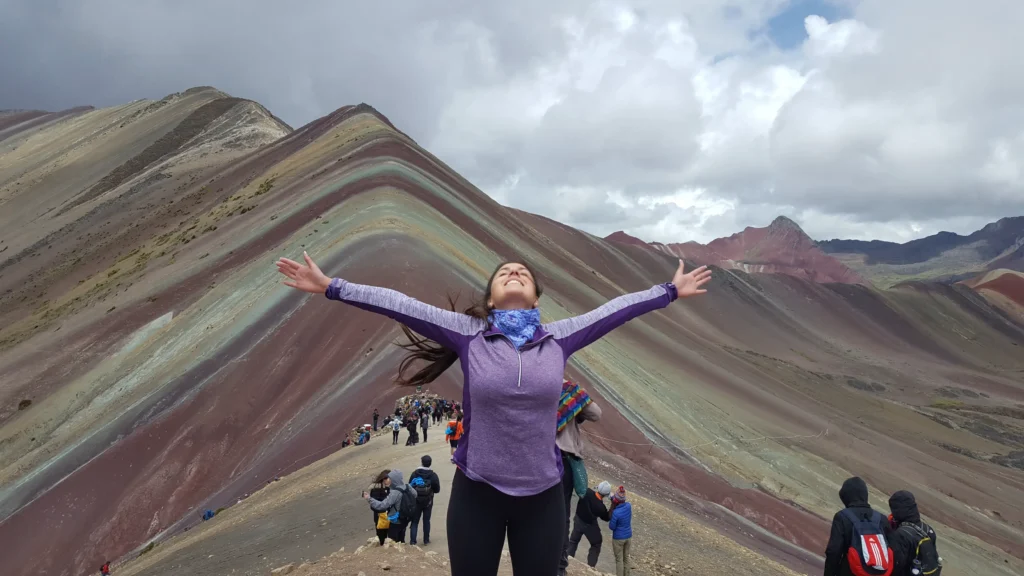
Day excursions at over 13,000 feet (4,000 m), with colorful landscapes. They require good acclimatization and an early start.
Lake Titicaca, Arequipa and the Colca Canyon
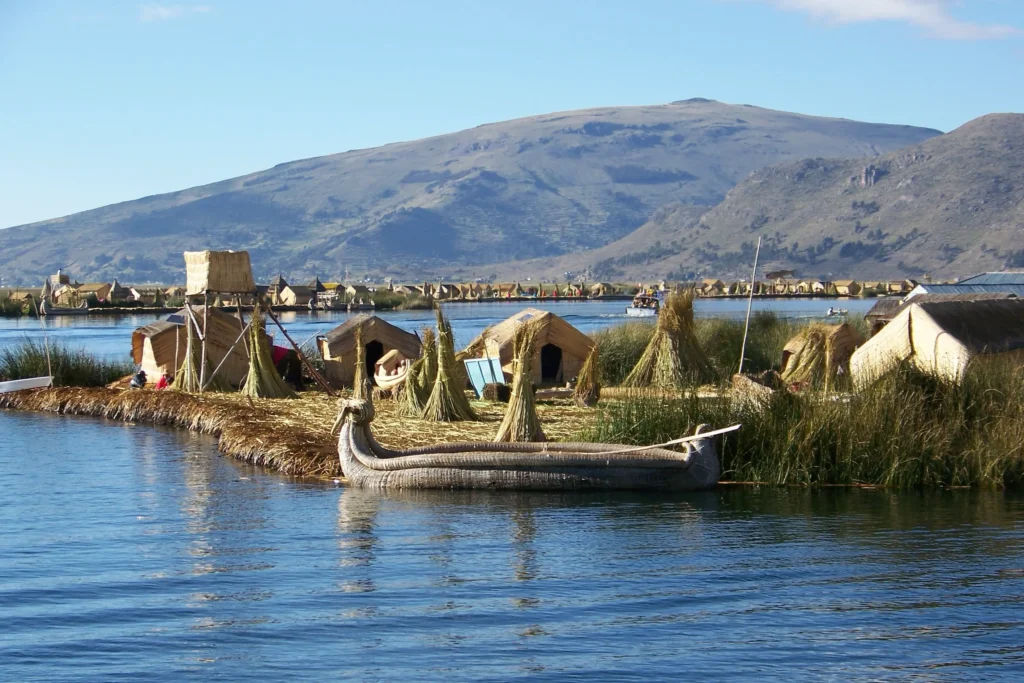
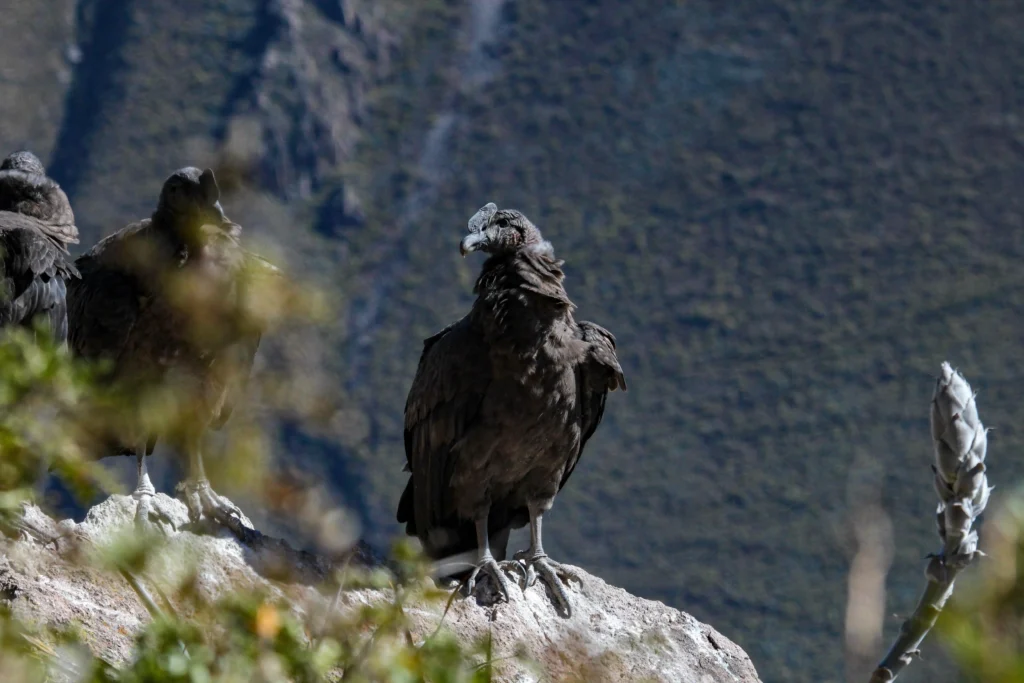
Sail among the floating islands of the Uros, visit Arequipa with its white-stone architecture and watch the condors in the Colca Canyon.
Lima and the Coast
Stroll through Miraflores and Barranco, visit the historic center and the pre-Columbian art museums. It is the food capital of the Americas.
Where to eat nearby: ceviche at a traditional cevichería, Nikkei food and gourmet markets.
Amazon
Lodges in Tambopata or Manu, with walks, birdwatching and macaws. It is a two- or three-night extension from Cusco or Lima.
Where to Eat in Peru
Lima is one of the great food capitals of the world. Maido, the Nikkei restaurant of Mitsuharu Tsumura, was named the best restaurant in the world by The World’s 50 Best in 2025, and Central, by Virgilio Martínez, held first place before it. The most sought-after tables fill up weeks ahead.
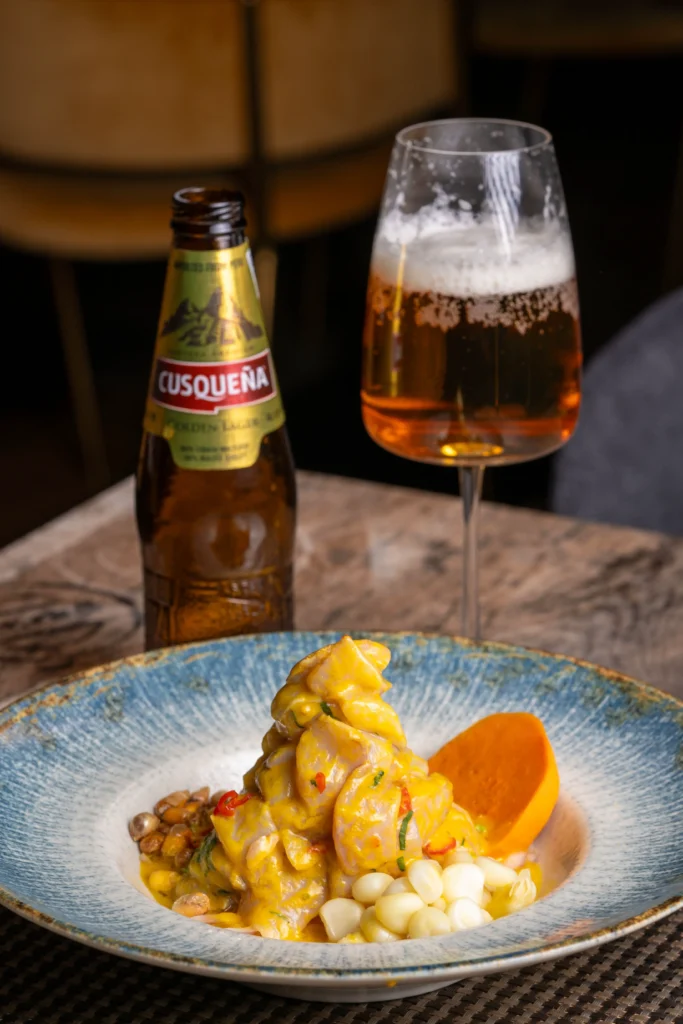
My recommendation is not to fill the trip with fine-dining reservations. One or two memorable tables are enough, and between them a traditional cevichería, a lunch at a Sacred Valley hacienda or a market with products from every altitude are worth more.
Visa and Paperwork Before Your Trip to Peru
Good news: U.S. citizens do not need a visa to enter Peru as tourists. Even so, there are requirements worth having clear before you buy the ticket.
| Procedure | What to know | When |
|---|---|---|
| Visa | Not required for tourism. The authorized stay is set by immigration on arrival and can be up to 183 days; sources differ on the usual length, so confirm it on Peru's official immigration site. | Not applicable |
| Passport | It should be valid for at least 6 months and have blank pages. If you hold another nationality, check its requirements, because they vary. | Before buying the ticket |
| Onward ticket | Airlines and immigration may ask for a return or onward ticket. | At boarding and on arrival |
| Machu Picchu entrance | Bought through the official site, with date, circuit and time slot. Daily quotas are limited. | As soon as you have dates |
| Inca Trail permit | It is limited and sells out months ahead. It does not include the Machu Picchu entrance. | 6 months or more ahead |
| Yellow fever | The vaccine is recommended for the jungle. Talk to your doctor. | Get vaccinated at least 10 days ahead |
| Altitude | Talk to your doctor about altitude sickness medication. | 4 weeks ahead |
| Minors | Each child needs their own passport and, if traveling with only one parent or with third parties, a notarized consent letter. | Before traveling |
| Travel insurance | Get one with international medical and evacuation coverage. | Before traveling |
Machu Picchu’s rules change frequently. That is why I prepare each procedure with my clients and review the conditions close to the travel date.
Beyond the Postcard: Reads That Reveal the Soul of Peru
Before your feet touch its soil, let your mind travel. Here are my literary recommendations so you can soak up the essence of Peru and experience every corner from another perspective.


Frequently asked questions about traveling to Peru
Do I need a visa to travel to Peru from the U.S.?
No. U.S. citizens can enter Peru as tourists without a visa. Immigration sets the stay on arrival, which can be up to 183 days; confirm the usual length on the official immigration site. Your passport should be valid for at least 6 months.
What is the best time to visit Machu Picchu?
From May to September, which is the dry season. The sky is clearer, although there are more visitors and tickets sell out months ahead. From November to March it rains more, but there are fewer people.
How many days do I need for a trip to Peru?
Between 9 and 10 days lets you combine Lima, Cusco, the Sacred Valley and Machu Picchu with time to acclimatize. With a few more days, you can add Lake Titicaca, Arequipa or the Amazon.
How do I avoid altitude sickness in Cusco?
Sleep first in the Sacred Valley, which is lower, rest the first day, drink water, avoid alcohol and drink coca tea. Ask your doctor about preventive medications.
Is it safe to travel to Peru?
Yes, with precautions. In Lima and Cusco it is wise to use trusted taxis, not show valuables and watch your luggage. Strikes and blockades can affect trains and roads, so I leave margin in the itineraries.
Do I need to buy Machu Picchu tickets in advance?
Yes. Tickets are by circuit and time slot, with a limited daily quota, and sell out months ahead in the dry season. They are bought through the official site, and to enter you need a valid ID.
What can't I bring to Peru?
You can’t bring drugs, weapons or wildlife products. Medications must be in their original packaging, with a prescription, and taking archaeological pieces out of the country is prohibited.
Can I combine Peru with other destinations in South America?
Yes. Peru combines well with Bolivia, Chile, Argentina or the Galápagos Islands, although each country has its own entry rule. If you pass through a yellow-fever-risk country, bring your vaccination certificate.
How much does a trip to Peru cost?
As a reference, a 9 to 10 day trip with flights from the U.S. costs $2,800 to $4,500 per person at an essential level, $4,800 to $7,700 at an intermediate one and from $9,600 at a premium one, with trip design and management included. These are estimates from November 2026.
Let's Design Your Trip to Peru Together
Peru is enjoyed far more when the altitude, the permits, the trains and the tables are planned as a single trip. Tell me what you are looking for, whether history, trekking, food or the jungle, and we will design it around you.
Combine Peru With Other Destinations
If you are traveling as a couple, discover my honeymoon trips. If you prefer to share the experience, explore the group trips.

Ari Garduno
Passionate traveler of the authentic, the unexpected and what leaves a mark.


Deja un comentario