



Some mountains are looked at and others are felt. In Nepal, the Himalayas appear suddenly among the dawn clouds: Everest, Annapurna, Machapuchare. And at their feet there are temples with prayer flags, red-brick cities, jungles with rhinos and a spirituality you breathe in every alley.
A custom trip to Nepal is designed with care. Seasons define the view, altitudes ask for a prudent pace, flights to the mountains depend on the weather and trekking permits have rules. Those who plan it well live a safe, deep adventure. Those who don’t are left with clouds and delays.
This guide goes beyond the postcard. Besides the regions, the hotels and the activities, I tell you what almost nobody explains: what it really costs, what paperwork you need as a U.S. traveler, what is rude, what is illegal and what to expect from altitude.


Some mountains are looked at and others are felt. In Nepal, the Himalayas appear suddenly among the dawn clouds: Everest, Annapurna, Machapuchare. And at their feet there are temples with prayer flags, red-brick cities, jungles with rhinos and a spirituality you breathe in every alley.
A custom trip to Nepal is designed with care. Seasons define the view, altitudes ask for a prudent pace, flights to the mountains depend on the weather and trekking permits have rules. Those who plan it well live a safe, deep adventure. Those who don’t are left with clouds and delays.

This guide goes beyond the postcard. Besides the regions, the hotels and the activities, I tell you what almost nobody explains: what it really costs, what paperwork you need as a U.S. traveler, what is rude, what is illegal and what to expect from altitude.

Why Nepal Is Unlike Any Other Destination
Nepal is one of the few places in the world where you can:
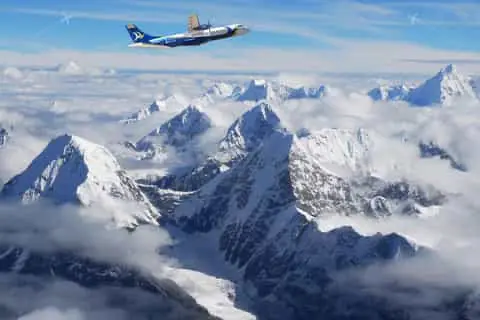
- See the sunrise over Everest from a scenic flight or from a viewpoint in Nagarkot.
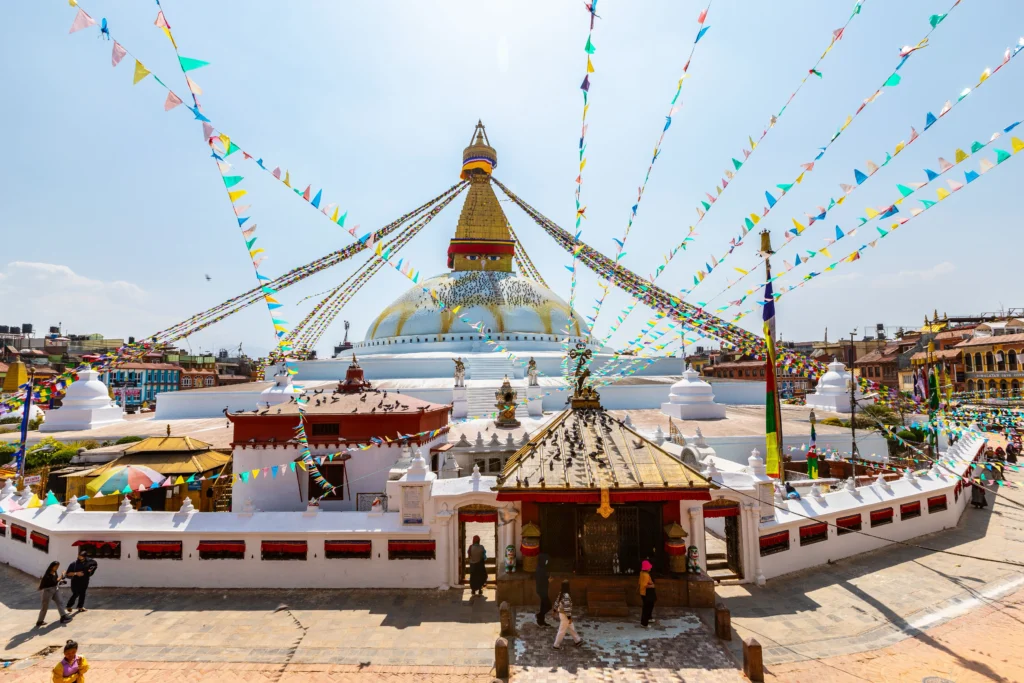
- Walk among stupas, monasteries and prayer flags in the Kathmandu Valley, with seven World Heritage Sites.
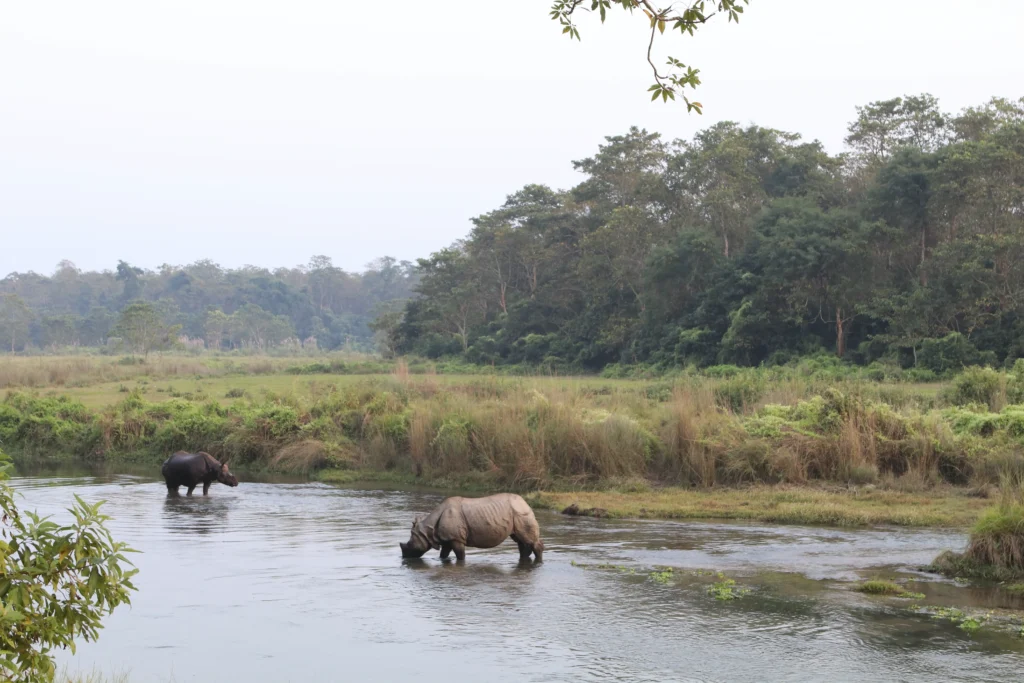
- Go on a safari in Chitwan to see one-horned rhinos and, with luck, tigers.
- Visit Lumbini, the birthplace of the Buddha.
What makes it unique is the spirituality. Hinduism and Buddhism coexist in the same temples, and rituals are part of daily life. It is also a country of warm people, comforting cuisine and landscapes that go from tropical jungle to eternal snow.
It is a destination you enjoy far more with good logistics. There are distinct seasons, altitudes that demand acclimatization and rules worth knowing. That is why below you will find sections on budget, etiquette, laws, customs and visa.
Be a traveler. Not a Tourist.
Ready to design your next adventure?
Best Time to Visit Nepal

Nepal has four seasons and a monsoon. The best time depends on what you want to see, and my advice is to choose according to mountain views and activity level.
| Season | Months | The best | Keep in mind |
|---|---|---|---|
| Fall | October to November | Clear skies, extraordinary Himalayan views and pleasant weather. It is the best time for trekking and sightseeing. | It is high season. Flights and lodges are booked months ahead. |
| Winter | December to February | Clear skies, fewer visitors and good prices. Kathmandu, Pokhara and Chitwan are pleasant. | It is very cold at altitude, and some trekking passes close. |
| Spring | March to May | Rhododendrons in bloom, long days and good weather at altitude. It is another great time for trekking. | There can be haze and less visibility for distant views, especially in May. |
| Monsoon | June to September | Very green landscapes, fewer visitors and good rates. It is the time of the Kathmandu Valley in bloom and of cultural trips. | Heavy rain, clouds that hide the mountains, leeches on trails and canceled flights. |
If you want Himalayan views, travel from October to November or from March to May. If you prefer to avoid crowds and focus on culture, the monsoon and winter in the valley offer a quieter version.


Real Budget: How Much Does a Trip to Nepal Cost?
I’ll be straight with you: Nepal offers a lot of value, with boutique hotels and lodges of excellent level at reasonable prices. Flights and high-altitude expeditions add up. These figures are market estimates from November 2026, per person and in U.S. dollars.
Flights from the U.S.
There are no nonstop flights from the U.S. to Nepal. The usual route is a connection in Europe, the Middle East or Asia, such as Doha, Dubai or Delhi, to Kathmandu. The ticket typically costs about $1,000 to $2,200 per person in economy, depending on your departure city and the season. On top of that come domestic flights to Pokhara or the mountains.
Lodging per Night
| Level | Per person per night | What to expect |
|---|---|---|
| Essential | $60 to $140 | Small hotels and boutique houses, often with breakfast included. |
| Intermediate | $140 to $320 | Boutique hotels, jungle lodges and lakefront resorts, with good restaurants. |
| Premium | $320 to $800 | Design hotels, luxury lodges in Chitwan and heated high-mountain lodges. |
| Ultra-luxury | $800 to $2,000 or more | The most exclusive properties, with private service and custom experiences. |
Nightly rates usually include lodging and breakfast. Meals, excursions and transfers are usually added on top. In October and November, prices rise considerably.
Scenic Flights and Helicopters
A one-hour scenic flight over Everest from Kathmandu is a small item. A helicopter flight to base camp, with a landing and breakfast in the mountains, is a significant item, and it is decided according to the weather and the budget.
Estimated Total Budget (per person, 10 to 12 days, with Kathmandu, Pokhara and Chitwan)
| Level | Estimated total, with flights from the U.S. | What the trip looks like |
|---|---|---|
| Essential | $4,200 to $6,600 | Small boutique hotels, cultural guides, Pokhara and a short safari in Chitwan. |
| Intermediate | $6,200 to $9,900 | Design hotels, a scenic flight, a jungle lodge and private guides. |
| Premium | From $10,700, and over $19,000 at the very top | Luxury lodges, a helicopter flight to the mountains, private guides and custom experiences. |
These ranges include flights, lodging, transfers, guides and the main activities. They include the design and full management of the trip: bookings, transfers, guides and support. They do not include all meals, tips, personal shopping or travel insurance. The nightly rates are market reference rates. If you plan a long trek, the cost changes, and I quote it separately. The investment is protected by designing the trip well: I help you decide where it is worth spending and where not.
Where to Stay in Nepal
In Nepal, lodging is part of the experience. The usual approach is to combine hotels in different regions, each with its own style.
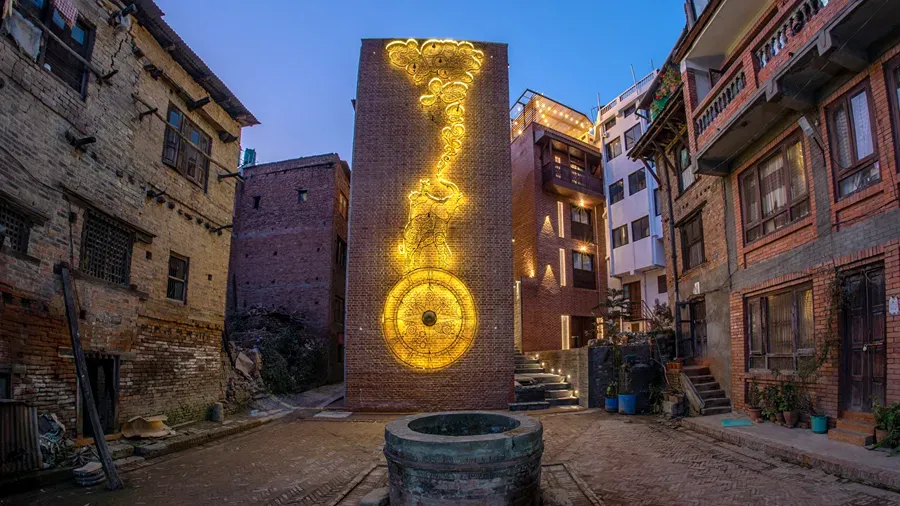
Kathmandu, Patan and Bhaktapur
Boutique hotels in traditional brick and wood houses, with quiet courtyards, and luxury hotels with a spa. A night in Bhaktapur or Patan lets you see the temples without crowds.
Pokhara
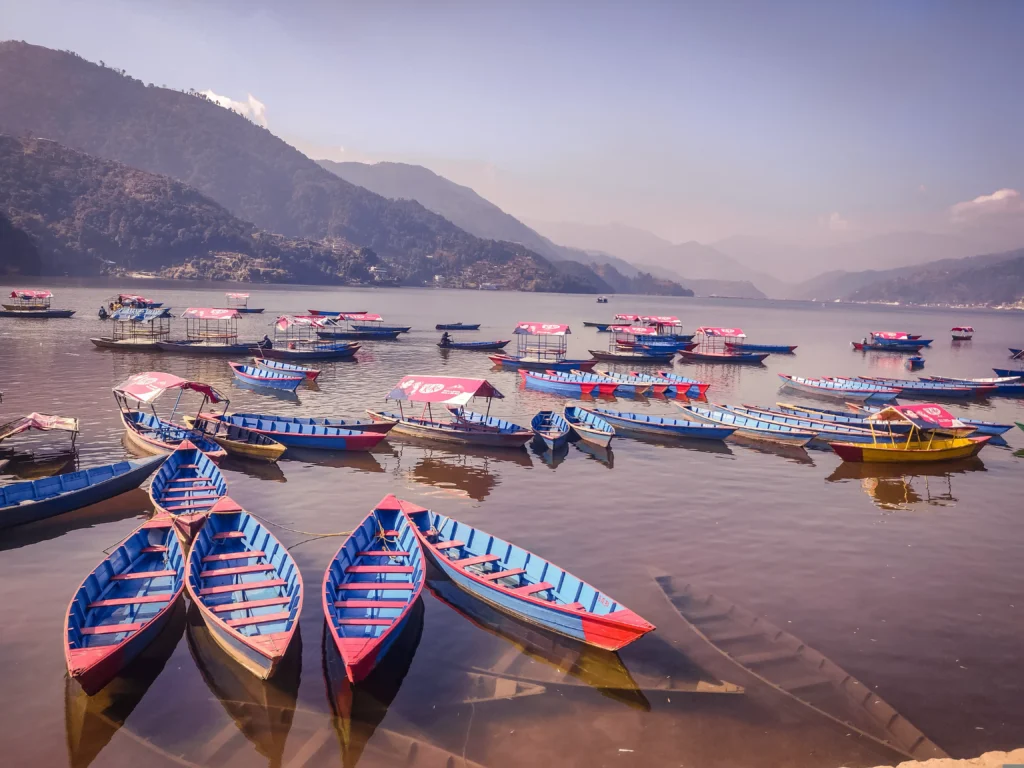
Hotels facing Phewa Lake, with views of the Annapurna peaks at dawn. It is a calm city, ideal for resting.
Chitwan
Jungle lodges, with jeep, canoe and walking safaris, and rhino and bird watching. There are options from simple to luxury.
Mountain Lodges
For trekking or Himalayan views, there are heated lodges with views, from those in Nagarkot to those in the Khumbu valley.
Lumbini
Monasteries and quiet hotels near the site where the Buddha was born, ideal for a contemplative stop.
What to Expect on Your Trip Through Nepal
Language. Nepali is spoken. English is understood well in tourism. A few words open smiles: namaste (hello) and dhanyabad (thank you).
Currency and cash. The currency is the Nepalese rupee (NPR). Visa and Mastercard are accepted at large hotels, and ATMs are plentiful in cities. Carry cash in rupees for markets, tuk-tuks, tips and excursions.
Getting there. There are no nonstop flights from the U.S. Total travel time usually exceeds 24 hours, with connections. Nepal is 9 hours 45 minutes to 10 hours 45 minutes ahead of the U.S. East Coast, depending on the season.
Transportation. Between cities you take short flights or travel with a private driver. Road trips are slow and have difficult stretches. The mountains are reached by small planes, which depend on the weather.
Connectivity and adapters. Outlets are types C, D and M, at 230 V. Bring a universal adapter, and check that your devices support 230 V. An eSIM works well in cities, but coverage in the mountains is limited.
Weather and clothing. Travel in layers. It is hot in Chitwan and cold at altitude and at night. Bring light clothing, a down jacket, a hat, gloves, broken-in hiking boots and a rain jacket.
Health. Altitude can cause altitude sickness above 8,200 feet (2,500 meters). Ascend slowly, drink water and talk to your doctor. There is a risk of malaria in the lowlands, such as Chitwan. Drink bottled water and be careful with what you eat. Get travel insurance with medical coverage and helicopter evacuation, which is essential in the mountains.
Safety. Nepal is a welcoming destination for tourism. Kathmandu is chaotic, with traffic, dust and pollution. I recommend private transfers, not walking at night and keeping valuables out of sight. Nepal is in a seismic zone, and safe hotels have evacuation plans. Check the current U.S. State Department advisory before leaving.
Culture. Nepal is a country of Hinduism and Buddhism, with more than 120 ethnic groups. Rituals, festivals and people are part of an everyday spirituality. The Sherpas, Gurungs and Newars have their own traditions, and hospitality is genuine.
Food. Try dal bhat (lentils with rice and vegetables, the national dish), momos (steamed dumplings), thukpa (noodle soup), sel roti and Newar cuisine. Chiya, a tea with milk and spices, accompanies every conversation.
My basic guide for any trip
The Himalayas: The Reality Behind the Magic
The mountains are not guaranteed.
Clouds can hide Everest for days. Flights to the mountains are canceled or delayed by weather, especially in the afternoons. Kathmandu is noisy and polluted, and road trips are slow. At altitude, altitude sickness can affect even those in excellent shape.
That is why I design the trip with buffer days, morning scenic flights, well-located lodges and a prudent acclimatization. I also recommend traveling in the best seasons for the views, and getting insurance with helicopter evacuation.
The key is realistic expectations, patience and a good guide.
Etiquette: Dos and Don'ts in Nepal
Nepalese are kind, calm and very attentive to respect. These customs help you travel respectfully and avoid misunderstandings.
| Topic | Avoid | Instead |
|---|---|---|
| Greetings | Shaking hands firmly or hugging strangers. | Greet with palms together at chest height and a "namaste". |
| Temples and stupas | Entering with shoes on, or walking counterclockwise around a stupa. | Take off your shoes, cover shoulders and knees, and walk clockwise. |
| Head and feet | Touching a person's head, or pointing with your feet. | Avoid contact with the head and sit with your feet to one side. |
| Left hand | Giving, receiving or eating with the left hand. | Use the right hand, or both hands, to hand over objects and money. |
| Leather at temples | Entering some Hindu temples with leather items. | Ask first. Some temples do not allow it. |
| Photography | Photographing people, rituals or temples without permission. | Ask first. Some temples prohibit it inside. |
| Tipping | Tipping everyone as in other countries. | Tip the guide, the driver and the hotel staff separately, in rupees or dollars. Ask your operator for a reference. |
| Dress | Short or tight clothing in villages and temples. | Cover shoulders and knees. Wear neutral tones. |
At small hotels and lodges, the staff become familiar. Greeting someone by name and a sincere “dhanyabad” are remembered more than any grand gesture.
Laws to Know Before Traveling to Nepal
Not knowing the law is no defense in any country. These are the rules that surprise travelers most in Nepal.
| Topic | What the rule says | Consequence |
|---|---|---|
| Drugs | Possession, use and trafficking, including cannabis, are serious crimes, even if they are visible in some places. | Detention and prison sentences. Don't bring or take any. |
| Drones | Drones require a permit and are banned in national parks and near sensitive sites. | Fines and confiscation. Don't bring them unless you have authorization. |
| Trekking | On several routes a permit and a registered guide are required. | Fines and trouble continuing. I handle the permits. |
| Antiquities | Taking out statues or ancient pieces requires a certificate from the Department of Archaeology. | Criminal charges. Buy only replicas with a receipt. |
| Photography | Photographing military installations, airports and government buildings is prohibited. | Detention and confiscation of equipment. Ask first. |
| Wildlife | Approaching, feeding or touching protected animals in parks is prohibited. | Fines and a real risk to your safety. |
| Mountaineering | Climbing peaks requires a permit and an authorized operator. | Fines and deportation. |
Customs: What You Can and Can't Bring Into Nepal
Nepal is relatively straightforward at customs, but it helps to have these rules clear before packing.
| Item | Rule | Notes |
|---|---|---|
| Cash | Large amounts of cash are declared when entering or leaving. | Check the current limit with your operator before traveling. |
| Medications | Allowed in original packaging with a doctor's letter. | Keep your prescriptions. |
| Drugs and narcotics | Banned. | They can lead to detention. |
| Antiquities | Taking out ancient objects requires a certificate. | Buy only replicas with a receipt. |
| Wildlife products | Skins, bones and other products from protected animals are banned. | It also applies to souvenirs made from those materials. |
| Professional equipment | Professional-use and film cameras may require a permit. | If you work with them, tell me beforehand. |
| Drones | They require a permit. | They can be confiscated at customs. |
Activities That Define the Nepalese Experience (and Where to Eat Nearby)
In Nepal, the table and the landscape go together: every region has its own flavors. That is why each activity comes with what is worth eating nearby.
Scenic Flight Over Everest
A one-hour flight from Kathmandu, at dawn, with views of the Himalayan peaks. It is booked ahead and depends on the weather.
Where to eat nearby: a Nepalese breakfast with chiya and bread, before the flight.

Kathmandu: Boudhanath, Swayambhunath and Pashupatinath
Stupas, temples and rituals that make up the spiritual heart of the valley. Visit Boudhanath at sunset, when monks and families walk around the stupa.
Where to eat nearby: momos and thukpa at a restaurant near the Boudhanath stupa.
Patan and Bhaktapur
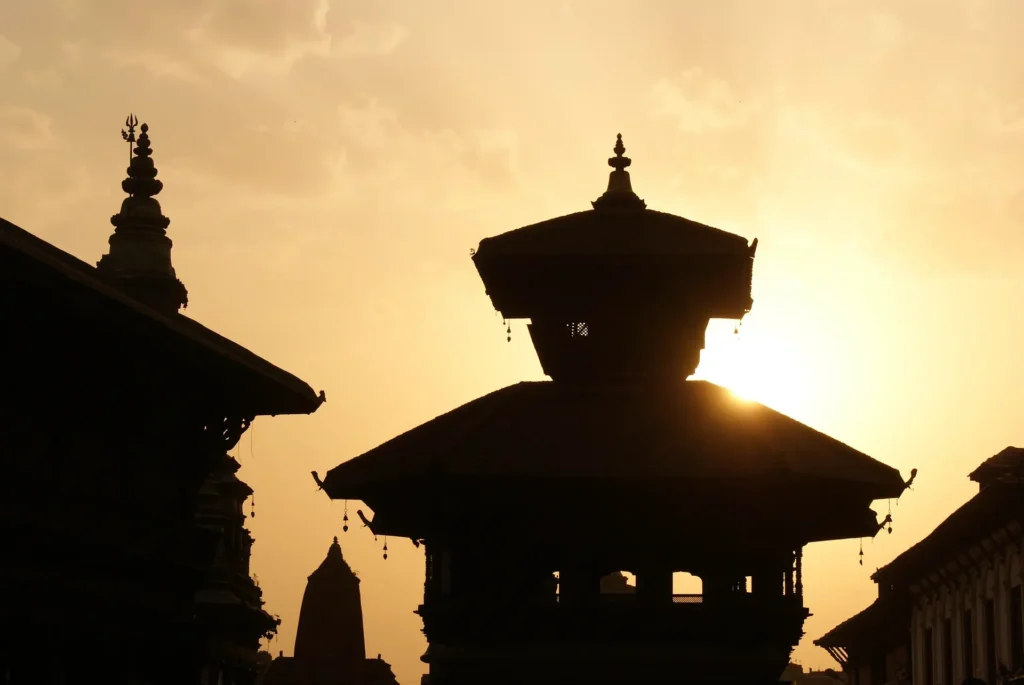
Two medieval cities with squares of carved wooden temples, courtyards and artisan workshops. Bhaktapur keeps its village character.
Where to eat nearby: buffalo yogurt (juju dhau) in Bhaktapur and Newar food in a traditional house.
Pokhara and Annapurna
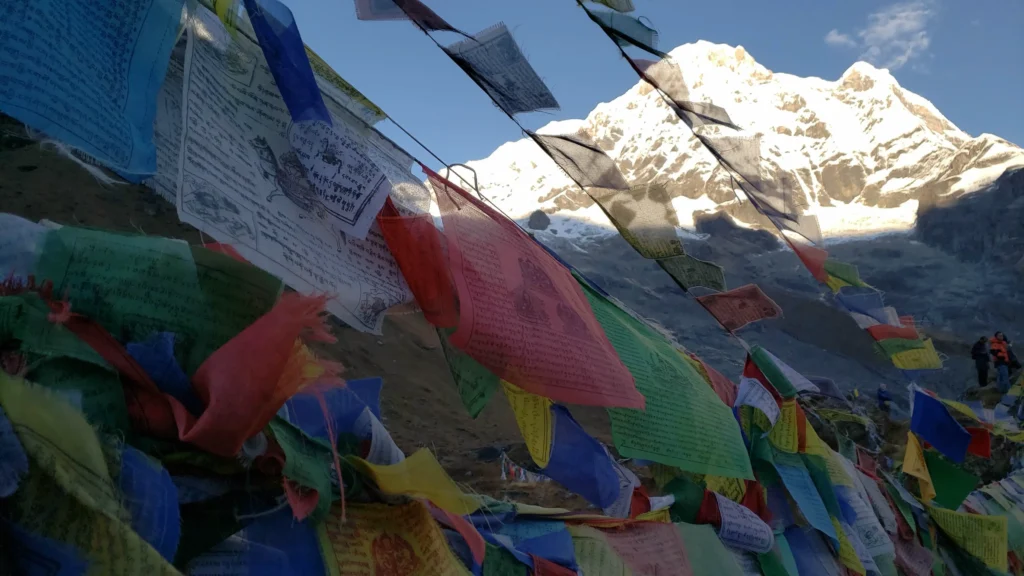
A calm lake with views of the Annapurna mountains. A short hike to the Sarangkot viewpoint at dawn is enough to see the range.
Where to eat nearby: lunch by the lake, with dal bhat or fried fish.

Safari in Chitwan
Explore the jungle by jeep, canoe or on foot, with naturalist guides. It is one of the best places to see one-horned rhinos and birds. With luck, also Bengal tigers.
Where to eat nearby: dinner at the lodge, with local food, by the fire.
Lumbini and Gentle Trekking
Lumbini is the birthplace of the Buddha, a place of silent pilgrimage. For those who want to walk, there are routes of a few days with Himalayan views, such as Poon Hill.
Visa and Paperwork Before Your Trip to Nepal
U.S. citizens can get the visa on arrival in Nepal or apply for it online before traveling.
| Procedure | What to know | When |
|---|---|---|
| Tourist visa | It is obtained on arrival at Kathmandu airport and other entry points, or online at nepaliport.immigration.gov.np. It costs about $30 for 15 days, $50 for 30 days and $125 for 90 days, with multiple entries; the amounts are approximate. Carry a recent photo. | Before arriving |
| Passport | It should be valid for at least 6 months from your arrival and have blank pages. | Before buying the ticket |
| Onward ticket | Airlines and immigration may ask for a return or onward ticket. | At boarding and on arrival |
| Trekking permits | For mountain routes, permits and, in many cases, a registered guide are needed. I handle them. | 4 weeks ahead |
| Altitude | Above 8,200 feet (2,500 meters) there is a risk of altitude sickness. Ask your doctor and plan acclimatization. | 4 to 6 weeks ahead |
| Malaria | There is a risk in the lowlands, such as Chitwan. Ask your doctor about prophylaxis. | 4 to 6 weeks ahead |
| Minors | Each child needs their own passport and, if traveling with only one parent or with third parties, a notarized consent letter. | Before traveling |
| Travel insurance | Get one with international medical coverage and helicopter evacuation. | Before traveling |
How to Get Your Entry Step by Step
- Go to the official portal, nepaliport.immigration.gov.np, and beware of intermediaries that overcharge.
- Fill in the online form before traveling.
- Carry a recent photo and your valid passport.
- Pay the fee according to the days of your stay.
- Save the confirmation on your phone and carry a printed copy.
- Check the trekking permits if you plan to hike.
Immigration rules can change at short notice. That is why I prepare each procedure with my clients and review the conditions close to the travel date.
Frequently asked questions about traveling to Nepal
Do I need a visa to travel to Nepal from the U.S.?
Yes. U.S. citizens can get the visa on arrival or apply for it online at nepaliport.immigration.gov.np. It costs about $30 for 15 days, $50 for 30 days and $125 for 90 days; the amounts are approximate. Your passport should be valid for at least 6 months.
What is the best time to travel to Nepal?
From October to November and from March to May. These are the seasons with the best Himalayan views. The monsoon, from June to September, brings rain and clouds that hide the mountains.
How many days do I need for a trip to Nepal?
Between 8 and 12 days lets you combine Kathmandu, Pokhara and Chitwan, with a scenic flight. For a long trek, you need between 2 and 3 weeks.
What is altitude sickness and how is it avoided?
It is a reaction of the body to altitude, which appears above 8,200 feet (2,500 meters). It is avoided by ascending slowly, drinking water and resting. Talk to your doctor before traveling.
Is it safe to travel to Nepal?
Yes, with precautions. Kathmandu is chaotic, so it is wise to use private transfers and keep valuables safe. In the mountains, the key is a guide, insurance with helicopter evacuation and buffer days. Check the current U.S. State Department advisory.
Do you tip in Nepal?
Yes. You tip the guide, the driver and the hotel staff separately, in rupees or dollars. Amounts vary by service, and your operator will give you a reference.
Can I see Everest without trekking?
Yes. A one-hour scenic flight from Kathmandu or a helicopter flight lets you see Everest without walking. The peaks can also be seen from Nagarkot and Pokhara on clear days.
Can I combine Nepal with other destinations?
Yes. Nepal combines very well with Bhutan, India, Tibet or Sri Lanka. Check the requirements of each destination.
How much does a trip to Nepal cost?
It depends on the level and the activities. As a reference, a 10 to 12 day trip with flights from the U.S. costs $4,200 to $6,600 per person at an essential level, $6,200 to $9,900 at an intermediate one and from $10,700 at a premium one, with trip design and management included. These are estimates from November 2026.
Let's Design Your Trip to Nepal Together
Nepal is enjoyed far more when the regions, the flights, the hotels and the transfers are planned as a single trip. Tell me what you are looking for, whether culture, adventure or spirituality, and we will design it around you.
Combine Nepal With Other Destinations
If you are traveling as a couple, discover my honeymoon trips. If you prefer to share the experience, explore the group trips.

Ari Garduno
Passionate traveler of the authentic, the unexpected and what leaves a mark.


Deja un comentario