



Some countries are felt with all the senses at once. In India, the scent of cardamom mixes with incense smoke, a marble palace appears at the end of a noisy street and, at dawn, the Taj Mahal changes color while the city wakes up.
That is why a custom trip to India is designed with great care. It is a country the size of a continent, with languages, climates and customs that change every few hundred kilometers. Those who arrive prepared live one of the most intense and beautiful trips in the world. Those who don’t get exhausted before reaching the best.
This guide goes beyond the postcard. Besides the regions, the lodging and the activities, I tell you what almost nobody explains: what it really costs, what paperwork you need as a U.S. traveler, what is rude, what is illegal and what you can and cannot bring.


Some countries are felt with all the senses at once. In India, the scent of cardamom mixes with incense smoke, a marble palace appears at the end of a noisy street and, at dawn, the Taj Mahal changes color while the city wakes up.
That is why a custom trip to India is designed with great care. It is a country the size of a continent, with languages, climates and customs that change every few hundred kilometers. Those who arrive prepared live one of the most intense and beautiful trips in the world. Those who don’t get exhausted before reaching the best.

This guide goes beyond the postcard. Besides the regions, the lodging and the activities, I tell you what almost nobody explains: what it really costs, what paperwork you need as a U.S. traveler, what is rude, what is illegal and what you can and cannot bring.
Why India Is Unlike Any Other Destination
India is one of the few places in the world where you can:
- See the Taj Mahal at sunrise and, on the same trip, sleep in a maharaja’s palace.
- Look for a wild Bengal tiger in Ranthambore.
- Take a boat on the Ganges, in Varanasi, while the city prays at dawn.
- Cruise the canals of Kerala on a houseboat, among palm trees and rice paddies.
What makes it unique is the depth. There are millennia of history, living religions, regional cuisines and crafts that exist nowhere else. It is also a destination that challenges you: traffic, noise and crowds are part of the experience.
It is a destination you enjoy far more with good logistics. There are long distances, seasons that change the itinerary and rules worth knowing. That is why below you will find sections on budget, etiquette, laws, customs and visa.
Be a traveler. Not a Tourist.
Ready to design your next adventure?
Best Time to Visit India

India is so big that there is always an ideal region. For the north, the Golden Triangle and Rajasthan, the best time is winter. My advice is not to choose the date before deciding on the regions.
| Season | Months | The best | Keep in mind |
|---|---|---|---|
| Winter | November to February | The best weather for Delhi, Agra, Rajasthan and Varanasi. Mild, dry days, and festivals such as Diwali. | It is high season. Morning fog can delay flights and trains in December and January, and Delhi can have poor air quality. |
| Spring | March and April | Holi colors, warm days and fewer visitors. A good time for Kerala and the south until March. | The heat rises quickly in Rajasthan. From April it is hard to tour the north during the day. |
| Summer | May to June | The Himalayas, such as Ladakh, are at their best. Lower rates in the north. | Extreme heat on the plains, up to over 104 °F (40 °C). |
| Monsoon | July to September | Green landscapes, Kerala with Ayurvedic treatments and fewer travelers. | Heavy rain, local flooding and humidity. Tiger safaris close. |
| Fall | October | The monsoon ends, the countryside is green and the weather improves. | It is still hot in some regions. |
If the Golden Triangle and Rajasthan are your priority, October to March is the best window. If you are looking for Kerala or the Himalayas, the calendar changes. Many of my clients combine several regions, and when that is the case I design the order according to the weather.


Real Budget: How Much Does a Trip to India Cost?
I’ll be straight with you: India supports every level of luxury, but the budget is decided by where you sleep and how you get around. A maharaja’s palace can cost the same as a luxury European hotel, while food and guides are very affordable. These figures are market estimates from November 2026, per person and in U.S. dollars.
Flights from the U.S.
There are nonstop flights from New York (JFK) and Newark to Delhi, of about 14 to 15 hours, and from some other cities. Otherwise the usual route is a connection in Europe or the Middle East to Delhi or Mumbai. The ticket typically costs about $900 to $2,000 per person in economy, depending on your departure city and the season. On top of that come domestic flights between regions, which are best included from the start.
Lodging per Night (per room)
| Level | Per room per night | What to expect |
|---|---|---|
| Essential | $80 to $180 | Simple boutique hotels and havelis (historic houses), with breakfast. |
| Intermediate | $180 to $400 | Design hotels and restored havelis, with a good location and restaurants. |
| Premium | $400 to $900 | Palace hotels and luxury international-chain hotels, with a spa and private service. |
| Ultra-luxury | $900 to $3,000 or more | The most iconic palaces in Udaipur, Jaipur and Jodhpur, with suites and a butler. |
Rates usually include breakfast. Private guides, transfers with a driver, domestic flights and entrance fees are added on top, and guides and drivers in India are affordable compared with other destinations. In high season, from November to February, palaces sell out months ahead.
Estimated Total Budget (per person, 12 to 14 days)
| Level | Estimated total, with flights from the U.S. | What the trip looks like |
|---|---|---|
| Essential | $3,700 to $5,800 | Golden Triangle and Rajasthan, with boutique hotels, a driver and guides. |
| Intermediate | $5,900 to $9,800 | Design hotels, Ranthambore, Udaipur and a domestic flight. |
| Premium | From $12,100, and over $23,000 at the very top | Maharaja palaces, tiger safaris with private guides and exclusive experiences. |
These ranges include flights, lodging, transfers with a driver, guides, entrance fees and the main activities. They include the design and full management of the trip: bookings, transfers, guides and support. They do not include tips, personal shopping or travel insurance. The nightly rates are market reference rates. The investment is protected by designing the trip well: I help you decide where it is worth spending and where not.
Where to Stay in India
In India, lodging is part of the experience. The usual approach is to combine a palace, a haveli and a city hotel.
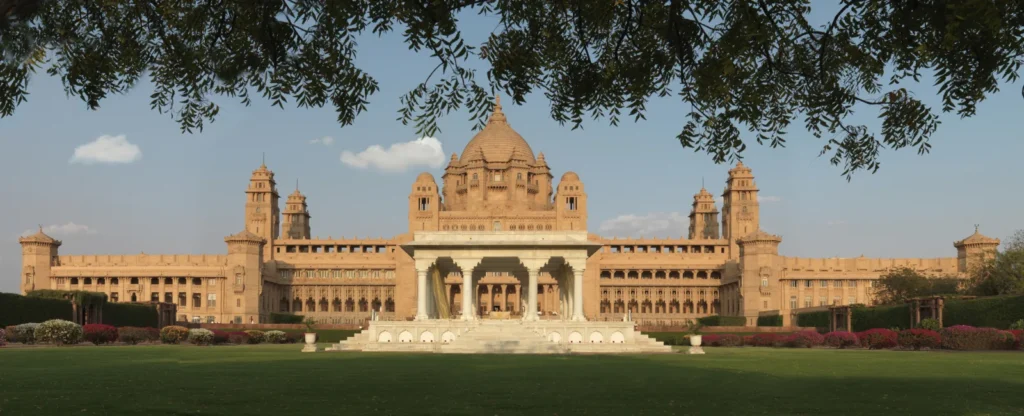
Palace Hotels of Rajasthan
Former maharaja residences turned into hotels, with courtyards, gardens and service from another era. Sleeping in one is part of the trip, not just a place to spend the night.
Havelis and Boutique Hotels
Restored historic houses, with interior courtyards and few rooms. They are the best balance of character, location and price.
Luxury Tent Camps
In Ranthambore, in the Jaisalmer desert and at Lake Pushkar there are tent camps with a private bathroom and dinners by the fire.
Delhi and Agra
Luxury hotels in Delhi and Agra with views of the Taj Mahal. Choosing the location well changes the sunrise morning.
Kerala and Houseboats
Resorts facing the canals and traditional houseboats, with local cuisine. They are a calm stop to close the trip.
What to Expect on Your Trip Through India
Language. More than twenty official languages are spoken, and Hindi and English are the most used. English is understood well in tourism and in cities. A few words open smiles: namaste (hello, with palms together) and dhanyavaad (thank you).
Currency and cash. The currency is the Indian rupee (INR). Visa and Mastercard are accepted at hotels and large stores, and digital payments are very common. Carry cash in rupees for tips, markets and transportation, and withdraw at bank ATMs, not on the street.
Getting there. There are nonstop flights from New York and a few other U.S. cities; otherwise total travel time usually exceeds 20 hours. India is 9.5 to 10.5 hours ahead of the U.S. East Coast, depending on the season.
Transportation. For long distances you use domestic flights or first-class trains, and between cities, a private driver. In cities there are ride-hailing apps. Traffic is chaotic, so I do not recommend driving on your own.
Connectivity and adapters. Outlets are types C, D and M, at 230 V and 50 Hz. Bring a universal adapter, and check that your devices support 230 V. An eSIM helps, although local SIMs require paperwork with ID.
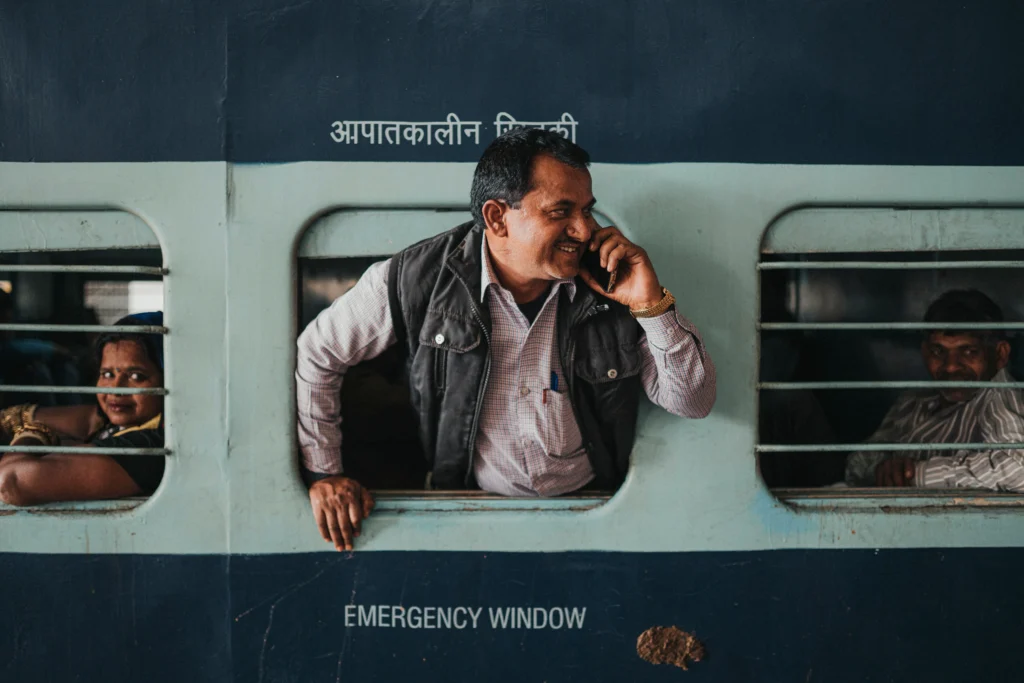
Weather and clothing. Travel in light cotton or linen clothing that covers shoulders and knees. Bring comfortable shoes that are easy to take off for temples, a shawl or scarf and, in winter, a warm layer for the mornings.
Health. Talk to your doctor or a travel clinic, at least 6 weeks ahead, about vaccines such as hepatitis A and typhoid, and about malaria prophylaxis in some areas. Drink only bottled or filtered water, avoid ice and choose freshly cooked food. Get travel insurance with medical and evacuation coverage.
Safety. India is a fascinating destination and, with precautions, safe for tourism. Avoid excess money and jewelry, be careful with taxi and shop scams, and use trusted drivers and guides. Women traveling alone should take additional precautions: I explain how in the trip design. Check the current U.S. State Department advisory before leaving.
Culture. India brings together Hinduism, Islam, Sikhism, Buddhism and Jainism in daily life. Greetings with palms together, respect for elders and hospitality are central values. Festivals, such as Holi and Diwali, change the rhythm of the cities.
Food. Every region has its own cuisine. Try thali (a variety of dishes), biryani, southern dosa, butter chicken, naan and roti breads, masala chai and sweets. There is an enormous vegetarian variety and, if you can’t handle spice, you ask for “less spicy.”
My basic guide for any trip
India: The Reality Behind the Magic
India is not understood. It is lived, with rhythm.
The Taj Mahal at sunrise is real, and so are the line, the heat and the winter fog. A day in Delhi can be the best of the trip or the most exhausting, depending on how it was designed. In Ranthambore, seeing a tiger depends on luck and the guides, and some safaris end without seeing one. In winter, fog and Delhi’s air can delay flights and trains.
That is why I design each trip with few hotel changes, moderate rhythms, private drivers and guides, and rest days in between. I book several safaris to increase the chances of seeing a tiger, and I leave margin between flights. When the trip is well thought out, the intensity of India becomes its best gift.
The key is realistic expectations, preparation, patience and a good guide.
Etiquette: Dos and Don'ts in India
Indians are hospitable, curious and very sociable. These customs help you travel respectfully and avoid misunderstandings.
| Topic | Avoid | Instead |
|---|---|---|
| Greetings | Shaking hands without seeing whether the other person offers it, especially with women. | Greet with "namaste" and palms together. |
| Temples | Entering with shoes on, with uncovered shoulders or knees, or with your head covered inappropriately. | Take off your shoes, cover up and follow the instructions of the place. |
| Left hand | Eating, giving or receiving with the left hand. | Use the right hand, or both hands. |
| Tipping | Leaving without tipping. | At restaurants, 10% if service is not included. Tip the driver, the guide and the hotel staff. Your operator will give you a reference. |
| Photography | Photographing people, rituals or women without permission. | Ask first. At temples, there are places where it is prohibited. |
| Cows and animals | Bothering cows, which are sacred to Hindus. | Give them space. |
| Displays of affection | Kissing and hugging in public. | Keep it discreet. |
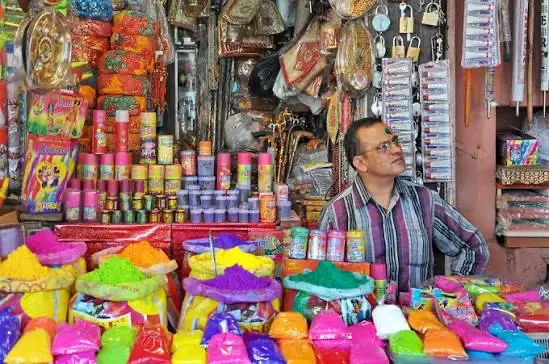
| Bargaining | Paying the first price at markets. | Bargain with a smile and without pressure. At fixed-price stores, don't. |
At hotels, the staff are like a family. A sincere “namaste” and greeting someone by name are remembered more than any grand gesture.
Laws to Know Before Traveling to India
Not knowing the law is no defense in any country. These are the rules that surprise travelers most in India.
| Topic | What the rule says | Consequence |
|---|---|---|
| Drugs | Possession, use and trafficking, including cannabis, are serious crimes. | Detention and long prison sentences. |
| Alcohol | In some states it is prohibited, and in others there are dry days. | Fines and detention. Ask first. |
| E-cigarettes | Vapes and e-cigarettes are banned. | Fines and confiscation. Don't bring them. |
| Smoking in public | Smoking in public places is prohibited. | Fines. |
| Photography | Photographing military installations, airports, bridges and train stations is not allowed. | Detention and confiscation of equipment. |
| Drones | They require a permit and are banned without authorization. | Fines and confiscation. |
| Wildlife | Approaching animals is prohibited, and wildlife products are protected. | Fines and criminal charges. |
| Registration | Hotels register foreigners with their passport. | Carry your original passport or a copy at hand. |
Customs: What You Can and Can't Bring Into India
India has clear customs rules, but it helps to keep them in mind before packing.
| Item | Rule | Notes |
|---|---|---|
| Cash | Large amounts are declared. | Confirm the threshold with your operator. |
| Rupees | Importing or exporting large amounts of rupees is restricted. | Exchange only what you will use. |
| Alcohol and tobacco | Limited quantities are allowed for adults. | Confirm before buying at duty free. |
| Medications | Allowed for personal use, in original packaging with a prescription or doctor's letter. | Some controlled medications require prior permission. |
| Drugs and narcotics | Banned. | They can lead to detention. |
| E-cigarettes | Banned. | They are confiscated. |
| Drones | Banned without a permit. | They are confiscated. |
| Purchases | Keep the receipts for what you buy in India. | It makes exit through customs easier. |
| Electronics | Personal-use cameras and laptops are allowed. | Declare professional equipment. |
Activities That Define the Indian Experience (and Where to Eat Nearby)
In India, the table and the landscape go together: every region has its own flavors. That is why each activity comes with what is worth eating nearby.
Delhi: The Old and the New
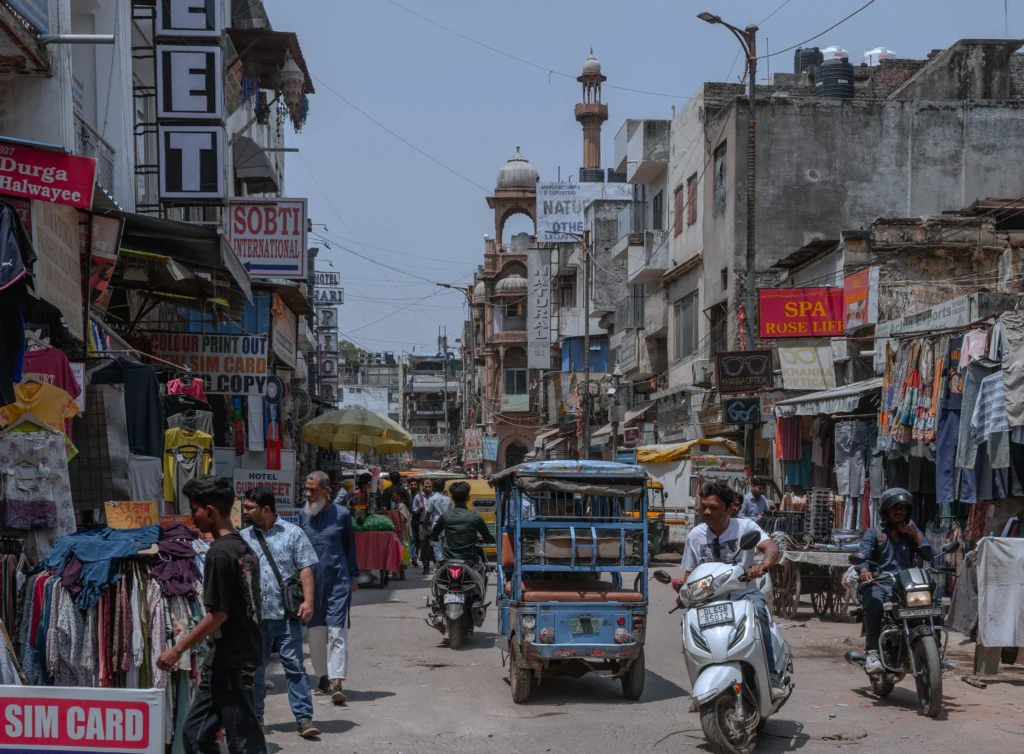
Explore Old Delhi, with its alleys and the Jama Masjid mosque, and contrast it with New Delhi, with its avenues, the Red Fort and Humayun’s Tomb.
Where to eat nearby: guided street food in Old Delhi, and dinners at contemporary Indian restaurants.
Agra: The Taj Mahal
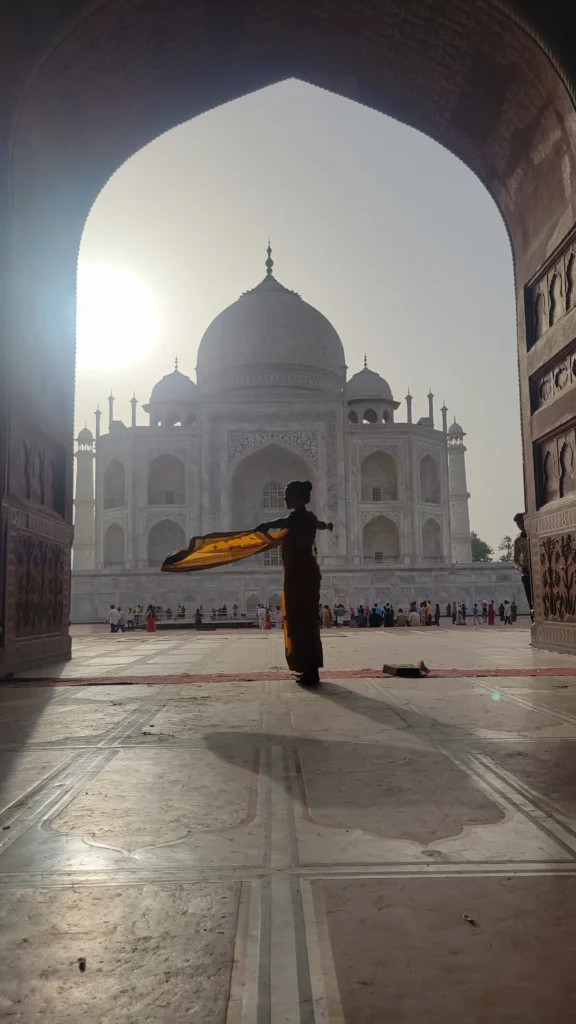
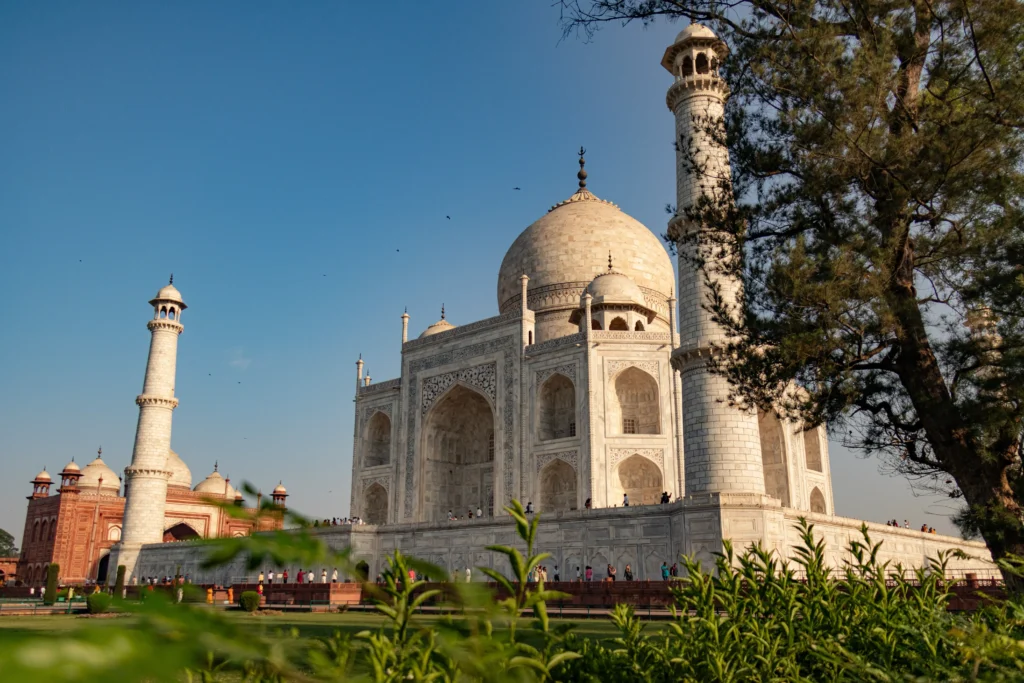
Go to the Taj Mahal at sunrise, to avoid the crowds and the heat. It is closed to the general public on Fridays. Tickets for foreigners cost several times more than for locals, and are bought online on the official site. Afterward, visit Agra Fort.
Where to eat nearby: Mughlai, the cuisine of the court, with kebabs and breads, at restaurants near the fort.
Jaipur: The Pink City
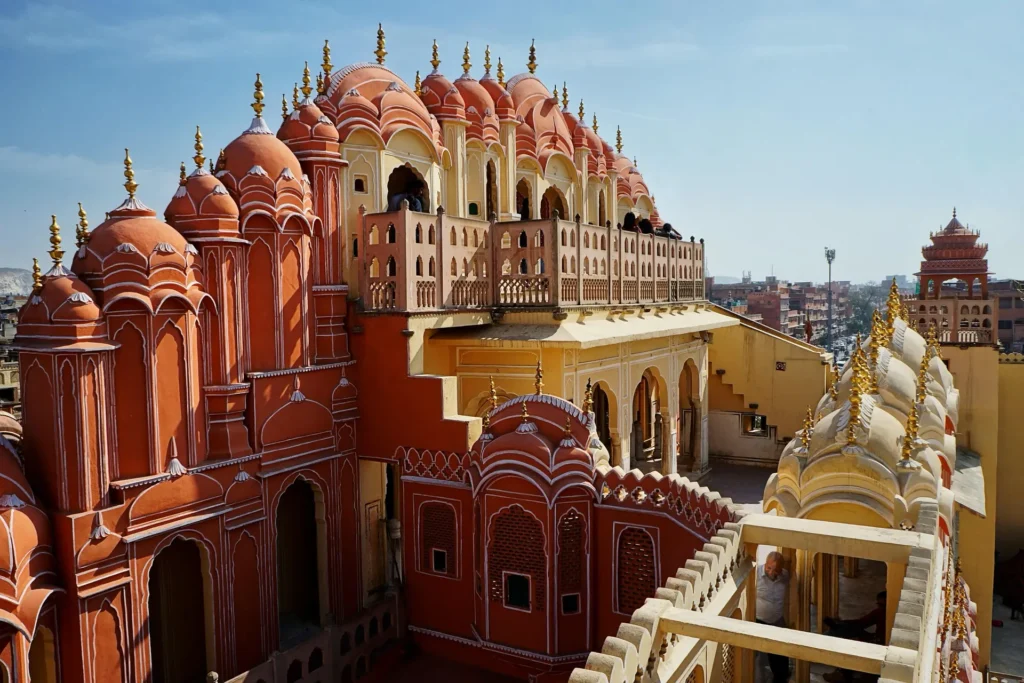
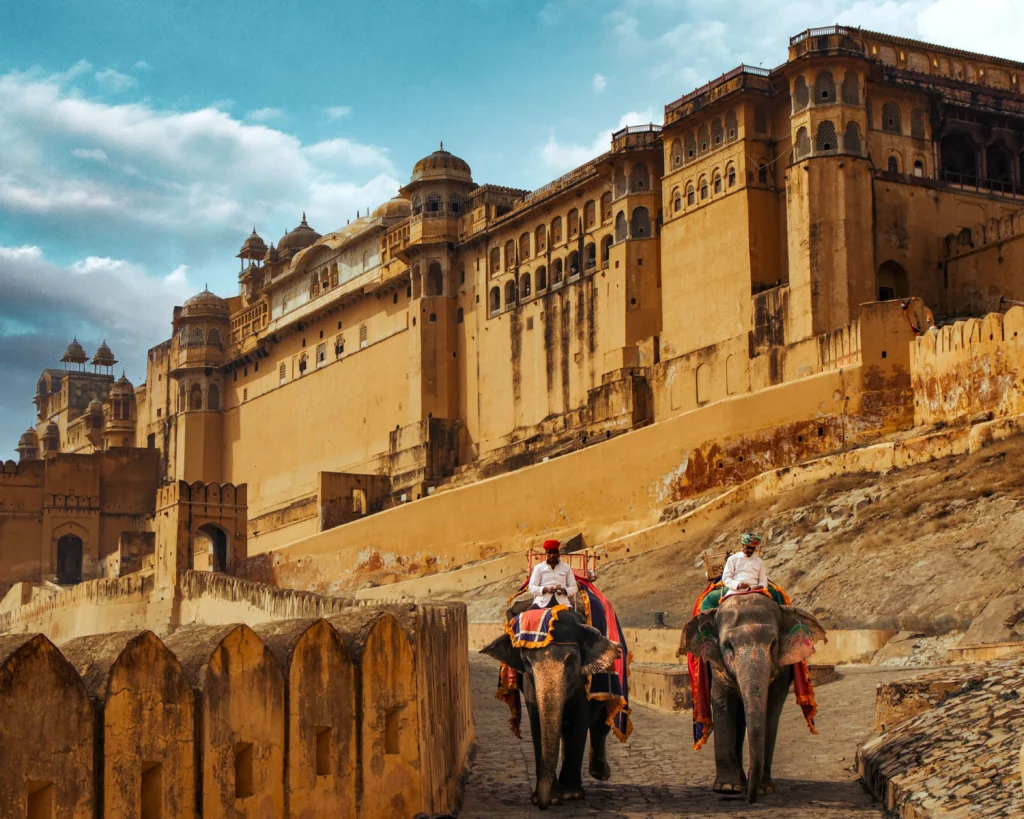
The City Palace, Amber Fort, the Hawa Mahal and the jewelry and textile bazaars. An elephant ride at Amber is a debated practice; I prefer a jeep.
Where to eat nearby: dal baati churma, a typical Rajasthani dish, and lassi at the bazaars.
Udaipur and Jodhpur
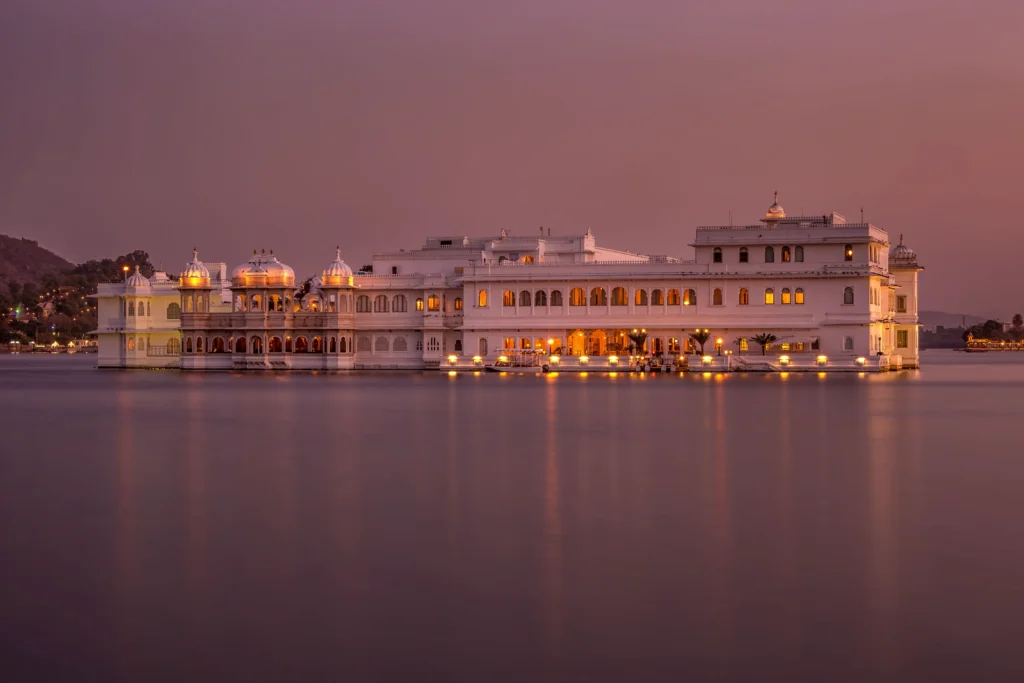
Udaipur, the city of lakes and palaces, is the most romantic. Jodhpur, the blue city, has an impressive fort. They are ideal stops for couples.
Where to eat nearby: dinners on terraces with a lake view in Udaipur.
Ranthambore: Tigers
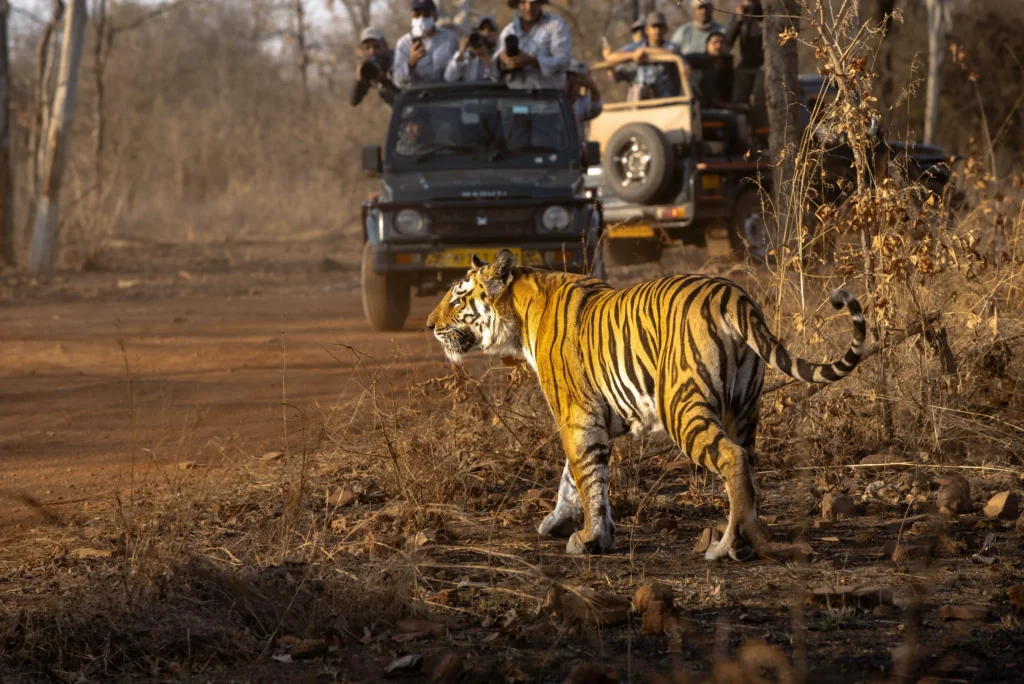
One of the best parks to see wild Bengal tigers. Safaris are by jeep or canter, in the morning and the afternoon. I book several to increase the chances.
Varanasi: The Ganges
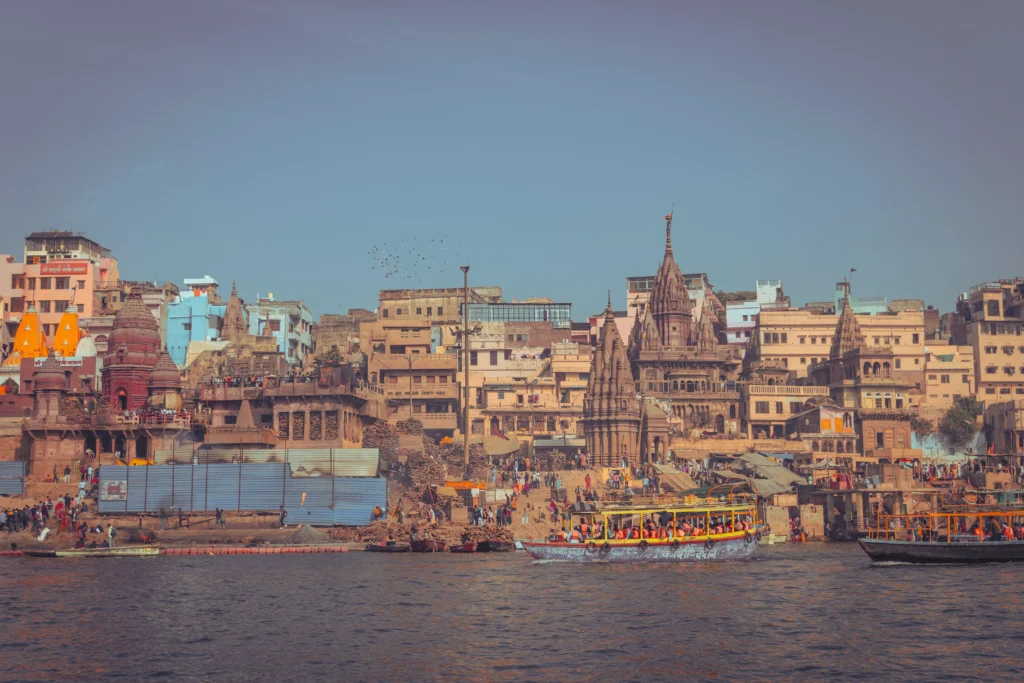
A boat ride at dawn and the aarti ceremony at dusk are among the most intense experiences in India. Do it with a guide and with respect.
Where to eat nearby: chaat (street snacks), lassi and local sweets.
Kerala and the South
The canals of Kerala, the tea plantations of Munnar and the cuisine of the south offer a softer rhythm. It is a good rest stop.
Where to eat nearby: fish in a banana leaf, dosa and filter coffee.
Visa and Paperwork Before Your Trip to India
U.S. citizens need a visa to enter India. The good news is that it is processed online, with the electronic tourist visa (e-visa), without going to the embassy.
| Procedure | What to know | When |
|---|---|---|
| Tourist e-visa | It is processed on the official portal, indianvisaonline.gov.in. It allows a stay of up to 30 days, and longer 1-year and 5-year tourist e-visas also exist. The fee is approximate: for the 30-day visa it ranges from about $10 to about $25 depending on the entry date, plus a small bank charge, and it is paid on the portal. Confirm the current fees for U.S. citizens. | 1 to 4 weeks ahead |
| Entry airports | The e-visa is only valid when arriving through designated airports and ports. | Confirm on the portal before buying the ticket |
| Application limit | A person may obtain the tourist e-visa a maximum of two times per calendar year (for the 30-day type). | When applying |
| Passport | It should be valid for at least 6 months and have at least 2 blank pages. | Before buying the ticket |
| Onward ticket | Airlines and immigration may ask for a return or onward ticket. | At boarding and on arrival |
| Yellow fever | The international certificate is requested if you arrive from a risk country, or after a long transit in one. From the U.S. it is not usually required. | Get vaccinated at least 10 days before |
| Vaccines and malaria | Ask your doctor about hepatitis A, typhoid and malaria prophylaxis in some areas. | 6 weeks ahead |
| Minors | Each child needs their own passport and, if traveling with only one parent or with third parties, a notarized consent letter. | Before traveling |
| Travel insurance | Get one with international medical and evacuation coverage. | Before traveling |
The e-visa rules and fees change frequently. That is why I prepare each procedure with my clients and review the status of the visa close to the travel date.
Beyond the Postcard: Reads That Reveal the Soul of India
Before your feet touch its soil, let your mind travel. Here are my literary recommendations so you can soak up the essence of India and experience every corner from another perspective.


Frequently asked questions about traveling to India
Do I need a visa to travel to India from the U.S.?
Yes. U.S. citizens need a visa and can apply for the tourist e-visa online at indianvisaonline.gov.in, for stays of up to 30 days. Your passport should be valid for at least 6 months.
What is the best time to travel to India?
From November to February for the Golden Triangle and Rajasthan, which is the cool and dry season. For Kerala it is best to travel from November to March, and for the Himalayas, from May to September.
How many days do I need for a trip to India?
Between 12 and 14 days lets you tour Delhi, Agra, Rajasthan and Ranthambore at a reasonable pace. With less time, the trip comes down to a single region.
Is it safe to travel to India?
Yes, with precautions. It is wise to use trusted drivers and guides, avoid excess money and jewelry, and watch out for scams. Women traveling alone should take additional precautions, and it is worth checking the current U.S. State Department advisory.
Can you drink tap water in India?
No. Drink only bottled or filtered water, avoid ice and choose freshly cooked food. A good hotel will give you filtered water.
What vaccines do I need to travel to India?
Talk to your doctor at least 6 weeks ahead about hepatitis A, typhoid and malaria prophylaxis in some areas. The yellow fever certificate is requested if you arrive from a risk country.
What can't I bring to India?
You cannot bring drugs, weapons, drones without a permit or e-cigarettes. Medications must be in their original packaging, with a prescription.
Can I combine India with other destinations?
Yes. India combines very well with Nepal, Bhutan, Sri Lanka and the Maldives. If you pass through a yellow fever risk country, carry your vaccination certificate.
How much does a trip to India cost?
As a reference, a 12 to 14 day trip with flights from the U.S. costs $3,700 to $5,800 per person at an essential level, $5,900 to $9,800 at an intermediate one and from $12,100 at a premium one, with trip design and management included. These are estimates from November 2026.
Let's Design Your Trip to India Together
India is enjoyed far more when the palaces, the guides, the transfers and the rhythms are planned as a single trip. Tell me what you are looking for, whether history, tigers, spirituality or food, and we will design it around you.
Combine India With Other Destinations in Asia
If you are traveling as a couple, discover my honeymoon trips. If you prefer to share the experience, explore the group trips.

Ari Garduno
Passionate traveler of the authentic, the unexpected and what leaves a mark.


Deja un comentario