


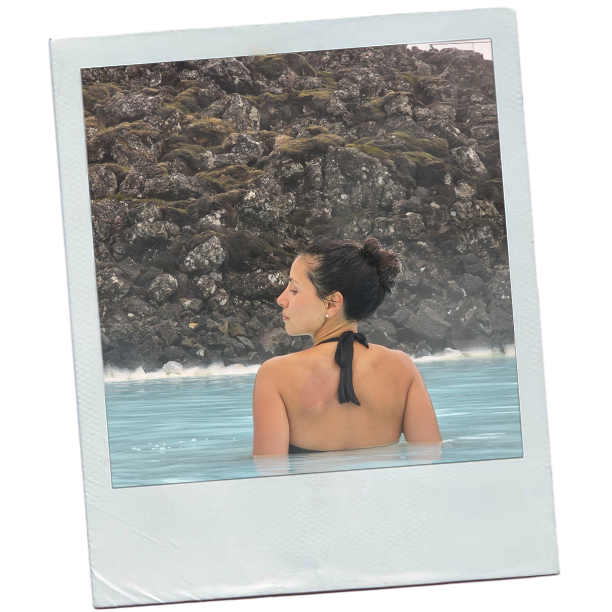


Traveling to Iceland is not “just another trip.” It is entering a territory where nature still rules. Where the weather decides the plan of the day. Where silence can be so intense that you literally hear it.
After leading groups and designing experiences here, I have understood something very clearly: Iceland is not toured, it is interpreted. And if you understand it well, it becomes one of the most impactful trips of your life.
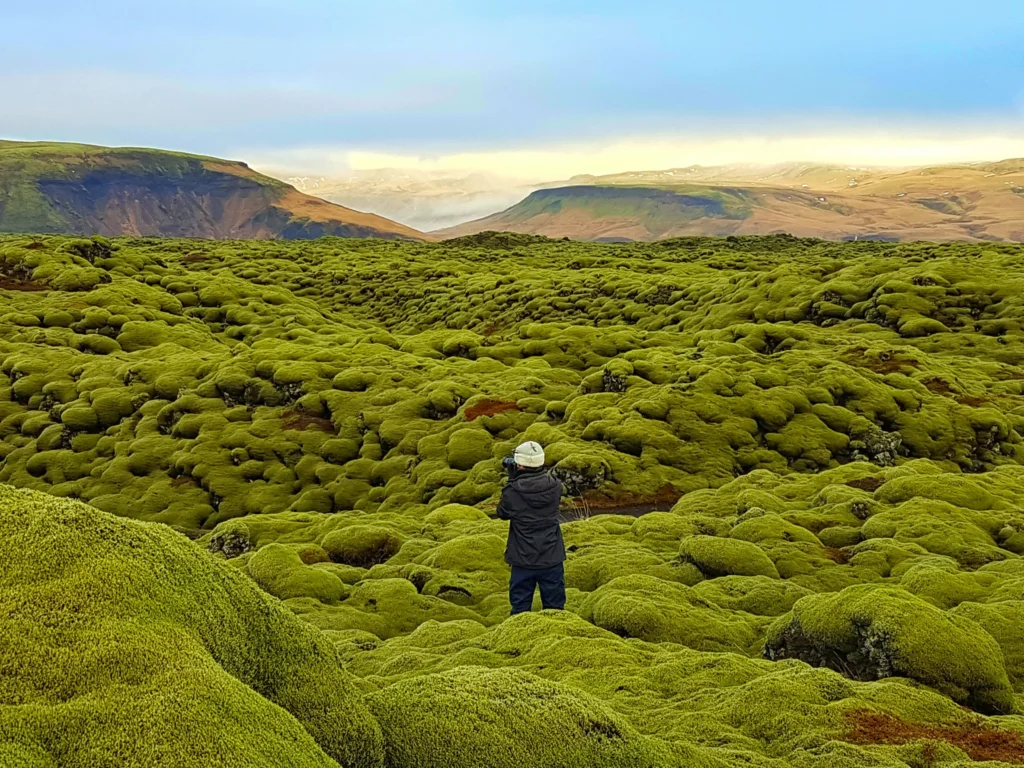
This country combines active volcanoes, ancient glaciers, black sand beaches, moss-covered lava fields, impossible waterfalls and skies that in winter can burst into northern lights. But beyond the postcard, Iceland is logistics, changing weather, strategic decisions and proper preparation.
Here I share exactly what I want you to know before you travel.


Traveling to Iceland is not “just another trip.” It is entering a territory where nature still rules. Where the weather decides the plan of the day. Where silence can be so intense that you literally hear it.
After leading groups and designing experiences here, I have understood something very clearly: Iceland is not toured, it is interpreted. And if you understand it well, it becomes one of the most impactful trips of your life.

This country combines active volcanoes, ancient glaciers, black sand beaches, moss-covered lava fields, impossible waterfalls and skies that in winter can burst into northern lights. But beyond the postcard, Iceland is logistics, changing weather, strategic decisions and proper preparation.
Here I share exactly what I want you to know before you travel.
Why Traveling to Iceland Is Unlike Any Other Destination
Iceland is one of the few places in the world where you can:
- Walk on a glacier in the morning.
- See geysers erupting at midday.
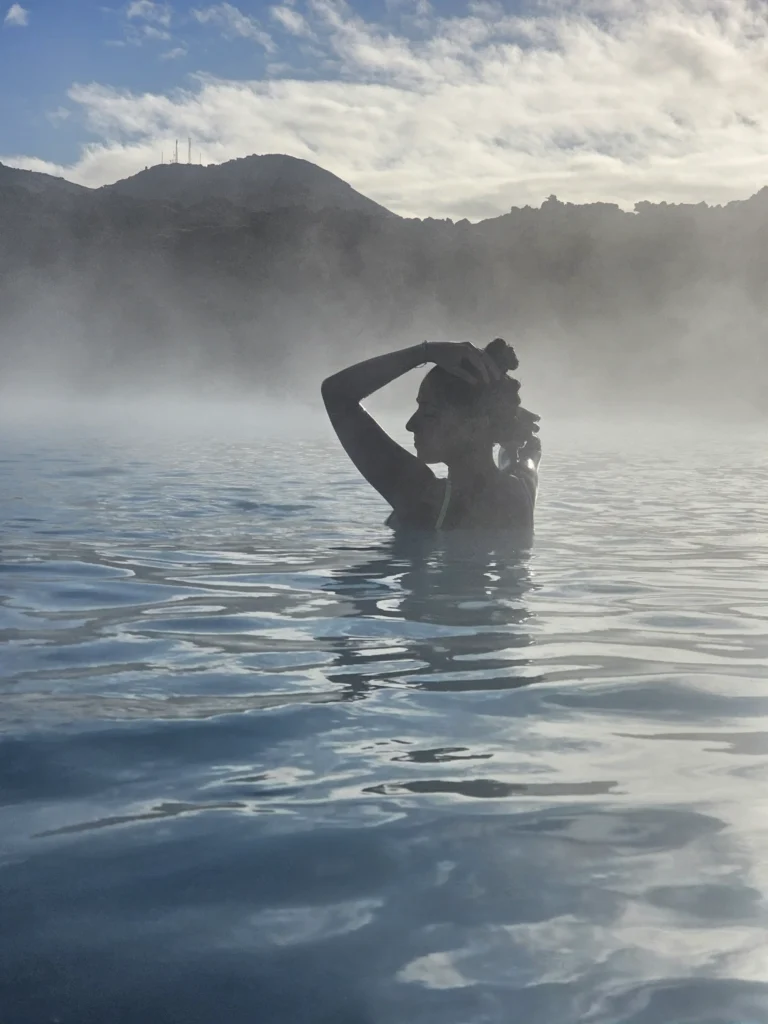
- Bathe in hot springs at sunset.
- And go out at night to look for the northern lights.
But what really makes it special is not the list of activities. It is the constant feeling of standing before something bigger than you.
There are no skyscrapers. There is no unnecessary noise. There are no crowds outside high season. There is space. There is wind. There is horizon.
And that changes something inside.
I have seen travelers arrive with clear expectations: photos, itineraries, lists. And I have seen how those same people are transformed when they understand that Iceland is not a destination you control. It is a destination you experience with humility.
Here you learn to respect the weather. To wait. To be grateful. To adapt.
And precisely that surrender to the uncontrollable is what makes a trip to Iceland memorable.
Best Time to Visit

Where the Soul Vibrates to the Rhythm of Ice and Fire.
This is one of the most important questions because Iceland changes radically depending on the season.
Summer in Iceland (June to August)
If you want:
- Hiking
- Access to the Highlands
- Roads fully open
- Midnight sun
- Milder temperatures
Summer is ideal.
The days are almost endless. You can literally be exploring at 11 pm in natural light. It is the best time if you want to drive the entire Ring Road without restrictions.
But it is not northern lights season. It is important to understand that from the start.
Summer also brings fields covered in purple lupines, puffins on the cliffs, and the chance to explore the interior of the country: Landmannalaugar, the Highlands, trekking routes that are completely inaccessible in winter.
If your trip to Iceland includes long hikes, access to remote areas and you want to make the most of the daylight hours, June and July are your months.
Fall and Winter (October to March) – Northern Lights Season
Fall and Winter (October to March) – Northern Lights Season
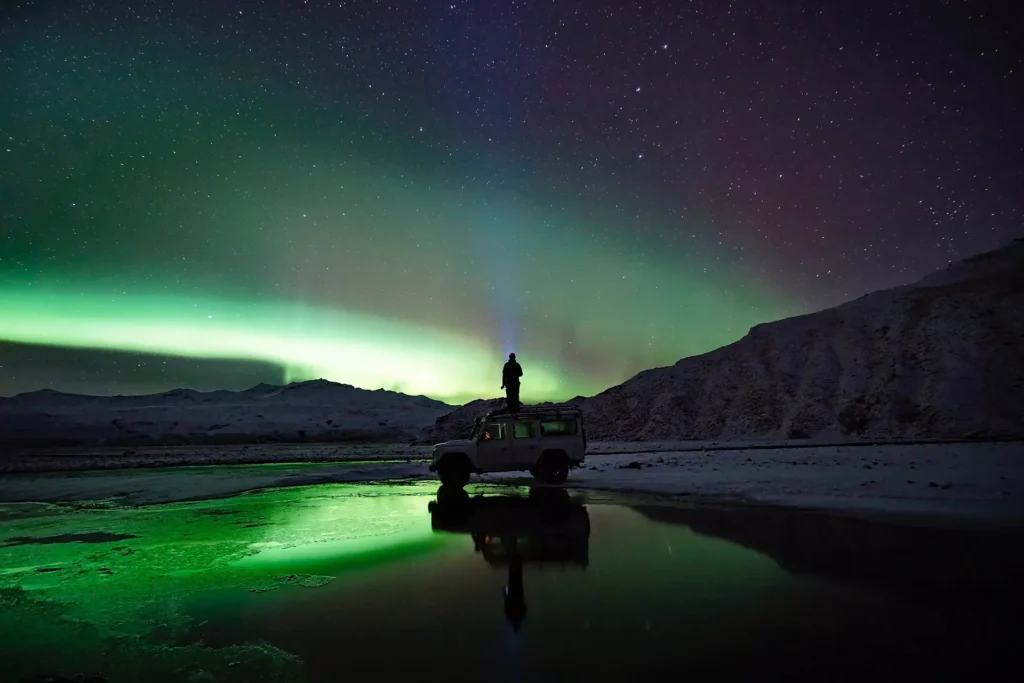
If your priority is to see the northern lights in Iceland, you need darkness. And that happens in fall and winter.
Three factors come into play:
- Enough darkness
- Solar activity
- Clear sky
It is not just “go and that’s it.” That is why I always recommend preparing well beforehand. I have a complete guide on how to hunt the northern lights in Iceland (in Spanish) that explains the real process, not the romantic one.
In addition, before going out to look for them, there are key things you should know: waiting times, real cold, patience and expectations. I also suggest reading my article on tips you should know before seeing the northern lights (in Spanish), because the experience changes completely when you know how it works.
Winter brings:
- Ice caves
- Completely snow-covered landscapes
- Less sunlight
- More challenging roads
- Strong wind
But it also brings the magic of the lit-up sky.
Ice caves, for example, are only accessible between November and March. They are natural formations inside glaciers that change every year, with impossible blues, crystal-clear ice and the feeling of being inside a natural cathedral.
If you decide to travel to Iceland in winter, prepare for short days. In December, the sun rises around 11 am and sets around 3:30 pm. But those few hours of light have a cinematic quality. Everything looks golden, soft, intimate.
Spring and Early Fall – Shoulder Seasons
- Fewer tourists.
- Somewhat lower rates on flights and lodging.
- Unpredictable weather (more than usual).
The key here is mental flexibility. Iceland can always change the plan. And if you travel here, you need to embrace that possibility.
September and October are months when you can see northern lights and still have relatively long days. It is a middle ground that many smart travelers take advantage of.
April and May bring the thaw, more powerful waterfalls, less snow on the roads, but still few crowds.


Real Budget: How Much Does a Trip to Iceland Cost?
I’ll be straight with you: Iceland is an expensive destination. But with good planning, every euro is invested where it matters.
What is indispensable is planning well. Because here money can go very fast if you don’t understand how the cost structure works.
After organizing dozens of trips to Iceland, I have identified exactly where the budget goes and how to optimize it without sacrificing the experience.
Flights from the U.S.
This is the first thing that hits:
- Low season (November to March, except Christmas): $400 to $600 USD
- High season (June to August): $700 to $1,000 USD
There are nonstop flights to Keflavík from many U.S. cities, such as New York, Boston and Washington D.C., and connections from others. If you have date flexibility, you can save considerably. I always recommend monitoring fares at least three months ahead.
Prices by Departure City
Fares vary a lot by departure city: the East Coast usually has the lowest, with flights of about 5.5 hours, and the West Coast and the Midwest usually cost more and may connect. As a reference, the ranges above are the usual ones for the East Coast; add a few hundred dollars from farther cities.
Lodging per Night
This is where many travelers are surprised. Iceland has a lodging structure different from what we know in the U.S. or even in the rest of Europe.
- Hostels (shared room): 40-60 euros per night
- Hostels (private room): 80-120 euros per night
- Guesthouses: 100-150 euros per night
- Mid-range hotels: 150-280 euros per night
- Boutique or luxury hotels: 300+ euros per night
Later I explain in detail what guesthouses are and why they are an excellent option for your trip to Iceland.
Food
This is another item that can skyrocket or be controlled depending on your decisions:
- Restaurants (casual food): 30-50 euros per person
- Restaurants (full experience): 70-120 euros per person
- Supermarket (buying to cook): 15-25 euros per day per person
- A hamburger in Reykjavik can easily cost 20 euros. A coffee, 5 euros. A beer at a bar, 10-12 euros.
Activities and Excursions
This is where you define what kind of trip you want:
- Blue Lagoon: 85-140 euros (depending on the package)
- Glacier hiking: 150-300 euros per person
- Ice cave: 150-250 euros
- Whale watching: 80-120 euros
- Snorkeling in Silfra: 150-200 euros
- Zodiac tour at Jökulsárlón: 80-150 euros
- Northern lights tour: 60-120 euros
Activities have a high cost, but they are experiences you cannot replicate anywhere else. I always suggest prioritizing two or three truly meaningful experiences instead of trying to do everything.

Lodging in Iceland: Beyond the Traditional Hotel
This is where I want to pause for a moment, because the concept of lodging in Iceland can confuse many travelers, especially if they come from North America with expectations of big hotels, spacious lobbies and room service.
Iceland doesn’t work that way.
And that is not bad. It is different. But you have to understand it so you don’t arrive with the wrong expectations.
What Is a Guesthouse and Why Is It So Common in Iceland?
Guesthouses are the middle option between a hostel and a traditional hotel. They are small, family-run, and work more like guest houses than commercial hotels.
What you can expect:
- Private rooms (with or without a private bathroom)
- Very clean, well-equipped shared bathrooms
- Common kitchen
- Breakfast included (usually a Scandinavian-style buffet: bread, cheeses, cold cuts, yogurt, coffee)
Personal attention, often the owners live right there
They are incredibly clean, comfortable and functional. Don’t expect luxuries, but do expect quality and warmth.
For a trip to Iceland, guesthouses are an excellent option because they are well located, have a good relative price, and let you interact with other travelers without sacrificing privacy.

Hotels in Iceland
Hotels in Iceland are smaller and more discreet than in other mass tourist destinations.
In Reykjavik you will find modern, boutique hotels, even international chains. But outside the capital, hotels are more functional structures: clean, comfortable, with good heating, but without excessive luxury.
What matters here is the location. A well-located hotel near key attractions can save you hours of driving and open windows of opportunity to see the northern lights without moving much.

Hostels in Iceland
If you travel alone, as a couple on a tight budget, or simply like the hostel atmosphere, Iceland has excellent options.
Many hostels offer private rooms, which gives you privacy at a hostel price. They have full kitchens, common areas, and are ideal spaces to meet other travelers.

Cabins and Cottages
Cabins (cottages) in Iceland are an experience in themselves. They are generally located in scenic places, are fully equipped (kitchen, living room, bedrooms, bathroom), and let you feel like you are really living in Iceland.
They are ideal if you travel in a group or as a family. The cost is split and ends up being very reasonable.
Some cabins are in the middle of nowhere, surrounded by lava fields, with views of mountains or the sea. Waking up there is part of the magic of the trip.

Farm Stays
Farm stays are working farms that welcome guests. You sleep in a house or in rooms on the property, have breakfast with farm products and share the surroundings with the family that works it.
Many have animals such as horses and sheep, and their rural location helps you see dark skies in winter. They are a good way to get to know Icelandic life away from the crowds.

What to Expect on Your Trip Through Iceland
Iceland is an expensive destination. It is not improvised either. But it is deeply organized and efficient.
Language:
The official language is Icelandic. It is complex, ancient and deeply connected to its Viking history.
But you can relax: practically the entire population speaks fluent English.
If you want to connect more with the culture, learn these words:
- Hello: Halló
- Thank you: Takk
- Thank you very much: Takk fyrir
- Yes: Já
- No: Nei
They are small gestures that open smiles.
Icelandic Culture:
Iceland has a small, highly educated population. They value:
- Punctuality.
- Respect for nature.
- Honesty.
- Personal space.
Here nobody honks for no reason. Nobody shouts. Nobody intrudes.
There is something I like a lot: social trust. Houses often don’t have thick curtains. The sense of safety is very high.
But there is also something you should know: Icelanders don’t dramatize. They are direct. If the weather is dangerous, it is dangerous. It is not a suggestion.
That frankness is refreshing. There is no half measure. And as a traveler, you quickly learn to listen when they tell you “today is not a good day to go there.”
Currency:
The official currency is the Icelandic króna (ISK).
Iceland is practically cashless.
You can pay by card at:
- Gas stations
- Restaurants
- Cafés
- Remote parking lots
- Even public restrooms
Visa and Mastercard work without a problem.
Credit Cards and ATMs:
Credit and debit cards (Visa and Mastercard are the most common) are universally accepted at almost all establishments, from large hotels and restaurants to small shops, gas stations and even to pay for a coffee. You can use your card for almost everything. ATMs are easy to find in cities and towns, although you are unlikely to need them.
Connectivity and Adapters:
Type F plugs.
230V voltage.
You need a European adapter if you come from the U.S., and you should check that your devices support 230 V.
Wi-Fi is excellent even in remote areas.
Weather and Clothing:
The weather in Iceland is not constant cold. It is constantly changing.
You can have:
Sun + rain + wind + snow
On the same day.
Wind is the real protagonist. And it is where many travelers underestimate the experience.
Packing well is not optional. It is decisive.
I always recommend reading my complete guide on what to pack for Iceland (in Spanish), where I explain exactly:
- The type of jacket that works
- The right layers
- Appropriate footwear
- Essential accessories
- Common packing mistakes
Because coming poorly prepared completely changes the experience.
Safety:
I assure you that Iceland is an extremely safe destination, with one of the lowest crime rates in the world. You will be able to explore its landscapes with complete peace of mind. However, the main safety consideration here is related to the natural environment.
The weather can be volatile, and it is crucial to respect warnings about wind, road conditions and natural phenomena (geysers, fumaroles, currents). If you go hiking, always stay on marked trails and follow your guide’s instructions, because the terrain can be slippery or dangerous in certain areas. Weather changes can be rapid and extreme. Always let someone know your hiking routes and carry what you need for any eventuality.
For emergencies, the number is 112. Before heading out, check the weather at vedur.is, the roads at road.is and alerts at safetravel.is, where you can also leave your travel plan. Volcanic activity on the Reykjanes peninsula is constantly monitored, and authorities announce closures and evacuations. If there is an alert, your guide or your lodging will tell you what to do. Also check the current U.S. State Department advisory.
Icelandic Cuisine:
Iceland has a more interesting cuisine than many imagine.
I recommend trying:
- Icelandic lamb soup (kjötsúpa)
- Fresh fish of the day
- Arctic char
- Skyr (similar to Greek yogurt but denser)
- Rye bread baked with geothermal heat
And if you are curious:
- Hákarl (fermented shark)
It is not mandatory, but it is part of the cultural experience.
Reykjavik has surprising restaurants, cozy cafés and a very strong bakery culture.
Drones:
Flying a drone in Iceland is not as simple as it seems. The weather changes in minutes, the wind can be extreme and there are strict regulations and protected areas where flying is prohibited. One mistake can cost you your drone or a fine.
Before bringing yours, I recommend reading my blog, where I explain everything you need to know to fly drones in Iceland (in Spanish) safely and legally.
The Northern Lights: The Reality Behind the Magic
The northern lights are not guaranteed. They are worked at.
When I take travelers, we always monitor:
KP index
Cloud cover
Solar activity
Wind direction

It is not just about going out of the hotel and looking up.
If your priority is to see the northern lights in Iceland, I recommend reading my complete guide to hunting the northern lights (in Spanish), where I explain strategy, apps, schedules and real expectations.
And before getting too excited, also check my essential tips before seeing the northern lights (in Spanish), because understanding the experience changes the way you live it.
I have seen travelers frustrated because “the lights didn’t come out” when in reality there was activity, but they were in the wrong place or looking in the wrong direction.
I have also seen people stay up until 4 am, in extreme cold, waiting for something the clouds never let them see.
The key is realistic expectations + preparation + patience.
And when you finally see the sky move, dance, change shape and color before your eyes, everything makes sense.
Etiquette: Dos and Don'ts in Iceland
Icelanders are kind, direct and very respectful of their surroundings. These customs help you travel respectfully and avoid misunderstandings.
| Topic | Avoid | Instead |
|---|---|---|
| Pools and hot springs | Getting into the water without showering first. | Shower with soap and without a swimsuit before entering any pool, lagoon or hot spring. It is the firmest social norm in the country. |
| Tipping | Tipping out of habit, as in the U.S. | Service is already included in the bill. A small tip is only appreciated for exceptional service. |
| Nature | Stepping on the moss, tearing it off or moving rocks and plants for a photo. | Leave everything as you found it and stay on marked trails. Moss can take decades to recover. |
| Road | Stopping the car in the middle of the road to photograph the landscape. | Use viewpoints and rest areas. |
| Homes | Entering someone's home with shoes on. | Take them off, unless told otherwise. |
| Water | Buying bottled water. | Drink from the tap: it is clean and free. Hot water may smell slightly of sulfur because of its geothermal origin. |
| Punctuality | Arriving late to a reservation or a guided outing. | Arrive on time. Icelanders value punctuality. |
| Weather | Ignoring a warning because the sky looks good. | If you are told today is not a good day to go somewhere, don't go. It is not a suggestion. |
Laws to Know Before Traveling to Iceland
Not knowing the law is no defense in any country. These are the rules that surprise travelers most in Iceland.
| Topic | What the rule says | Consequence |
|---|---|---|
| Off-road driving | Driving off established roads is prohibited by law. The soil and vegetation are very fragile, and tire tracks can last for decades. | Considerable fines. |
| Camping | Sleeping in a van or campervan outside a campground is prohibited without the landowner's permission. A traditional tent may be pitched for one night on uncultivated land if there is no campground nearby. | Fines and removal from the place. |
| Private property and protected areas | There are more than 120 protected areas with their own rules, and you cannot trespass on private land. | Penalties depending on the place. |
| Drones | Protected areas have rules on drone use and professional filming, and the weather changes in minutes. | A fine or loss of the drone. Check my guide to flying drones in Iceland before bringing one. |
| Alcohol | The minimum age to buy and drink is 20. Alcohol is only sold at the state-run Vínbúðin stores, with limited hours and usually closed on Sundays. | Penalties depending on the case. If you drink, don't drive: the limit behind the wheel is very low. |
| Drugs | Drugs, including cannabis, are illegal. | Detention and charges. Don't bring them. |
Customs: What You Can and Can't Bring Into Iceland
Iceland is strict about food and field equipment. These are the rules that affect travelers most.
| Item | Rule | Notes |
|---|---|---|
| Alcohol | Drinks can be combined within a limit. For example: 1 liter of spirits, 0.75 liters of wine and 3 liters of beer. | Only for those over 20. |
| Tobacco | Up to 200 cigarettes or 250 grams of other tobacco products. | Only for those over 18. |
| Food | Up to 10 kg per person, including sweets, with a maximum value of 25,000 krónur. | You may not bring meat or dairy products from outside the European Economic Area. |
| Medications | Those for personal use are allowed for up to 100 days of consumption. | Customs may ask you for a medical certificate. |
| Used fishing gear and riding clothing | They must be disinfected. A certificate from an authorized veterinarian is accepted; without it, they are disinfected on arrival, at your own expense. | Bringing used leather saddles, bridles, halters and whips is prohibited. |
| Personal allowance | The limits are personal: they cannot be transferred to agencies, guides or drivers. | If someone else imports products for you, normal taxes are paid. |
VAT Refund for Tourists
Iceland charges 24% VAT on most products (11% on books and music). If you reside outside the country, you can claim a refund on purchases of at least 6,000 krónur on a single receipt. Ask for the form at the store, validate it within 3 months of the purchase and present the products and the receipts before passing through immigration. At Keflavík airport, the refund is paid by Arion Bank, in the currency of your choice. Services, such as hotels and tours, are not eligible for the refund.
My basic guide for any trip
Activities That Define the Icelandic Experience
Iceland is not a beach and resort destination. It is a destination of active experiences, of connection with natural elements, of leaving your comfort zone.
Here I share the activities that, from my experience, really make the difference on a trip to Iceland.
Glacier Hiking
Walking on ancient ice is something you cannot describe until you do it.
They equip you with crampons, helmet, harness and ice axe. A certified guide takes you through crevasses, blue ice formations, deep wells and white ridges.
The most accessible glaciers for hikes are:
The ice crackles under your feet. The silence is absolute. And you realize you are walking on something that has been there for thousands of years, but is disappearing.
It is an experience that mixes adventure with environmental awareness.

Ice Caves
Ice caves only exist in winter, and every year they are different.
They form naturally inside glaciers when meltwater creates tunnels that then freeze. The result: caverns of crystal ice with electric blue tones, translucent walls, and formations that look like another planet.
The most famous caves are in:
Vatnajökull (the crystal cave)
Katla (black ice cave with volcanic ash)
Langjökull (where you can enter tunnels dug inside the glacier)
Important: You can only enter with a guided tour. The caves are unstable and dangerous without expert knowledge.

Snorkeling or Diving in Silfra
Imagine swimming between two continents. Literally.
Silfra is a fissure between the tectonic plates of North America and Eurasia, located in Thingvellir National Park. The water is glacier water filtered for decades, which makes it so crystal clear that visibility exceeds 300 feet.
It is cold. Very cold. But with a dry suit, it is completely manageable.
The experience is surreal: you float in a blue silence, surrounded by rock formations, and you can literally touch two continents at the same time.
For diving lovers, this is one of the best cold-water dive sites in the world.

Whale Watching
Iceland is one of the best places in Europe for whale watching.
From Reykjavik, Húsavík (considered the whale-watching capital), and Akureyri, you can take boat tours to see:
Humpback whales
Minke whales
Orcas (especially in winter)
White-beaked dolphins
Porpoises
Húsavík, in the north, has the highest sighting rates. In summer, you can also see puffins on the nearby cliffs.

Zodiac Tour at Jökulsárlón
Jökulsárlón is a glacier lagoon where blocks of ice break off the Breiðamerkurjökull glacier and float toward the sea.
You can take a Zodiac boat tour among the icebergs. You sail among blocks of blue ice, see seals resting on the ice, and feel the magnitude of the glacier in front of you.
It is cinematic. In fact, several movies have been filmed here, including James Bond and Tomb Raider.
Right next to it is Diamond Beach, where blocks of ice are stranded on the black sand, shining like diamonds. It is one of the most photogenic places in Iceland.

Icelandic Horseback Riding
Icelandic horses are unique. They are small, sturdy, a pure breed that has remained isolated for more than a thousand years.
And they have an additional gait that no other horse has: the tölt, a smooth, fast gait that makes riding incredibly comfortable.
There are horseback tours throughout Iceland: from short 1-2 hour rides to multi-day expeditions through the interior of the country.
It is a different way to connect with the landscape, slower, more intimate.
Hot Spring Baths
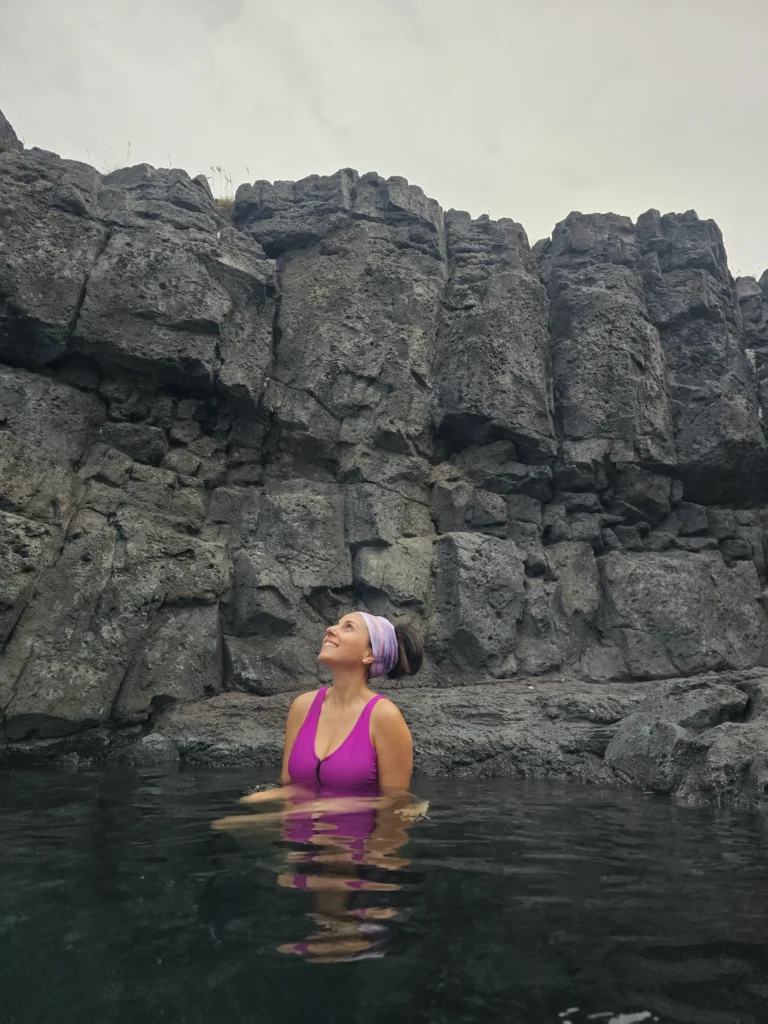
Iceland is a geothermal country, which means hot water springs naturally from the earth in many places.
Beyond the famous Blue Lagoon (which is incredible but touristy and expensive), there are dozens of public and natural hot pools:
Mývatn Nature Baths (north)
Secret Lagoon (Golden Circle)
Landmannalaugar (interior, summer only)
Reykjadalur (a one-hour hike to reach a hot river)
Sky Lagoon and its 7-step ritual
Immersing yourself in hot water while the air is below freezing, surrounded by snowy mountains, is a deeply relaxing and connective experience.
Stunning Restaurants in Iceland
Iceland’s food scene is small but surprising. Three restaurants have a Michelin star in the 2026 guide, and the most sought-after tables fill up weeks ahead.
| Restaurant | City and area | What sets it apart | Reservation |
|---|---|---|---|
| Dill | Reykjavik, Laugavegur | New Nordic cuisine with seasonal Icelandic ingredients, ferments and pickles. One Michelin star and the first restaurant in the country to receive it. | Several weeks ahead |
| ÓX | Reykjavik | A tasting menu for very few diners seated facing the kitchen. One Michelin star. | Several weeks ahead |
| Moss | Blue Lagoon Retreat, Reykjanes peninsula | A seasonal menu with Icelandic ingredients such as langoustine, cod and lamb. One Michelin star. | Several weeks ahead |
| Fiskmarkaðurinn (The Fish Market) | Reykjavik | Icelandic fish and seafood with Asian influences, in shared dishes. | Ahead in high season |
| Sümac | Reykjavik | Shared dishes with Icelandic ingredients and Middle Eastern and North African spices. | Ahead in high season |
| TIDES | Reykjavik, The Reykjavík EDITION hotel | Modern Icelandic cuisine inside a luxury hotel. | Ahead in high season |
| North | Akureyri, north | Seasonal menus with products from the north of Iceland. | Ahead in high season |
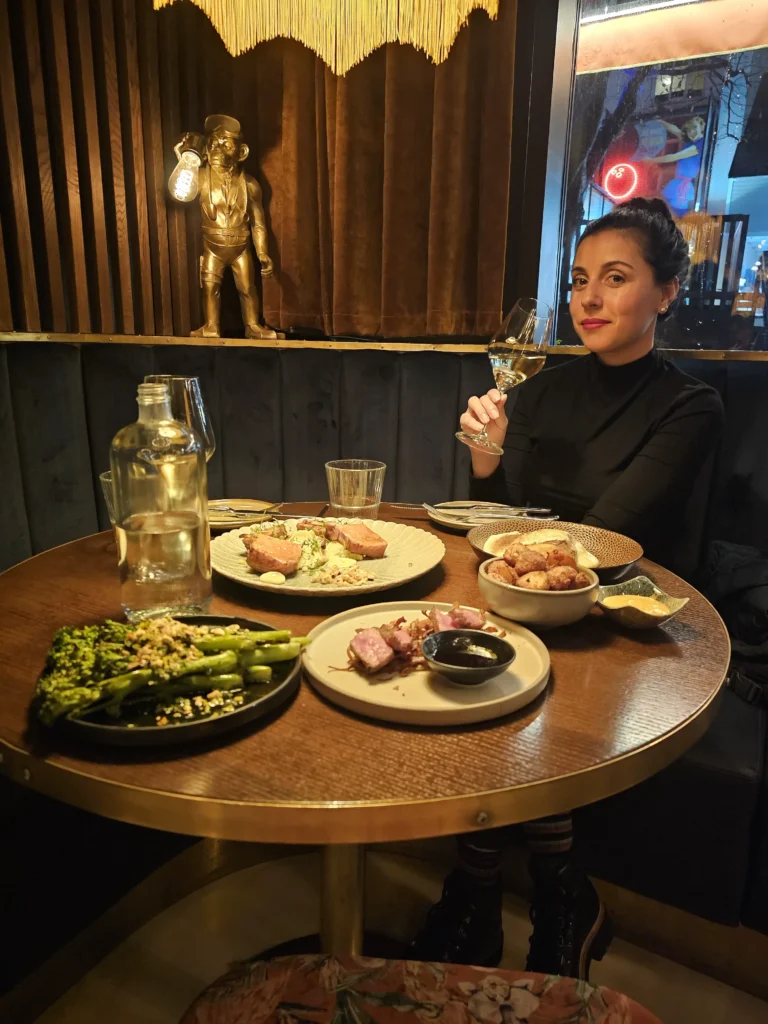
My recommendation is to book one or two memorable tables and leave the rest of the trip for local cuisine: lamb soup, fish of the day and rye bread. Book ahead (the Dineout app helps), tell them about any dietary restriction when booking and dress smart casual; leave the mountain clothing at the hotel.
The most sought-after tables are part of the itinerary design from the start, because the travel dates depend on them.
Essential Paperwork Before Your Trip to Iceland
Iceland is not a member of the European Union, but it is part of the Schengen Area, so its entry rules apply. U.S. citizens do not need a visa to travel to Iceland for tourism, for a stay of up to 90 days within a 180-day period. Even so, 2025 and 2026 brought changes worth knowing before buying flights.
| Procedure | What to know | When |
|---|---|---|
| Tourist visa | U.S. citizens enter without a visa for up to 90 days within a 180-day period. If you hold another nationality, check its requirements, because they vary. | Before buying the ticket |
| Passport | It should be valid for at least three months after your departure from the Schengen Area and have been issued within the last 10 years. | Before buying the ticket |
| Biometric registration (EES) | Since October 12, 2025, those arriving from outside the Schengen Area register digitally: on your first entry your fingerprints and photo are taken at kiosks in the immigration hall, and the passport is no longer stamped. The system was due to be complete in April 2026. Allow a few extra minutes on arrival. | On arrival at Keflavík |
| ETIAS | It is not yet required. It is an electronic authorization for those who do not need a visa, and the European Union has not yet confirmed the start date (it had been planned for the last quarter of 2026 and there are reports it could move to 2027); it will announce it months ahead and there will be a transition period. It will cost 20 euros (free for those under 18 and over 70), be valid for three years or until your passport expires, and is only processed on the official EU site, travel-europe.europa.eu/etias. Beware of intermediaries. | Before the flight, when it takes effect |
| Travel insurance | I recommend international medical coverage and trip cancellation or interruption coverage, because the weather changes plans. | Before traveling |
| VAT refund | See the customs section. | When buying and at the airport |
Entry rules for Europe change frequently. I review the status of ETIAS and biometric registration with each client close to their travel date.

Frequently asked questions about traveling to Iceland
Do I need a visa to travel to Iceland from the U.S.?
No. U.S. citizens can enter Iceland for tourism without a visa for up to 90 days within a 180-day period, with a passport valid for at least three months after leaving the Schengen Area. Since October 2025, travelers have their fingerprints and photo taken on their first entry.
Do I need ETIAS to travel to Iceland?
Not yet. ETIAS is an electronic travel authorization for those who do not need a visa to enter the Schengen Area, including U.S. citizens. The European Union has not yet confirmed the start date (it had been planned for the last quarter of 2026 and there are reports it could move to 2027), with a cost of 20 euros and a validity of three years or until the passport expires. Confirm the date on the official site before traveling.
What is the best time to visit Iceland?
It depends on what you are looking for. Summer (June-August) offers midnight sun, hiking, Highlands access and the full Ring Road. Winter (October-March) is northern lights and ice cave season. September and October are a middle ground with possible auroras and relatively long days with fewer tourists.
Are the northern lights guaranteed in Iceland?
No. The northern lights depend on the KP index, cloud cover, solar activity and wind direction. The key is preparation, patience and realistic expectations. Traveling between October and March maximizes the odds. It is not enough to go out of the hotel and look up: you have to monitor conditions and be in the right place.
How much does a trip to Iceland cost?
For a 7-10 day trip not counting flights: an essential trip between $2,500 and $3,500 USD; an intermediate trip between $4,000 and $5,500 USD; a comfortable trip between $6,000 and $8,500 USD per person. Flights from the U.S. cost between $400 and $1,000 USD depending on season and departure city.
Do I need to rent a car in Iceland?
To travel on your own, it is practically indispensable. In winter or if you go to the Highlands in summer, an SUV or 4×4 is recommended. A small car (2WD) costs between 50 and 70 euros per day; a 4×4 between 80 and 120 euros.
Do you tip in Iceland?
It is not customary. Service is already included in the bill, and a small tip is only appreciated for exceptional service.
What can't I bring to Iceland?
You cannot bring meat or dairy products from outside the European Economic Area, and drugs, including cannabis, are illegal. Permitted food has a cap of 10 kg and 25,000 krónur. Alcohol is limited to combinations such as 1 liter of spirits, 0.75 liters of wine and 3 liters of beer, for those over 20. Used fishing gear and riding clothing must be disinfected.
Is it mandatory to shower without a swimsuit before entering a pool in Iceland?
Yes. Before entering any pool, lagoon or hot spring you must shower with soap and without a swimsuit. It is the firmest social norm in the country.
What kind of lodging is there in Iceland?
Iceland has a lodging structure different from other destinations. The main options are: guesthouses (family-run guest houses with breakfast included, 100-150 euros/night), mid-range hotels (150-280 euros/night), boutique hotels (300+ euros/night), hostels with a private room (80-120 euros/night), cabins and cottages (ideal for groups), and farm stays on working farms. Don’t expect big lobbies or conventional room service outside Reykjavik.
Let's Design Your Trip to Iceland Together
Iceland is enjoyed far more when the weather, the roads, the reservations and the auroras are planned as a single trip. Tell me what you are looking for, whether ice, fire, silence or a lit-up sky, and we will design it around you.
Combine Iceland With Other Destinations in the North
- Greenland: icebergs, fjords and Inuit communities.
- Faroe Islands: cliffs, turf-roofed villages and trails above the Atlantic.
To prepare your trip, read my guide to hunting the northern lights (in Spanish), my tips before seeing the northern lights (in Spanish), what to pack for Iceland (in Spanish) and everything you need to know to fly drones in Iceland (in Spanish).
If you are traveling as a couple, discover my honeymoon trips. If you prefer to share the experience, explore the group trips.
Beyond the Postcard: Reads That Reveal the Soul of Iceland
Before your feet touch its soil, let your mind travel. Here are my literary recommendations so you can soak up the essence of Iceland and experience every corner from another perspective.


Ari Garduno
Passionate traveler of the authentic, the unexpected and what leaves a mark.


Leave a comment