

A
frica doesn’t arrive by chance. It appears in the form of impossible images, stories that linger in your mind, and a very clear feeling: someday I have to be there . It might be a sunset safari, the power of the Great Migration , or simply the desire to experience a different, authentic, and profoundly transformative journey. That same yearning led me to set foot in Africa for the first time… and since then I’ve understood that it’s not just a destination, it’s an experience that chooses you.
But let me tell you something I learned after years of designing safaris and personally exploring every corner of this magical continent: an African safari is not just an African safari. It’s like saying “I want to go to Europe” without specifying whether you’re looking for the canals of Venice, the Norwegian fjords, or the Greek beaches. Africa is vast, diverse, complex, and utterly fascinating, and every decision you make will completely transform your experience.
Today I want to sit down with you, as I would with a close friend, and share everything you need to consider before embarking on this adventure. Not to overwhelm you, but to help you make informed decisions that will make your safari exactly what you dream of. Because believe me, when you return from Africa (and yes, you always come back wanting to return), you’ll want to have experienced your perfect safari, not someone else’s.
Destination: Because Not All Safaris Are the Same
Let’s start with the most important thing: where do you really want to go?
When people tell me, “I want to go on safari in Africa,” my first question is always: what kind of experience are you looking for? Because Kenya is nothing like South Africa, and Namibia is a completely different world from Tanzania or Botswana.
Kenya and Tanzania: The Classic Safari
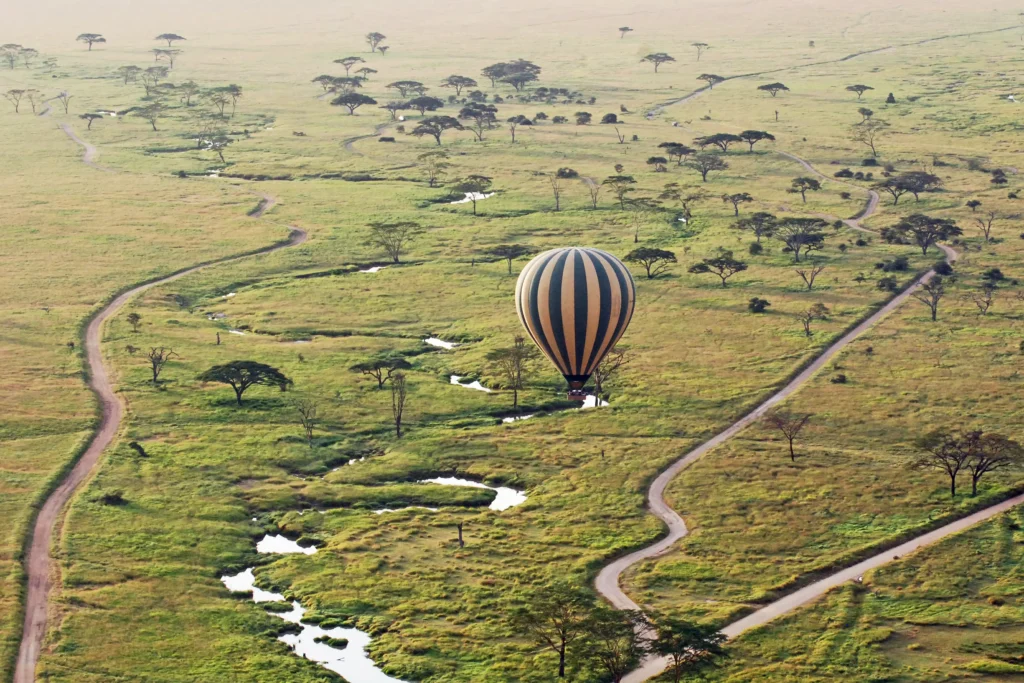
If it’s your first safari, or if you dream of the iconic image of endless plains teeming with wildlife, you’re probably thinking of Kenya or Tanzania . This is where the Great Migration takes place , that natural spectacle where millions of wildebeest and zebras cross the Mara and the Serengeti in search of fresh pastures. It’s epic, it’s cinematic, it’s exactly what you imagine when you close your eyes and think “safari.”
I’ll never forget my first sunrise in the Masai Mara. The sky painted in oranges and pinks, the mist rising from the savanna, and suddenly, a herd of elephants crossing in front of our vehicle as if we were in a dream. Kenya has that raw magic, that feeling of being in the beating heart of Africa.
Tanzania, for its part, offers you the Serengeti (wilder and less visited than the Mara), the Ngorongoro Crater (a complete ecosystem inside a collapsed volcano), and the possibility of combining your safari with Zanzibar, that dream island with white sand beaches and turquoise waters.
South Africa: Sophistication and Diversity
Now, if you’re looking for something more sophisticated, accessible, and diverse, South Africa is your answer. Here, safaris blend seamlessly with world-class wines, vibrant cities like Cape Town, and impeccable tourism infrastructure.
Kruger National Park is one of the best places in the world to see the Big Five (lion, leopard, elephant, buffalo, and rhinoceros), and the private lodges surrounding the park offer truly luxurious experiences. Furthermore, South Africa is malaria-free in many of its private reserves, which is a deciding factor for many travelers (we’ll get to this in a moment).
I always recommend South Africa for those traveling with young children , people with reduced mobility , or those who want to combine safari with top-notch urban and gastronomic experiences.
Botswana: The Exclusive Luxury Safari
If money is no object and you’re looking for absolute exclusivity, Botswana is your destination. Here you won’t find mass tourism or overcrowded vehicles. The Botswanan government has opted for low-impact, high-value tourism, which means small lodges, intimate experiences, and premium prices.
The Okavango Delta is one of the most extraordinary ecosystems on the planet: an inland delta flourishing in the heart of the Kalahari Desert. Here you can go on safaris in mokoros (traditional dugout canoes), walk among elephants, and sleep in luxury camps that look like they’re straight out of a movie.
Namibia: Landscapes from Another Planet
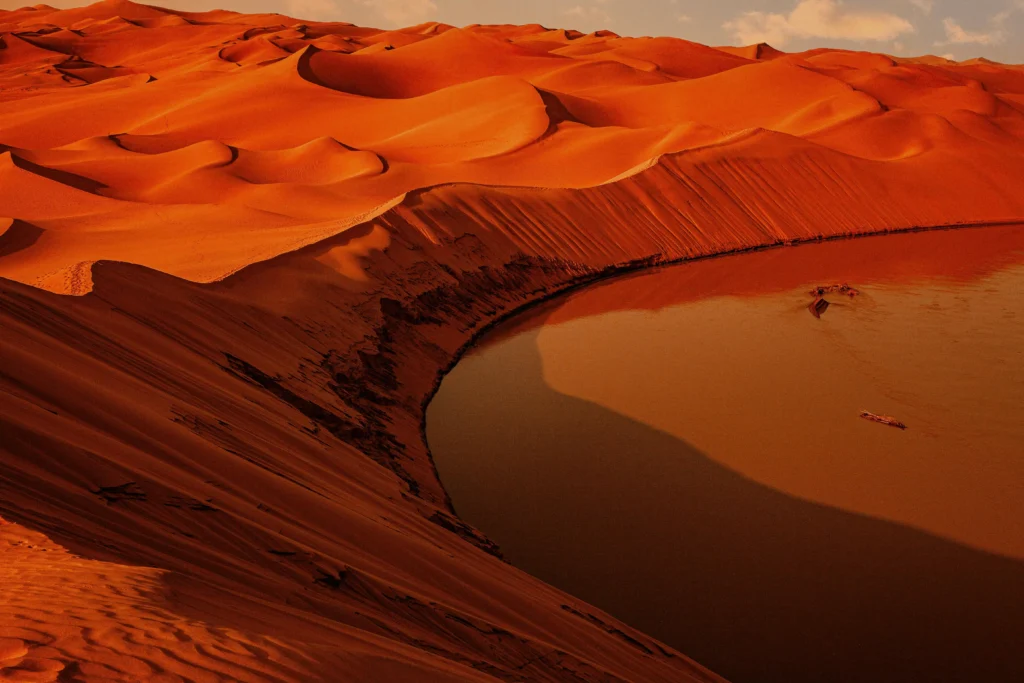
Namibia is for the traveler seeking something different. Here, safaris aren’t just about animals, but about surreal landscapes: the red dunes of Sossusvlei, the Namib Desert (the oldest in the world), the Skeleton Coast, and the Etosha Pan, a vast salt flat where animals congregate around waterholes.
Namibia is perfect for those who love photography, wide open spaces, and the feeling of being at the end of the world. It’s less “classic” than Kenya, but equally breathtaking.
Rwanda and Uganda: Mountain Gorillas
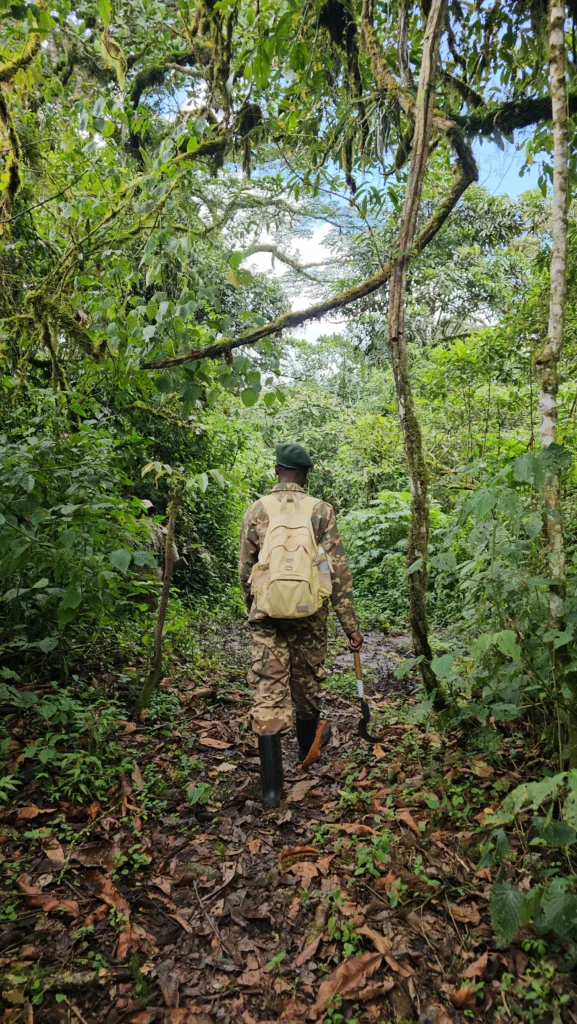
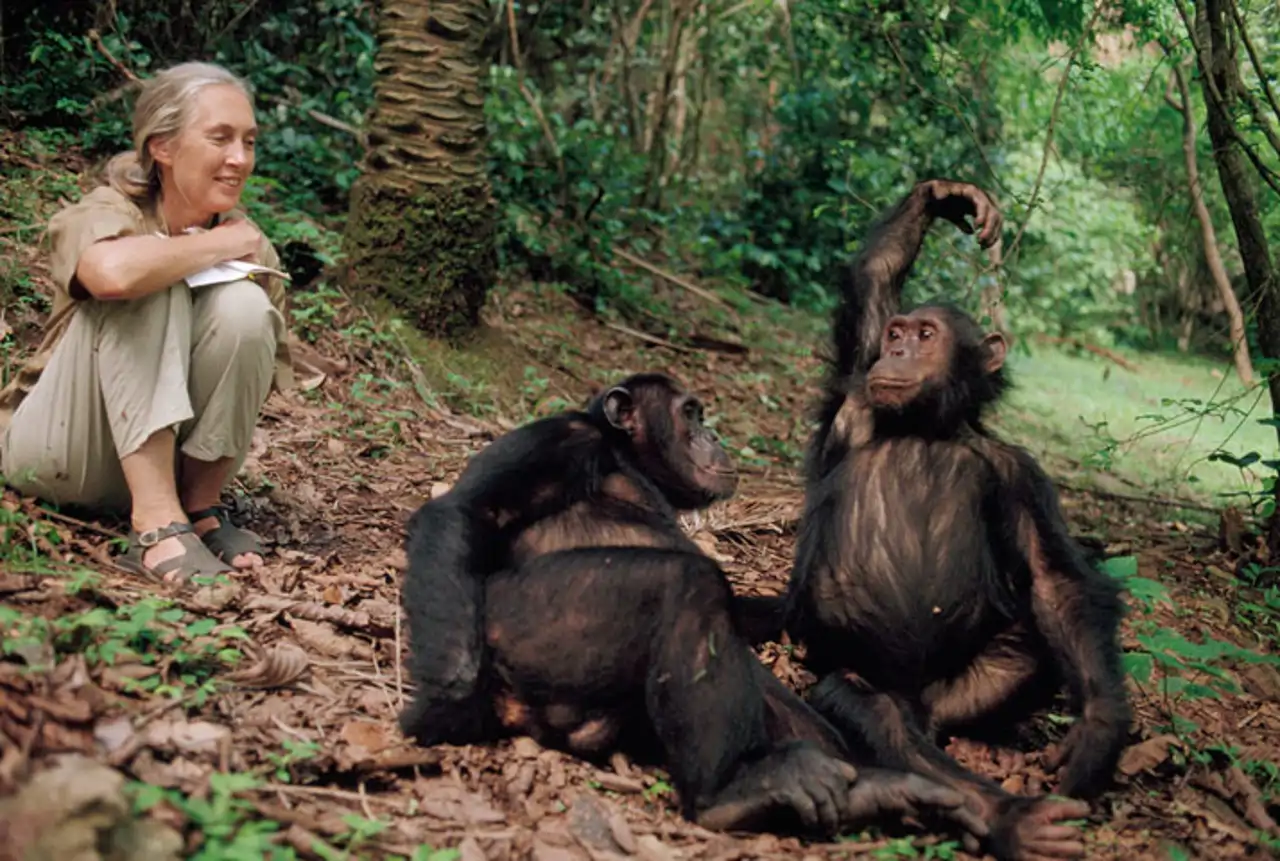
And if your dream is to come face-to-face with mountain gorillas, then Rwanda or Uganda are your destinations. Hiking through the rainforest, climbing mountains, and finally encountering a gorilla family in their natural habitat is one of the most moving experiences you can have. It’s not a traditional safari, but it’s Africa in its purest and most vulnerable form.
The Budget: Let's Talk Honestly
Now comes the part that many avoid, but which I prefer to address with total transparency: money.
An African safari can cost anywhere from $300 USD per person per night to over $2,000 USD per person per night, depending on the destination, season, type of accommodation, and included experiences.
Mid-Range Luxury Safari ($300-$600 USD per person/night)
Here you’ll find comfortable lodges with good facilities, professional guides, and twice-daily game drives. It’s not ostentatious luxury, but it’s comfortable, safe, and authentic. Perfect for those who want a genuine experience without spending a fortune.
Luxury Safari ($600-$1,200 USD per person/night)
Here, the experience is elevated: impeccably designed boutique lodges, gourmet cuisine, personalized service, spas, infinity pools overlooking the savanna, and expert guides who know every corner of the region. It’s the perfect balance between comfort and adventure.
Super Luxury Safari ($1,200+ USD per person/night)
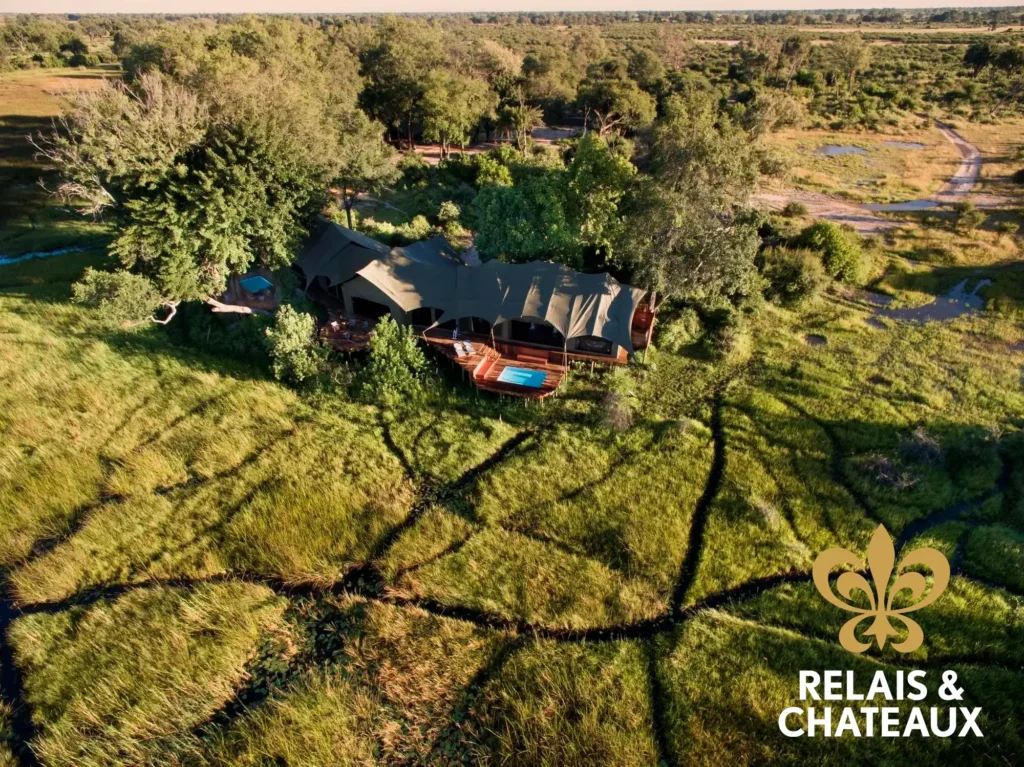
This is for those seeking the very best: Relais & Châteaux certified lodges , private villas, personal chefs, private helicopters, and fully customized experiences. Here, there are no limits.
And let me tell you something important: price doesn’t always define the experience. I’ve seen happier travelers at a simple camp with a passionate guide than at a super-luxury lodge with impersonal service. What matters is that the level of comfort matches your expectations and that the experience is authentic.
The perfect safari begins with three key questions
Who are you traveling with?
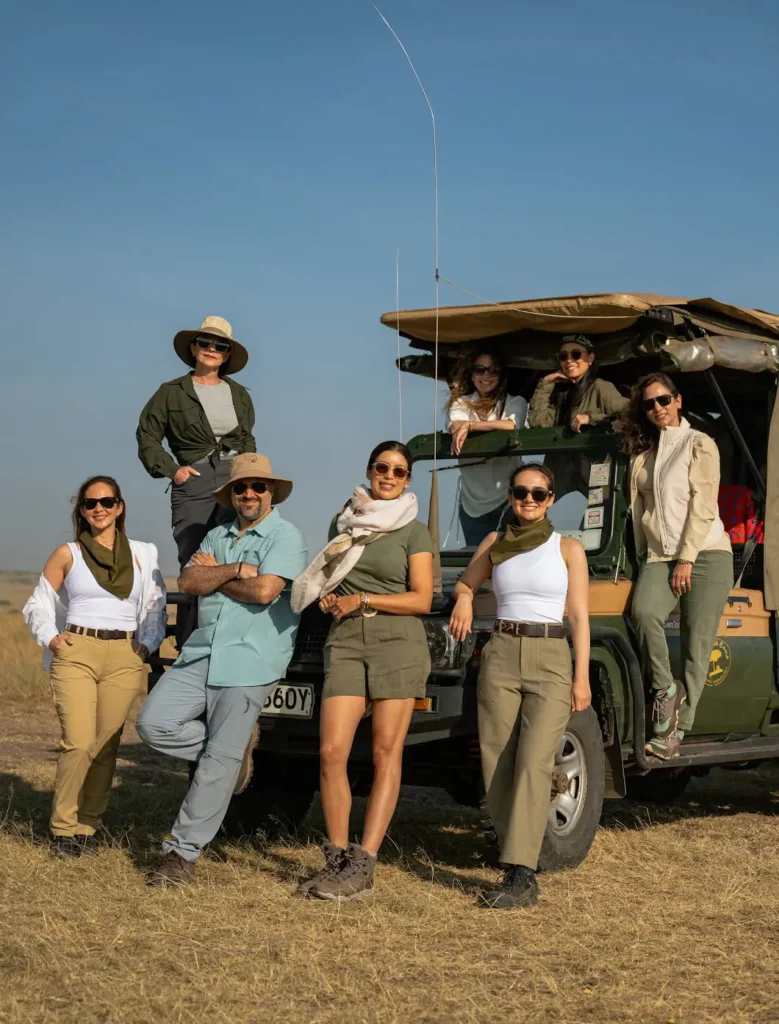
The dynamic is everything. Are you looking for a romantic adventure for two , with private lodges and dinners under the stars? A family trip full of learning and fun for all ages? Or an expedition with friends in search of adrenaline and epic moments? Your company defines the energy of the trip.
What’s your African “Bucket List”?
This is where the magic begins. Do you dream of the Great Migration in the Masai Mara? Do you want to feel the roar of Victoria Falls? Navigate the waterways of the Okavango Delta or come face-to-face with mountain gorillas? Your bucket list is my treasure map.
Which route do we take?
Based on your answers, we’ll map out the ideal route. It could be an in-depth exploration of a single country like Kenya or Tanzania , or an epic combination connecting multiple destinations. Together, we’ll balance your desires, travel times, and budget to create a seamless and extraordinary journey.
Be a traveler. Not a Tourist.
Ready to design your next adventure?
Malaria and Yellow Fever: A Real Factor
Let’s talk about health, because it’s a topic that many travelers consider crucial.
Some regions of Africa are at risk of malaria (especially in low-lying, warm areas during the rainy season), and certain countries require a yellow fever vaccine for entry.
If this is a concern for you (and it’s perfectly valid that it is), there are options:
- South Africa has private malaria-free reserves (such as Madikwe and some areas of Kruger).
- Namibia has a low risk in most of its tourist destinations.
- Traveling during the dry season significantly reduces the risk of malaria in almost all destinations.
I always recommend consulting with a doctor specializing in travel medicine, taking the necessary precautions (prophylaxis if recommended, repellent, appropriate clothing), and choosing destinations that align with your comfort level regarding these issues.
The Relais & Châteaux Certification: Is it worth it?
If you see that a lodge has the Relais & Châteaux certification, it means it meets extremely high standards of hospitality, gastronomy, design, and service. It’s not just luxury for luxury’s sake; it’s a philosophy of excellence.
I’ve had the privilege of staying at several lodges with this certification, and the difference is palpable: every detail is carefully considered, every meal is an experience, and every member of staff knows your name and preferences. It’s the kind of place where you feel cared for, not just looked after.
Is it necessary? No. Is it memorable? Absolutely.
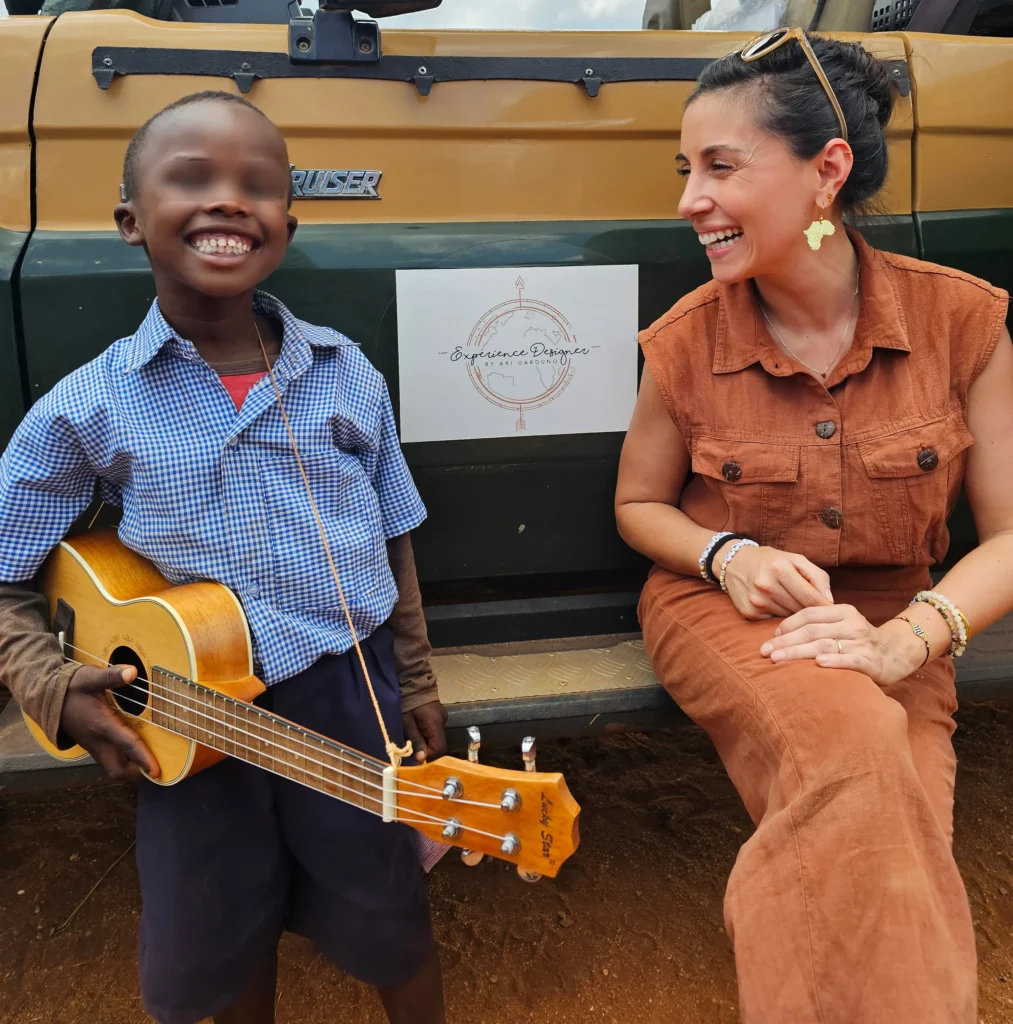
Responsible Tourism: The Impact on Communities
This is something I am deeply passionate about: traveling with purpose.
Every time you choose a lodge that is operated by the local community, or that reinvests its profits in education, conservation and community development, you are voting with your money for a type of tourism that transforms lives.
I’ve visited lodges in Kenya owned and operated by Maasai women, where children in the community have access to education thanks to tourism, and where the guides are former poachers now protecting wildlife. These experiences are not only more authentic, they’re more meaningful.
When I design a safari, I always prioritize lodges with a positive social impact. Because at the end of the day, Africa isn’t just a destination; it’s home to millions of people, and our time there should leave something good behind.
Ecosystems and Seasons: Timing is Everything
Africa has dry and rainy seasons, and each offers completely different experiences.
Dry Season (June-October)
- Low vegetation, animals concentrated around water sources.
- Easier to spot wildlife.
- Pleasant weather, fewer mosquitoes.
- High season, higher prices.
Rainy Season (November-May)
- Green and lush landscapes.
- Birth of young (especially January-March).
- Fewer tourists, lower prices.
- More unpredictable, but equally magical sightings.
I personally love the green season. There’s something poetic about seeing Africa reborn after the rains, with dramatic skies and perfect light for photography.
Living Culture: Beyond Animals
A safari shouldn’t be just about animals. Africa has rich, vibrant, and ancient cultures that deserve to be explored with respect and curiosity.
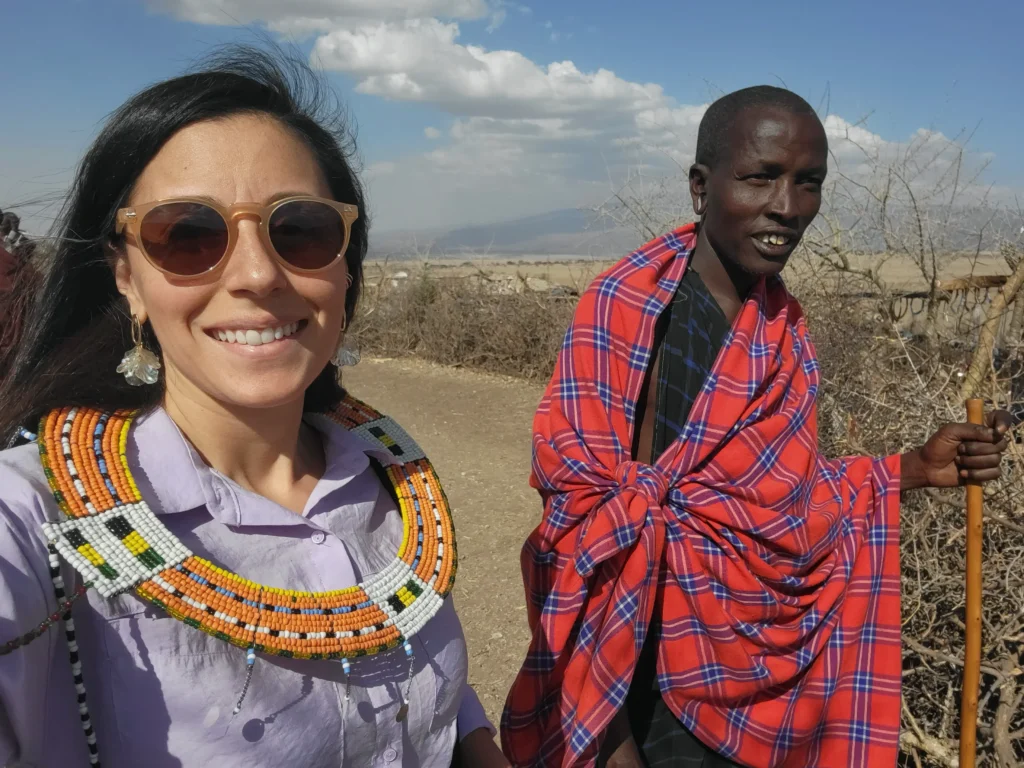
Visiting a Masai community in Kenya, learning about Himba traditions in Namibia, or sharing a meal with a local family in Rwanda are experiences that humanize the journey and connect you with the soul of the continent.
But be warned: look for authentic experiences, not tourist shows. The difference is enormous.
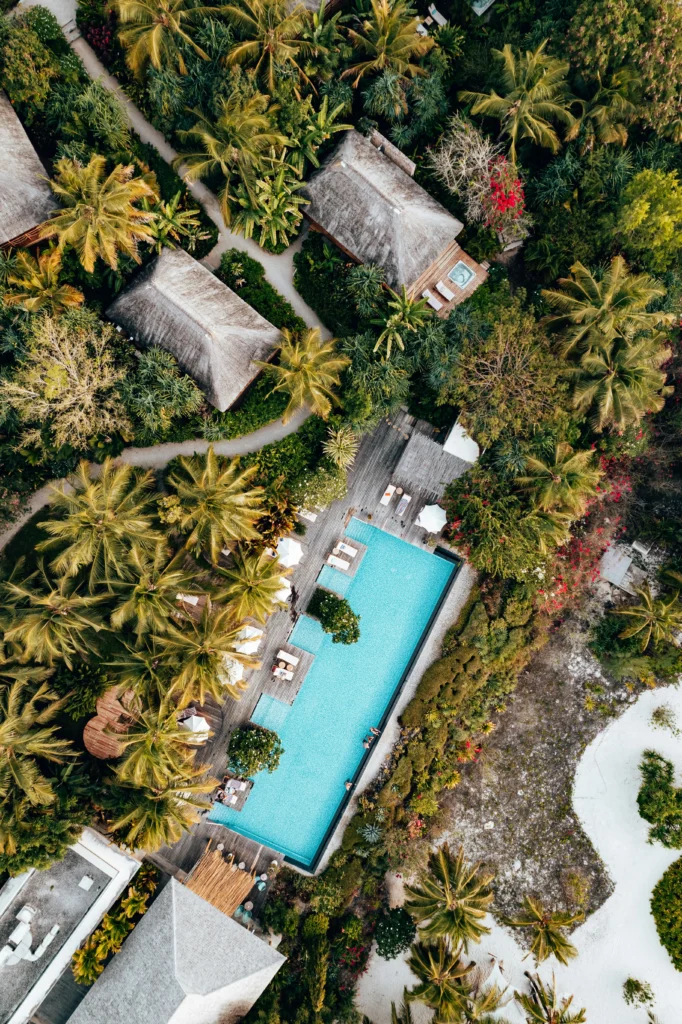
Safari + City or Beach: The Perfect Combination
One of my favorite formulas is to combine the safari with other destinations:
- Safari in Tanzania + Zanzibar: Adventure and paradise beach.
- Safari in South Africa + Cape Town: Wildlife and urban sophistication.
- Safari in Kenya + Swahili Coast: Culture, nature and the Indian Ocean.
- Safari in Botswana + Victoria Falls : Two of the most impressive natural wonders in the world.
Group Size: Alone, as a Couple, with Friends, or with Family?
The size of your group completely changes the dynamics of the trip.
- Alone or with a partner: Intimate experiences, total flexibility, deep connection.
- With friends: Fun, shared costs, collective memories.
- With children: Requires family-friendly lodges, adapted activities, and malaria-free destinations.
- Large groups: You need impeccable logistics and spaces that comfortably accommodate everyone.
I always design the safari according to the composition of the group, because what works for a honeymoon doesn’t work for a family with three children.
Travelers with Reduced Mobility or Disabilities
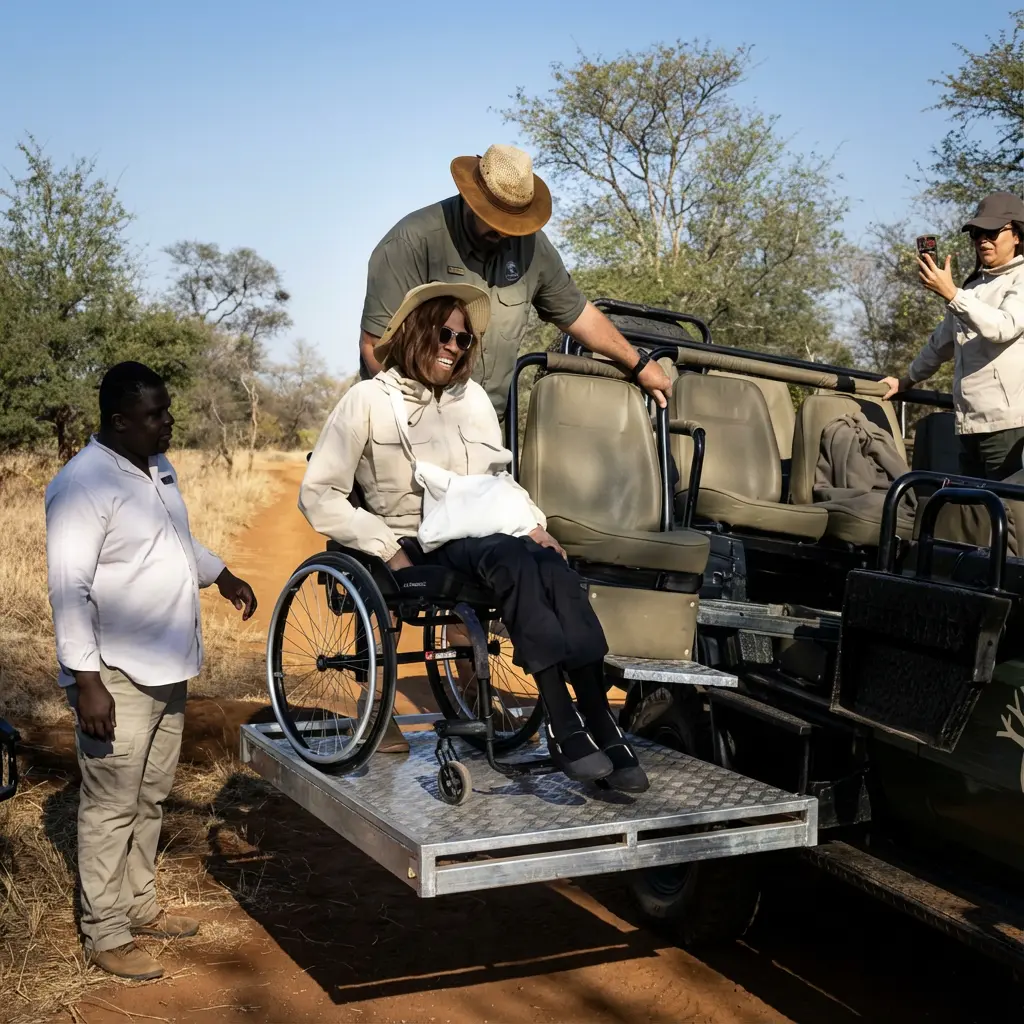
Yes, it is absolutely possible to go on safari with reduced mobility. There are lodges with accessible facilities, adapted vehicles, and experiences designed so that everyone can enjoy Africa.
I’ve worked with travelers in wheelchairs, with visual impairments, with special needs, and there’s always a way to make it happen. It just requires careful planning and choosing the right lodges.
Differences in Fauna: Each Destination Has Its Stars
- Kenya / Tanzania : Great Migration, Big Five, cheetahs.
- Botswana : Elephants, African wild dogs, leopards.
- South Africa : Big Five, rhinos (black and white).
- Namibia : Desert elephants, black rhinos, desert-adapted lions.
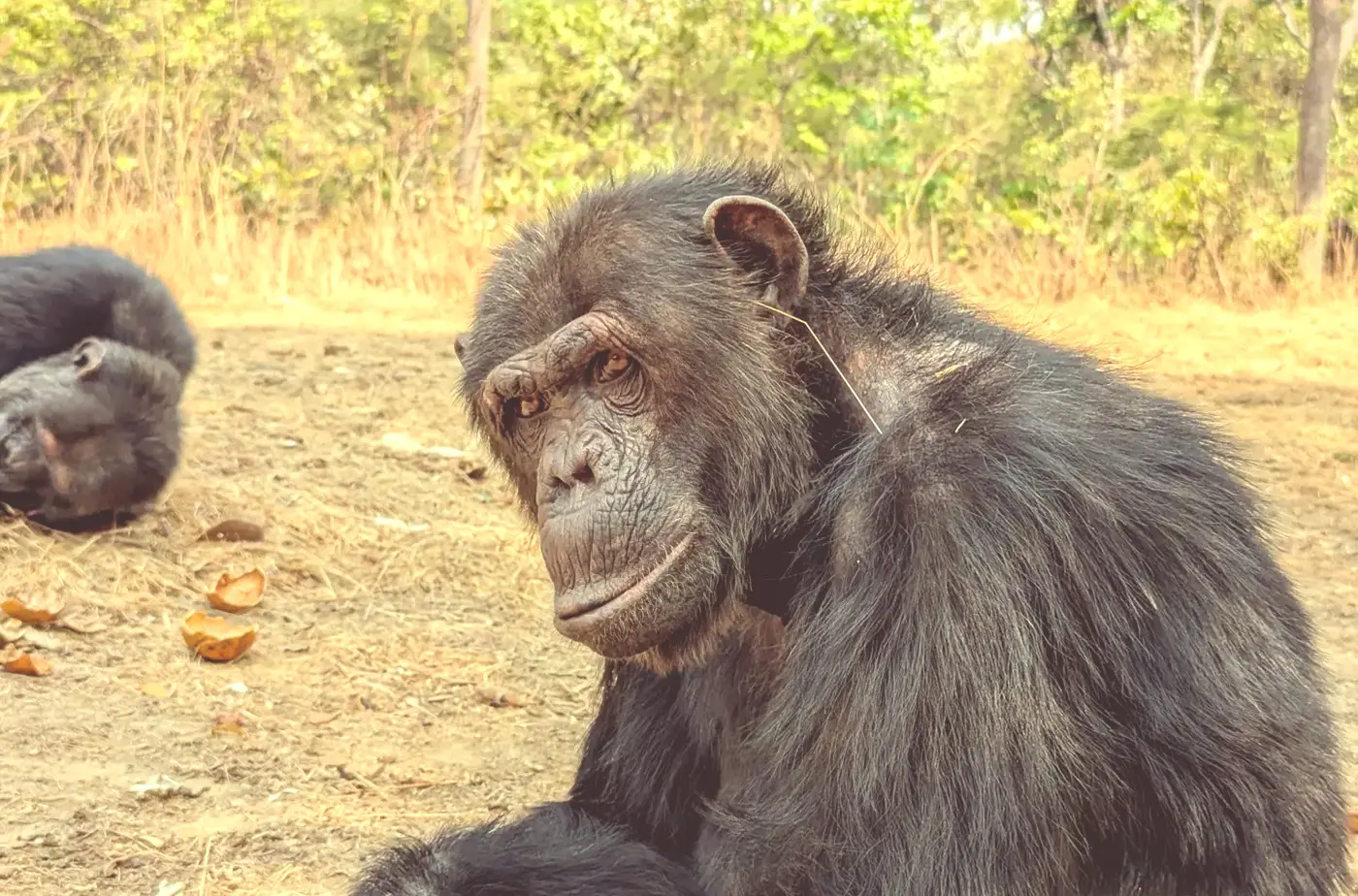
- Rwanda / Uganda : Mountain gorillas, chimpanzees.
Each destination has its own unique fauna.
Why Working with an Expert Agency (Like Ours) Makes All the Difference
Here’s what I really want you to understand, fellow traveler: you can book a safari online, but you can’t buy experience, local knowledge, or quality control.
I don’t sell destinations I haven’t personally visited. Every lodge I recommend, I’ve explored. Every guide I work with, I know. Every route I design, I’ve traveled. Because for me, your safari isn’t a product, it’s a responsibility.
When you work with an agency specializing in African safaris like Experience Designer by Ari Garduño, you get:
 First-hand knowledge: I don’t sell you pictures from the internet; I tell you my own stories.
Access to exclusive lodges: We have direct relationships with properties not listed on mainstream platforms.
Personalized design: Your safari is built around your dreams, not a generic package.
24/7 support: If something goes wrong (and in Africa, it sometimes does), we’re there to fix it.
Guaranteed quality control: We only work with operators who meet our standards of excellence, sustainability, and ethics.
I’ve seen safaris ruined by bad decisions: overpriced lodges, unenthusiastic guides, poorly designed itineraries, unmet expectations. And it breaks my heart, because Africa deserves to be experienced to the fullest.
Other Important Elements to Consider
Photograph
If you’re a photographer or simply enjoy capturing moments, a well-planned safari makes all the difference. There are lodges with specialized photographic vehicles, guides who understand light, distance, and composition, and routes designed to maximize every outing. Choosing the right destination and lodge directly impacts your images.
Internet connection
In many lodges, Wi-Fi is limited or nonexistent, and that’s part of the experience. Even so, if you need to stay connected for work or logistical reasons, you can plan your safari considering areas with better signal or specific lodges. It all depends on knowing this in advance.
Diet and Food Restrictions
Most good safari lodges can easily accommodate vegan, vegetarian, gluten-free, kosher, or halal diets. The key is to inform them before your trip to ensure a smooth and hassle-free experience during your stay.
Travel Insurance
Travel insurance is not optional. Good insurance covers medical emergencies, evacuations, delays, and cancellations, especially in remote destinations. It’s an essential layer of protection that allows you to enjoy your safari with peace of mind from day one.
Safari safety
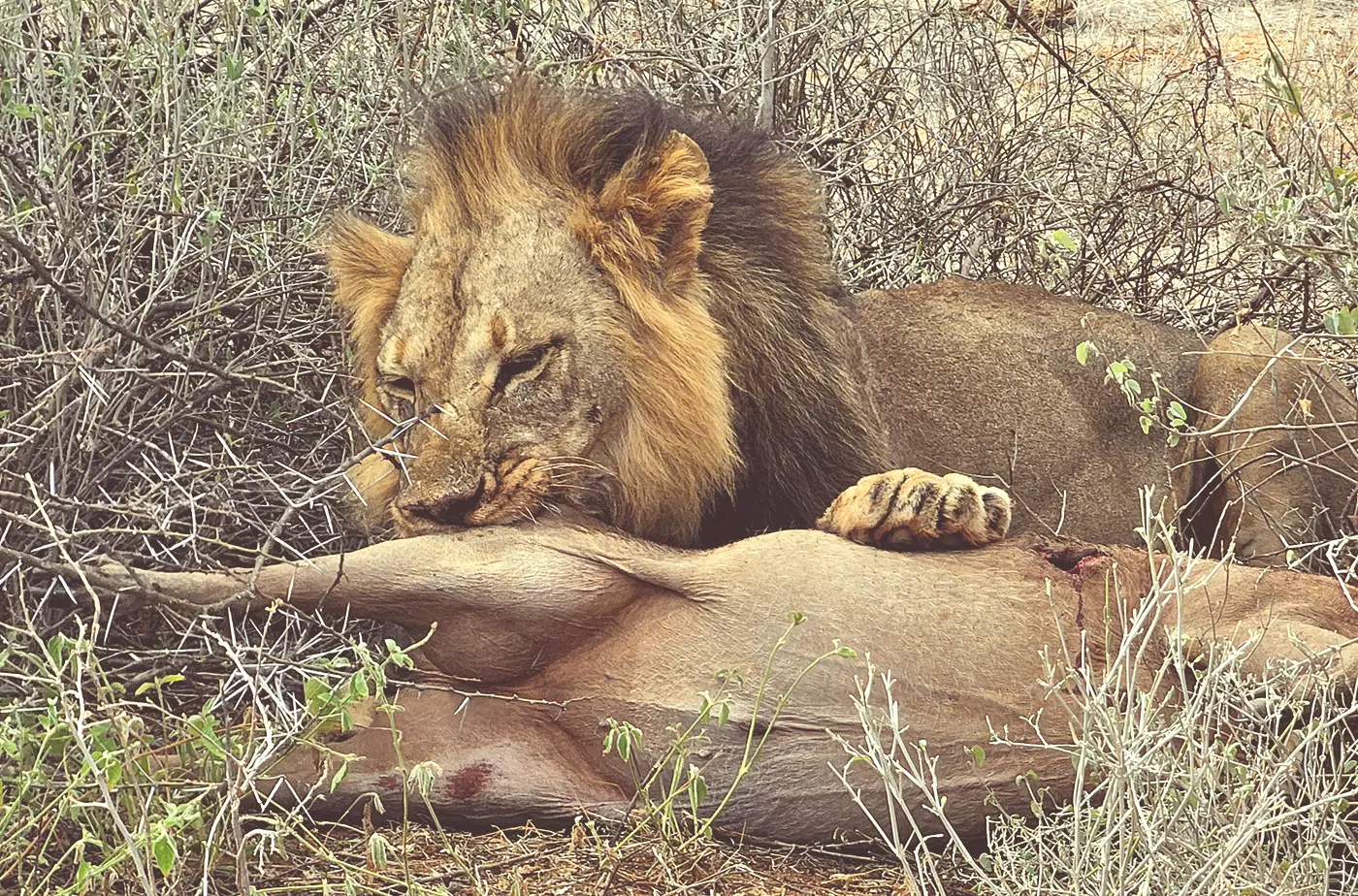
One of the most common questions is whether there is a real risk of an animal, such as a lion, attacking a jeep . In practice, the vehicles are not perceived as a threat or prey, and the guides are highly trained. On our blog , we explain how safety works on a safari and when there is—or isn’t—a real risk.
What to pack for an African safari?
Packing well is key to your comfort and to enjoying every activity. The weather, transfers, and jeep excursions require specific clothing and accessories. On our blog , you’ll find a clear and practical list of everything you need to pack for a safari , so you don’t overpack or forget the essentials.
Traveling to Africa as part of the LGBTQIA+ community
Traveling as part of the LGBTQIA+ community is possible, but it requires information and careful planning. Laws and social acceptance vary by country and region. Our blog addresses this topic clearly, explaining the legal framework and how to travel safely and respectfully.
Travel insurance is a smart and vital investment
How does it work?
Your doubts, answered
What is the best time to go on safari?
The "best time" depends on what you want to see. The dry season (generally June to October) offers the best wildlife viewing, but it's also the most crowded. The rainy season (green season) boasts lush landscapes, fewer people, and is ideal for birdwatching and spotting newborn animals. We'll help you find the perfect time to visit.
How much does a tailor-made safari cost?
Since they are 100% customized, there is no fixed price. The cost depends on the duration, the level of luxury of the accommodations, the destinations, and the activities. As a reference, a well-designed luxury safari starts at around $7,000 USD per person , but the only way to know for sure is by designing your itinerary. My commitment is to maximize the value of your investment.
Is it safe to travel to Africa?
Absolutely, as long as it's done with an expert. I ensure that every aspect of your trip meets the highest safety standards, from the vehicles and guides to the lodges and areas we visit. Your peace of mind is my number one priority.
Why not just book online?
Booking online is buying a product. Designing with me is investing in an experience. My added value lies in my in-depth knowledge, my personal relationships with the best local operators, my ability to resolve any unforeseen issues, and above all, my understanding of your desires to create a trip that exceeds your expectations. It's the difference between a good trip and a transformative one.
My Final Invitation
Africa is not a destination to be visited; it is a destination to be lived, felt, and breathed. And it deserves to be experienced in the right way: with respect, with curiosity, with eyes wide open and a heart ready to be transformed.
If after reading this you feel your African safari is clearer, I’m happy. And if you feel you need help turning that dream into reality, I’m here. Not to sell you a trip, but to design the adventure of a lifetime with you.
Because in the end, that’s what I do: I turn dreams into real, authentic, memorable experiences.
Africa is waiting for you. Are you ready to answer its call?
With love and a passion for travel,
Ari Garduño
Experience Designer by Ari Garduño
Ready to design your perfect African safari? Write to me and let’s talk about your African dream. Every journey begins with a conversation, and I’d love for ours to be the start of your next great adventure.
Your story in Africa is waiting to be written
The first step toward an adventure that will change you forever begins with a conversation. No commitments, just possibilities.
Let’s talk about your next trip!


Leave a Reply