

I’ve always thought of India as a destination that forces you to grow. But for years, my idea of India (and I know it’s the same for many of you) was limited to the palaces of Rajasthan, the bustle of Delhi, or the mysticism of the Ganges. Beautiful, undoubtedly, but what if I told you there’s another India? A region where the tourist map has barely begun to be drawn and where authentic hospitality still flourishes, completely untouched by rampant commercialism.
My perspective shifted dramatically when I landed in the Northeast, specifically in Nagaland. It was a delightful wake-up call, the promise of a hidden India fulfilled. If you’re looking for authentic travel, Nagaland will offer you the experience of a lifetime. And at the heart of that experience, the reason I time my trips to coincide with this season, is the most impactful cultural festival in Northeast India : the Hornbill Festival. This isn’t just an event; it’s a promise that the world still holds places where cultural identity is everything.
What exactly is the Hornbill Festival?
For those of you seeking that precise information, let me be blunt: the Hornbill Festival is rightfully known as the “Festival of Festivals.” It is a grand and vital cultural event for the region.
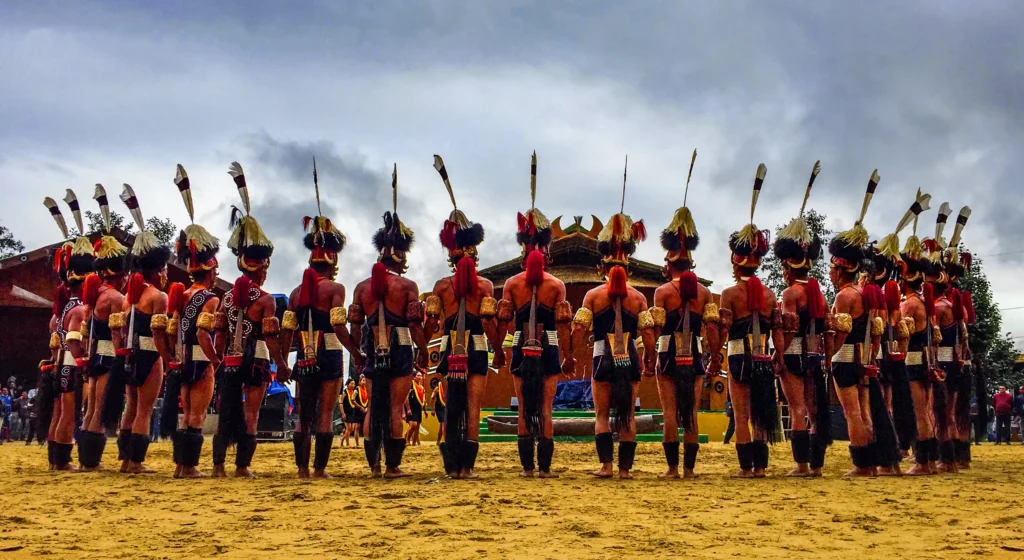
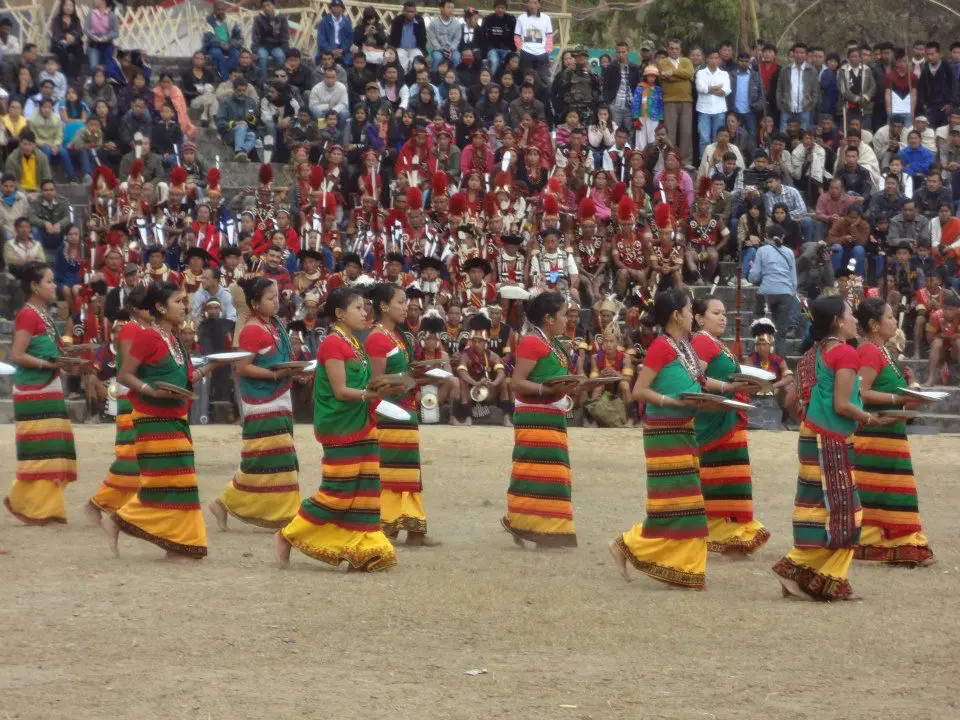
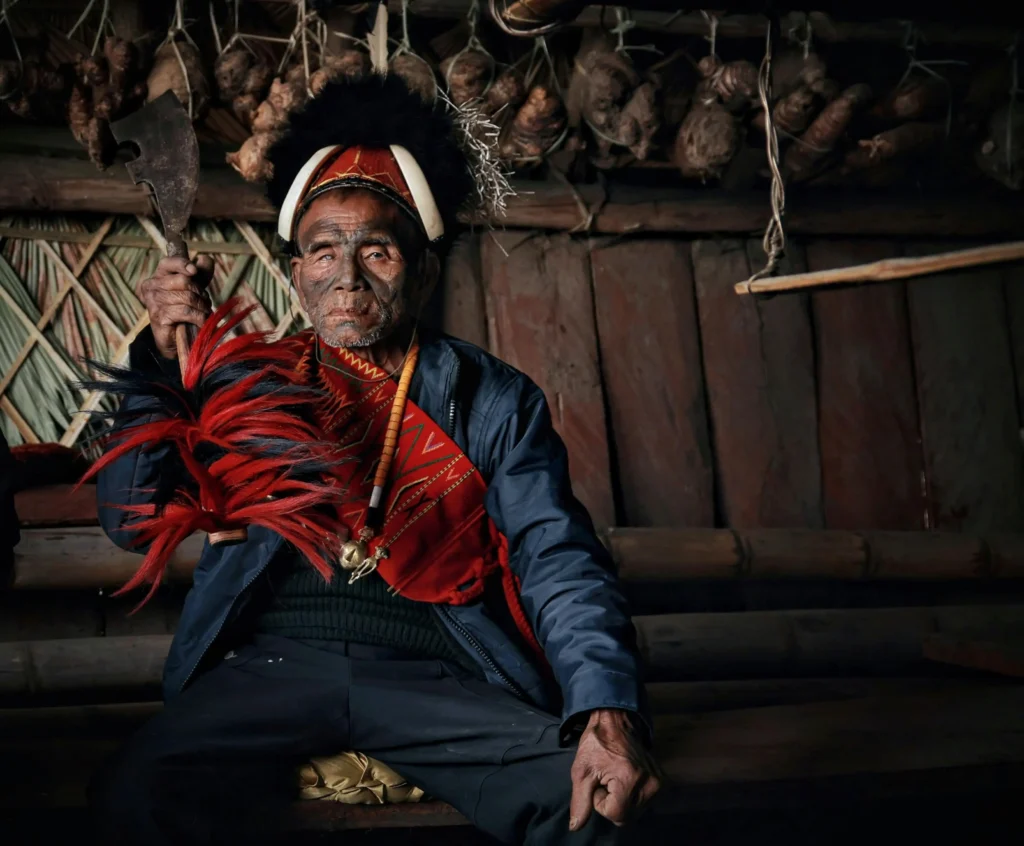
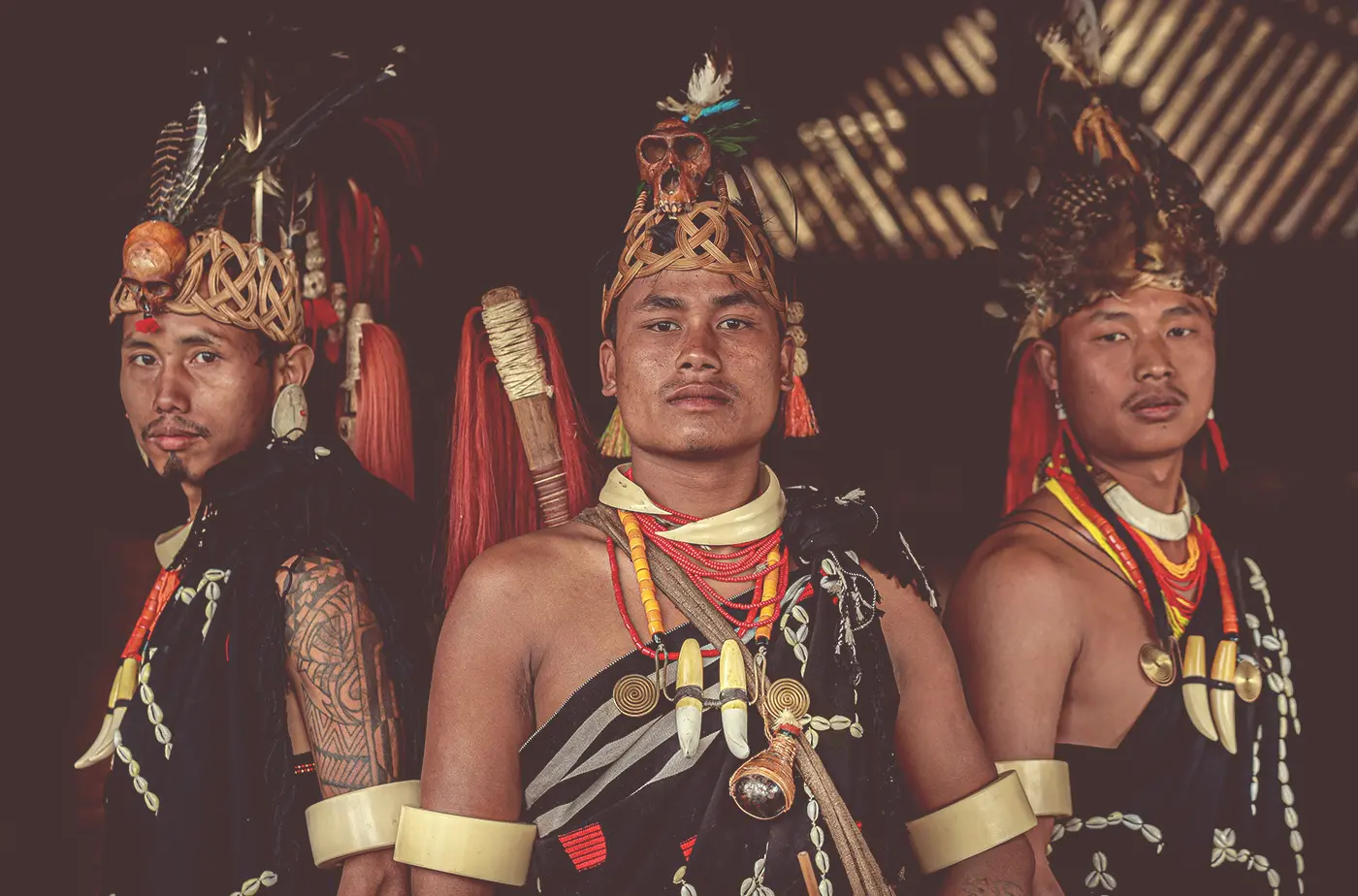
This annual celebration brings together the 17 main Naga tribes in a spectacular display of unity, culture, dance, crafts, and cuisine. The festival was conceived to provide all these tribes with a common stage where they could share their rich and unique cultures with the world.
If you have December 2026 marked on your calendar, you need to know this: the Hornbill Festival is held every year from December 1st to 10th at the Kisama Naga Heritage Village, a venue specifically designed for this gathering near Kohima, the capital of Nagaland. This crucial information will allow you to start planning the most unforgettable trip of your life.
Nagaland: The Antidote to Conventional India
The Unknown Diversity: Why the Northeast is Unique
When I think of Northeast India, I don’t picture the iconic images of Rajasthan. I see mist-shrouded valleys and mountains, pristine landscapes, and a thriving tribal culture in the 21st century. This region of India has such a distinct geographical, linguistic, and cultural identity that, to a Western traveler, it feels like a different country altogether.
In Nagaland, life is governed by a different set of values. As I experienced it, community identity carries far more weight than individual advancement or commercial gain. This approach directly translates into the quality of the travel experience. While in other parts of the world (and yes, in India as well) you encounter tourism dominated by “artificial experiences and commercial relationships,” Nagaland offers something precious: the opportunity to participate in genuine community life.

Hospitality, Headhunting, and Life Experiences
The warmth and sense of community you experience here are unparalleled. The memories you take away from Nagaland aren’t just travel stories; they’re living proof that communities exist where strangers are welcomed almost like family. This is the profound reason why the Hornbill Festival is so special: it gives you an intimate glimpse into a people who have preserved their identity while inviting the world to share their stories.
And speaking of total immersion, I have to prepare you for the food. Get ready for a sensory adventure that will make you rethink everything you thought you knew about spicy food. Naga cuisine, centered on smoked pork and fermented vegetables, is potent, unique, and the ultimate expression of this mountain culture.
What I want to convey is that if you value cultural preservation and community values, Nagaland is the place that will change you. These are experiences that, honestly, money can’t buy anywhere else.
History and Spirit:
Why is Hornbill Celebrated?
Rare Cases and the Difference Between Captivity and Professional Safari
What is the history of the Hornbill Festival?
Although the Naga people’s tribal heritage is thousands of years old, the festival itself is a modern and crucial institution. The Hornbill Festival was first organized by the Government of Nagaland in 2000.
The need for this celebration arose from the desire to promote tourism and, fundamentally, to preserve and revive the richness and uniqueness of Naga heritage. The primary purpose was noble: to unite the diverse tribes under a single platform. Nagaland is home to many tribes (Angami, Ao, Konyak, Rengma, Sema, among others), and the festival provides a stage for inter-tribal interaction, celebrating their unity in diversity. It is a platform to showcase traditions, music, art, and food, representing an inspiring blend of heritage and modernity.
The Great Hornbill: Mythology, Courage, and Central Symbol
The choice of name is not accidental. The festival is named after the Great Indian Hornbill, an impressive bird and a key emblem in local folklore.
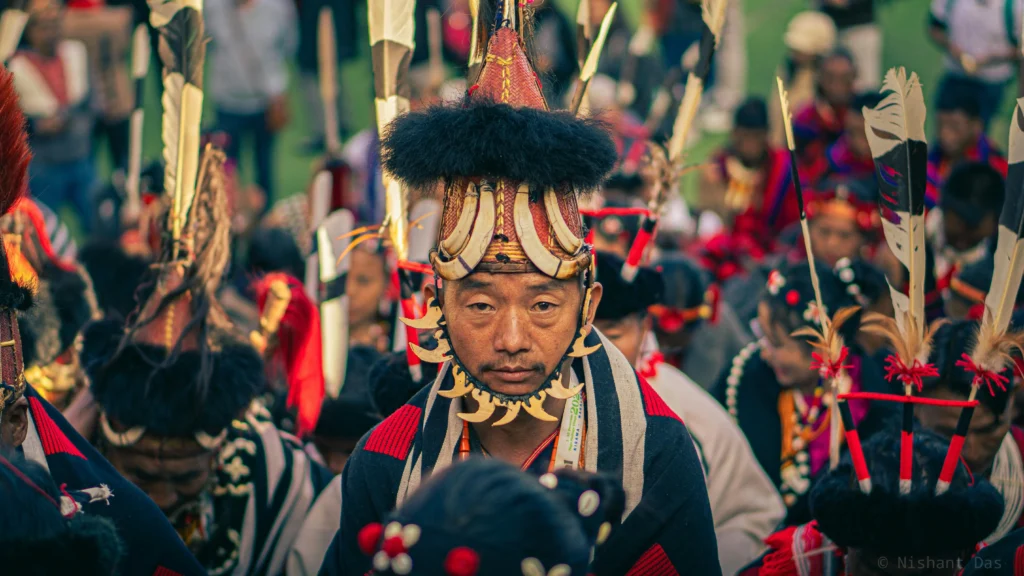
For the Naga people, the hornbill is much more than a bird; it is a powerful cultural symbol. It represents strength, courage, and pride . This connection is so profound that many traditional tribal songs and dances are dedicated to honoring this majestic bird. I had the opportunity to be in the presence of one of these birds, and it is indeed a truly imposing animal. Understanding its symbolism—courage, perseverance, harmony—helps you decipher the indomitable spirit that permeates every dance and every traditional costume of the festival.
Kisama Heritage Village: A Living Museum
The epicenter of the celebration is the Naga Heritage Village, Kisama, located approximately 12 km south of Kohima. This place is not just a simple festival ground.
The site was strategically built between the villages of Kigwema and Phesama to house the morungs , or traditional tribal dormitories. During the festival, these morungs are transformed into vibrant cultural zones, where each tribe has its own space to showcase its life and customs. Visiting the morungs is like stepping into a living museum, allowing you to experience and understand firsthand the rich heritage of Naga society. The organization of this space facilitates a deep cultural immersion, a testament to the government’s commitment to preserving and promoting this heritage.

Essential Logistics Guide 2026: How to Prepare Your Trip to Nagaland
The key to enjoying a trip to Hornbill is planning. While the cultural reward is immense, the logistics require expert knowledge. Here’s what you need to know if you dream of joining me in 2026.
Dates and Location Confirmed for 2026
Mark your calendar:
- Hornbill Festival 2026: From December 1st to December 10th, 2026 .
- Venue: Naga Heritage Village, Kisama, Kohima (Nagaland).
The Key Requirement: The Inner Line Permit (ILP)
This is the detail that sets Nagaland apart from conventional tourist destinations in India. To regulate movement to certain areas near international borders, the Indian government requires a special permit.
Do I need an Inner Line Permit (ILP) for Nagaland?
Yes, the ILP is a mandatory document. All non-resident Indian citizens need to obtain this permit to enter the state.
For foreign tourists , the situation has historically been somewhat ambiguous, but the official Nagaland government app now includes specific rates and categories for foreigners. The ILP portal indicates that while the ILP is mandatory for Indian visitors, foreigners should confirm whether they also need a Protected Area Permit (PAP) or, failing that, register with the Foreigners Registration Office (FRO) upon arrival.
The Big Logistics News: Starting January 1, 2025, the Inner Line Permit application process has been digitized and migrated to an online platform. This aims to improve efficiency and accessibility for tourists.
My Expert Advice: Although the process has been simplified, managing documentation and verifying the latest requirements for foreigners (given the overlap between ILP, PAP, and FRO requirements) requires meticulous planning. Documents typically required include a recent passport photo and valid identification.
Here is the cost structure and validity for tourists, based on the current official rates for ILP categories:
Table of Costs and Validity of the ILP (Estimated 2025/2026 Update)
| Category | Estimated Cost (INR) | Maximum Validity | Key Point |
|---|---|---|---|
| Domestic Tourist | ₹200.00 | 30 days | Mandatory. Online process via ilp.nagaland.gov.in. |
| Foreign Tourist | ₹500.00 | 30 days | Required through the ILP portal. FRO/PAP registration must also be confirmed. |
My Access Route: The Journey to Kohima
Getting to Nagaland necessarily involves passing through Dimapur (DIP). Why? Because it’s the only place in the entire state with both an airport and a train station.
- Gateway: You must fly or take the train to Dimapur.
- The Final Leg: Kohima (where the festival is held) does not have an airport. The Naga Heritage Village in Kisama is about 12 km from Kohima. From Dimapur, the journey to Kohima/Kisama is by road.
- Transportation Options: You can hire a taxi or take a shared ride. My recommendation is always to book transportation in advance, ideally as part of an organized travel package. This not only guarantees your comfort but also saves you from last-minute rushes and ensures a smooth transfer during peak season.
The complexity of managing the ILP and planning the transfer from Dimapur underscores that Nagaland is not a casual backpacking destination. You need specialized knowledge to avoid logistical headaches.
The Hornbill Experience 2026: Tailor-Made Immersion and Accommodation
Once you arrive in Nagaland, your choice of accommodation will define your festival experience. You have three main options, all fascinating.
Accommodation: Immersion or Urban Comfort?
For a tailor-made trip, it is crucial to balance authenticity with comfort.
Option A: Total Immersion (Homestays and Villages) If you’re looking for the authentic “Village experience ,” choose to stay in a homestay in one of the villages near Kisama. Places like Phesama or Viswema offer the opportunity to experience Naga hospitality firsthand, enjoy local ethnic cuisine, and, in some cases, be just a 5- to 20-minute walk from the Naga Heritage Village.
Option B: Camping Life For adventurers and those who prioritize a social atmosphere, organized camping is ideal. Camps like Camp Hornbill offer spacious tents, adequate bathroom facilities, and best of all, a festive atmosphere in the evenings with campfires and live acoustic music sessions.
Option C: Base in Kohima If you prefer access to city amenities, larger hotels, or heating, basing yourself in Kohima is a solid choice. From there, you can visit places like the War Cemetery and the Nagaland State Museum. The only consideration is that you’ll need to plan for daily round-trip transportation to Kisama (about 12 km).
Here’s a quick summary to help you decide on your travel style for 2026:
Hornbill Festival Accommodation Options (December 2026)
| Accommodation Style | Main Location | Key Experience | Ideal Audience (Ari’s POV) |
|---|---|---|---|
| Authentic Homestay | Viswema, Phesama (Near Kisama) | Ethnic cuisine and genuine Naga hospitality, deep cultural immersion. | Intentional travelers seeking cultural connection and tranquility. |
| Organized Camp | Camp Hornbill (Next to Kisama) | Festive atmosphere, socializing, nighttime bonfires, and music. | Adventurers, solo travelers, and groups of friends. |
| Hotel / Retreat in Kohima | Capital of Nagaland | Comfort, urban services, and a convenient base before/after the festival. | Travelers who value comfort and easy logistics. |
The Day-to-Day of the Festival (Must-See Activities)
The festival, which lasts for ten days, is packed with activities:
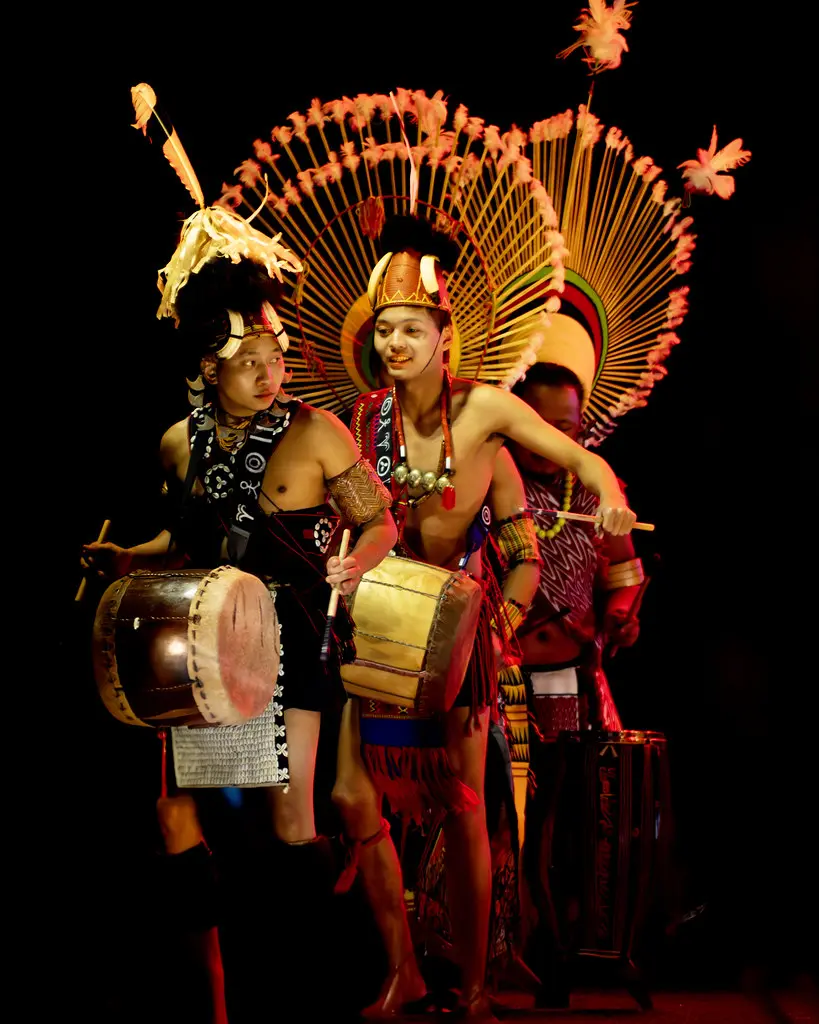
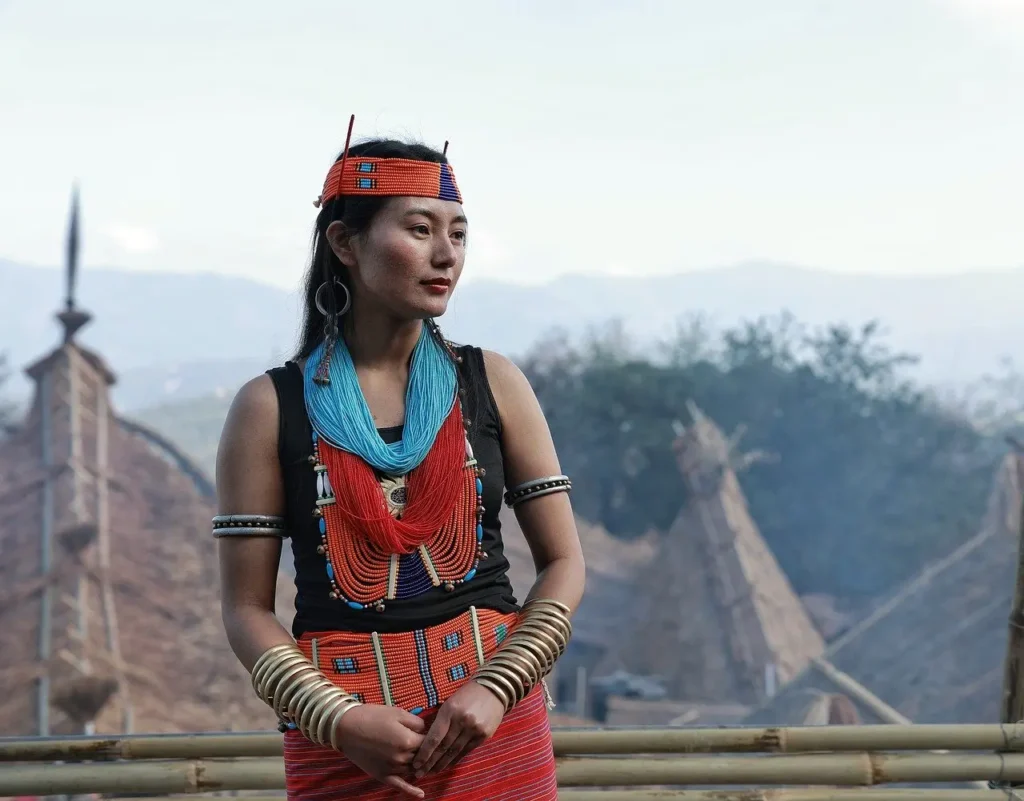
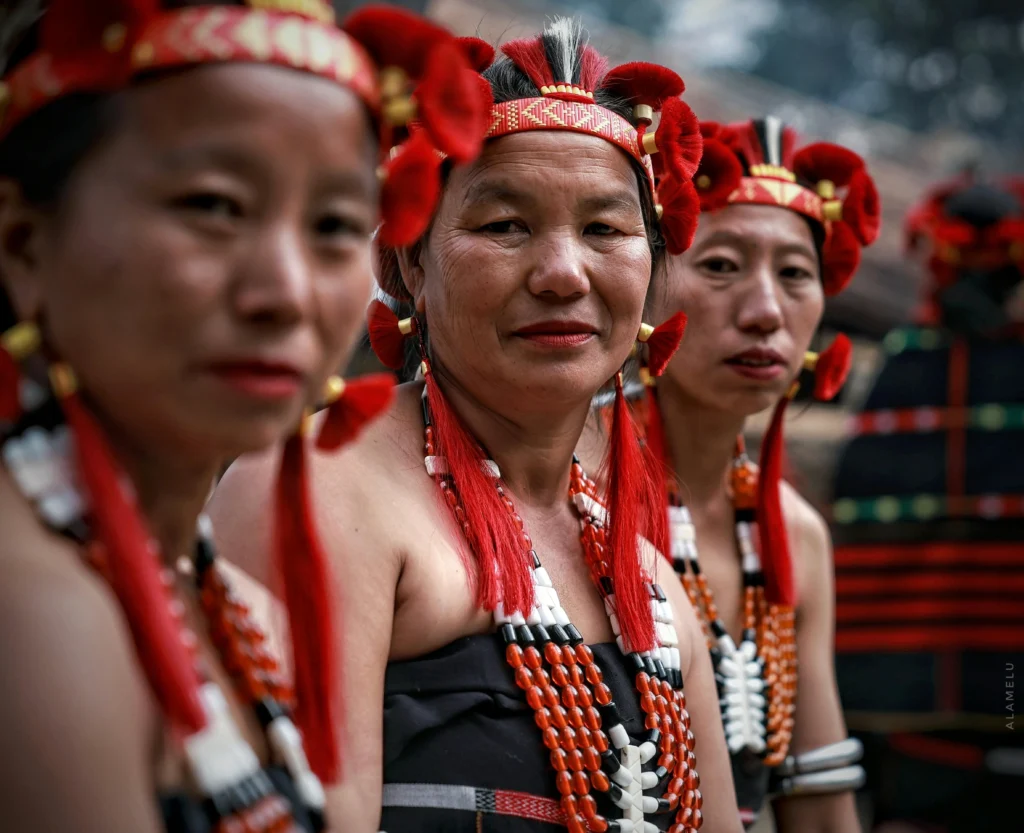
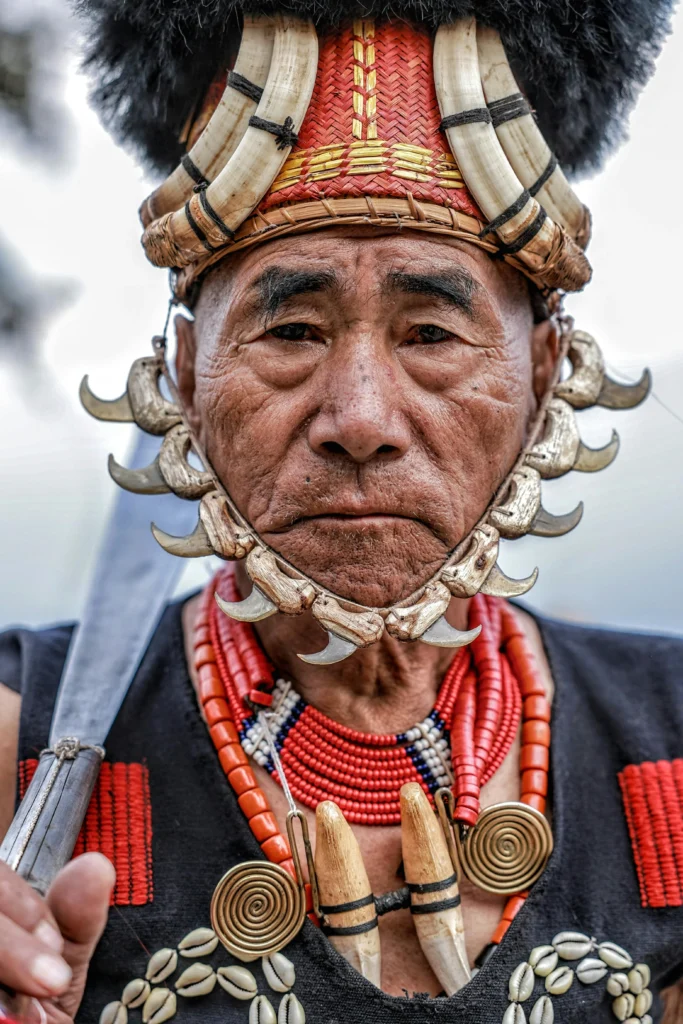
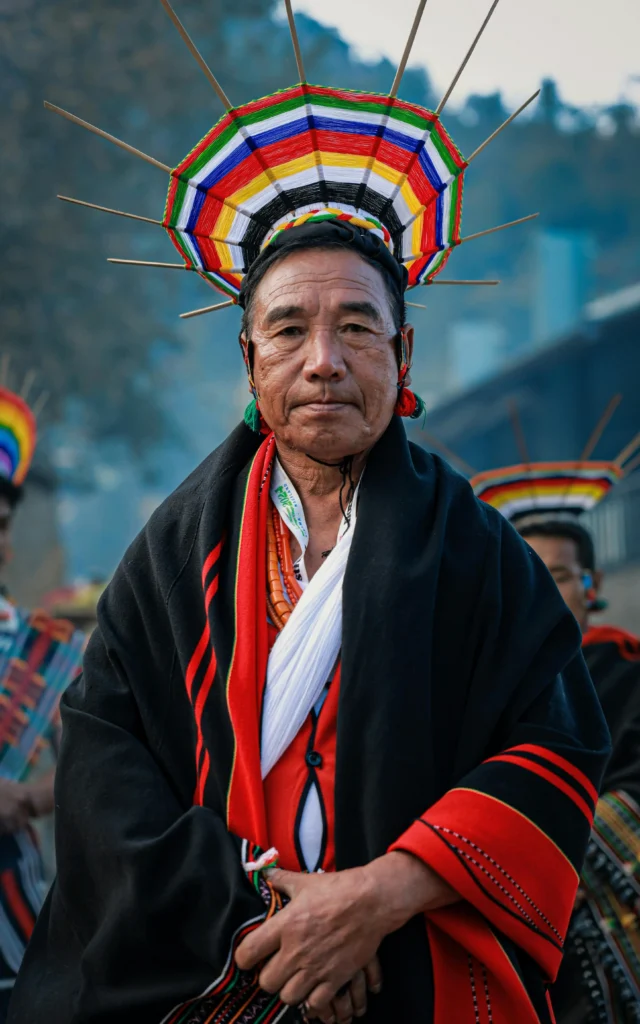
- Tribal Dances and Rituals: The main attraction is the cultural performances on the main stage, where the proud Naga, dressed in their spectacular traditional costumes, showcase their war dances, rituals, and folk songs.
- Tribal Gastronomy: The food area is essential. You have the opportunity to sample the diverse Naga cuisine, including Ao Naga specialties like smoked pork and various fermented vegetable dishes. Remember to prepare your palate for Naga chili!
- Crafts and Music: There are craft and art exhibits where you can purchase unique pieces. In addition, the Hornbill International Rock Festival offers contemporary music performances in the evenings, a vibrant contrast to the daytime rituals.
- Nature Adventure: The festival serves as a base camp for exploring the surrounding wilderness. It’s the perfect time to hike to iconic destinations like the mystical Dzükou Valley or climb Mount Japfü, Nagaland’s second-highest peak.
How to make the most of a trip to Northeast India?
Once you overcome the logistical hurdle of reaching Nagaland and obtaining the ILP, the opportunity to explore the rest of the Northeast is too valuable to ignore. My expert recommendation is to transform your Hornbill 2026 trip into a 10- to 14-day Maxi-Adventure , combining Nagaland with the neighboring states of Assam and Meghalaya. This way, your time investment is maximized, and you discover the true magic of the region.
Route 1: The Triangle of Authenticity (Nagaland, Assam and Meghalaya)
This route focuses on cultural diversity, unspoiled nature, and unique history:
Assam (The Gateway to the East)
- Majuli Island: After your time in Nagaland, you can travel to Jorhat and take a ferry to Majuli, considered the world’s largest river island. Here you can explore Mishing culture, observe a rich diversity of birds (especially migratory species in winter), and stay in traditional bamboo huts.
- Ancient Craftsmanship: In Majuli, you can visit pottery workshops that still use manual methods of beaten clay and wood-fired kilns, a method said to be the same as that used by the ancient Harappan Civilization.
Meghalaya (The Abode of the Clouds)
- Trekking and Living Roots: Traveling to Meghalaya allows you to visit the wettest region on the planet (Mawsynram or Cherrapunji). The highlight is undoubtedly the trek to the famous double-decked Living Root Bridges , a marvel of natural and tribal engineering.
- Crystal Clear Waters: You can’t miss a swim in the pristine, crystal-clear waters of the Umngot River in Dawki. Meghalaya offers landscapes of valleys and mountains enveloped in rain, a stunning natural contrast to the dry hills of Nagaland in December.

Other Quick Extensions (For Travelers with More Time)
If you have more than two weeks, consider extending your trip to Tripura . A 10-day itinerary can include visiting temples like the Tripura Sundari Temple, exploring the Neermahal Palace, and enjoying Tripuri cuisine, making your trip a complete tapestry of the Northeast.
Integrating these states into a single trip allows the traveler to experience the full spectrum of tribal culture, island life, and unparalleled nature that Northeast India has to offer.

Traveling is not about seeing, it’s about feeling
My experience in Nagaland taught me that travel isn’t just about ticking a destination off a list, but about experiencing and participating in the life of a community. The Hornbill Festival is proof that we can still find strong community ties and genuine hospitality. The key is to bring an open mind and an open palate, and be prepared for surprises.
If you’re looking for the most authentic India, the Festival of Festivals in Nagaland is your destination. I promise it will change your understanding of what travel can achieve when cultural preservation and community values come together.
The Art of Tailor-Made Travel
As we’ve seen, venturing into Northeast India, and especially to the Hornbill Festival, is logistically complex: you have to manage the Inner Line Permit, arrange transportation from Dimapur to Kohima, and navigate the choice of authentic accommodation between homestays and camps. A traveler seeking such a deep immersion needs to know that rigorous planning is essential.
And that’s where I come in. At Experience Designer by Ari Garduno , my job is simple: to eliminate all that stress and bureaucratic complexity (like the ambiguities of the ILP for foreigners) so that your only task is to focus on immersion and enjoyment.
Designing tailor-made trips to Nagaland means we don’t just take you to the festival; we guarantee the best homestay for your style, plan your trekking route to the Dzükou Valley, and organize a complete itinerary (10-14 days) that incorporates the authenticity of Majuli and Meghalaya. My experience guarantees that your trip to Nagaland will be unique, personalized, and free of logistical errors.
Starting to Plan Your 2026
Leave the India everyone knows. Join me in 2026 to discover Asia’s best-kept secret, a place that will welcome you with open arms and a warmth that will make you feel like you belong there.
If the Hornbill Festival from December 1st to 10th, 2026 is the trip you’ve been waiting for, don’t leave the planning to chance.
Let’s talk about your adventure! Contact us today so Experience Designer can start creating your 100% customized itinerary. Your dream trip to the mountains of Northeast India is just a click away.


Leave a Reply