LGBTQ Safari in Africa: Safety, Risk & Discretion Guide
Hey, traveler. I’m Ari, and if you’re reading this, it means the call of the savanna has finally caught up with you, but so has that twinge of doubt. I know you have a list of tough questions: Can I be myself? Can I be safe? Is the risk worth it on a continent where news about the LGBTQ community is often alarming?
My promise is to give you the unvarnished truth. I won’t try to sell you a fairy tale where inclusion is universal. I’ll give you the geopolitical and legal facts, filtered through my experience designing niche trips, so you can make an informed decision that allows you to enjoy the vastness of Africa without paranoia. I fully understand that traveling with the constant fear of being discovered or facing legal problems simply isn’t worth it. If that anxiety is going to be your travel companion, perhaps it’s better to choose a destination where your mind can be free. That’s why this isn’t a sales post. It’s a comprehensive guide to risks and experiences, based on the operational reality of tourism in East and Southern Africa.
Entendiendo la Paradoja Africana: Hospitalidad Turística vs. Leyes Locales
It is absolutely crucial that you understand the paradox that governs safaris in most of these destinations. There is a profound disconnect between the written law, which is often based on colonial penal codes or harsh modern legislation, and the practices of the tourism industry.
The safari economy, particularly in Kenya, Tanzania, Rwanda, and South Africa, is a vital engine of national development, highly dependent on foreign currency. This dependence creates, in practice, a shield of professionalism and discretion around tourists. Evidence suggests that in many countries that criminalize homosexual relations, law enforcement generally pays little attention to foreigners, provided they remain discreet.
Herein lies the key to visitor safety. Hospitality at safari lodges is professional and discreet. Local tour operators strive to actively protect guests, as any incident involving an international tourist would severely damage their business and the reputation of the national economy. This principle of economic necessity creates a layer of protection for tourists that, unfortunately, local LGBTQ citizens do not possess. However, this shield is not invulnerable; if a traveler explicitly breaks the law (such as through a public display of affection) or attracts attention in non-touristy areas, the risk increases significantly.
What is the actual legal status for the LGBTQ community in East and Southern Africa?
The legal landscape in Africa is generally bleak. Thirty-one African countries reportedly criminalize consensual same-sex relationships between adults. However, the safari experience is not uniform.
The Gold Standard (South Africa): South Africa is the most notable exception on the continent. Its Constitution explicitly protects against discrimination based on sexual orientation, making cities like Cape Town and Johannesburg epicenters of well-established and tolerant LGBTQ communities. Lodges and operators in areas like Kruger Park typically guarantee a welcoming environment.
Safari Legal Landscape (High Risk): The other destinations we manage present a variable legal risk, but require discretion.
- Uganda: Critical Risk. The Anti-Homosexuality Act (AHA) of 2023 is one of the most severe pieces of legislation in the world. It criminalizes consensual sexual relations with life imprisonment or even the death penalty.
- Tanzania: Illegal. Same-sex relationships between men and women are criminalized with maximum penalties of up to life imprisonment.
- Kenya: Illegal. Sexual activity between men is punishable by up to 14 years in prison. Although its repeal has been proposed, the law remains in force.
- Zambia: Illegal. Same-sex sexual activity between men and women can carry a maximum penalty of 14 years in prison.
- Zimbabwe: Illegal. Sexual activity between men can be punished with up to one year in prison and a fine.
- Rwanda: The Only Non-Criminalized Country in East Africa. Rwanda stands out as one of the few African countries where there are no laws criminalizing consensual same-sex relationships.
To facilitate your decision-making process, I have consolidated these risks in the following table, which represents the most critical data point in this analysis:
| Country | Legal Status (Consensual Activity) | Maximum Penalty (Reported) | Social/Legal Risk for Tourists | Discretion Recommendation |
|---|---|---|---|---|
| South Africa | Legal. Constitutional Protection. | N/A | Very Low. | Low/Moderate. |
| Rwanda | Not criminalized. | N/A | Low. | Moderate (Avoid PDA in public). |
| Kenya | Illegal (men). | Up to 14 years imprisonment. | Moderate. | High. |
| Zimbabwe | Illegal (men). | Up to 1 year imprisonment. | Moderate. | High. |
| Zambia | Illegal (men and women). | Up to 14 years imprisonment. | Moderate/High. | Maximum. |
| Tanzania | Illegal (men and women). | Life Imprisonment. | High. Risk of extortion and police surveillance. | Extreme. |
| Uganda | Illegal. AHA Act 2023. | Death or Life Imprisonment. | Critical/Very High. | Extreme. |
Will I be imprisoned for being
or appearing gay in Africa?
This is one of the questions that generates the most anxiety, and it is vital to debunk the myth: No, the law penalizes acts or promotion, not your identity or your appearance.
The law in these countries specifically targets “sexual acts” or “gross indecency.” Paranoia about “how you look” (your clothing, gestures, etc.) only adds an unnecessary layer of anxiety to the trip. The real legal risk lies not in your existence or identity, but in your public behavior and digital visibility. It is important to understand that, except in extreme cases of active persecution such as those seen in Uganda or Tanzania, where surveillance is more active , safari tourists are rarely targeted for imprisonment simply because of their appearance.
Analyzing the risk dynamics, while the law in countries like Kenya or Zambia allows for sentences of up to 14 years in prison, the real risk for a tourist is that these laws will be used as a tool for extortion or blackmail by corrupt individuals (including members of the security forces) if discretion is compromised. The latent threat of the law is often more dangerous than its direct application to the tourist. Discretion eliminates much of this threat.
The Geopolitical Decision Guide: From Uganda to South Africa
Your choice of destination should balance your comfort level with local law and personal ethics.
South Africa: Africa’s ‘Yes, Go All In’
If you’re looking for a safari experience where concerns about your sexual orientation are completely minimized, South Africa is the “high comfort ” option. The South African Constitution explicitly prohibits discrimination based on sexual orientation.
This means that, legally, you won’t have to worry. Operators and lodges in destinations like Greater Kruger (Sabi Sands, Timbavati) are specifically vetted to ensure inclusivity and offer luxurious and inclusive experiences. In South Africa, discretion is simply standard cultural advice when dealing with traditional or rural communities, not a legal obligation for survival. Whether it’s your first safari, you’re traveling with children, or you simply want to enjoy your holiday with complete peace of mind, choose South Africa.
Uganda vs. Rwanda: The Ethical Dilemma and Risk for Gorilla Trekking
Gorilla trekking is one of the most sought-after adventures, and traditionally, Uganda and Rwanda are the key destinations. However, their legal realities are diametrically opposed.
Uganda: A Risk with Critical Implications
Following the enactment of the Anti-Homosexuality Act (AHA) in 2023, Uganda was placed at the highest risk level. This law not only criminalizes same-sex relationships but also introduces penalties of death or life imprisonment. In addition to the legal risks, there have been reports of increased persecution and violence by vigilantes against LGBTQ individuals and their supporters.
Now, let’s talk about my experience. I’ve sent couples from the community on gorilla treks to Uganda, and within the context of lodges and organized tourist experiences, they’ve been well received. This is a testament to the bubble the tourism industry creates. BUT: the objective legal risk has changed drastically. If you decide to travel, you must be extremely aware of the law and limit your visibility as much as possible. The decision to travel to Uganda, despite its beautiful gorillas and positive tourist experiences, becomes a profoundly ethical one, as tourism money can go to a country with such harsh legislation.
Rwanda: The Recommended and Ethical Option
If fear or simply ethics make you hesitate about Uganda, Rwanda is the superior and safer alternative for gorilla trekking in Volcanoes National Park.
The main advantage is legality. Rwanda does not criminalize homosexuality. In fact, there are no laws against same-sex sexual activity, and the country has signed UN declarations supporting decriminalization globally. Furthermore, it has laws prohibiting discrimination based on sexual orientation. This reduces the legal risk for tourists to zero.
Rwandan hospitality is highly professionalized. The travel industry is inclusive, and many high-end lodges have trained their staff to ensure LGBTQ guests are treated with dignity and safety. While Rwandan society remains socially conservative and discretion is advised regarding Public Displays of Affection (PDA) in public, the legal framework and attention given to tourism make Rwanda an ethical and safe choice.
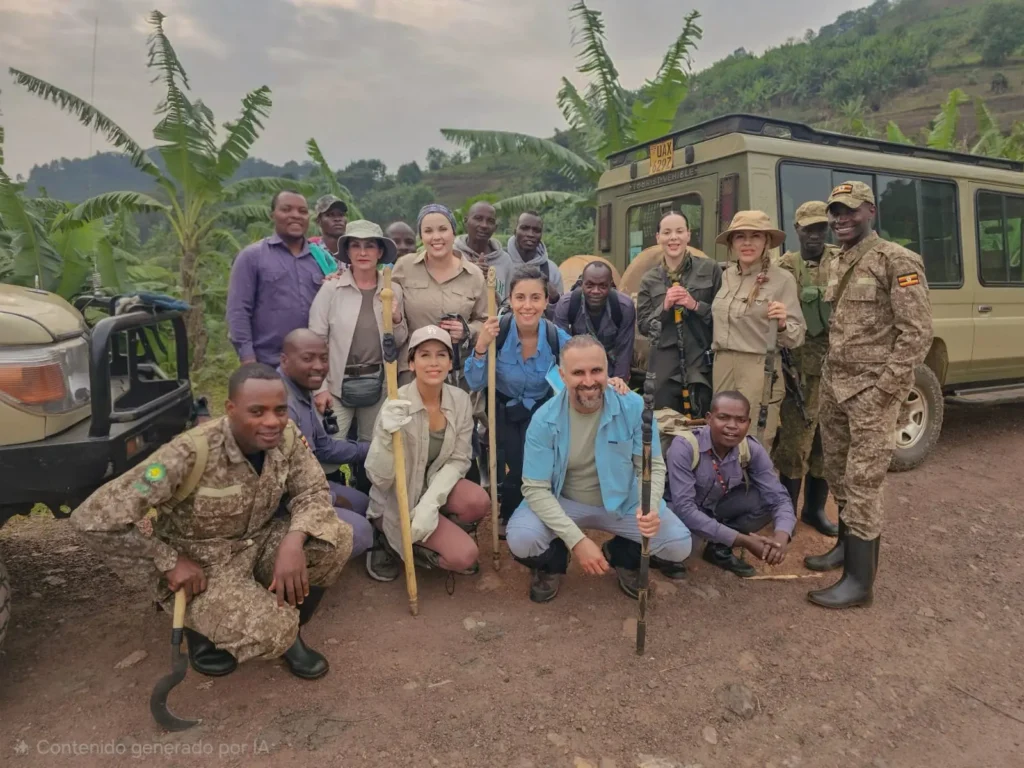
Kenya, Zambia, Zimbabwe and Tanzania: Navigating Caution
These countries represent the classic scenario of “High Legal Risk, Low Application for Tourists (with Discretion)”.
- Kenya: It has a very strong tourism economy, and travelers are welcome in tourist hotspots . Urban areas like Nairobi even have safe spaces and a burgeoning nightlife scene. However, the law punishes this with up to 14 years in prison. Discretion is essential; although lodges are friendly, you should avoid any PDA outside of private areas.
- Zambia and Zimbabwe: Both countries criminalize the activity, although Zimbabwe has shorter prison sentences (up to 1 year) than Zambia (up to 14 years). In both, extreme caution is necessary, limiting the risk to the private safari bubble.
- Tanzania: The Highest Risk of Active Repression. I consider Tanzania, after Uganda, to be the highest-risk destination on the list, and repression extends far beyond the written law. In addition to life sentences , there have been reported cases where police and security forces actively target LGBTQ individuals for arrest and extortion. They are known to monitor dating apps, and there have been incidents of electronic device searches at airports. Discretion must be absolute and extreme, even in digital communication.
Personalized Advice by Traveler Profile
The level of risk you perceive and face depends on who you are and how you travel. Your planning should be tailored to your individual circumstances.
Solo Traveler: Prioritizing Personal Safety
If you travel alone, your visibility may be greater, and you could be perceived as an easier target for extortion or social misunderstandings if you try to socialize with locals outside the tourist circuit.
- Vital Digital Tip: In high-risk countries (especially Tanzania and Uganda), avoid or minimize your use of hookup apps like Grindr or Tinder. Police have reported monitoring these platforms, and using them can expose your sexual orientation or identity in an environment where this is illegal.
- Risk Mitigation: Travel exclusively with tour operators that offer small groups or guarantee trustworthy and sensitive guides. They act as your social buffer.
Couples:
The Golden Rule for any couple, regardless of their sexual orientation, in these conservative countries is: Discretion is not optional.
Most African cultures value modesty, and public displays of affection (PDA) are generally frowned upon, even for heterosexual couples. However, the risk for a same-sex couple is exponentially higher.
In a conservative culture, heterosexual PDA is a social transgression. Homosexual PDA, in a country that criminalizes the activity, can be interpreted directly as an “indecent act” or, worse, as “promoting homosexuality,” transforming a social transgression into an immediate legal risk. It is absolutely vital to understand this difference in risk. Intimacy should be confined to the privacy of your bedroom or safari vehicle.
Families:
The biggest challenge for same-sex families isn’t finding a friendly lodge , but rather immigration control and borders. Countries that don’t legally recognize same-sex marriage or second-parent paternity orders may question custody, jeopardizing their entry into the country.
Absolute Travel Documentation: To ensure “portability of judgment” (the need for your parental rights, legalized at home, to be recognized internationally ), it is essential to carry the following documents:
Custody or Adoption Orders: Court documents that formally prove the legal relationship with the minor.
- Birth Certificates: Especially relevant in surrogacy cases, where parentage must be verified.
- Notarized Consent Letters: If only one parent is traveling, a notarized consent letter from the other parent is required.
- Name Matching: It is essential that all names on passports, birth certificates, and legal orders match perfectly to avoid delays or rejections at border control.
The need for court orders proving the legal relationship with the minor exists to mitigate the risk of border problems or, in the worst case, custody disputes in an unfriendly country.
Trans and Non-Binary Travelers
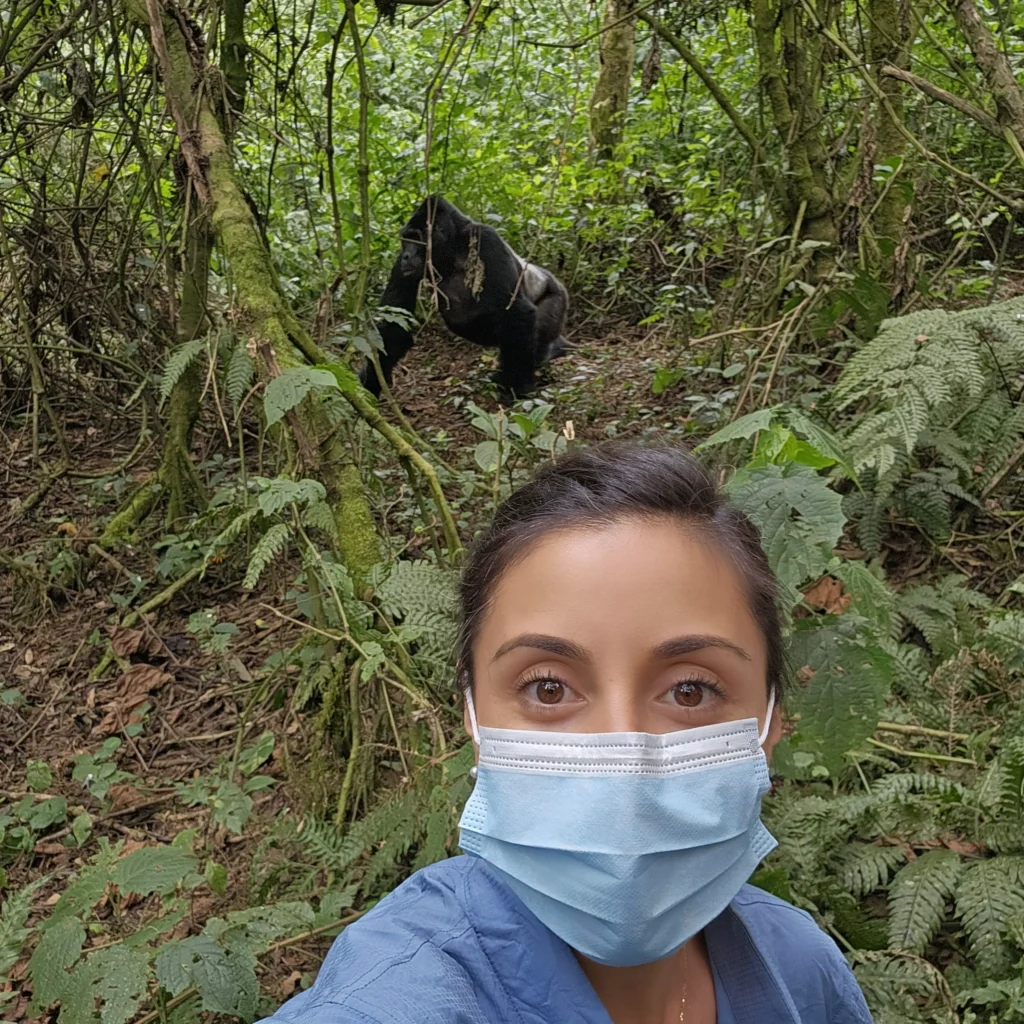
Transgender and non-binary travelers often face the highest level of scrutiny at checkpoints and security checkpoints. This is due to the possibility that their gender expression may not match the markers on older documents, or because of the presence of medical equipment or prostheses, which can create friction at customs and airports.
Gender Markers ‘X’: If your passport includes a non-binary gender marker (‘X’), you should check the entry and transit restrictions of each country, as some do not recognize this marker and may deny entry.
- Gender Presentation and Documentation: To minimize friction at customs checkpoints, it is recommended to travel with the presentation that best aligns with current legal documentation.
- Security Logistics: Airport screening, especially in more conservative countries, can be intrusive and essentially ‘out’ a traveler in a potentially unsafe environment. To minimize the risk:
- Consider packing items such as prosthetics or medical equipment in your checked luggage.
- If you are traveling with gel prostheses (such as breast forms), they are not subject to the 3-ounce liquid limit, as they are considered medically necessary, but their presence in hand luggage may require additional inspection.
- Any traveler has the right to request a private inspection of their hand luggage if it needs to be opened.
Is it ethical for my money to go to countries with anti-LGBTQ laws?
This is a complex and personal debate. Some argue that visiting these destinations provides revenue to governments that impose repressive policies. Others maintain that the local LGBTQ community exists in every destination worldwide, and by traveling, you expose the local population to new ideas and customs. Furthermore, your money directly benefits industry workers (guides, lodges , chefs) who are often more progressive or dependent on the tolerance of tourism. If the ethical decision is paramount for you, South Africa and Rwanda offer clear and legal alternatives.
What do I do if my luggage or electronic devices are checked at the airport?
Digital prevention is key, especially when entering high-risk countries like Tanzania or Uganda. Electronic devices have been documented being checked at airports. Before entering:
- Clean your devices of sensitive content (dating apps, intimate photos, or activism documents).
- Remember that you have the right to request a private inspection of your hand luggage at customs.
What should I do if I feel I am being harassed, extorted, or detained?
The first step is to remain calm. Never attempt to negotiate or offer bribes on your own. Your tour operator is your fastest and most reliable point of contact on the continent. Immediately call your guide or your operator’s office. They have the local contacts to intervene and ensure your safety, and they will then contact your embassy or consulate.
We’ve covered the legal risks, from South Africa’s constitutional protections to life imprisonment in Uganda and Tanzania. The analytical conclusion is clear: the vast majority of safaris in Africa are safe and welcoming for LGBTQ travelers as long as discretion is practiced in public. The real risk lies in the law, not in the organized game drive experience .
If fear of the law is preventing you from relaxing and enjoying yourself, always play it safe: South Africa is your constitutional sanctuary , offering a world-class safari experience with complete legal peace of mind. If you’re looking for a gorilla experience with a clear conscience and no legal risks, Rwanda is the ethical and safe answer.
Remember: paranoia about “how I look” will only steal the moment. The risk isn’t your identity, but your actions. Travel informed, respect conservative culture, keep your private life private, and focus your energy on the vastness and magic of the continent that awaits you. Travel with confidence!