

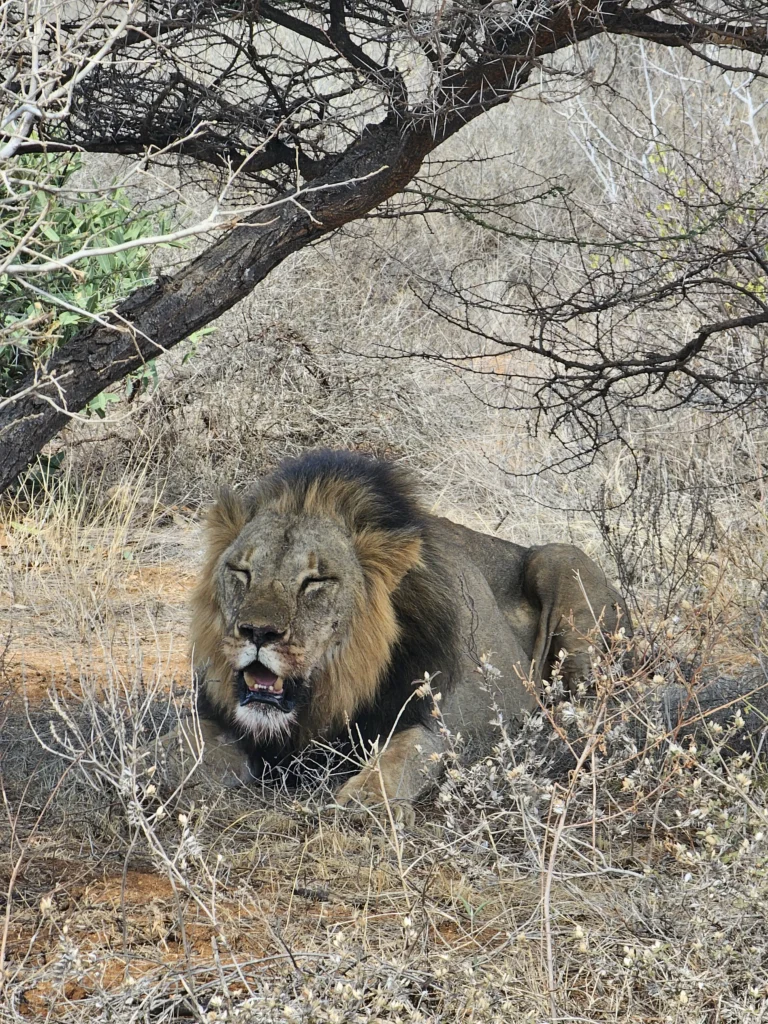
Of all the questions I receive when designing a safari— what to pack ?, when is the best time to go?, where are the Big Five?—there’s one that always, always comes up. It’s the most human question, the one posed with a mixture of excitement and awe: “Ari, am I really safe? Could a lion eat me?”
If you’re new to this, let me be your voice of experience and your safety net. It’s a completely legitimate fear. We’re talking about the most perfect predators on the planet, animals with a brutal killing instinct. But let me give you my definitive answer, based on years of experience on the African savanna, the most rigorous protocols, and animal ethology:
The probability of a lion attacking you while you are inside a professional safari vehicle is infinitesimal, almost zero.
Yes, you read that right. You’re incredibly safe, as long as you understand and respect the unbreakable rules of the game that I’ll teach you throughout this journey.
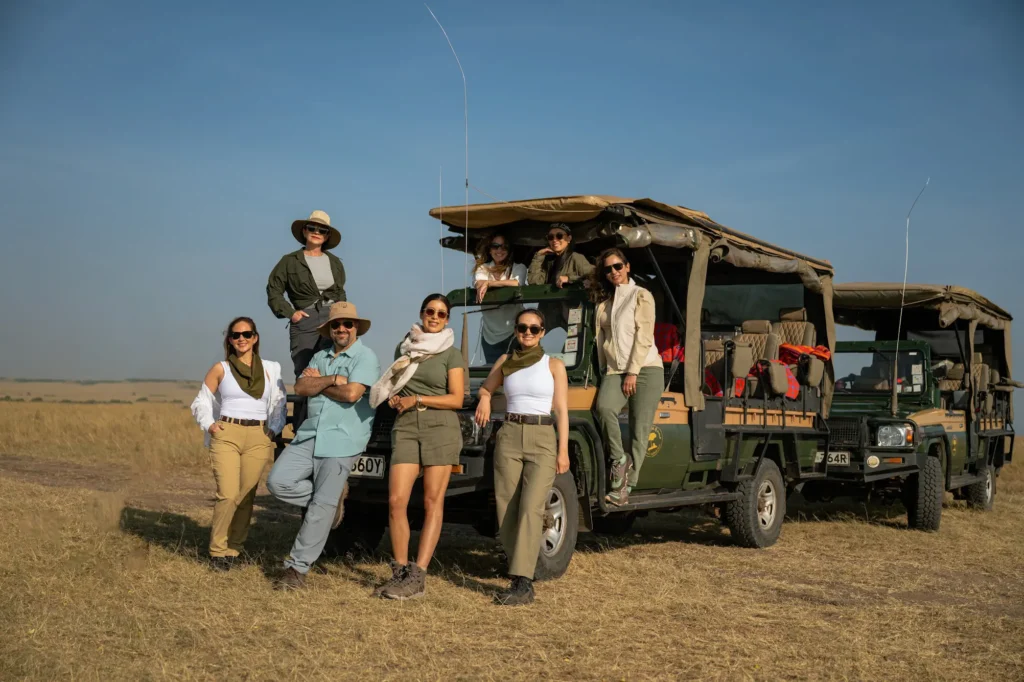
My work as an Experience Designer goes far beyond booking tickets and lodges . It’s about designing a safe environment and maximizing ethical immersion. This isn’t just a wildlife viewing trip; it’s a profound investment in conservation. My promise is twofold: to guarantee your safety and ensure that your presence has a positive and lasting impact on wildlife and local communities.
I’m here to demystify fear and explain the reasons behind this safety, from the science that governs the lion’s mind to the rigorous certification of our guides. Prepare to leave your fear behind and answer the call of the savanna.
The Jeep's Immunity:
Understanding the Mind of the Lion
If lions see us—and we’re often only a few meters away in open vehicles—why on earth do they simply ignore us? The answer is as fascinating as it is logical, and it’s based on animal ethology and the science of perception.
The Ethological Secret: You Are a Rock, Not Prey
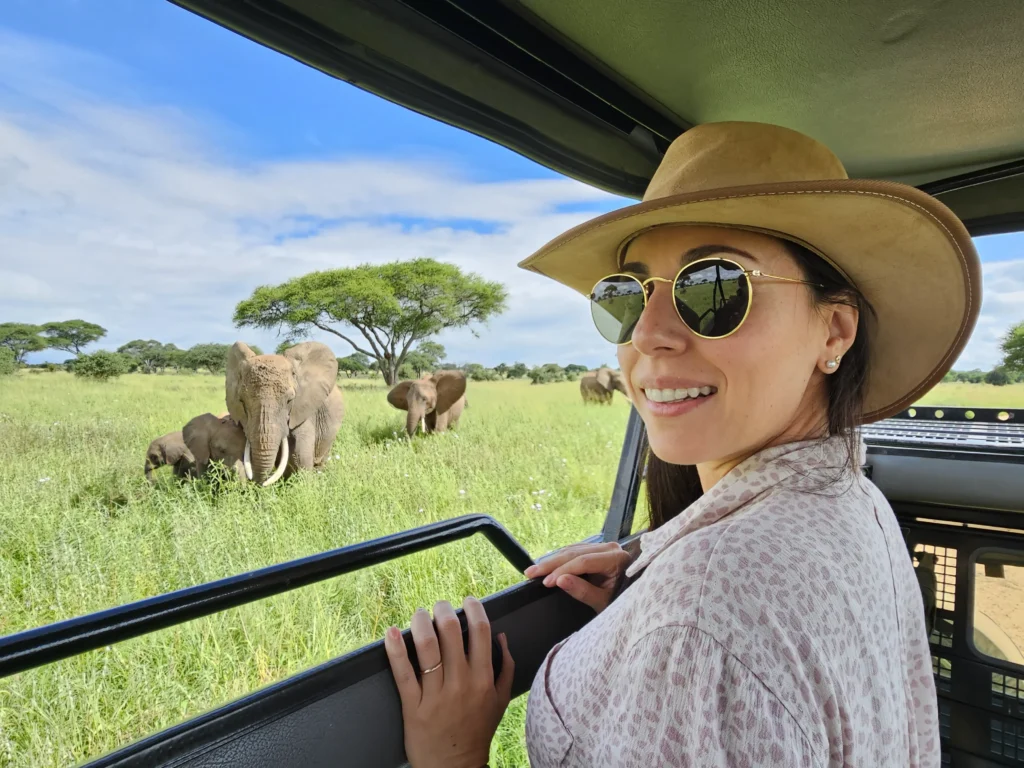
To a lion, or any large predator, a safari vehicle isn’t perceived as a collection of palatable human individuals. Instead, the vehicle is seen as a single entity: a large, noisy, and strange object that, crucially, doesn’t behave, smell, or resemble natural prey. To put it simply, the lion sees you and the jeep as a single, harmless “rock.”
This phenomenon doesn’t happen by magic, but through a scientific process called habituation. Over generations of responsible safaris, the animals have become accustomed to the constant and consistent presence of vehicles. They recognize these objects as non-threatening components of their environment. This systematic familiarity significantly reduces their stress and aggression levels, allowing for the close coexistence we so long to observe.
Our expert guides always remind us that, while the vehicle offers an almost impenetrable shield, we mustn’t forget the reality of nature: these animals have an innate predatory instinct. The safety lies in the fact that, thanks to habituation, this instinct is suppressed because the jeep deactivates the “prey” signal in the feline’s brain.
Why Breaking the Rules Is Dangerous: The Breakdown of Unity
The traveler’s safety is absolute only as long as the integrity of that metal “rock” is maintained. Danger arises the exact moment the vehicle’s silhouette or shape breaks.
If, in your excitement, you stand up, stick out an arm, or raise your head to try for a closer photo, you disrupt the lion’s sense of security. In that critical moment, the animal’s perception changes: the large, non-threatening object is fragmented, and the individual human is recognized. When you separate yourself from the mass of the jeep, the lion might recognize you, for the first time, as potential prey or as an individual threat.
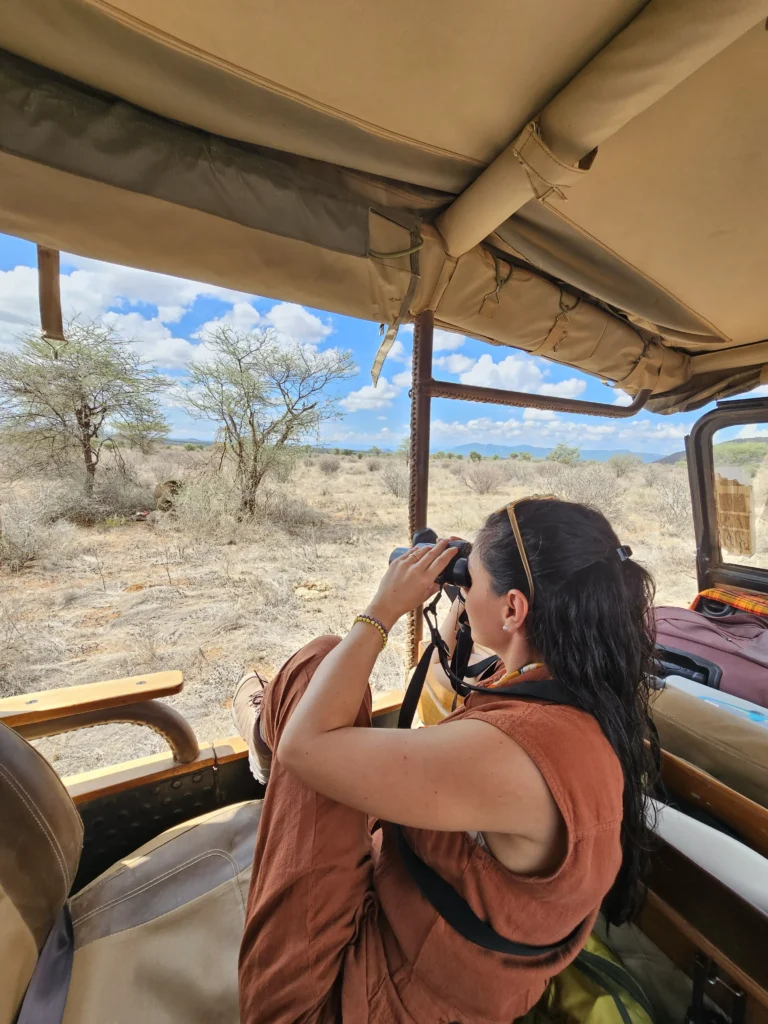
That’s why safari protocols are so strict. Sudden movements or loud noises (shouting, a phone alarm) not only frighten the animal but can also provoke a defensive or aggressive response. Calmness and control inside the vehicle are essential to maintaining peaceful coexistence.
There is one rule that is absolutely non-negotiable: never, under any circumstances, should wild animals be fed . Offering food is extremely dangerous, as it encourages the development of aggressive behaviors to obtain food from humans, creating what are known as “fed” or negatively habituated animals, which do pose a real risk to humans.
Discipline on safari is not a matter of courtesy; it is the fundamental safety mechanism. The traveler must understand that safety is based on a cognitive illusion we project onto the animal (the jeep is a rock). If the traveler alters the shape of the “rock” by extending a limb or making excessive noise, they are essentially destroying its protective shield and presenting themselves as an individual target.
Rare Cases and the Difference Between Captivity and Professional Safari
It is essential to address the honest assessment of the risk. Although the risk is minimal, it is not technically impossible for an animal to attack. Documented incidents involving predators usually occur under very specific circumstances:
- Threat to the Young: A female who feels cornered or threatened while protecting her cubs may attack preemptively. This is a primary defense instinct.
- Fed or Aggressive Animals: Animals that have been conditioned to associate humans with food, as a result of illegal feeding, are unpredictable.
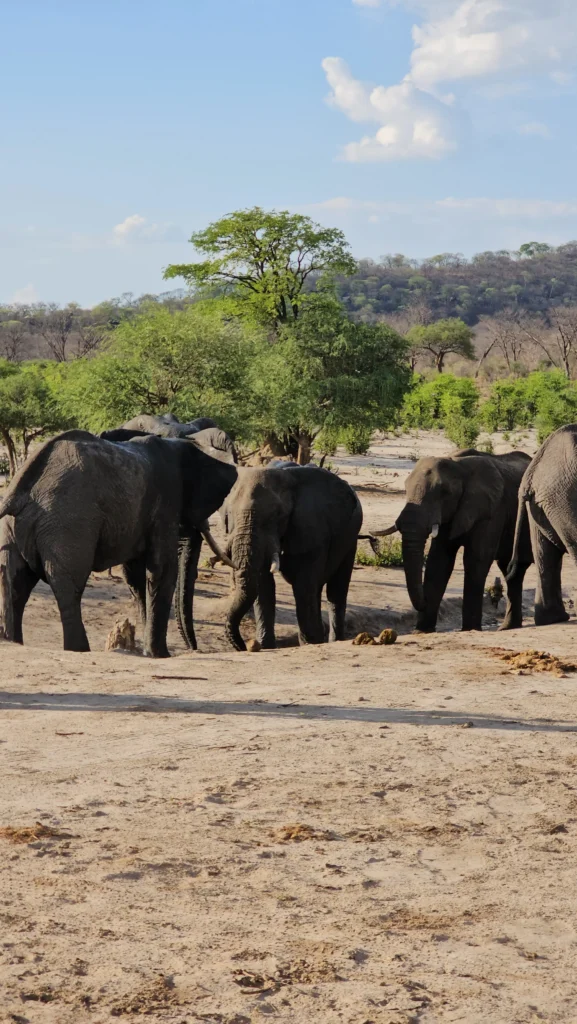
- Territorial Defense or Aggressive Species: While lions tend to be more cautious, large herbivores such as elephants, buffalo (the most dangerous of the Big Five) or hippos are extremely territorial and prone to defensive charging.
When we see news reports of tragedies (a lion attacking its keeper or incidents at zoos or captive parks in Thailand) , it’s crucial to provide context. These events almost always involve humans outside of a vehicle, in animal handling settings, captive reserves, or in direct interactions. This is fundamentally different from the experience of an ethical, guided safari in the African wilderness.
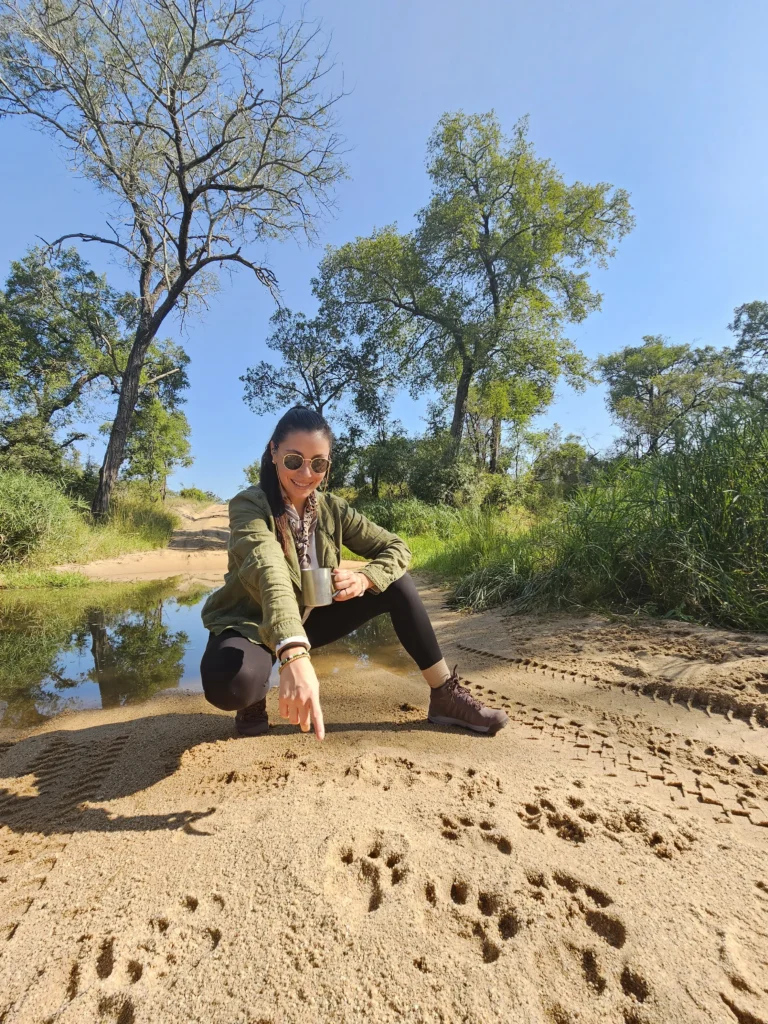
The Pillar of Security: Your Guides Are Your Lifeline
If the lion is the object of your curiosity, your safari guide is the object of your complete trust. They are the most important piece of equipment you will take with you.
Masters of the Savannah: The Essential Experience
Your safari guide is not simply the driver of the 4×4. He is a multifaceted and highly qualified figure: an expert in animal ethology, an accomplished tracker, a nature storyteller, a passionate conservationist, and above all, your personal and professional safety net.
Our guides have dedicated years, sometimes decades, to studying animal behavior, tracking patterns, and the complex dynamics of ecosystems. Their judgment in deciding when to approach, at what angle to stop, and, crucially, when to retreat, is the most important factor in mitigating risk. They read an animal’s body language better than any human.
The experience we offer at Experience Designer is based on operators who employ guides with rigorous formal qualifications. In southern Africa, for example, guides must obtain essential certifications such as the Cathsseta Nature Site Guide NQF2. Furthermore, many of our experts hold global certifications like the IFGA Professional Safari Guide, which validates not only their technical knowledge of the field but also their guest-focused skills and their ability to create memorable and safe experiences. They are trained to handle emergencies and to maintain a balance between high-quality wildlife viewing and absolute safety.
The Safari Commandments: Protocols for Coexistence
Safety on safari depends on the discipline of visitors. These rules are not meant to limit you, but rather to enhance your experience by allowing the environment to accept you as a silent observer.
Sensory and Auditory Discipline
Sound awareness is vital. Even inside a vehicle, human noise travels. Speak softly or, ideally, whisper. Artificial sounds are equally disruptive: all phone notifications should be silenced or turned off, as they can frighten wildlife. The need for this auditory discipline is linked to ethology: human sound, especially high-pitched or sudden sounds, disrupts an animal’s sense of peace. If animals perceive their environment as noisy or erratic, they are more likely to react defensively.
Physical Behavior
Avoiding sudden movements is essential, as quick gestures can be perceived as threatening. Patience is the greatest virtue on safari; the best observations often occur when you sit quietly and wait, allowing nature to reveal its secrets.
The Rule of Smart Dressing
Clothing isn’t just about comfort; it’s a matter of safety and respect. The golden rule is to opt for neutral tones to blend in with the natural surroundings: khaki, olive green, beige, and brown. Bright colors (red, white, yellow, orange) make the traveler stand out unnecessarily and can startle animals. Furthermore, camouflage clothing is prohibited in many African countries, as it’s associated with military personnel.
Respect for the rules of the reserve is the final commandment. You must always maintain the recommended distance, guided by your local expert, ensuring a constant balance between your experience and the safety of the ecosystem.
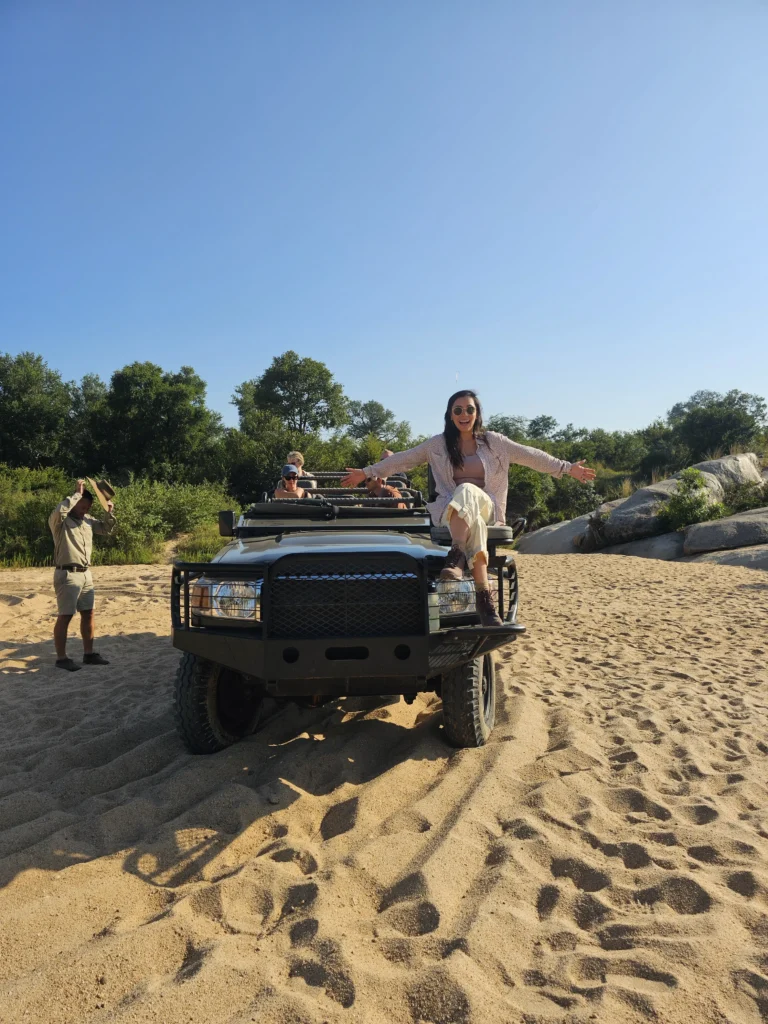
Addressing the Fear of the Microworld: Bugs and Other Challenges
Often, concern about the lion overshadows the fear of bugs and insects, which is a common and valid anxiety.
It is true that insects and other small animals are a natural and unavoidable part of African wildlife. However, on an ethical and professional safari, this risk is meticulously managed. To protect yourself from bites and reduce direct contact, it is recommended to wear appropriate clothing (long sleeves and trousers, especially at dusk).
The use of a reliable and effective insect repellent is highly recommended and should be applied to exposed skin regularly. High-quality lodges also implement rigorous sanitation protocols and mosquito nets. By addressing and mitigating these secondary concerns, we reaffirm Experience Designer’s authority in all aspects of environmental safety, not just against large predators.
| Ari’s Golden Rule | Practical Action | Safety Rationale |
|---|---|---|
| Stay Together | Always remain seated inside the vehicle. Never extend arms or heads outside. | Maintains perception as non-edible/non-threatening object. |
| Sensorial Discipline | Speak in whispers. Avoid sudden movements. Silence notifications. | Prevents provoking defensive or aggressive behavior from the animal. |
| Feeding Ethics | Never offer food. Do not attempt to touch or interact with wildlife. | Prevents the animal from developing dependence or aggression toward humans. |
| Guide Authority | Follow the guide’s instructions promptly and without question. | The expert guide is your main safety net and knows danger patterns. |
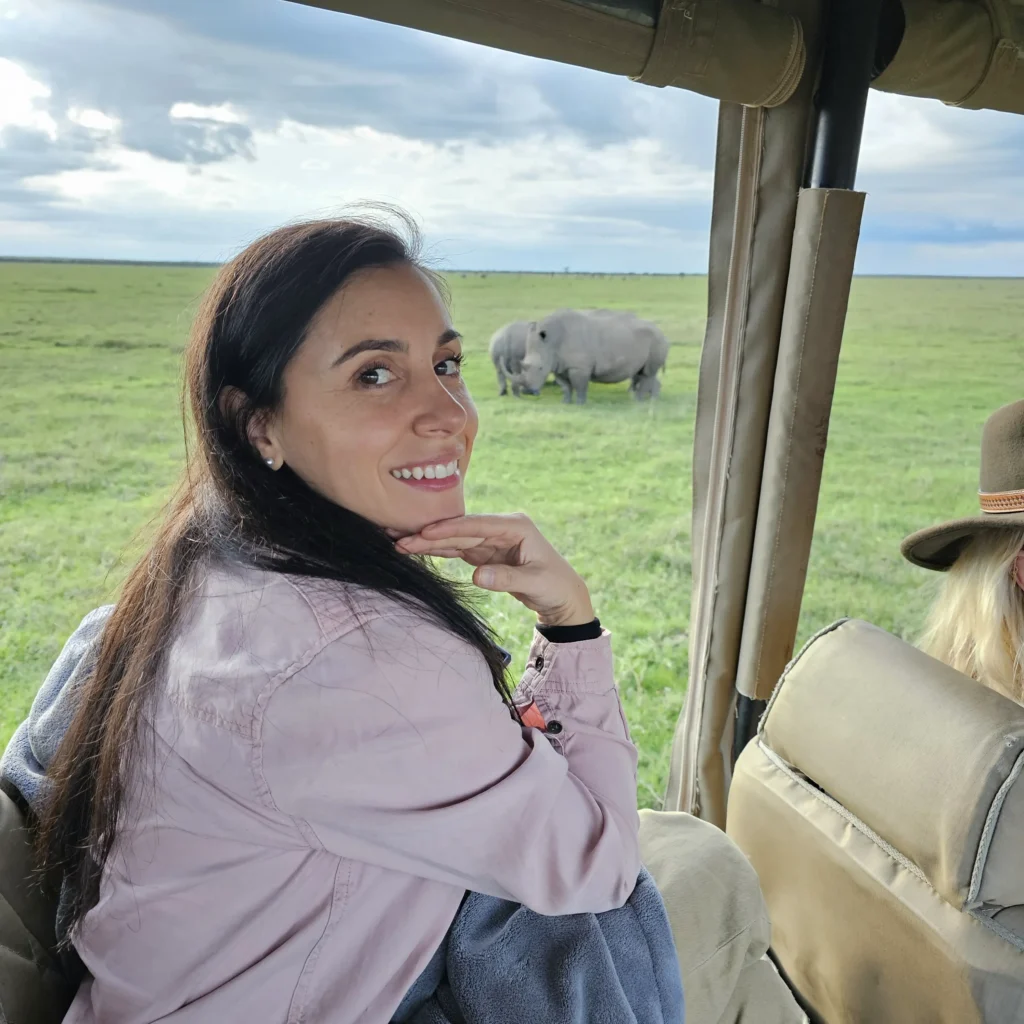
The Ethical Choice: Sustainability, Community, and Accommodation
As your experience designer, I firmly believe that the best way to travel is consciously. The question isn’t just whether you’re safe, but whether your presence is safe and beneficial for Africa.
A Transformative Journey: The Heart of Sustainability
Your safari trip, when planned responsibly, is perhaps the only type of vacation where the mere fact of going already makes a palpable difference.
Tourism is the most effective conservation tool available. Tourist spending on safaris generates significant revenue that supports both local economies and national conservation efforts. These funds are essential. Park entrance fees and lodge stays directly finance the fight against poaching, breeding programs, and the establishment of wildlife sanctuaries.
For example, in South Africa’s Kruger National Park, anti-poaching units are funded directly by park fees, helping to protect critically endangered species such as rhinos. Similarly, revenue from Tanzania’s Serengeti, which amounts to millions of dollars annually, is reinvested in infrastructure and community development projects.
By choosing an ethical safari, you become a global ambassador for conservation. The wildlife experience has the power to transform visitors into passionate advocates, raising global awareness and attracting essential donations.
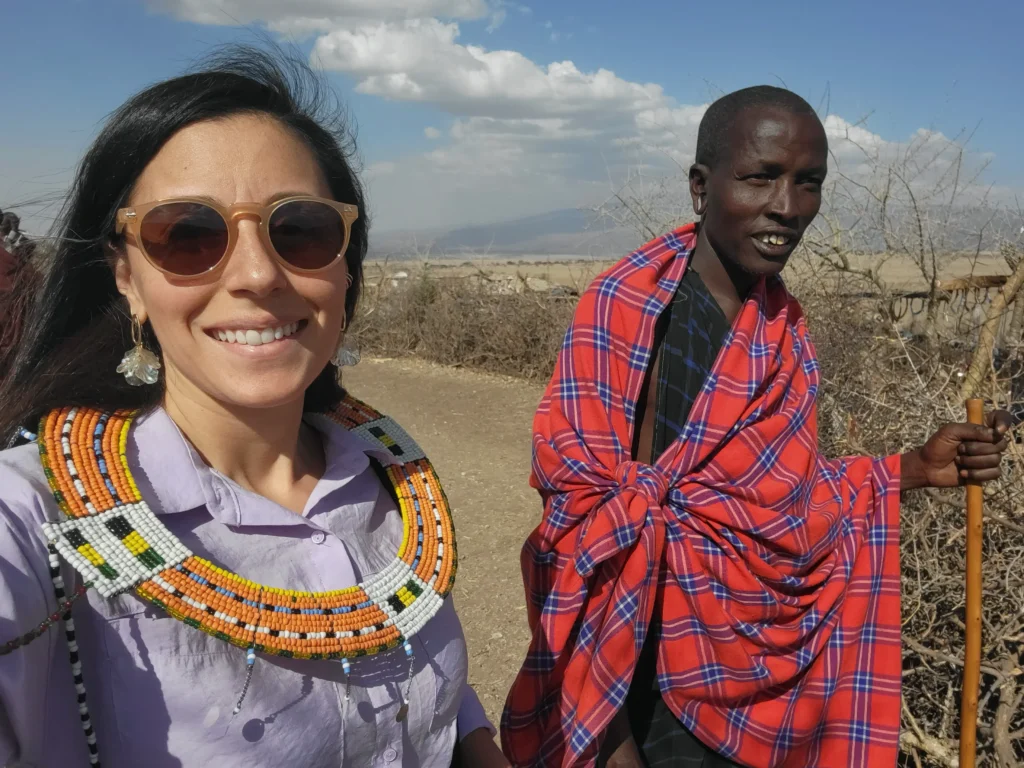
Accommodations with Purpose: The Commitment to Give Back to the Community
Choosing your accommodation is a political and ethical act with direct consequences. At Experience Designer, we prioritize working with establishments that demonstrate a genuine commitment to sustainability and giving back to the communities they serve.
Local Direct Investment
To ensure that economic benefits remain within the region, it is crucial to choose locally owned and managed accommodations. These places not only offer a more authentic cultural experience, incorporating traditional knowledge into their cuisine and construction, but also guarantee that your money helps reduce poverty and improve the quality of life for local residents. By creating well-paid, local jobs (guides, rangers , lodge staff ), the likelihood of communities resorting to poaching or unsustainable land-use practices is reduced.
The Community Conservancy Model
One model I strongly support is that of Community Conservancies . For example, in Kenya, areas like Olare Motorogi lease land directly to communities (such as the Maasai), guaranteeing a steady flow of income for them in exchange for preserving ecosystems. This is a win-win model that prioritizes local control and habitat preservation.
In addition to community engagement, lodges must adhere to high environmental standards. This includes minimizing their carbon footprint, using renewable resources, and developing circular models to minimize waste. We work only with suppliers who use materials with responsible forest management certifications, such as FSC and PEFC.
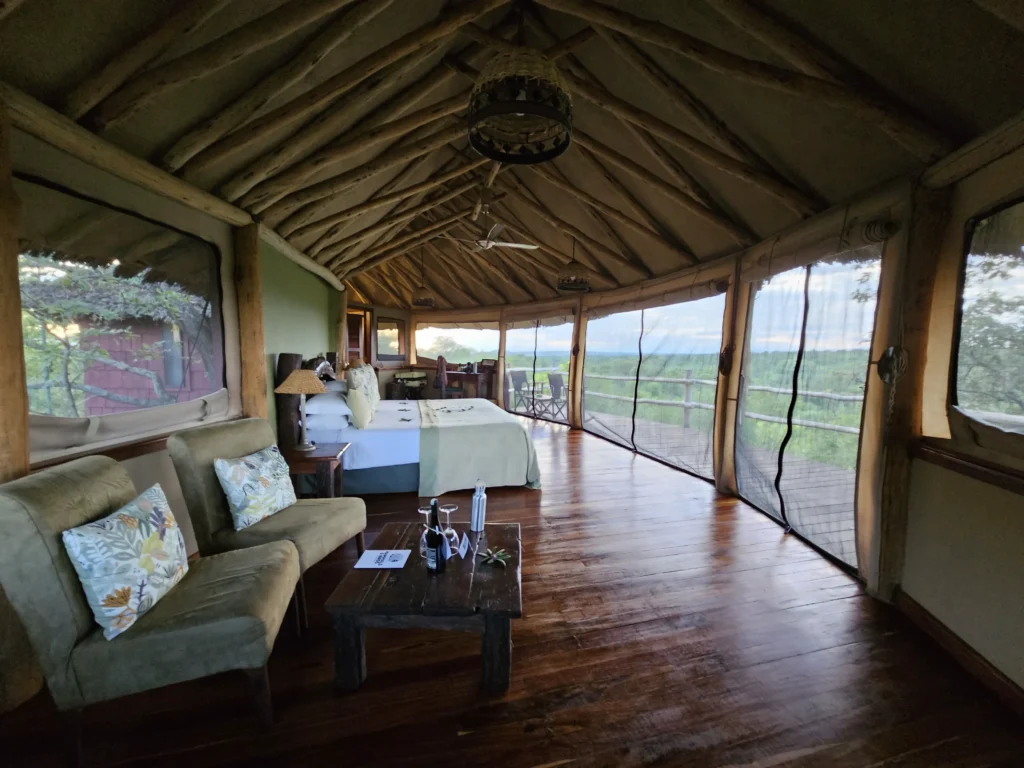
Enclosed Lodges vs. The Adrenaline of the Natural Fence
A common concern is nighttime safety: Is it safe to sleep in an unfenced lodge in Africa?
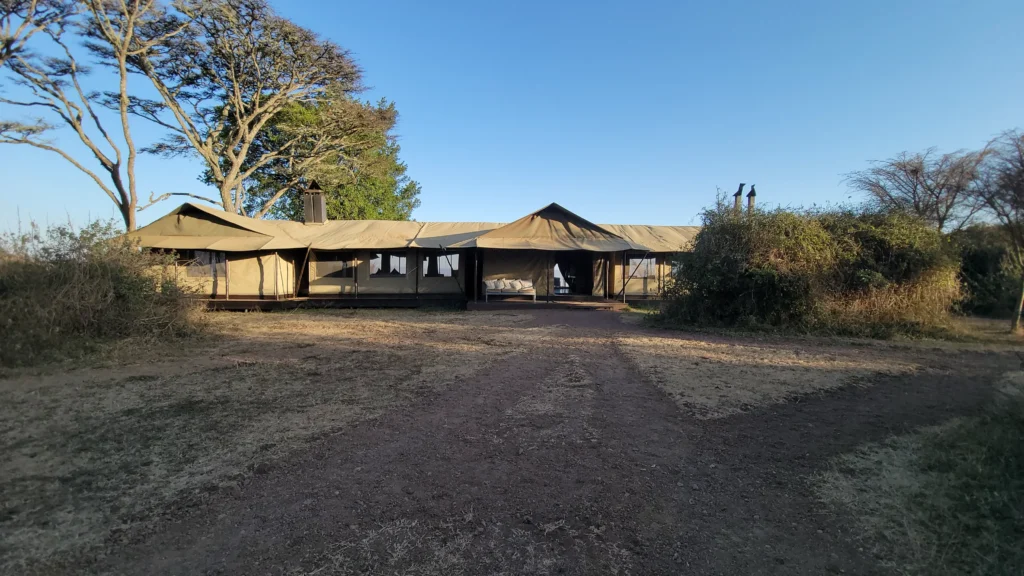
Many of the most authentic and luxurious campsites, especially those within the most immersive Conservancies and National Parks, lack perimeter fences. This absence of an artificial barrier is designed to offer a fully immersive experience, where guests can feel the presence of wildlife just a few feet away, stimulating the senses in a unique way.
This controlled proximity is the epitome of luxury and adventure, made possible by rigorous protocols and the constant presence of professional rangers who escort guests to their tents or cabins. While it’s true that a scorpion or snake might appear at any accommodation , the risks associated with larger wildlife are managed by human expertise.
The fact that we dare to take our travelers to unfenced campsites underscores our confidence in our team. Safety at these accommodations becomes a luxury service, reinforcing the need for a high-quality operator like Experience Designer—one that prioritizes excitement, but never at the expense of security.
National Park vs. Conservancy: Designing Your Tailor-Made Experience
My role as an experience designer is to help you choose the setting that best suits your travel style. The choice between a National Park and a Private Reserve ( Conservancy ) defines the atmosphere of your safari, the activities you can enjoy, and the impact of your investment.
The Big Difference and Access Regulations
National Parks
National parks are large areas managed by the government. They offer vast landscapes and often feature spectacular concentrations of wildlife. However, they are subject to strict regulations. They have extensive road networks and, due to government management, are open to a less restricted flow of tourism in terms of the number of people and vehicles.
Conservancies and Private Reserves
Conservancies (often community land concessions) and private reserves offer a superior safari experience in terms of exclusivity . They are characterized by a much lower vehicle density, meaning you won’t have twenty jeeps vying for a single sighting. Furthermore, their approach is typically designed to provide personalized experiences and, crucially, strong direct support for local communities.
Flexibility of Activities and Quality Experience
Logistical limitations in National Parks can restrict the traveler’s immersion.
In a National Park, activities are usually limited to daytime game drives , as gates have fixed entry and exit times, and night driving (a key activity) is prohibited. Walking, horseback, and canoe safaris are also not allowed in these areas.
Conversely, choosing a Conservancy opens up a range of possibilities that transform the trip:
- Night Drives (Night Safaris): One of the great advantages is the possibility of going on safaris after dark. The bush comes alive with a new “batch” of nocturnal creatures, offering the best opportunity to spot elusive species such as the leopard, civet, aardvark, or bushbaby .
- Tailor-made Activities: The Conservancies allow walking safaris and experiences that bring you closer to nature in a more intimate way, such as canoeing or horseback riding on selected properties.
- Photographic Exclusivity: The low density of vehicles ensures intimate and high-quality sightings, essential for wildlife photography enthusiasts.
| Feature | National Park | Conservancy / Private Reserve | Key Benefit for the Traveler (Ari) |
|---|---|---|---|
| Tourist Flow | High volume (Mass experience). | Exclusivity (Low vehicle density). | Intimate sightings without crowds. |
| Off-Roading | Prohibited (Restricted to roads). | Allowed with strict protocol. | Close encounters and better photography opportunities. |
| Activities | Limited to daytime Game Drives. | Night Drives, Walking Safaris, tailor-made experiences. | Greater immersion and chance to see nocturnal wildlife. |
| Community Support | Indirect (general fees). | Direct (land leasing, local investment). | Direct and verifiable contribution to sustainability. |
Off-Roading: When and Why? The Balance Between Luxury and Ethics
Off -roading is the most debated topic. In a National Park, it is strictly prohibited. However, in most Private Reserves (such as Thornybush or specialized concessions like Kwara and Ndutu), it is permitted and is one of the main attractions.
The Luxury of Getting Closer
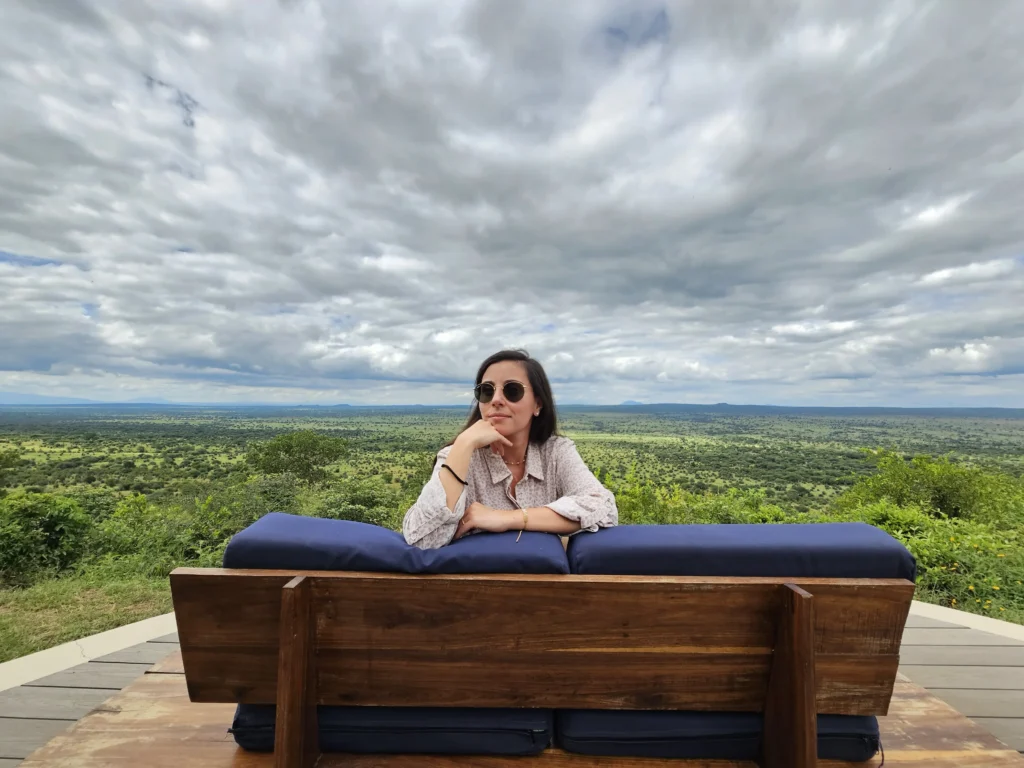
For the traveler, off-roading allows our four-wheel-drive vehicles to venture beyond the well-maintained dirt roads. This provides superior viewing angles and, crucially, allows for closer encounters with important wildlife (such as a leopard or cheetah with prey), a possibility that would be impossible within a national park.
The Ethical Dilemma and Impact Mitigation
While it offers a superior experience, off-roading is a privilege that must be exercised with the utmost ethical awareness. Science has shown that off-road vehicle traffic can have negative environmental impacts. It can compact the soil, altering the composition of certain plant species. More importantly, it can negatively impact small fauna and microhabitats, affecting the abundance of species such as lizards, amphibians, and reptiles.
For Experience Designer, we only support off-roading in areas regulated by private concessions where the guide has received extensive training in minimizing harm. This means we prioritize the client experience (the luxury of a close-up sighting) only if it is balanced with environmental awareness. Our guide will know when to stop or reverse to ensure the sighting is not achieved at the expense of the ecosystem’s microscopic life.
This balance between exclusivity and ethics is, in fact, the key to the business model we promote. Your desire for exclusivity and luxury, which is only possible at the Conservancies , directly funds the ethical land-sharing model with local communities. This transforms your trip into a powerful force for positive conservation.
My Personal Closing: Your Adventure Awaits
Dear traveler, I hope this deep dive has dispelled your fears and rekindled your curiosity.
Safety on an African safari is not an act of faith, but an applied science. It is the result of decades of protocols, the systematic habituation of the wildlife, and, above all, the unparalleled expertise of the field guides. If you travel with certified experts, maintain your discipline (low voice, perfect posture), and trust in animal behavior, the experience will be profoundly safe. Fear is understandable, but the risk is managed at a professional level that will allow you to relax and enjoy the majesty of Africa.
At Experience Designer, our expertise covers all angles:
- Ethology: We understand the mind of the lion and how to ensure that the vehicle remains that invisible “rock”.
- Ethical Logistics: We prioritize Conservancies and Private Reserves not only to give you an exclusive experience, but because we know they are the most effective model for community development and conservation.
- Sustainability: We ensure that every dollar you invest is an active tool for protecting wildlife and giving back to the communities that live on the borders of these natural treasures.
Africa awaits you. Don’t let unfounded fear hold you back. I’m here to guide you on the journey of a lifetime, ensuring every step is safe, ethical, and unforgettable.
Are you ready to design your experience? Let’s talk about how we can start planning your encounter with the savanna.


Leave a Reply