

On July 28, 2026, Uganda’s Ministry of Health made the announcement a lot of travelers had been refreshing their inbox for: the country is officially Ebola-free.
If Uganda was on your list and you quietly shelved it over the last couple of months, this post is for you. I’ll walk you through exactly what happened, what the declaration means, the one honest caveat you should actually know, and what a trip to Uganda looks like right now — because this is, without hyperbole, one of the most extraordinary destinations in Africa, and the reason is exactly the part almost nobody explains well.
What Actually Happened
In May 2026, Uganda confirmed Ebola cases imported from the neighboring Democratic Republic of Congo (DRC). The outbreak involved a strain called Bundibugyo virus. Uganda’s response was, frankly, a case study in doing it right: they traced the source, mapped every contact, isolated patients, and monitored every exposed person through the full required period.
The final numbers: 20 confirmed cases, 18 recovered, 2 deaths. The last patient was discharged on June 16, 2026. From there, Uganda completed the World Health Organization’s mandatory 42-day surveillance window — two full incubation cycles — with zero new cases. Once that clock ran out, the official declaration came on July 28.
For context: Uganda’s past Ebola outbreaks have been considerably larger. Containing this one at 20 cases says a lot about a health system that knows exactly what it’s doing.
The Honest Caveat You Should Actually Know
I’m not going to sell you half a picture, because that’s not how I operate and because you’re going to check anyway.
Uganda is clear. The DRC next door is not. The outbreak in the Democratic Republic of Congo — the source of the imported cases — is ongoing and has been declared a global health emergency. That doesn’t change Uganda’s status, but it does explain why Uganda’s own Health Minister asked citizens to “remain alert” even after the declaration. Worth repeating exactly, because it’s the responsible framing: cleared, not complacent.
What that actually means for your trip:
- Uganda’s tourist circuit is nowhere near the problem border. Gorilla trekking (Bwindi, Mgahinga), the savanna parks (Queen Elizabeth, Murchison Falls), and the classic routes sit well outside the zone the outbreak touched.
- Uganda suspended transport and flights with the DRC as a precaution during the outbreak, and border controls remain tightened. That’s a meaningful part of why containment worked.
- Itinerary design matters here. Part of what I do is build routes that stay in verified, safe zones and keep an eye on official health advisories right up to departure. That’s not improvisation — it’s planning that’s actually paying attention.
Said plainly, with the caveat on the table: Uganda is, today, a safe destination for travelers, and the official declaration backs that up. Everything else is good planning.
Why Uganda Is Absolutely Worth It
Now for the good part — and it’s a genuinely great part.
Uganda is one of those destinations people underrate until they’ve actually been. Winston Churchill called it “the Pearl of Africa” over a century ago, and the nickname stuck because it’s accurate: lush, mountainous, green in a way that surprises people expecting savanna, and home to one of the most profound wildlife experiences on the planet.
Mountain Gorilla Trekking
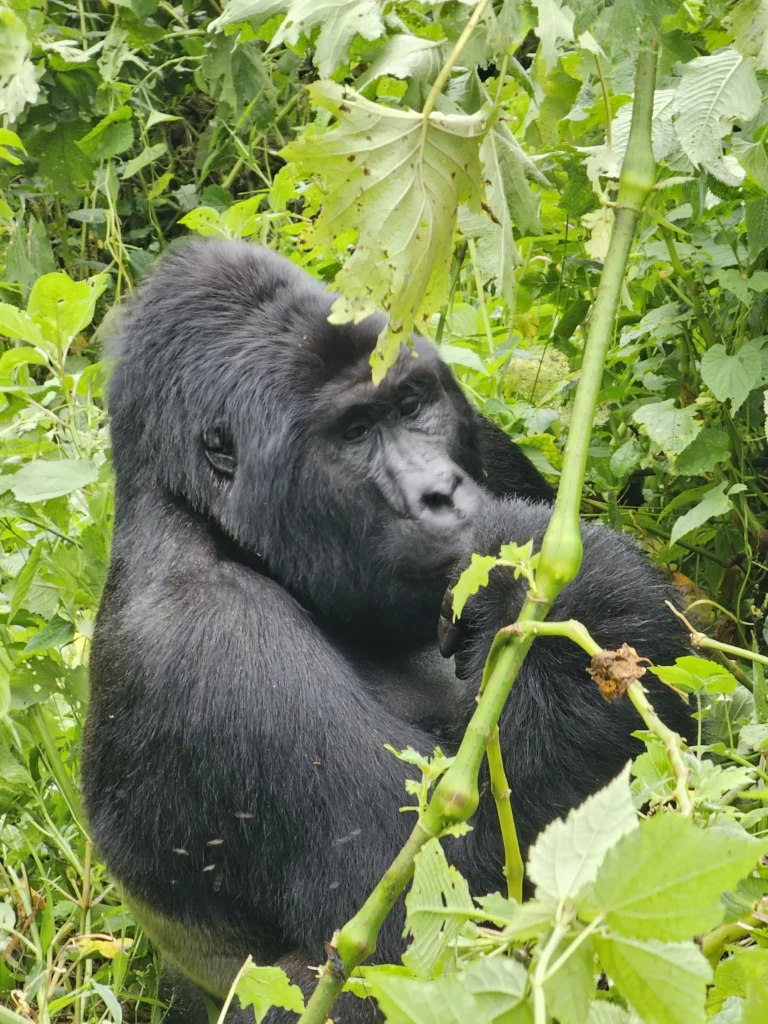
This is why most people go to Uganda, and it fully earns the hype. There are just over a thousand mountain gorillas left in the world, and Uganda holds roughly half of that population, split between Bwindi Impenetrable National Park and Mgahinga.
The trek involves heading into the forest with a guide and tracker until you locate a gorilla family habituated to human presence. Then you get one hour with them. One hour, a few meters from a 400-pound silverback looking at you with a calm that rearranges something in your chest. No barrier, no glass. It is, without exaggeration, one of the most genuinely transformative experiences I get to design for anyone.
It requires a limited, government-regulated permit (kept scarce on purpose, to protect the gorillas), reasonable fitness for the hike, and lead time. None of that gets solved in a flight search engine.
Chimpanzee Trekking
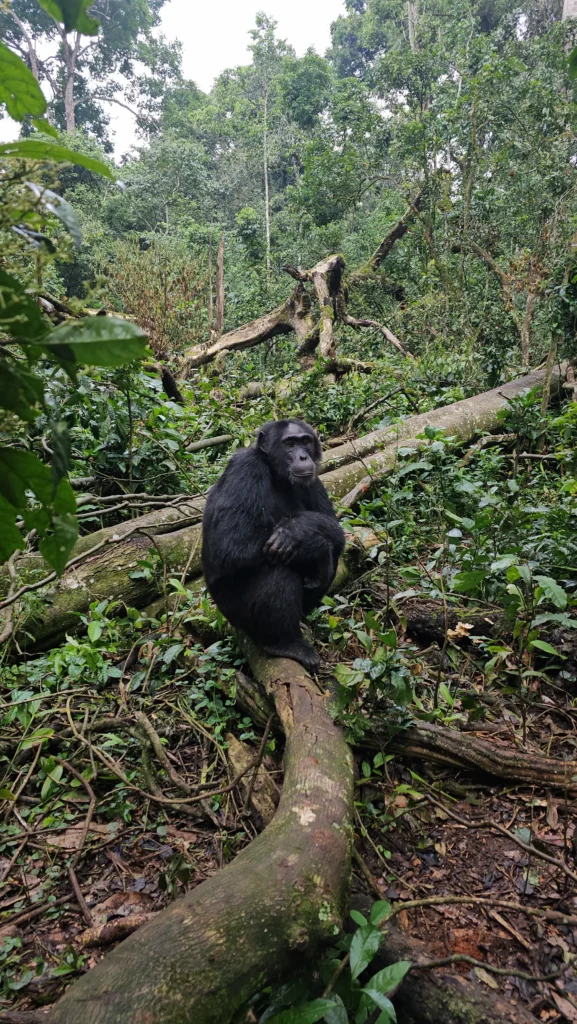
Kibale Forest offers one of the best chimp treks in Africa. It’s physically easier than gorilla trekking and pairs beautifully as a companion experience — two great apes, one trip.
Classic Savanna
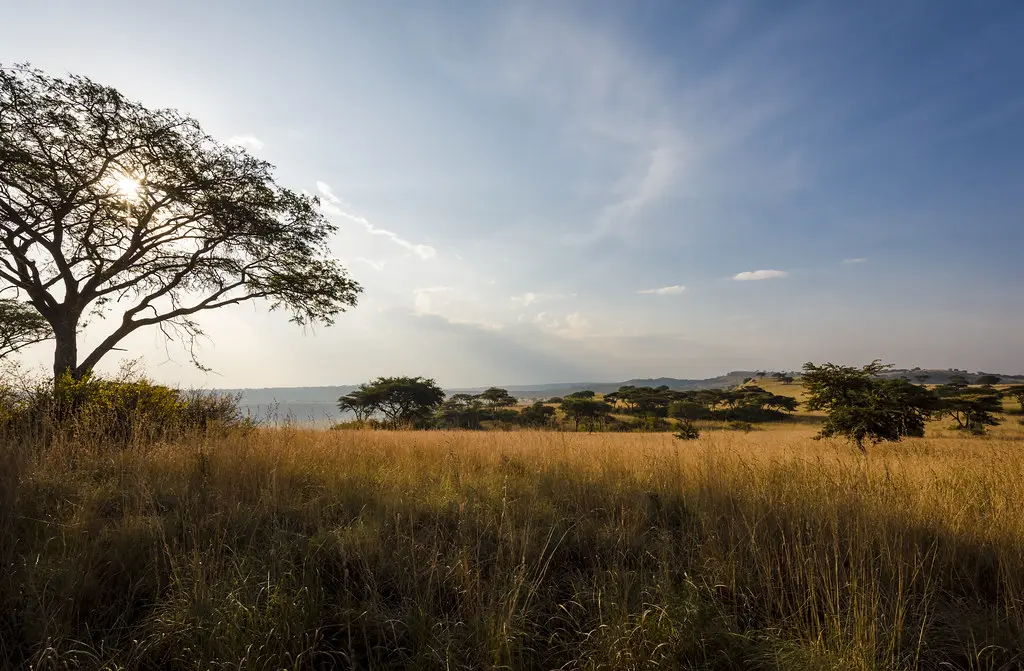
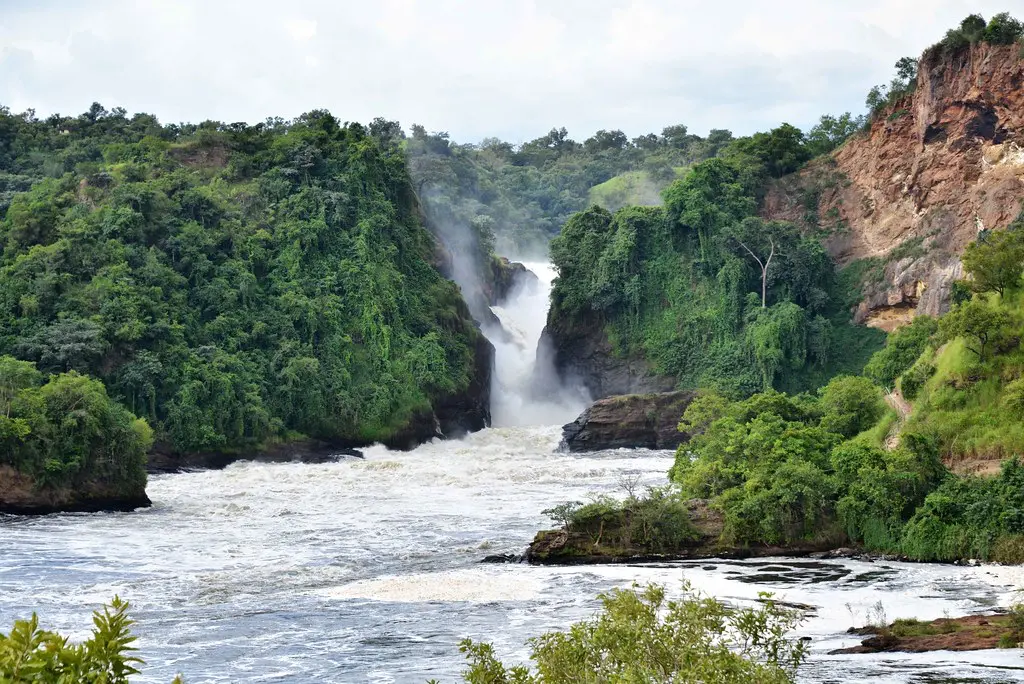
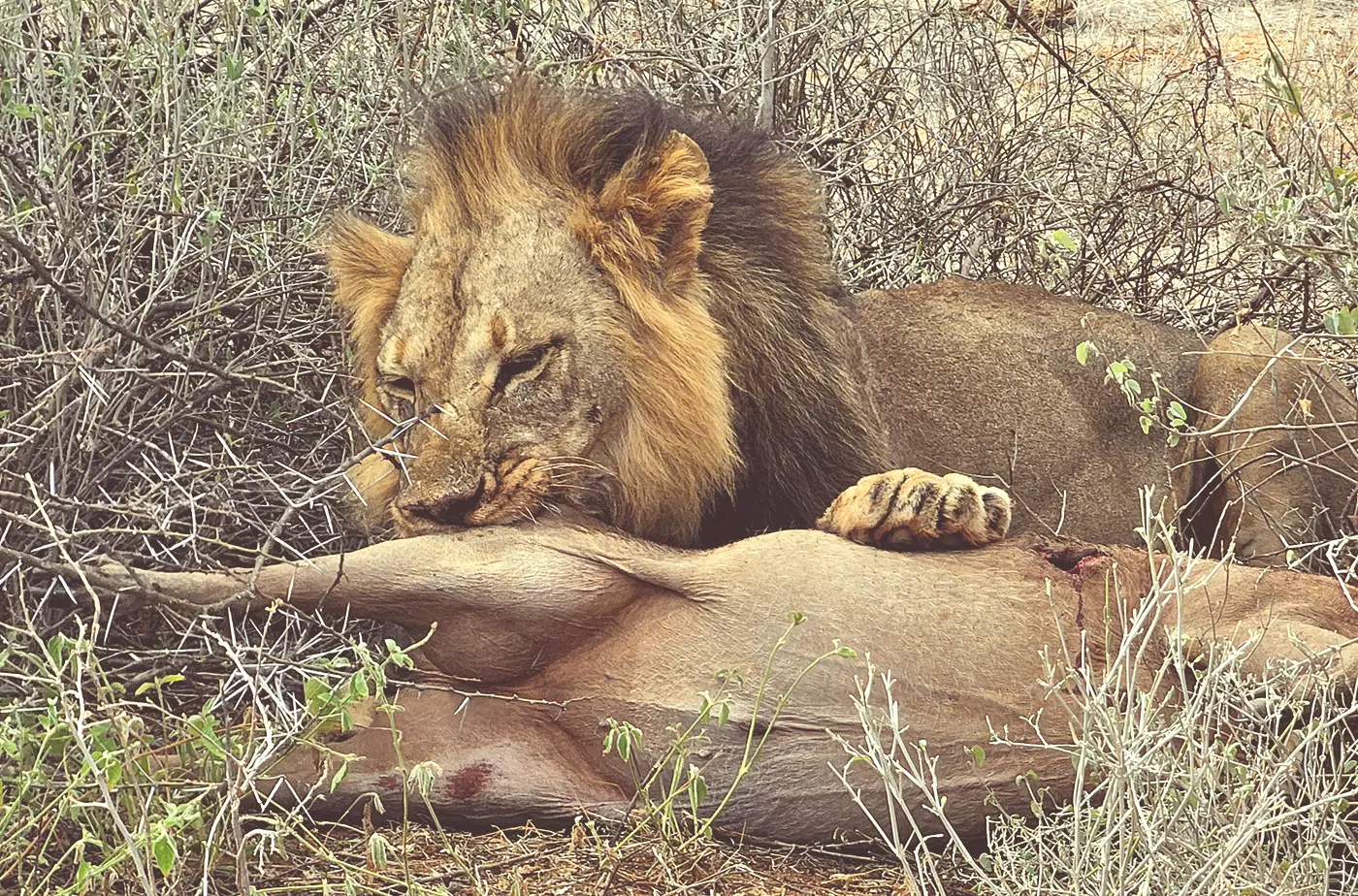
Queen Elizabeth National Park has the famous tree-climbing lions of Ishasha, and Murchison Falls delivers the spectacle of the entire Nile squeezing through a seven-meter gorge before it drops. Uganda isn’t just primates — it’s a full safari.
The People
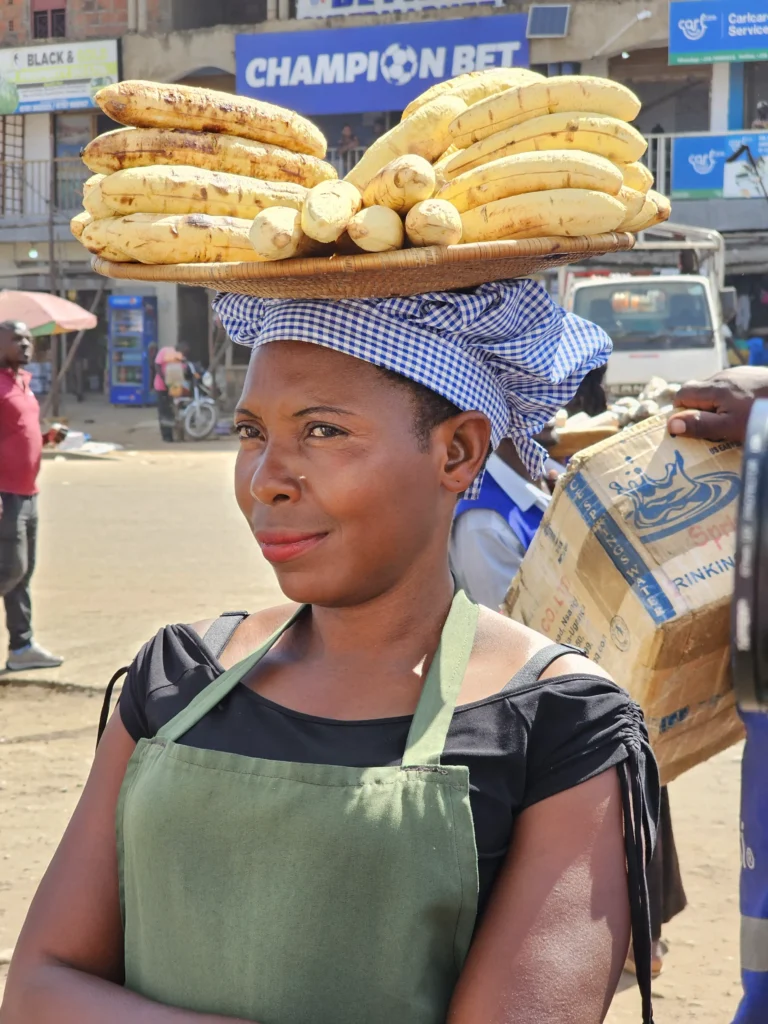
I say this on every Uganda trip I design, and I’ll say it here too: Ugandans are consistently among the warmest people you’ll meet anywhere you travel. That warmth is part of the experience, not a footnote to it.
A Uganda Itinerary That Actually Makes Sense
A starting point at 8–9 days, built for someone going primarily for the gorillas but wanting a real taste of the whole country. As always, I adjust it to your dates, pace, and budget.
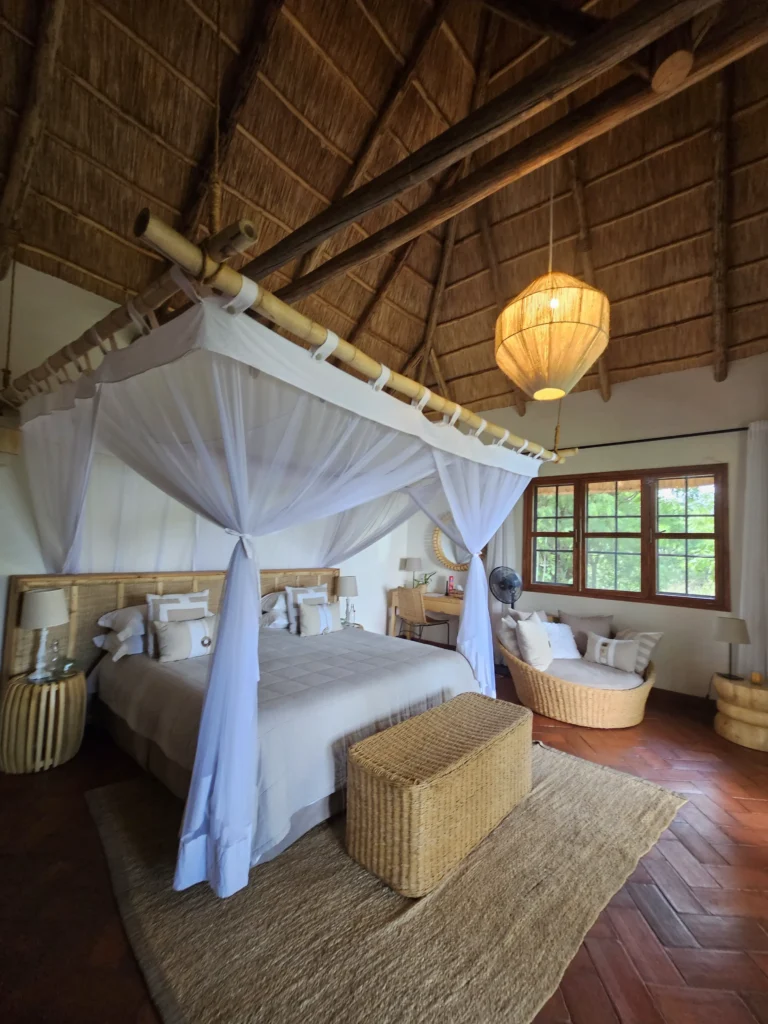
- Day 1: Arrive Entebbe. Lakeside lodge on Lake Victoria to shake off the flight.
- Day 2: Transfer to Kibale National Park. Free afternoon or a walk through Bigodi Wetland Sanctuary (excellent birding).
- Day 3: Morning chimp trek in Kibale. Transfer toward Queen Elizabeth National Park.
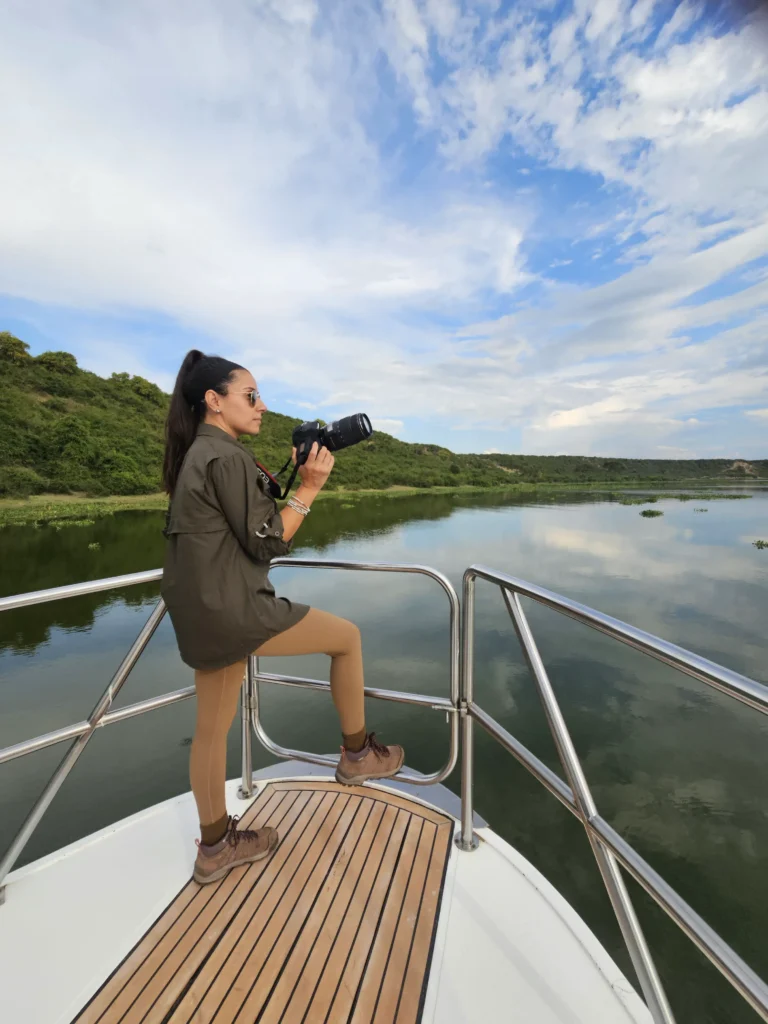
- Day 4: Safari in Queen Elizabeth — boat cruise on the Kazinga Channel (elephants, hippos, birdlife) and a search for the tree-climbing lions of Ishasha.
- Day 5: Scenic transfer to Bwindi, through mountain landscapes and tea plantations.
- Day 6: The big day: mountain gorilla trekking in Bwindi. One hour with a gorilla family.
- Day 7: A cultural day with the Batwa community, or a second gorilla permit for anyone who wants to go again (and yes, a lot of people want to go again).
- Day 8: Return to Entebbe. Final night.
- Day 9: International departure.
Extensions worth considering: pair it with a Rwanda safari (gorillas exist on that side too, with different logistics), add the Murchison Falls savanna days, or close with a few days on the beaches of Zanzibar. All of that gets built around what you actually want.
Visas and Documentation
Uganda runs on an e-Visa system applied for online before departure. Many travelers opt for the East Africa Tourist Visa, which covers Uganda, Kenya, and Rwanda under a single application — genuinely convenient if you’re pairing Uganda’s gorilla trek with a Kenya or Rwanda safari. Proof of yellow fever vaccination is also recommended for entry. Since immigration and health requirements can shift, we confirm the current status when we plan your trip.
Why Now, Specifically
There’s a real window open right now. A lot of people who wanted to go to Uganda put it on hold during the outbreak months. With the official Ebola-free declaration, that pent-up demand is about to reactivate — and gorilla permits are naturally limited. There’s no version of “everyone books at once” that doesn’t translate into harder-to-get permits.
If Uganda was on your list and you were just waiting for the green light, this is the green light. And planning early is the difference between getting your ideal dates and settling for whatever’s left.
Let's Design Your Uganda Trip
Gorilla permits, the right lodges near each trekking point, mountain-road transfers, staying current on health advisories — this is exactly what a travel designer does and a flight search engine doesn’t.
Tell me your dates and who’s traveling. I’ll make sure Uganda receives you the way it should.
Your Questions, Answered
Is Uganda safe to visit after the Ebola outbreak?
Yes. On July 28, 2026, Uganda officially declared the end of its Ebola outbreak after completing the WHO’s mandatory 42-day surveillance period with zero new cases. The main tourist circuit — gorilla trekking in Bwindi, chimp trekking in Kibale, and the savanna parks — sits well outside the border zone where the imported outbreak occurred.
When did Uganda's Ebola outbreak end?
The outbreak was declared in May 2026 following imported cases from the DRC, and officially ended on July 28, 2026. There were 20 confirmed cases total: 18 recovered, 2 deaths. The last patient was discharged on June 16, 2026.
Is Ebola still active in the region?
Uganda is Ebola-free, but the neighboring Democratic Republic of Congo has an ongoing outbreak declared a global health emergency. That’s why itinerary design prioritizes verified, safe zones, with official health advisories monitored right up to departure.
How much does gorilla trekking in Uganda cost?
Uganda’s gorilla permit has a government-regulated cost, separate from the rest of the trip — lodges, transfers, guides. Since pricing and availability shift, we confirm current figures when planning your itinerary. Use our calculator for a full-trip estimate.
What's the best time for gorilla trekking?
Gorilla trekking runs year-round, but the drier seasons — roughly June through August and December through February — offer less muddy trails and a more comfortable hike. Gorillas are present in any season.
Do I need a visa for Uganda?
Yes. Uganda uses an online e-Visa system. There’s also the East Africa Tourist Visa, covering Uganda, Kenya, and Rwanda in a single application — ideal if you’re combining destinations. Proof of yellow fever vaccination is recommended.


Deja un comentario