

The memory of the cold wind on my cheeks and the sound of the absolute silence of the Icelandic highlands still echoes in my mind. I always say it: true luxury isn’t about gold, but about silence and those unexpected moments that change the way you see the world.
If you’re reading this, it’s because we share a dream. And I have incredible news: if you’re planning your trip for 2026 or 2027 , you’ve chosen the perfect time. Although the “solar maximum” occurred recently, science tells us that the years right after the peak are the best. So-called “coronal holes” appear, which release more stable solar winds and create more frequent and longer-lasting auroras. We’re in the golden age to witness this miracle.
If you’re ready to hunt the Northern Lights but don’t know where to start, I invite you to read my Personal Guide to Hunting the Northern Lights in Iceland.
When to go? A traveler's honesty
(Month by Month)
October: My Best Kept Secret
If you ask me for a friend’s advice on choosing the month, I have to confess something: October is the big favorite that few consider.
Why? Because it’s the perfect balance. Unlike the deep winter of January or February, in October the weather is still kind to you. You have that autumnal crispness that allows you to walk along trails without a blizzard blocking your path, and the landscapes are tinged with reds and golds that seem straight out of a movie.
The best thing about October is that we already have nights dark enough to see the spectacular Northern Lights (around 15 hours of darkness), but we still have 8-10 hours of daylight to explore waterfalls, go whale watching, or even get lost in the Highlands before the roads close due to ice. It’s traveling without the stress of a snowstorm ruining your plans, but with all the magic of the sky ablaze.
December: The Mystical Winter (with a Royal Warning)
December is the month of the solstice and near-total darkness: up to 20 hours of night. And yes, that sounds perfect for the Northern Lights… but Iceland never gives anything away without asking for something in return.
The magic: utterly white landscapes, villages illuminated with Christmas spirit, and blue ice caves at their most beautiful. It’s Iceland straight out of a fairytale.
What you should know: the weather is a real gamble. Snowstorms, road closures, and barely 4 or 5 hours of actual daylight for exploring. It’s a spectacular month if you travel with flexibility and patience, but not ideal if you want to see “everything” without any surprises.
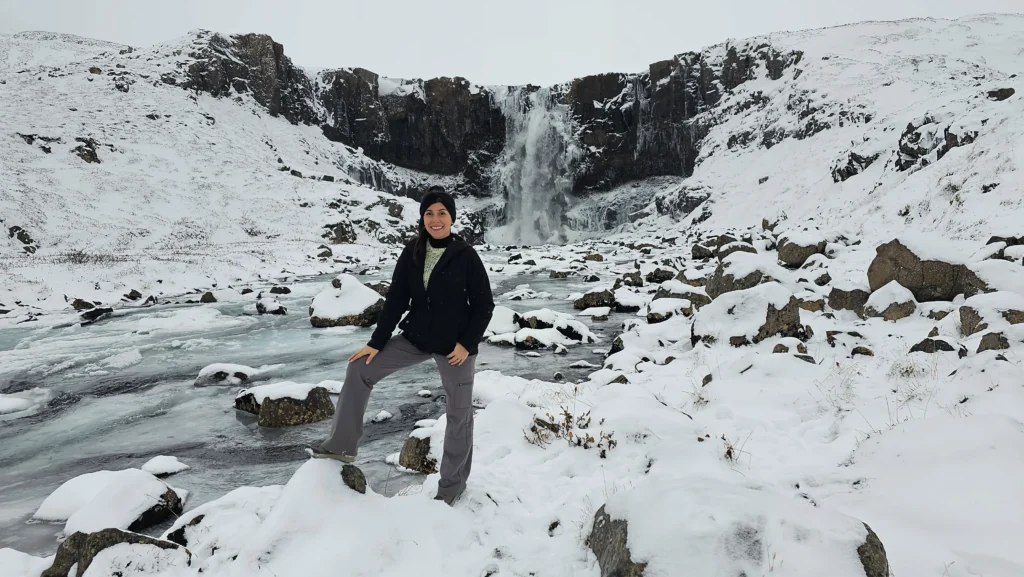
September and March: the magic of the equinoxes
These months are a well-kept secret among true aurora enthusiasts. During the equinoxes, the famous Russell-McPherron effect occurs , increasing geomagnetic activity and making auroras more intense and frequent.
September offers autumnal landscapes, less snow, and still manageable weather.
March , on the other hand, brings longer days and more accessible roads.
Ari’s tip: March is ideal if you want to combine the Northern Lights with a full road trip along the Ring Road without feeling like everything depends on the weather.
Group Trip
Ready to experience Iceland together?
My basic guide for any trip
November: the underrated month
November isn’t usually a favorite month… and that’s precisely why it can surprise you. The nights are already long, tourism drops considerably, and you’re not yet in the total chaos of deep winter.
The best: a good chance of seeing the Northern Lights, fewer crowds, and more affordable prices.
Things to consider: unpredictable weather and more subdued landscapes (less pristine snow, more darker tones).
Ideal for quiet, patient, and zero-mass travelers.
January: Auroras in their purest form
January is harsh, honest, and spectacular. It’s the coldest month, with incredibly long nights and perfect conditions for seeing the Northern Lights… weather permitting.
It’s not a month for improvisation or tight schedules, but it is for those seeking an intense, quiet, and very authentic experience.
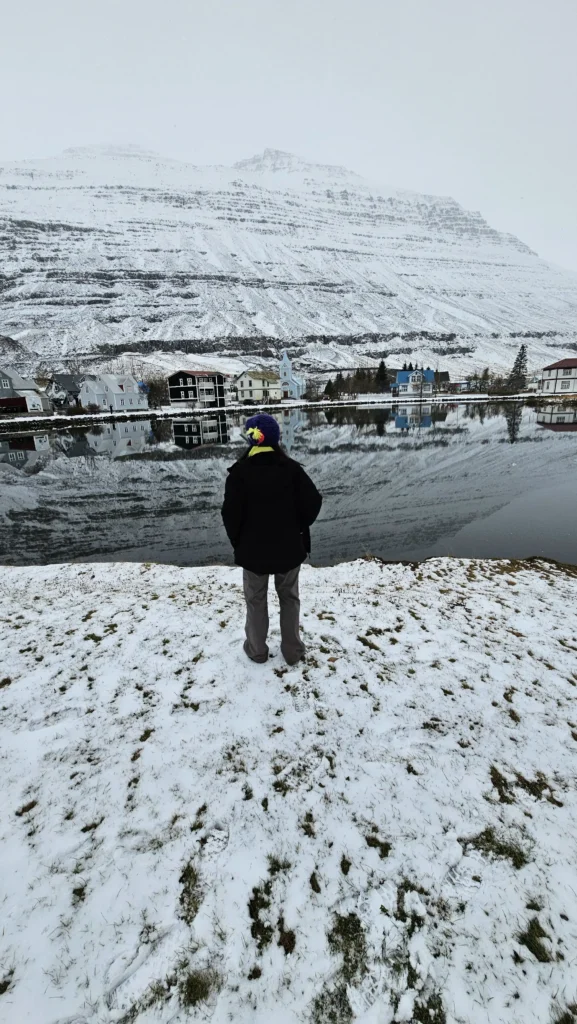
My Conscious Luxury Rituals
It’s not just about looking at the sky; it’s about how you feel while you wait.
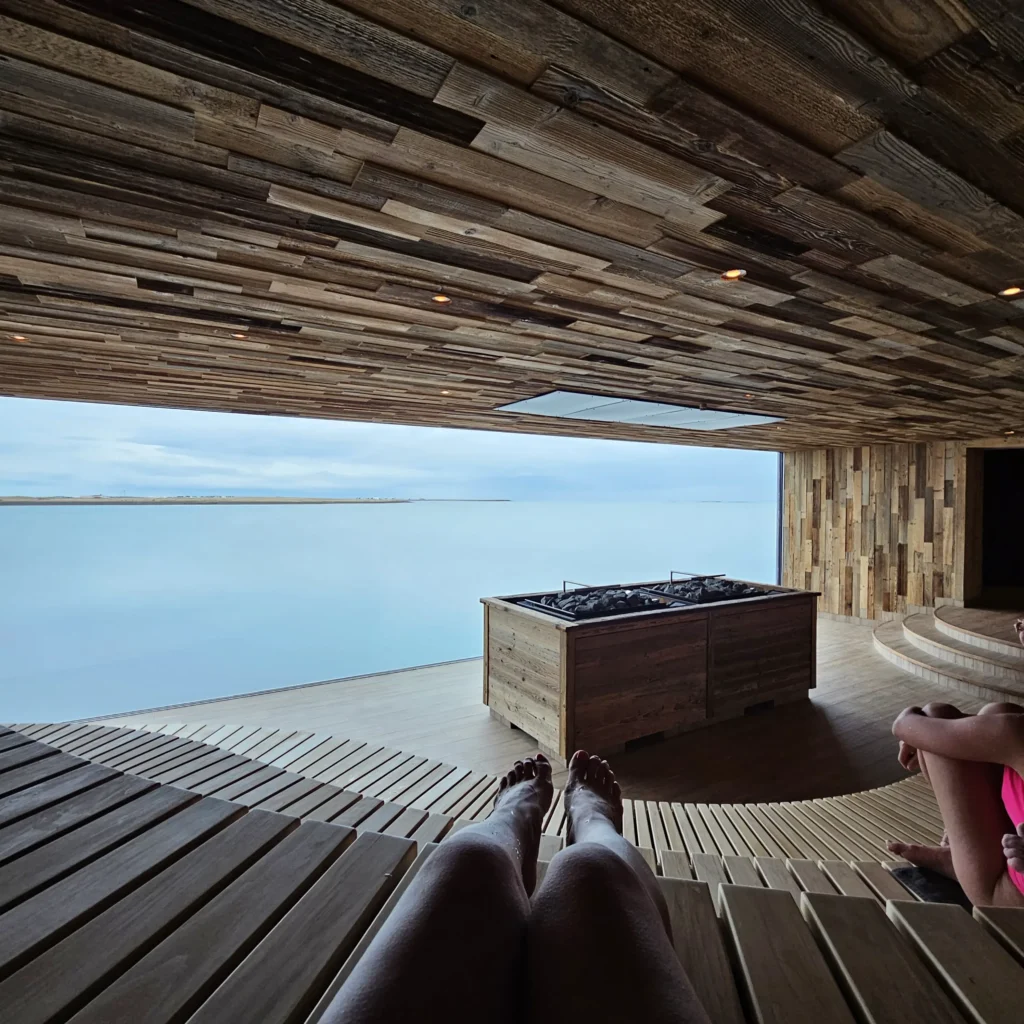
- The warmth of the earth: Forget your stress at the Sky Lagoon . Its 7-step ritual (which includes everything from a steam bath to exfoliation) is my favorite way to connect with the elements before heading out to “hunt” for the stars.
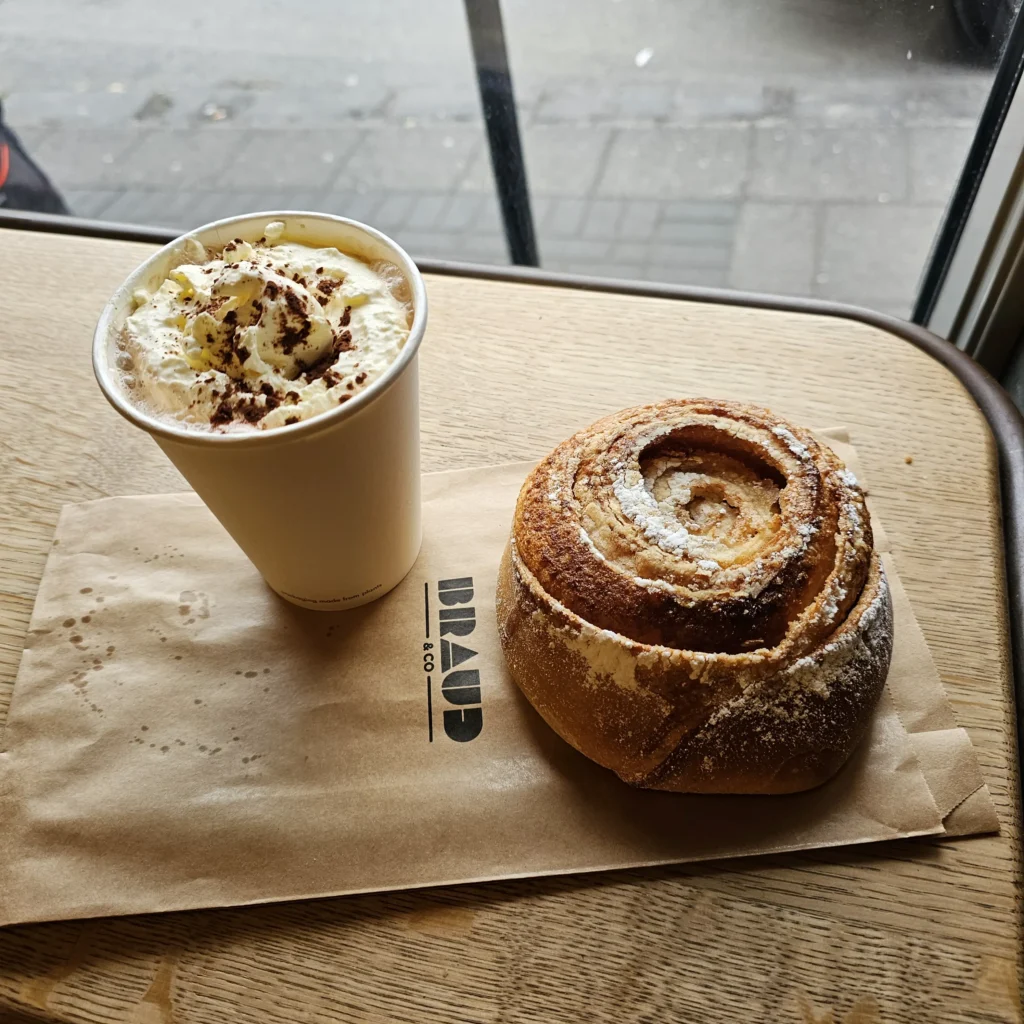
- Flavors that embrace: My must-stop in Reykjavik is Brauð & Co. You can’t leave the island without trying their freshly baked cinnamon roll; it’s the perfect fuel for chilly nights.
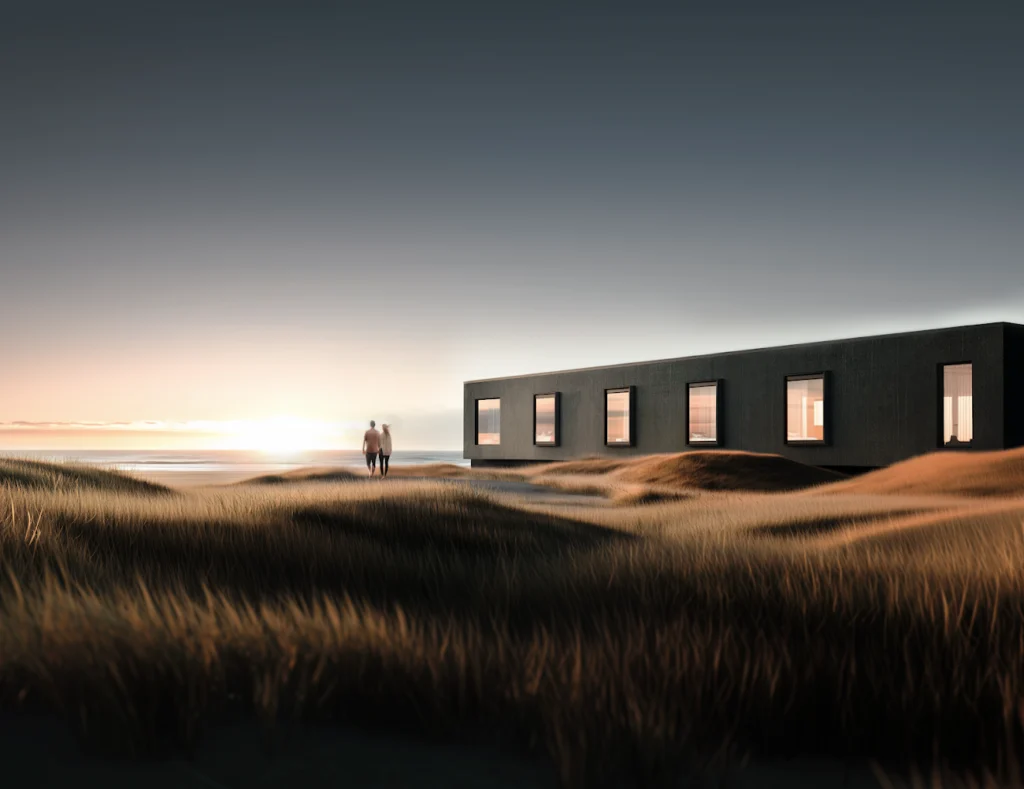
- An exclusive premiere: By 2026, I have my sights set on the Black Sand Hotel on the south coast. It will be the first beachfront boutique hotel designed to harmonize with the volcanic landscape. Imagine watching the Northern Lights from your bed overlooking the North Atlantic.
Travel insurance is a smart
and vital investment
Traveler's Notes: Your Suitcase and Your Drone
The layering system (The “Onion”)
In Iceland, there’s no such thing as bad weather, only unsuitable clothing. My golden rule is three layers:
Base: Merino wool (always, it doesn’t itch and it keeps you warm!).
Medium: An Icelandic sweater ( lopapeysa ) or a good fleece.
Outer layer: A jacket that is 100% waterproof and, above all, windproof.
If you’re packing your suitcase, I recommend reading my Guide to packing your winter suitcase.
Do you have a drone? (Pro Tip)
I know many of you, like me, want to capture these landscapes from the air. Iceland is a drone paradise, but the wind here is unforgiving. Always be sure to check the “No Fly” zones (especially in National Parks like Þingvellir) and be mindful of your battery; the extreme cold makes them drain much faster. If you want to learn more, don’t miss my guide to flying drones in Iceland.
Questions I always get asked
What is the best time to see the Northern Lights in 2026?
Although they can appear at any time of darkness, the peak is usually between 9:00 PM and 2:00 AM
Can you take photos with your mobile phone?
Yes! Use a tripod (it’s essential) and your camera’s “Night Mode.” The sensor will capture colors that your eyes sometimes only see as gray clouds.
Is it safe to travel through the volcanoes?
Absolutely. Iceland has some of the most advanced monitoring systems in the world. If there is any activity on the Reykjanes Peninsula, the authorities will guide you safely.
Iceland taught me that nature rules, and we are merely guests. Come with an open heart, prepare for the unexpected, and let the island transform you.
Ready for us to design this memory together? I’m here to make sure every detail of your trip has a purpose.
With all my love,
Ari Garduño


Leave a Reply