

Embracing the Magic of the Icelandic Winter
Do you dream of the Northern Lights dancing over snowy landscapes and crystal-clear ice caves? Iceland in winter is pure magic, but the secret to enjoying it to the fullest lies in your suitcase. We’ll reveal all the essentials, from the art of layering to the golden rules for being a responsible traveler. Get ready for the adventure of a lifetime, without getting cold.
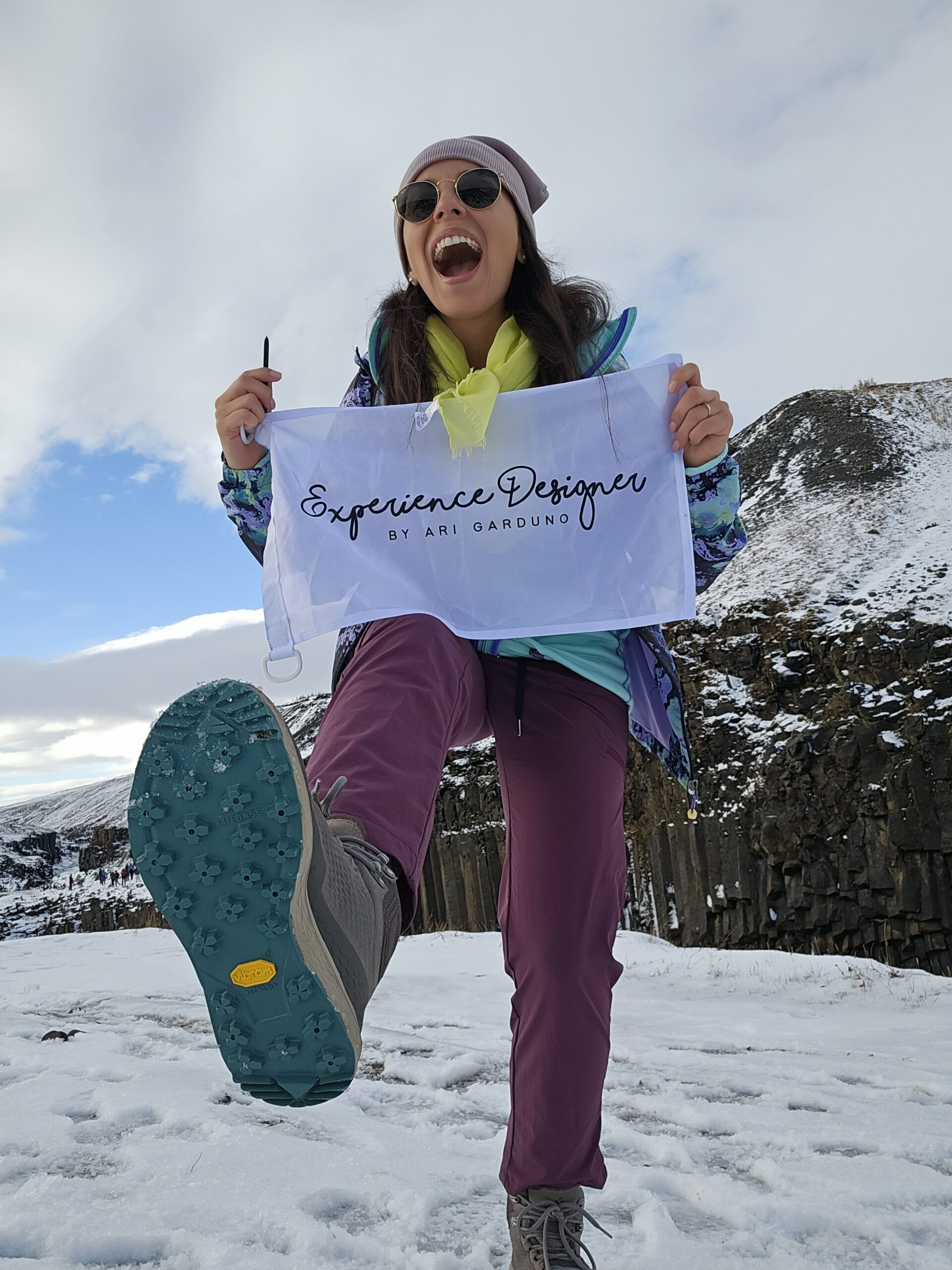

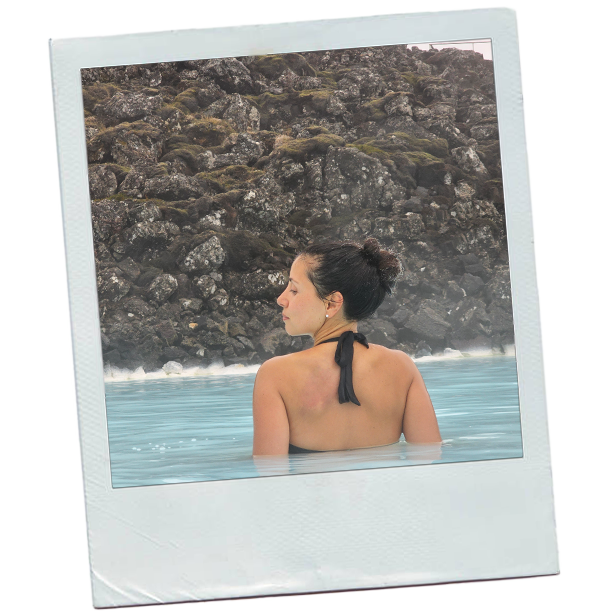
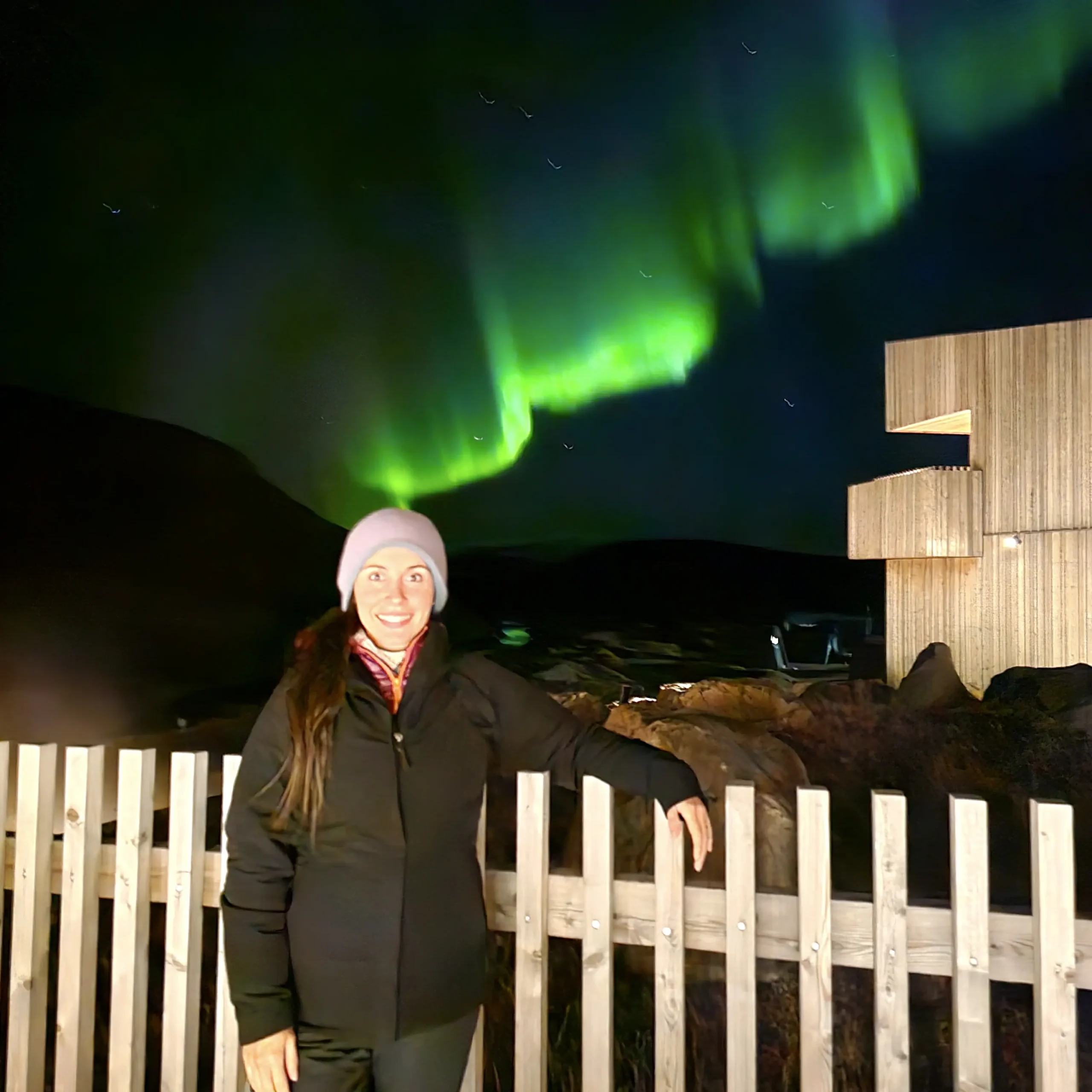
Imagine it: the crisp, pure air on your face, the solemn silence of a snow-covered landscape, majestic waterfalls frozen in time like crystal sculptures, and above you, the celestial spectacle of the Northern Lights painting the night sky. Traveling to Iceland in winter isn’t just a vacation; it’s an immersion in a world of raw and powerful beauty. However, to fully embrace this experience, it’s essential to understand a philosophy that Icelanders know well: “There’s no such thing as bad weather, only the wrong clothes . “
This phrase is more than just a popular saying; it’s the key to unlocking the island’s secrets. Packing isn’t a chore, but rather the first step on your adventure. The right clothing choices can literally make or break your vacation. Icelandic weather is famous for its unpredictability, a meteorological whirlwind where you can experience all four seasons in a single day, sometimes even within minutes.
My basic guide for any trip
The Art of Layering: Your Armor Against the Icelandic Cold
The fundamental and non-negotiable strategy for conquering the Icelandic climate is the layering system. Dressing like an “onion” isn’t just a recommendation; it’s a survival and comfort technique that allows for dynamic thermoregulation. You can add layers during periods of inactivity, such as patiently waiting for the Northern Lights, and remove them during a brisk hike to avoid overheating and sweating. Mastering this art is mastering your comfort in the land of ice and fire.
The First Layer (Base Layer): Your Second Skin
The function of the first layer, the one in direct contact with your skin, is often misunderstood. Its primary purpose is not to generate heat, but to manage moisture. When performing any activity, the body perspires. If that moisture gets trapped in clothing, it cools the body down quickly. Therefore, this layer should wick sweat away from the skin, keeping you dry and, consequently, warm.
- Recommended Materials: Opt for merino wool or high-quality synthetic fibers such as polyester or polypropylene. Merino wool is the premium choice: it’s exceptionally breathable, insulates even when damp, and crucially, has antimicrobial properties that prevent odor buildup, allowing you to wear the same garment for several days without washing.
- The Golden Rule – No Cotton: This is where many travelers make their first and most serious mistake. Cotton is enemy number one in cold climates. Unlike wool or synthetics, cotton absorbs and retains moisture like a sponge. Once wet, it loses all its insulating properties, takes forever to dry, and actively cools the body, increasing the risk of hypothermia. In the hiking world, there’s a pithy saying that sums it all up: “Cotton kills . ”
- Essential Garments: A set of long-sleeved thermal shirt and thermal leggings (also known as long johns ) is the perfect foundation.
Group Trip
Ready to experience Iceland together?
The Second Layer (Intermediate Layer): The Heart of Your Warmth
The purpose of this layer is pure and simple insulation. Its job is to trap and retain the heat your body generates, creating a pocket of warm air that protects you from the cold outside.
- Materials and Garments: The most common and effective options are fleece jackets (lightweight, breathable, and quick-drying), thick wool sweaters, or lightweight jackets with synthetic down filling. It is advisable to avoid natural down garments unless they are specifically treated to be water-repellent, as conventional down completely loses its insulating capacity when wet.
The Third Layer (Outer Layer): Your Impenetrable Shield
This is your barrier against the outside world, the layer that will defend you from Iceland’s relentless elements: the wind, the rain, and the snow. It is, quite possibly, the most important investment in your luggage.
- Key Features: This layer must meet two non-negotiable requirements: it must be waterproof and windproof . “Water-resistant” isn’t enough; you need complete protection. Windproofness is equally crucial. Due to the constant Icelandic wind, the wind chill can be drastically lower than the actual temperature. Wind is the primary thief of body heat, and a jacket that doesn’t block it will allow the cold to penetrate and negate the effect of your insulating layers. Also, look for breathable fabrics ( technologies like Gore-Tex are a good example) to allow your sweat vapor to escape and prevent you from becoming damp from the inside out.
- Essential Garments:
- Outer Jacket (Hard Shell): A high-quality parka or technical jacket, preferably with a well-designed, adjustable hood to protect your face. Waterproof Overpants: Many travelers consider these a true lifesaver. They are lightweight, waterproof pants designed to be quickly put on over your trekking pants. They are indispensable when approaching the base of a powerful waterfall or when a snowstorm or rainstorm suddenly appears.
En Islandia, los calcetines de lana de merino son esenciales. La lana de merino es conocida por su capacidad para mantener tus pies cálidos y secos, incluso en condiciones húmedas. Su material transpirable y de alta calidad garantiza confort durante largas jornadas de exploración en climas fríos.

En Islandia, los calcetines de lana de merino son esenciales. La lana de merino es conocida por su capacidad para mantener tus pies cálidos y secos, incluso en condiciones húmedas. Su material transpirable y de alta calidad garantiza confort durante largas jornadas de exploración en climas fríos.

En Islandia, los calcetines de lana de merino son esenciales. La lana de merino es conocida por su capacidad para mantener tus pies cálidos y secos, incluso en condiciones húmedas. Su material transpirable y de alta calidad garantiza confort durante largas jornadas de exploración en climas fríos.

La ropa térmica de lana de merino es esencial para climas fríos y húmedos. Ofrece una excelente regulación térmica, manteniéndote cálido y seco, mientras su transpirabilidad y resistencia a los olores garantizan comodidad durante largas jornadas de exploración.

La ropa térmica de lana de merino es esencial para climas fríos y húmedos. Ofrece una excelente regulación térmica, manteniéndote cálido y seco, mientras su transpirabilidad y resistencia a los olores garantizan comodidad durante largas jornadas de exploración.

La ropa térmica de polyester es una opción más asequible para mantenerte cálido en climas fríos. Aunque no ofrece las mismas propiedades de regulación térmica que el merino, proporciona una capa adicional de aislamiento y confort durante tus aventuras en condiciones adversas. Ideal para quienes buscan eficacia sin comprometer el presupuesto.

La ropa térmica de polyester es una opción más asequible para mantenerte cálido en climas fríos. Aunque no ofrece las mismas propiedades de regulación térmica que el merino, proporciona una capa adicional de aislamiento y confort durante tus aventuras en condiciones adversas. Ideal para quienes buscan eficacia sin comprometer el presupuesto.

Una chamarra impermeable es crucial para protegerte de la lluvia y el viento. Su material resistente mantiene la humedad fuera, mientras te mantiene seco y cómodo en condiciones meteorológicas adversas. Ideal para explorar con confianza en cualquier clima.

Una chamarra impermeable es crucial para protegerte de la lluvia y el viento. Su material resistente mantiene la humedad fuera, mientras te mantiene seco y cómodo en condiciones meteorológicas adversas. Ideal para explorar con confianza en cualquier clima.

Una chamarra impermeable es crucial para protegerte de la lluvia y el viento. Su material resistente mantiene la humedad fuera, mientras te mantiene seco y cómodo en condiciones meteorológicas adversas. Ideal para explorar con confianza en cualquier clima.

Los pantalones impermeables son esenciales para mantenerte seco y cómodo en condiciones húmedas. Su material resistente al agua evita que la lluvia y la nieve te afecten, permitiéndote disfrutar de tus aventuras al aire libre sin preocupaciones.

Los pantalones impermeables son esenciales para mantenerte seco y cómodo en condiciones húmedas. Su material resistente al agua evita que la lluvia y la nieve te afecten, permitiéndote disfrutar de tus aventuras al aire libre sin preocupaciones.

Las botas waterproof son fundamentales para explorar terrenos húmedos. Mantienen tus pies secos y cómodos, proporcionando tracción y soporte en cualquier condición climática. Perfectas para aventuras al aire libre sin importar el clima.

Las botas waterproof son fundamentales para explorar terrenos húmedos. Mantienen tus pies secos y cómodos, proporcionando tracción y soporte en cualquier condición climática. Perfectas para aventuras al aire libre sin importar el clima.

Las botas waterproof son fundamentales para explorar terrenos húmedos. Mantienen tus pies secos y cómodos, proporcionando tracción y soporte en cualquier condición climática. Perfectas para aventuras al aire libre sin importar el clima.

Una chamarra de invierno es esencial para enfrentar el frío extremo. Diseñada para ofrecer máxima calidez y protección contra el viento y la nieve, te mantiene cómodo y abrigado durante tus aventuras en climas helados.

Una chamarra de invierno es esencial para enfrentar el frío extremo. Diseñada para ofrecer máxima calidez y protección contra el viento y la nieve, te mantiene cómodo y abrigado durante tus aventuras en climas helados.

Una chamarra de invierno es esencial para enfrentar el frío extremo. Diseñada para ofrecer máxima calidez y protección contra el viento y la nieve, te mantiene cómodo y abrigado durante tus aventuras en climas helados.


En Islandia, los calcetines de lana de merino son esenciales. La lana de merino es conocida por su capacidad para mantener tus pies cálidos y secos, incluso en condiciones húmedas. Su material transpirable y de alta calidad garantiza confort durante largas jornadas de exploración en climas fríos.

En Islandia, los calcetines de lana de merino son esenciales. La lana de merino es conocida por su capacidad para mantener tus pies cálidos y secos, incluso en condiciones húmedas. Su material transpirable y de alta calidad garantiza confort durante largas jornadas de exploración en climas fríos.

En Islandia, los calcetines de lana de merino son esenciales. La lana de merino es conocida por su capacidad para mantener tus pies cálidos y secos, incluso en condiciones húmedas. Su material transpirable y de alta calidad garantiza confort durante largas jornadas de exploración en climas fríos.

La ropa térmica de lana de merino es esencial para climas fríos y húmedos. Ofrece una excelente regulación térmica, manteniéndote cálido y seco, mientras su transpirabilidad y resistencia a los olores garantizan comodidad durante largas jornadas de exploración.

La ropa térmica de lana de merino es esencial para climas fríos y húmedos. Ofrece una excelente regulación térmica, manteniéndote cálido y seco, mientras su transpirabilidad y resistencia a los olores garantizan comodidad durante largas jornadas de exploración.

La ropa térmica de polyester es una opción más asequible para mantenerte cálido en climas fríos. Aunque no ofrece las mismas propiedades de regulación térmica que el merino, proporciona una capa adicional de aislamiento y confort durante tus aventuras en condiciones adversas. Ideal para quienes buscan eficacia sin comprometer el presupuesto.

La ropa térmica de polyester es una opción más asequible para mantenerte cálido en climas fríos. Aunque no ofrece las mismas propiedades de regulación térmica que el merino, proporciona una capa adicional de aislamiento y confort durante tus aventuras en condiciones adversas. Ideal para quienes buscan eficacia sin comprometer el presupuesto.

Una chamarra impermeable es crucial para protegerte de la lluvia y el viento. Su material resistente mantiene la humedad fuera, mientras te mantiene seco y cómodo en condiciones meteorológicas adversas. Ideal para explorar con confianza en cualquier clima.

Una chamarra impermeable es crucial para protegerte de la lluvia y el viento. Su material resistente mantiene la humedad fuera, mientras te mantiene seco y cómodo en condiciones meteorológicas adversas. Ideal para explorar con confianza en cualquier clima.

Una chamarra impermeable es crucial para protegerte de la lluvia y el viento. Su material resistente mantiene la humedad fuera, mientras te mantiene seco y cómodo en condiciones meteorológicas adversas. Ideal para explorar con confianza en cualquier clima.

Los pantalones impermeables son esenciales para mantenerte seco y cómodo en condiciones húmedas. Su material resistente al agua evita que la lluvia y la nieve te afecten, permitiéndote disfrutar de tus aventuras al aire libre sin preocupaciones.

Los pantalones impermeables son esenciales para mantenerte seco y cómodo en condiciones húmedas. Su material resistente al agua evita que la lluvia y la nieve te afecten, permitiéndote disfrutar de tus aventuras al aire libre sin preocupaciones.

Las botas waterproof son fundamentales para explorar terrenos húmedos. Mantienen tus pies secos y cómodos, proporcionando tracción y soporte en cualquier condición climática. Perfectas para aventuras al aire libre sin importar el clima.

Las botas waterproof son fundamentales para explorar terrenos húmedos. Mantienen tus pies secos y cómodos, proporcionando tracción y soporte en cualquier condición climática. Perfectas para aventuras al aire libre sin importar el clima.

Las botas waterproof son fundamentales para explorar terrenos húmedos. Mantienen tus pies secos y cómodos, proporcionando tracción y soporte en cualquier condición climática. Perfectas para aventuras al aire libre sin importar el clima.

Una chamarra de invierno es esencial para enfrentar el frío extremo. Diseñada para ofrecer máxima calidez y protección contra el viento y la nieve, te mantiene cómodo y abrigado durante tus aventuras en climas helados.

Una chamarra de invierno es esencial para enfrentar el frío extremo. Diseñada para ofrecer máxima calidez y protección contra el viento y la nieve, te mantiene cómodo y abrigado durante tus aventuras en climas helados.

Una chamarra de invierno es esencial para enfrentar el frío extremo. Diseñada para ofrecer máxima calidez y protección contra el viento y la nieve, te mantiene cómodo y abrigado durante tus aventuras en climas helados.

Una chamarra de invierno es esencial para enfrentar el frío extremo. Diseñada para ofrecer máxima calidez y protección contra el viento y la nieve, te mantiene cómodo y abrigado durante tus aventuras en climas helados.

From Head to Toe: The Equipment That Makes the Difference
Once the layering system is mastered, attention should be focused on the extremities of the body, where adequate protection is critical for safety and enjoyment.
Essential Footwear: Safe Steps on Ice and Snow
Your feet are your connection to the Icelandic terrain, and protecting them is paramount.
- Hiking Boots: This is a non-negotiable item. You need a pair of sturdy hiking boots that are waterproof (with membranes like Gore-Tex), have good thermal insulation for the cold, offer firm ankle support , and, most importantly, have a grippy sole for uneven terrain. It’s vital that you wear them several times before your trip to ensure they’re comfortable and to avoid painful blisters.
- Socks: Pack several pairs of thick socks, preferably made of wool or high-performance synthetic materials. As always, cotton is a no-go . For extra warmth, you can use a double-sock system: a thin inner layer to manage moisture and a thicker outer layer for insulation.
Essential Accessories: The Little Big Heroes
These small elements are what often make the difference between being comfortable and having a bad time.
- Head: A warm wool or fleece hat that fully covers your ears is essential. The hood of your jacket is not a suitable substitute, as wind can easily get in.
- Hands: The best strategy is a two-glove system. Thin, touchscreen-compatible inner gloves will allow you to use your camera or phone’s GPS without exposing your skin to the freezing cold. Over these, wear thick, waterproof, and well-insulated mittens or gloves . Removing thick gloves in the middle of winter for a simple photo can chill your hands dangerously quickly; this dual system solves that specific problem for the tech-savvy traveler in the Arctic.
- Neck warmer: A neck gaiter (like a Buff) is much more practical than a traditional scarf. It takes up less space, doesn’t get caught, and most importantly, the Icelandic wind won’t blow it away.
- Eyes: Don’t underestimate the need for good sunglasses , even in the middle of winter. The sun, even when low on the horizon, reflects off the snow and ice with an intensity that can be blinding and harmful to the eyes. They are an essential element of protection.
En América, tenemos altos estándares para el papel higiénico, pero en muchos países europeos, incluyendo Islandia, la calidad puede variar. Un bidé portátil es el compañero de viaje perfecto para asegurar que te mantengas limpio y cómodo, sin importar a dónde vayas.

En América, tenemos altos estándares para el papel higiénico, pero en muchos países europeos, incluyendo Islandia, la calidad puede variar. Un bidé portátil es el compañero de viaje perfecto para asegurar que te mantengas limpio y cómodo, sin importar a dónde vayas.
Responsible Traveler: The Golden Rules of Icelandic Nature
Visiting Iceland comes with the responsibility of protecting its unique and fragile environment. Being a conscious traveler is not only an ethical obligation, but it also enriches the experience, allowing for a deeper and more respectful connection with the island.
A Pact with the Island: “Leave No Trace”
- Do Not Build Cairns: Although you may see small piles of stones, this practice is discouraged by local authorities. Moving rocks alters the natural landscape, damages the underlying terrain, and destroys the habitat of small organisms. Historic cairns served a purpose as waymarkers and should not be replicated as a tourist attraction.
- Do Not Take Volcanic Rocks: It is forbidden to take rocks, black sand, pebbles, or any other natural element as a souvenir. Although it may seem like a harmless gesture, if each of the millions of annual visitors were to take “just one small stone,” the cumulative impact would be devastating for the island’s landscapes and ecosystems.
- Drive Only on Marked Roads: Off-road driving is strictly prohibited in Iceland and is punishable by hefty fines. Vehicle tracks leave permanent scars on the delicate vegetation and volcanic soil, which can take generations to disappear.
What You Should Leave at Home: Common Luggage Mistakes
Knowing what not to pack is just as important as knowing what to pack. Avoiding these items will save you space, weight, and frustration.
- Umbrella: The Icelandic wind is legendary for its strength. An umbrella will not only be useless, but will probably break within minutes of opening it, becoming just another piece of litter. Your best defense against the rain is a good waterproof jacket with a hood.
- Jeans for outdoor activities: They’re one of the worst items of clothing you can wear while exploring Icelandic nature. If they get wet (and they very likely will), they take hours to dry, become heavy and stiff, and will rob you of body heat. Save them only for a short walk around Reykjavik or for wearing inside a restaurant.
- Cotton Clothing: As mentioned before, cotton is a poor choice for any layering. Avoid cotton t-shirts, sweatshirts, and socks for your exploration days.
- Dress shoes or heels: These are completely unnecessary and impractical. The terrain is often uneven or slippery, even in the city, and the dress code is overwhelmingly casual. Prioritize safety and comfort.
- Too Much “Fashionable” or Formal Clothing: Social life in Iceland is relaxed. Functionality takes precedence over formality. A nice wool sweater and comfortable trousers are more than enough for most restaurants and bars. No one expects you to wear formal attire.
- Carry Plenty of Cash: Iceland is a virtually cashless society. Credit and debit cards are accepted almost everywhere, from remote gas stations to hot dog stands. Carrying a small amount for emergencies is sufficient.
This focus on practicality over aesthetics isn’t just space-saving advice; it’s an adaptation to the local culture, where being prepared for the elements is valued far more than adhering to a formal dress code.


Deja un comentario