

Words by Ari Garduño
Updated October 20, 2026. This situation changes day to day: always confirm with the official sources linked at the end.
If you have a trip to Europe coming up in the next few days or weeks, you’ve probably seen the footage. And if you’re already there, someone back home has probably texted you three times asking if you’re okay.
My view is simple: there isn’t one right answer. For some travelers, carrying on with the trip is perfectly reasonable. For others, adjusting or postponing is the calmer call. What matters is deciding with clear information instead of headlines.
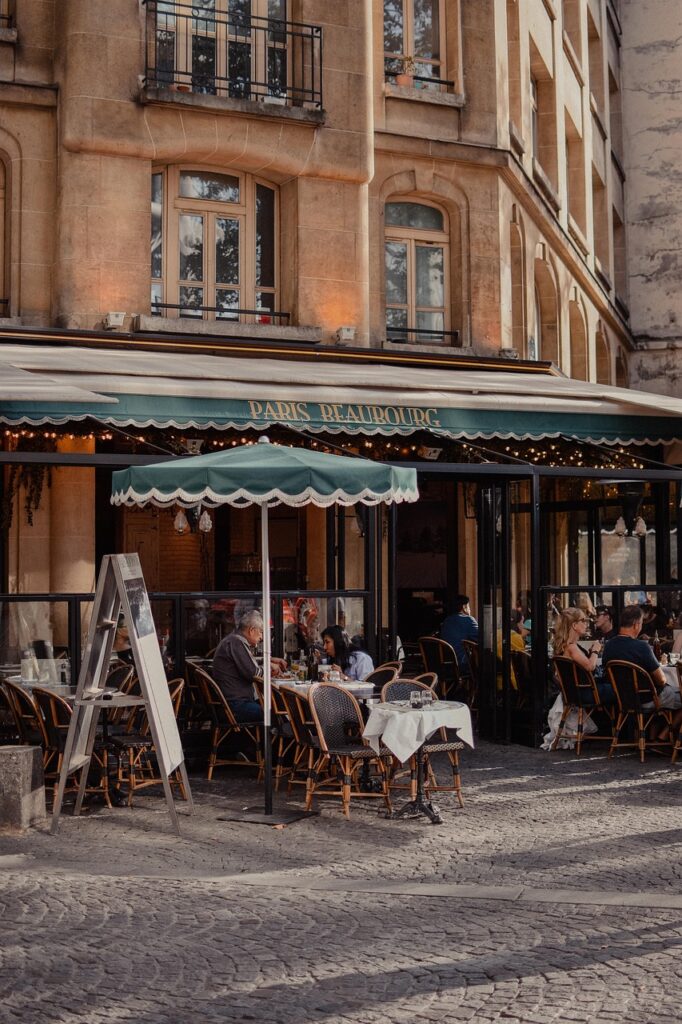
What's Happening, in Brief
- France. On October 17 there were protests across the country, called by unions, student groups, teachers, firefighters and other workers. After the demonstrations turned violent, the Prime Minister’s office introduced partial curfews on October 19 and 20 in several cities, including Lille. According to the U.S. Embassy in Paris, more could follow in parts of Paris and in other prefectures, and scattered protests could continue.
- Italy. Also on October 17, Milan saw clashes with police, looted stores and fires in the city center. According to Al Jazeera, the Piazza del Duomo, usually packed with people, was emptied.
- Portugal. In Lisbon, tens of thousands marched over the cost of living, wages and housing. The same source reports no violence in the capital.
- Belgium. In Brussels and Liège, police used tear gas and water cannon.
What this does not mean: that Europe is shut down, or that a whole country is in the same state. Marches and unrest concentrate in specific areas and at specific times, and life goes on in many other places. But it isn’t a footnote either, so go in with your eyes open.
If You Haven't Left Yet
Here is what I’d go through with you, in this order:
- Reconfirm what you have. Flights, hotel, transfers. Check your airline’s notices too: the embassy itself recommends verifying your flight schedule with your carrier.
- Check flexibility. What your airline, hotel and ground services allow you to change, and until when. Ask directly before you decide.
- Read your travel insurance. Not every policy covers civil unrest or cancellations tied to protests, and many exclude events that were already known when you bought the policy. Better to learn that today than at the airport.
- Look at where your hotel sits. Ask the hotel about street closures and demonstration areas. Sometimes moving your stay a few blocks, or to another part of the city, changes everything.
- Think about how you’ll get around. With metro station and street closures, a private transfer is usually more predictable than public transit. In Paris, RATP posts station closures.
- Have a plan B for each day. If a march is announced near what you planned to visit, having an alternative ready saves you from improvising.
- Enroll. U.S. citizens can sign up for the Smart Traveler Enrollment Program (STEP) to receive embassy security updates.
If You're Already There
- Avoid the areas of the demonstrations. It’s the embassy’s main recommendation, and every authority repeats it.
- If you run into a gathering, move away calmly. Don’t stay to watch or film. Situations change fast.
- Check before you move. RATP for the metro in Paris, your hotel for street closures, and your airline for your flight.
- Follow curfews. If your city has one, follow local instructions. Ask the front desk for the hours.
- Give everything more time. Airport, trains and transfers. Plan alternative routes.
- Keep the basics handy. Your passport (or a copy), your hotel’s address and phone number, a charged phone, and someone at home who knows where you are.
- Know who to call. In France, Italy and Portugal, 112 is the European emergency number. For U.S. citizens in France, the embassy’s assistance line is +33 (1) 43 12 22 22.

Should You Change Your Trip or Keep Going?
There is no universal answer. Here’s what I usually ask:
- When are you traveling? Leaving tomorrow is not the same as leaving in two months.
- Which cities are you visiting? The picture isn’t the same everywhere, and sometimes you can reorder the route or swap one stop.
- Who is traveling with you? Kids, older relatives or anyone with limited mobility need more margin.
- How comfortable do you feel? If worry will take the joy out of the trip, that counts too.
There are three reasonable paths: keep your plans, adjust (another hotel, another area, another city, or a private transfer), or postpone. Any of the three is a valid decision.
How I Support You Through This
If we design your trip together, here’s what I do:
- Review your itinerary, dates and cities against the latest official information.
- Tell you what can change, what it costs to change, and how much room we have.
- Propose concrete alternatives: another hotel, another transfer, another city order.
- Help you check what your insurance covers and what your booking policies say.
- Stay available if something changes during your trip.
If you’re traveling with another agency or on your own, this works as a checklist for you too.
Let's Design Your Trip Together
If you have a trip to Europe coming up and you’re unsure whether to keep going, adjust or wait, write to me. Tell me your dates, the cities you’re visiting and who’s traveling with you. We’ll go through it calmly and decide together.
Frequently Asked Questions
Is it safe to travel to France right now?
It depends on the city, the dates and what you plan to do. Demonstrations concentrate in specific areas and times, and the U.S. Embassy recommends avoiding demonstration areas. Before you decide, check the current official alerts from your government and talk with your agent or your hotel.
What is a partial curfew and how does it affect me?
It is a restriction on movement in certain cities or areas for a set number of hours. If your city has one, follow local instructions and ask the front desk for the hours.
Can I cancel or change my trip without a fee?
It depends on each booking: airlines, hotels and ground services all have different policies. Ask directly before deciding, and check your insurance.
Does my travel insurance cover protests?
Not every policy does, and many exclude events that were already known when you bought the policy. Read the terms, or ask your insurer to confirm in writing.
What should I do if I run into a demonstration?
Move away calmly, don’t stay to watch, and find another street. Avoid crowds and check local information before moving on.
Who do I call in an emergency?
In France, Italy and Portugal, 112. U.S. citizens in France can also contact the U.S. Embassy’s assistance line at +33 (1) 43 12 22 22 and enroll in STEP.
Are Italy and Portugal affected too?
On October 17 there were riots in Milan and a large march in Lisbon. The situation is not the same across each country, so check the specific city you’re going to.

Ari Garduno
Viajera apasionada por lo auténtico, lo inesperado y lo que deja huella.






Deja un comentario