

On April 3rd, 2026, the world will celebrate the first International Jane Goodall Day. And the best way I can think of to honor it is not sharing a post on social media, but telling you how you can live her legacy in person.
Because you can. Not just read about it in a book or watch it in a documentary. You can walk where she walked, see what she saw, and understand why she dedicated her entire life to protecting chimpanzees and their habitats.
I designed a 14-day itinerary between Kenya and Tanzania that combines world-class African safari with the only two places in East Africa where Goodall’s work is alive and active today. But before I tell you about the trip, you need to understand who this woman was and why her story matters.
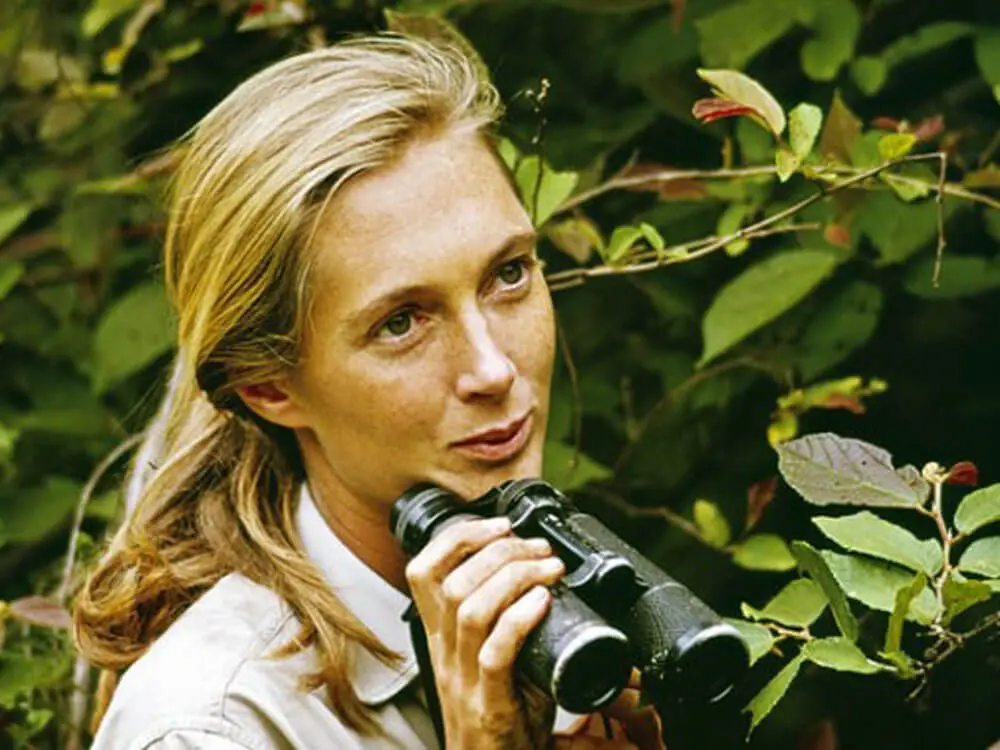
The Girl Who Wasn't Supposed to Be There
In 1960, a 26-year-old British secretary arrived on the shores of Lake Tanganyika in what was then Tanganyika, now Tanzania. She had no university degree. No formal scientific training. No equipment or substantial funding.
What she had was an obsession that started in childhood: understanding animals. And a mentor who believed in her against all logic: paleontologist Louis Leakey.
The scientific community of 1960 gave her six months before she “failed.” They said a woman alone couldn’t survive in the jungle. That chimpanzees would never accept her. That without formal credentials, any observation she made would be dismissed.
Jane Goodall didn’t just survive those six months. She changed science forever.
The Discoveries That Redefined Humanity
During her early years at Gombe Stream National Park, Goodall made observations that shook the foundations of primatology and our understanding of human nature.
Chimpanzees make and use tools. In 1960, she observed a chimpanzee she named David Greybeard modifying a twig to extract termites from a mound. Until that moment, tool-making was believed to be what definitively separated us from animals. Louis Leakey sent her a legendary telegram: “Now we must redefine ‘tool’, redefine ‘man’, or accept chimpanzees as humans.”
Chimpanzees have individual personalities and complex emotions. The science of 1960 insisted on numbering animals, not naming them. Goodall named them (David Greybeard, Flo, Frodo, Goblin) and documented irrefutable evidence that they had distinct personalities, complex family relationships, and emotions including joy, grief, anger, and mourning.
Chimpanzees hunt strategically. They were assumed to be vegetarians. Goodall documented that they hunted with coordinated tactics, which changed our understanding of the evolution of the human diet.
Chimpanzees are capable of war. In what became known as the “Gombe War” (1974-1978), she documented how a community split into two groups that then systematically annihilated each other. It was emotionally devastating, but it proved that organized, territorial violence is not uniquely human.
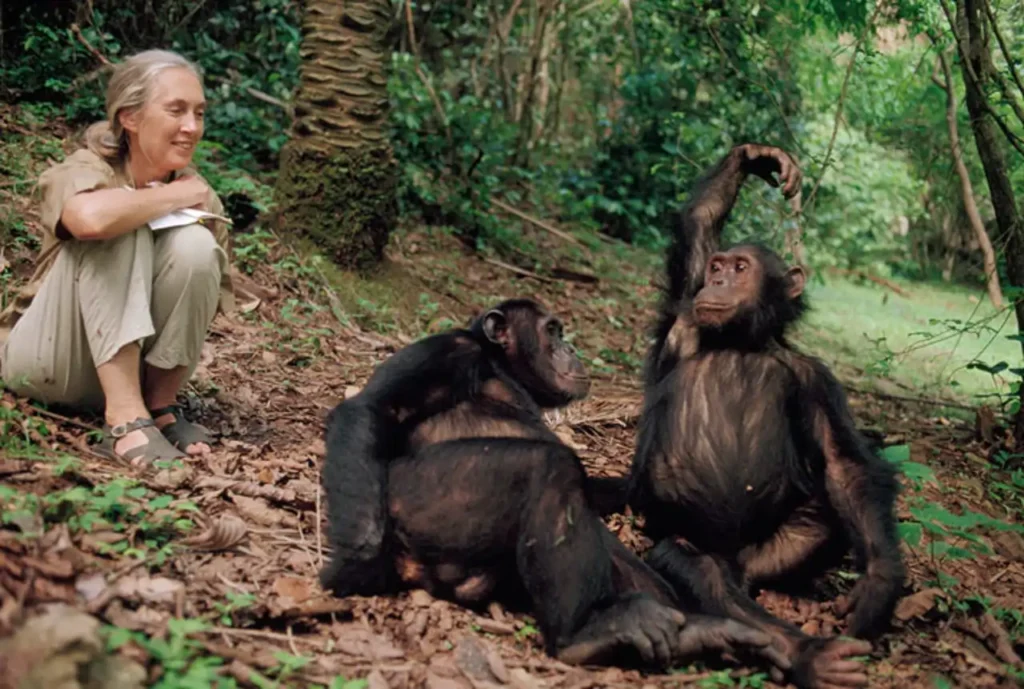
The Personal Cost of Greatness
What science books often leave out is the human cost of this work.
Goodall spent years alone in the jungle, with recurring malaria, no communication with the outside world for weeks, sleeping in a basic tent, eating canned food. Colonial authorities required her to have a companion because “a white woman alone” was considered unacceptable.
The chimpanzees ignored her completely for months. It took nearly 18 months before David Greybeard finally tolerated her enough to feed near her.
Her marriage to photographer Hugo van Lawick ended partly because her work consumed her life. Her second husband died of cancer just five years after they married.
And in 1975, four of her students were kidnapped by armed rebels. Although they were eventually released, the intimate, solitary kind of work Goodall had done became impossible in Gombe forever.
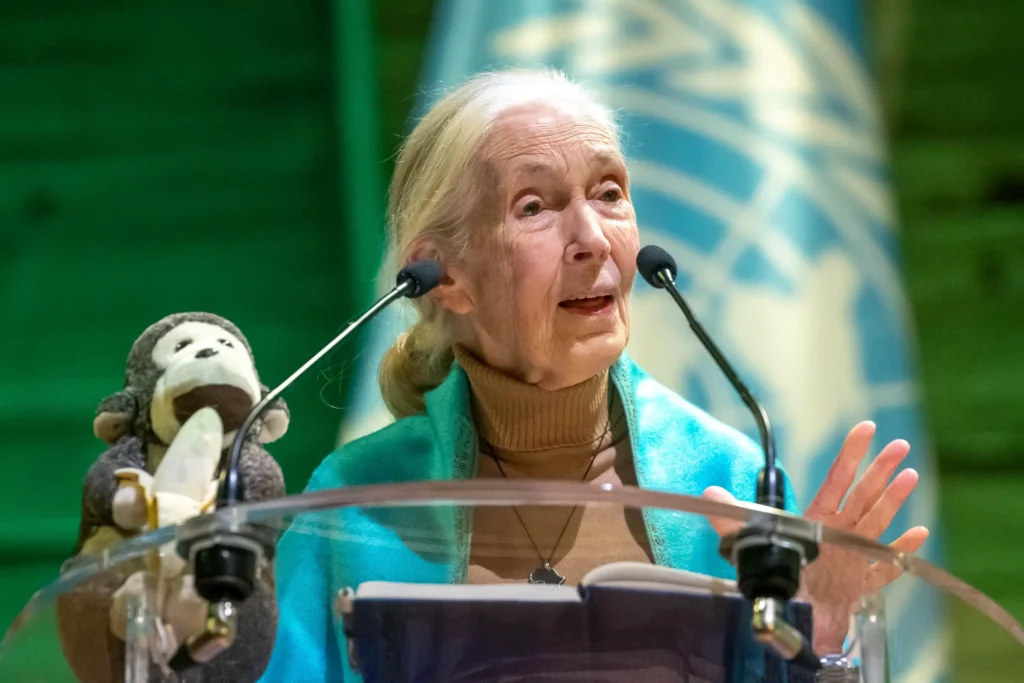
From Scientist to Activist
In the late 1980s, Goodall made a transition that many scientists never make: she stopped being primarily a researcher and became a full-time activist.
The reason was simple and devastating: she attended a chimpanzee conservation conference in 1986 and discovered that the population had collapsed from over 1 million in the early 20th century to fewer than 300,000. Deforestation, poaching, and illegal trade were destroying the species.
She made a decision: if she didn’t use her voice and platform now, all her years of research wouldn’t matter because there would be nothing left to study.
She traveled more than 300 days a year until the end of her life. She founded the Jane Goodall Institute in 1977 and created Roots & Shoots in 1991, an educational program now present in more than 60 countries.
On October 1st, 2025, Jane Goodall died at 91 while on a lecture tour. Until the very last moment, in motion. Until the very last moment, fighting.
April 3rd, 2026 will be the first International Jane Goodall Day celebrated without her. And that makes it something more than a recognition. It’s a promise. The question that day asks all of us is the same one she asked herself in 1986: now that I know, what am I going to do?
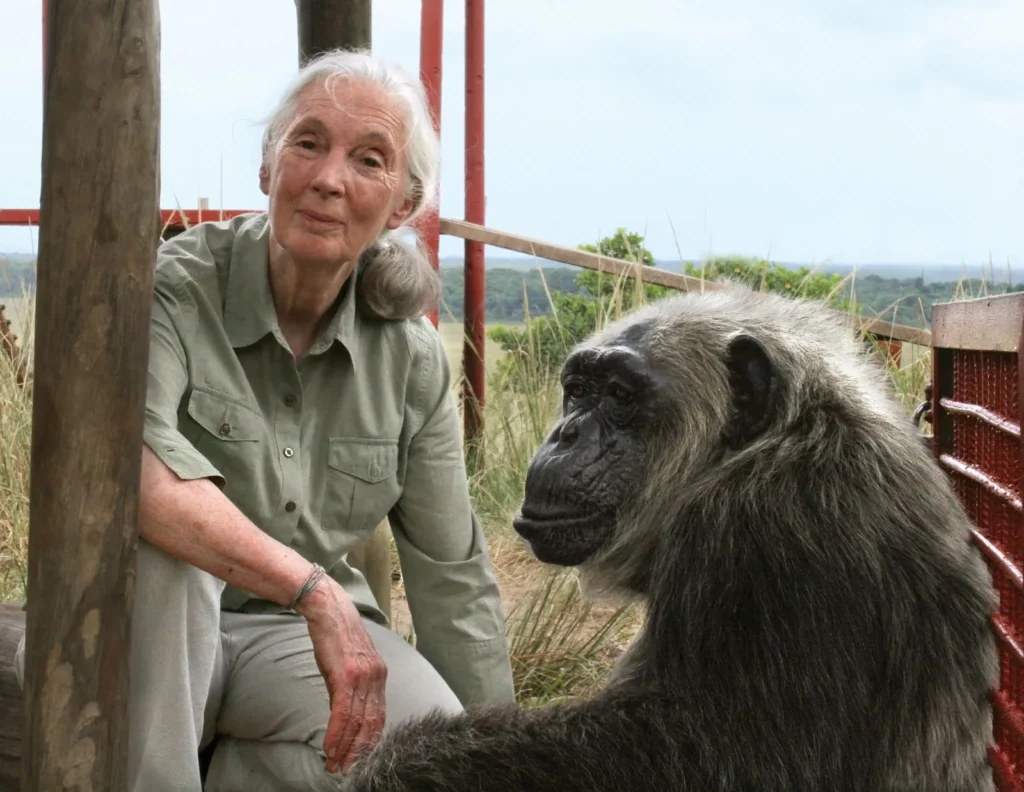
The Jane Goodall Safari:
14 Days Following Her Legacy
This is not a generic safari. It’s an itinerary designed specifically to take you to the only two places in East Africa where Goodall’s work is alive and active: the chimpanzee sanctuary she helped found in Kenya, and the research center in Tanzania that continues her work in the remote Mahale Mountains.
In between, you’ll have world-class safari in Mara Triangle, and moments that will remind you why conservation is not an abstract concept but a real urgency.
Day 1 — Arrival in Nairobi
Arrival at Jomo Kenyatta International Airport. Nairobi is chaotic, vibrant, and full of contrasts. It’s the capital of a country where conservation and development are in constant tension.
Suggested accommodation:
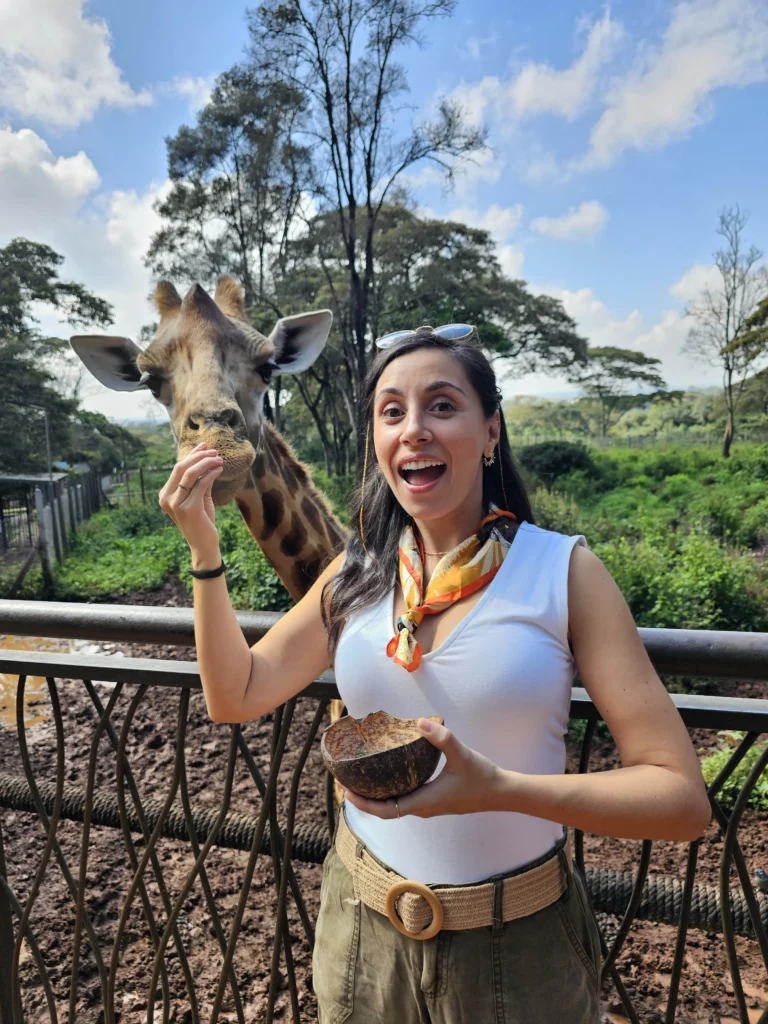
- Giraffe Manor (premium option): You wake up with Rothschild giraffes leaning through your breakfast window. Hard to beat as a first night in Kenya.
- Ole Sereni Hotel (practical option): Direct view of Nairobi National Park. You can see giraffes and buffaloes without leaving the hotel.
Logistics tip: Stay near Wilson Airport, not JKIA. All charter flights to Masai Mara depart from Wilson, and Nairobi traffic can turn 15 minutes into 2 hours.
Days 2-4 — Mara Triangle: The Safari Most People Don’t Know About
Flight: Wilson Airport → Masai Mara (~45 minutes by light aircraft)
When most people say “Masai Mara,” they picture the main reserve. And yes, it’s extraordinary. But there’s a part of the ecosystem that completely stole my heart: Mara Triangle.
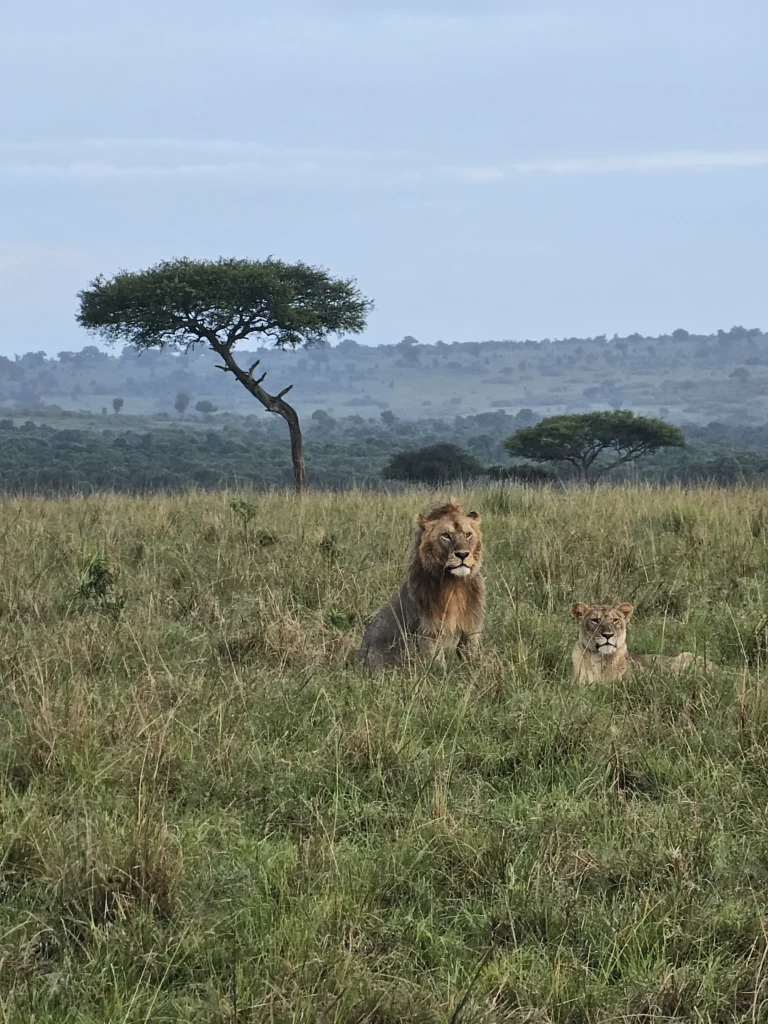
Mara Triangle sits west of the Mara River, managed by the Mara Conservancy, and what makes it different is the view. While the traditional Mara has the open savannah everyone knows, Mara Triangle has the Rift Valley Escarpment as a backdrop. The landscape is different. The mountains frame every sighting, every sunrise, every moment of silence on the savannah. Same ecosystem, same animals, but with a visual dimension the traditional Mara simply doesn’t have.
And far fewer vehicles. Which, if you’ve been in the main Mara during migration with 30 Land Cruisers surrounding a leopard, you know exactly what that means.
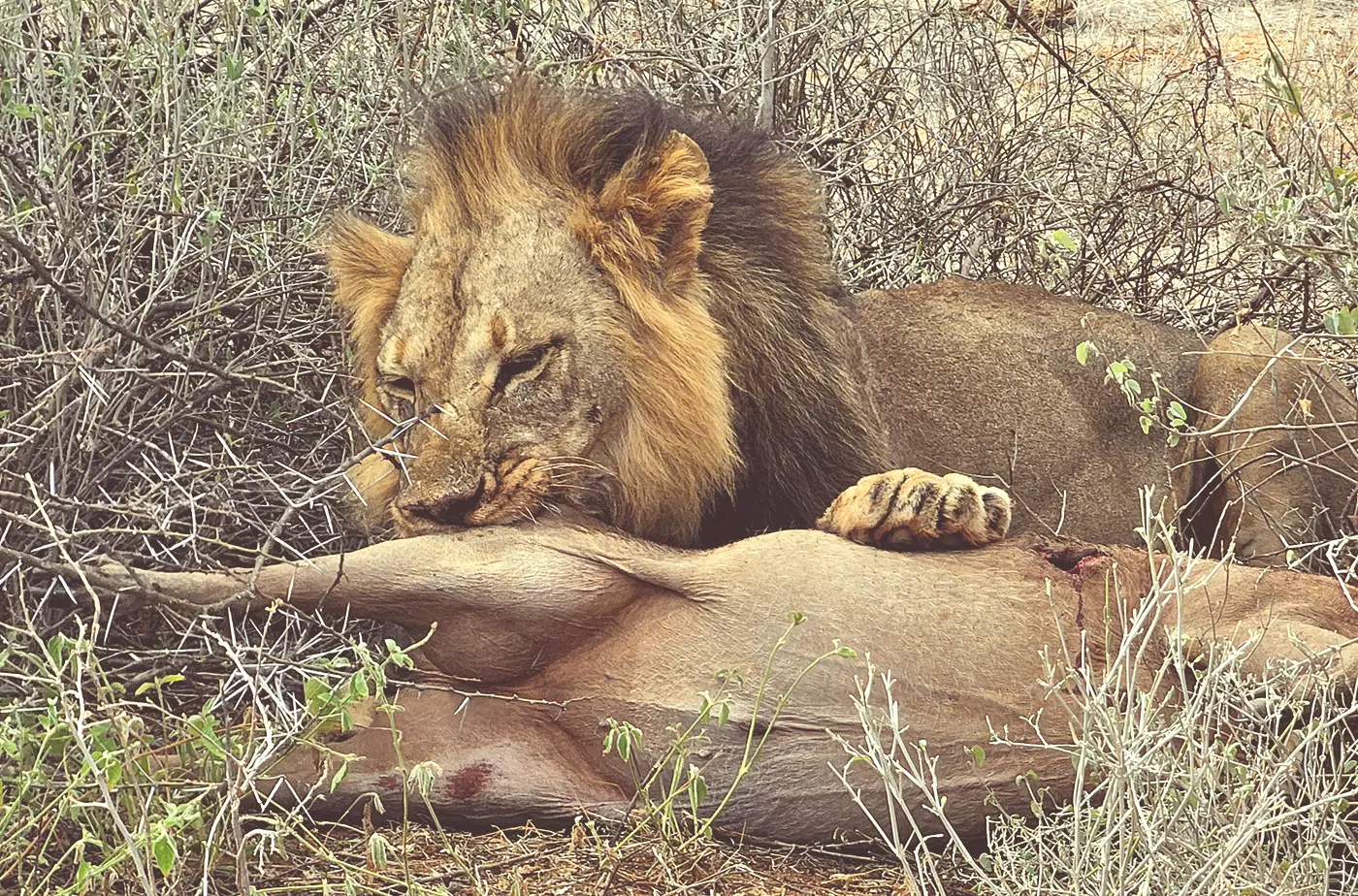
Wildlife: Complete Big Five. During July-October, the possibility of witnessing the Great Migration: over 1.5 million wildebeest and 200,000 zebras crossing the Mara River from the Serengeti. Five-meter crocodiles waiting in the water. Nature at its most raw.
Activities:
- Morning and evening game drives
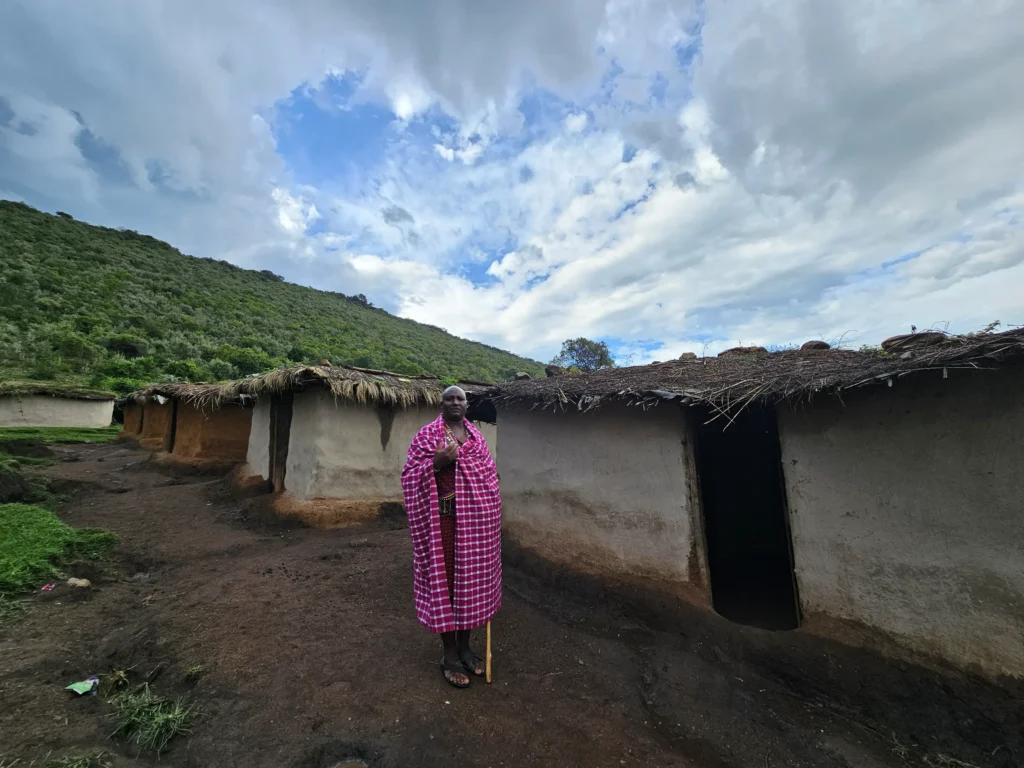
- Cultural visit to a Maasai community
- Optional: Hot air balloon at sunrise (~$450-550 USD). Floating over the savannah as the sun rises, watching giraffe shadows stretch across the plains, hearing nothing but the balloon’s burner. One of those “life complete” moments.
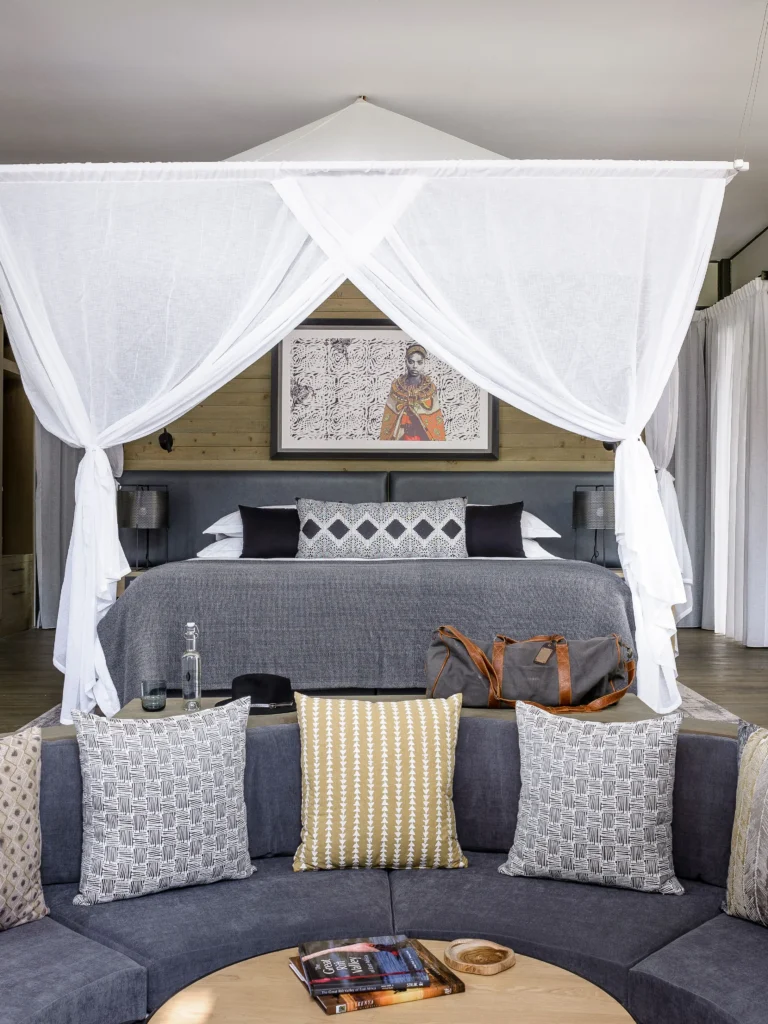
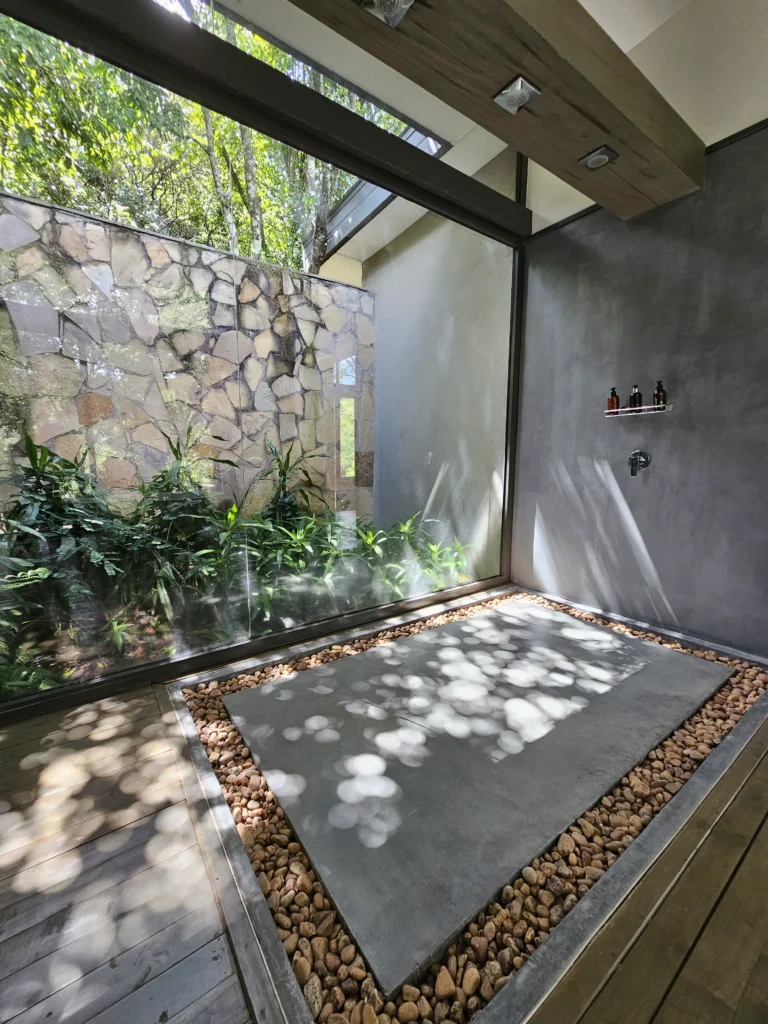
Suggested accommodation:
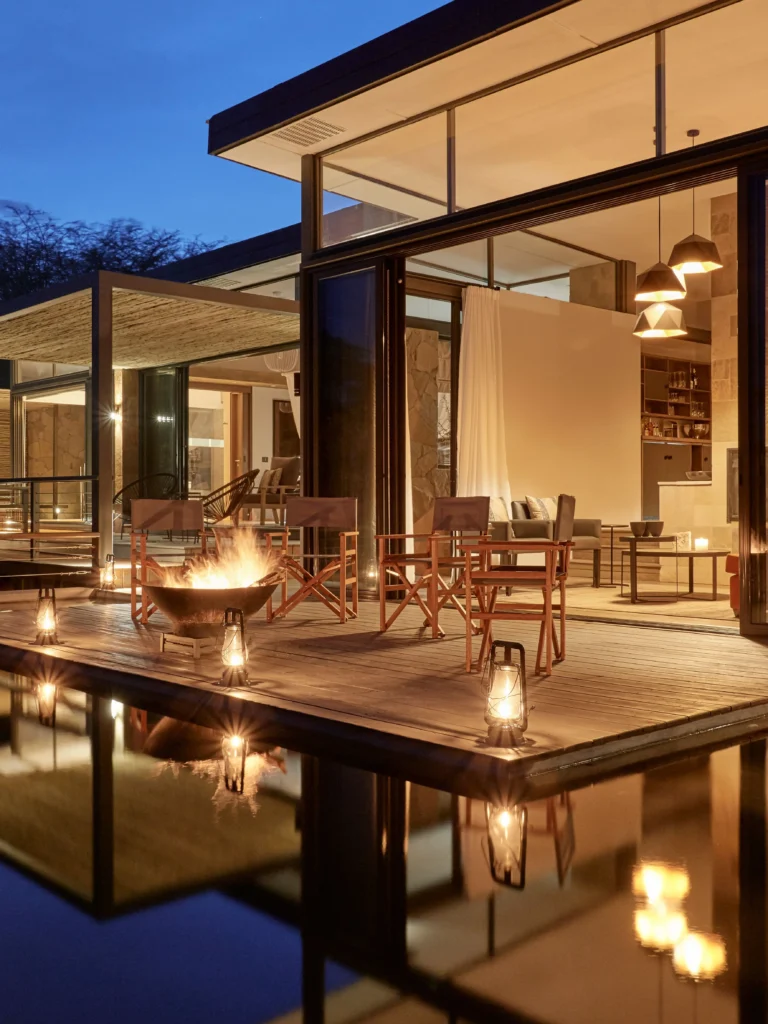
- Sanctuary Olonana: On the banks of the Mara River, with some of the most beautiful rooms I’ve seen on safari. They have a dream bathtub with an open-air shower that is, in itself, an experience. Ending the day in there with a glass of wine while you hear the river roar below you is something I can’t fully put into words. I slept with the window open just to be lulled by the sound of the Mara. If you’re going to Mara Triangle, don’t stay anywhere else.
- Private conservancies (Olare Motorogi, Mara Naboisho): Night game drives and guided walks not permitted in the main reserve.
Three nights is the minimum to not feel rushed. Two full days of game drives dramatically increase your chances of witnessing special behaviors.
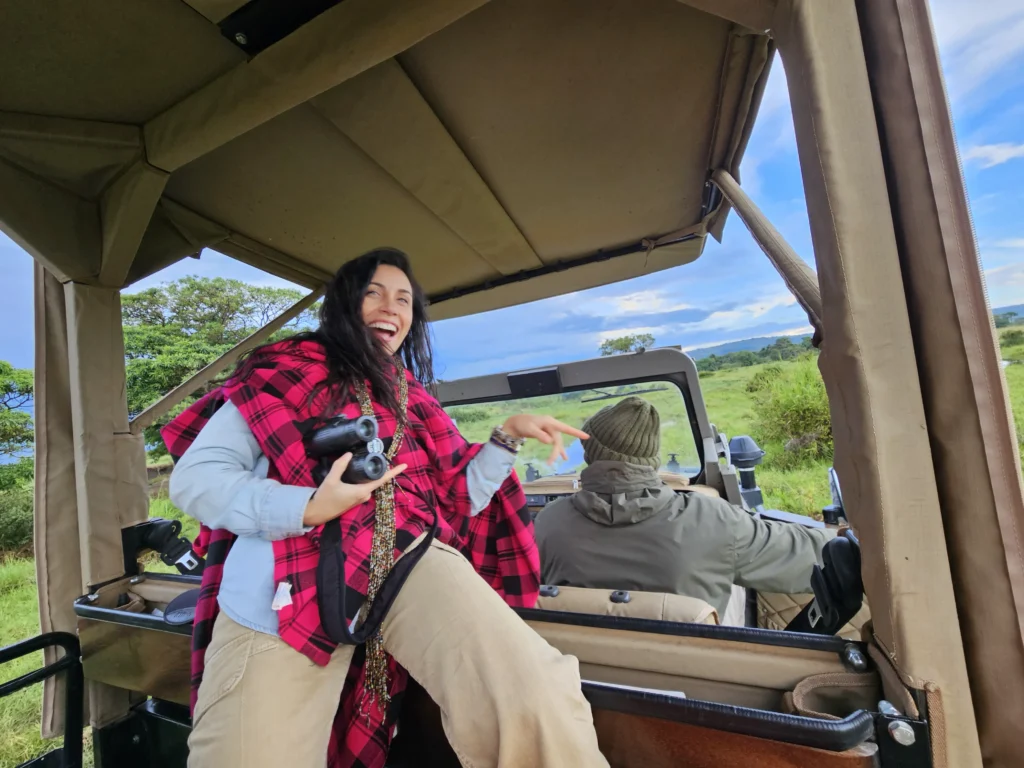
Days 5-7 — Ol Pejeta & Sweetwaters: The Heart of Goodall’s Legacy in Kenya
Flight: Masai Mara → Nanyuki Airstrip (~1 hour)
This is where your safari becomes something more than seeing animals. This is where you meet Jane Goodall’s work directly.
Ol Pejeta Conservancy covers 360 km² of active conservation at the foot of Mount Kenya. It’s the largest private black rhino sanctuary in East Africa. And it’s home to something that exists nowhere else on the planet: the last two northern white rhinos in the world, Najin and Fatu. Their story deserves a full blog of its own, which I’ll be sharing soon. What I’ll tell you now is this: you cannot come to Ol Pejeta and not visit them. It’s one of those encounters that changes something in you.
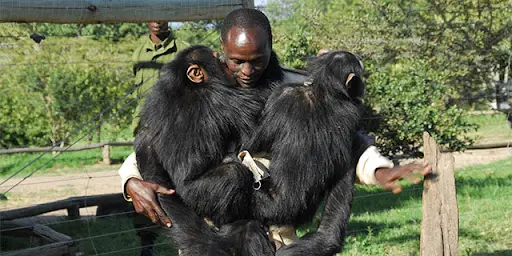
Sweetwaters Chimpanzee Sanctuary
Founded in 1993 through an agreement between Ol Pejeta Conservancy, Kenya Wildlife Service, and the Jane Goodall Institute, Sweetwaters is the only chimpanzee sanctuary in Kenya.
Chimpanzees are not native to Kenya. These were rescued: orphans of poaching (hunters killed mothers for bushmeat and sold the babies on the illegal pet market), seized from abusive circuses and zoos, rescued from research laboratories. They cannot be released into the wild because many lack survival skills or because their original habitat no longer exists.
Jane Goodall helped establish the sanctuary in 1993 and remained an active advocate until the end of her life. It is one of the Jane Goodall Institute’s direct projects.
The experience:
- Elevated observation platform during feeding time
- Chimp Walk with specialized guides who know each chimpanzee’s individual story
- Educational talks on chimpanzee behavior and conservation efforts
Every chimpanzee has a story. Watching how they’ve built adoptive families, how they play, how they comfort each other… is seeing exactly what Goodall discovered in Gombe: that they have complex emotions, relationships, and resilience.
Other activities at Ol Pejeta:
- Game drives with complete Big Five and one of the highest black rhino densities in Africa
- Night game drive: servals, civets, bat-eared foxes, hunting leopards
- Guided walk with armed ranger: being on foot completely changes your perspective
Suggested accommodation:
- The River Camp (Wilder Group): On the banks of the Ngobit River inside Ol Pejeta, with views of Mount Kenya that remind you at every moment where you are. Only 8 tents with a maximum capacity of 20 guests, making it one of the most exclusive and private camps in the conservancy. Carefully curated interiors, private decks, and both indoor and outdoor showers. The farm-to-table experience they offer is among the most memorable you’ll find on a Kenyan safari.
Day 8 — Transit: Nanyuki → Nairobi → Arusha
The logistical day. No safari activities, but you need to move from Kenya to Tanzania.
Options:
- Flight Nairobi → Arusha (~1-1.5 hours): Faster and more comfortable
- Road transfer crossing the border at Namanga (~4-5 hours): More adventurous, you see the landscape shift from one country to the other
Night in Arusha near the airport because your Mahale flight departs early. Accept this day for what it is: a transit day. Rest, do laundry, prepare yourself mentally for the most remote part of the trip.
Days 9-13 — Greystoke Mahale: The Wild Heart of Goodall’s Work
Flight: Arusha → Mahale Mountains Airstrip (~3.5 hours with refueling stop)
Mondays and Thursdays only. This restriction is what makes Mahale one of the most remote and exclusive places in Africa.
When I say remote, I want you to understand the scale: it’s at least 60 kilometers from any road. There is no way to get there by land. Only plane and boat.
The arrival is already part of the adventure: after the flight, a traditional wooden dhow carries you 90 minutes across Lake Tanganyika to the camp. The lake is so crystal clear it looks like the Caribbean. The Mahale Mountains rise dramatically from the shore. There is no sign of civilization. Only jungle, mountains, and water.
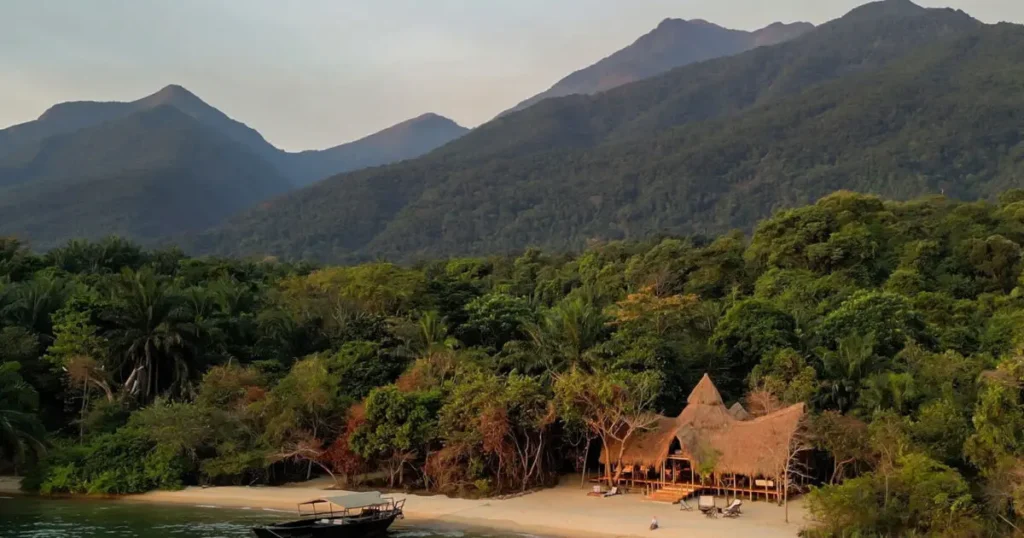
Greystoke Mahale: A Direct Extension of Goodall’s Work
In 1965, Japanese researchers established the Mahale Mountains Wildlife Research Centre as an extension of the work Goodall had begun at Gombe, just 150 kilometers to the north. The goal was to study multiple chimpanzee communities to understand behavioral variation.
Greystoke was built in 2005 as a luxury lodge, but scientific research continues actively. The guides who take you chimp trekking are the same trackers who work with the researchers. They have followed the same chimpanzee families for decades. They know each individual by name, personality, and genealogy.
The bandas (cabins) are built from recycled wood from old dhows. Everything included: gourmet meals, drinks, laundry. The style is “luxury castaway”: sand floors, walls open to the lake, outdoor showers.
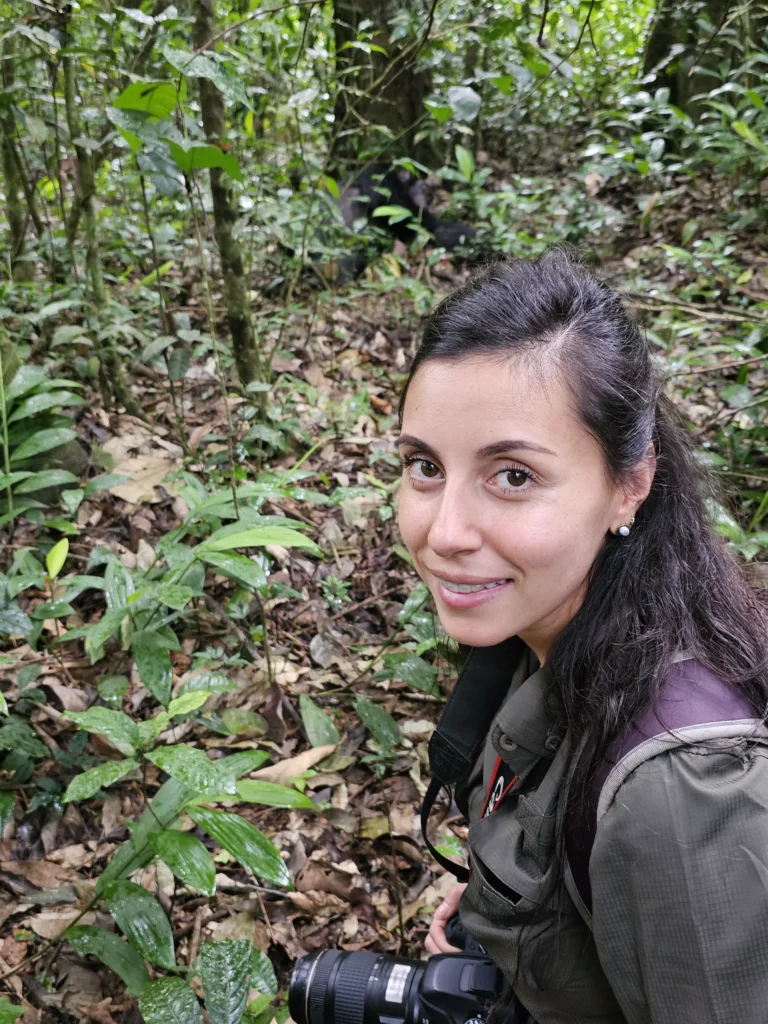
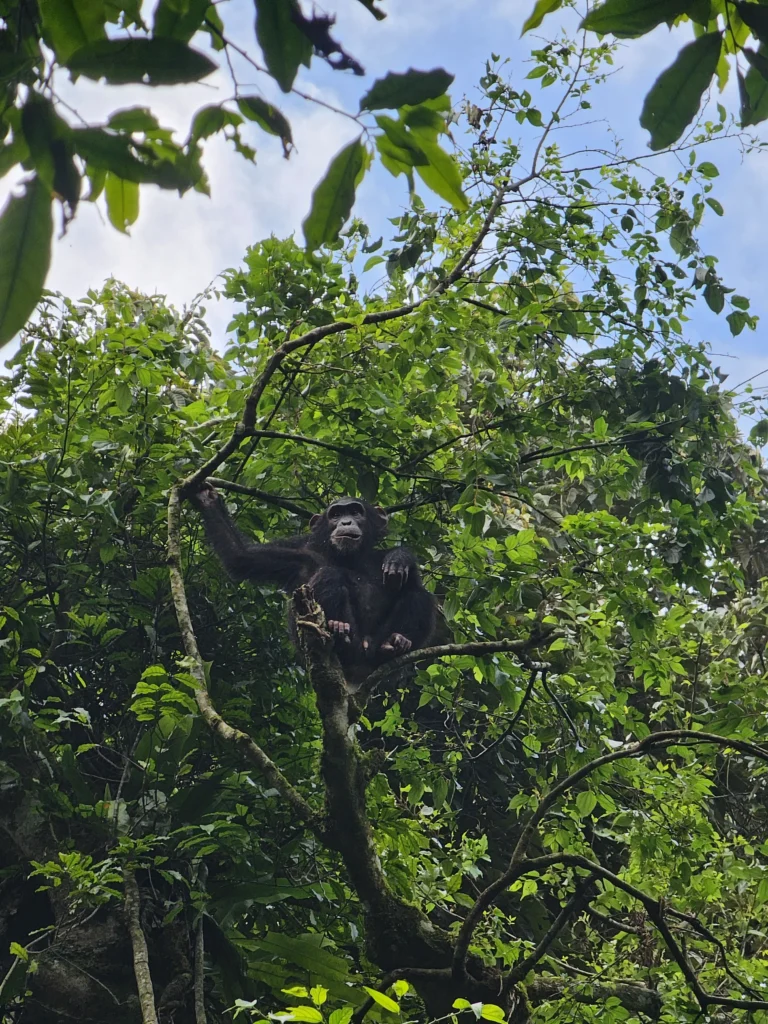
Chimp Trekking
This is why you came.
Every morning, trackers leave before dawn to locate the chimpanzees. You begin your trek after breakfast. It can take 20 minutes or 3 hours. It depends entirely on where they are that day. You walk through dense jungle, climb steep slopes, cross rivers.
And then you find them.
There is no way to prepare yourself for what it feels like to be 5 meters from a 60-kg adult male chimpanzee in the wild. Watching him use a stone to crack nuts, exactly what Goodall documented in 1960. Watching a mother care for her baby. Watching the alpha male display to maintain his status.
It is viscerally clear that you are witnessing intelligence, emotion, society.
Strict rules:
- Maximum 1 hour of observation
- Minimum 10 meters distance
- No eating or drinking near them
- If you cough or sneeze, turn and cover yourself
Other activities:
- Sunset dhow sailing on the camp’s 45-foot traditional sailboat
- Kayaking and snorkeling in Lake Tanganyika (20+ meters of visibility)
- Fishing and fresh sashimi prepared on deck
- Sundowners at the bar built on rocks at the edge of the beach
Why a minimum of 4 nights: Flights dictate everything. With 4 nights you get 3 full trekking days, each different from the last.
Best time: August-September, when the dry season brings chimpanzees down to the lower mountain slopes. They sometimes enter the camp.
Day 14 — Back to Reality
Flight: Mahale → Arusha → Nairobi → international connection home
The dhow takes you back to the airstrip. The light aircraft takes off over the lake. You watch the Mahale Mountains fade into the distance.
This day is hard. You’ve spent two weeks in some of the most significant places on the planet. Don’t try to return to normal immediately. Use the long flights to process. Write. Look through photos. And ask yourself: how do I carry this with me?
The Cost and What You're Really Paying For
I won’t lie to you: this itinerary is not cheap. Depending on the season and accommodation level, we’re talking $12,000-18,000 USD per person without international flights.
But you’re not paying for a luxury vacation. You’re paying for transformation. For understanding viscerally why this is worth protecting.
And every dollar contributes directly to conservation:
- A portion of every Ol Pejeta fee goes to endangered species protection and the chimpanzee sanctuary
- Greystoke Mahale employs local communities and supports active research
- Masai Mara conservancies pay rent to Maasai communities, aligning conservation with economic development
Every dollar is a vote for a model of tourism that protects rather than exploits.
How to Make This Trip Happen
This itinerary requires specialized planning:
- Mahale flights only on Mondays and Thursdays condition all dates
- Chimp trekking permits in high season book out months in advance
- Multi-country logistics require precise coordination of visas, flights, and transfers
- The best camps in Mara and Ol Pejeta fill up 4-6 months ahead in high season
My job is to take all that complexity and turn it into a seamless itinerary where you just live the experience. I handle reservations, internal flights, permits, local guide coordination, visa documents, and support throughout the trip.
If something in you woke up reading this, let’s talk.
Ari
Experience Designer
Designing trips that don’t just take you to places, but turn you into someone new
Frequently Asked Questions
What is the best time of year for this safari?
August-September is ideal: chimpanzees are more accessible in Mahale, best weather in Masai Mara, and possibility of the Great Migration. Alternative: January-February, fewer tourists but no migration.
What fitness level do I need?
Moderate. Chimp trekking can range from 30 minutes to 3+ hours of hiking on mountainous, humid terrain. The Mahale Mountains reach 2,462 meters in altitude. If you can walk 1-2 hours on uneven terrain, you’ll be fine.
Is it safe?
Yes. All destinations have a proven record of tourist safety. The chimpanzees are habituated to humans but wild, and you’re always supervised by expert guides following strict protocols.
Does it work for a honeymoon?
Absolutely. Greystoke Mahale especially is deeply romantic: dhow sunsets, private beaches, bandas facing the lake. Many clients do this as a honeymoon or special anniversary.
Can I adjust the itinerary?
Yes, with limitations. Mahale requires a minimum of 4 nights due to flight restrictions. Masai Mara and Ol Pejeta are flexible. We can add Zanzibar or Seychelles at the end if you want beach time.
Do I need vaccinations?
Yellow fever is mandatory to enter Tanzania from Kenya. Malaria prophylaxis is also recommended. I’ll give you a complete vaccine list when you confirm the trip.


Deja un comentario